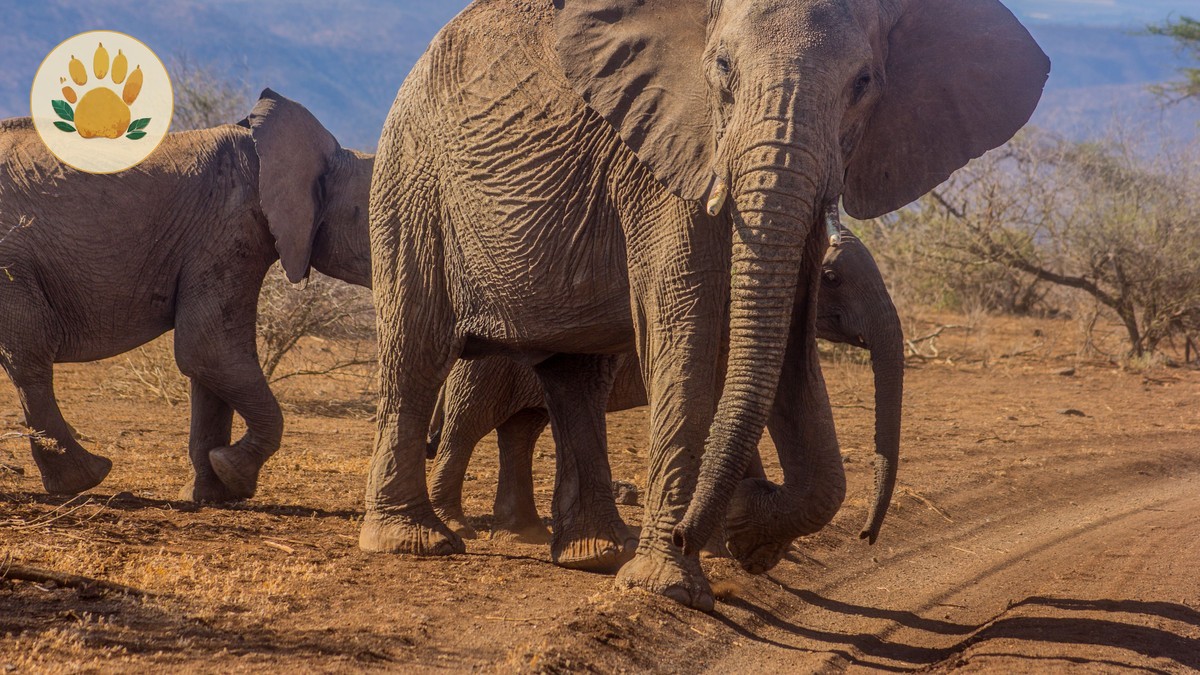
Most visitors to the Sheldrick Wildlife Trust know the Nairobi Nursery. There, keepers bottle feed baby elephants behind a rope line for one public hour a day. Fewer travelers reach the trust’s Tsavo elephant orphanage Voi Ithumba units inside Tsavo East National Park. Both units raise orphaned elephants toward a life back in wild herds. Both let visitors watch that process up close. This guide covers what separates the two units, how to get in, what it costs, and which one suits a family itinerary better.
Tsavo Elephant Orphanage Voi Ithumba: How They Compare to the Nairobi Nursery
The Nairobi Nursery cares for the youngest orphans. Most are under two or three years old. It sits on the edge of Nairobi National Park, so it makes an easy half-day stop for anyone in the city.
Voi and Ithumba are different. They house older calves who have outgrown milk dependency. Keepers walk these calves, slowly and on their own terms, back toward wild elephant society. Both sit inside Tsavo East National Park. A Tsavo East park fee of USD 80 per adult per day applies on top of any camp or visiting cost. If you are still weighing where to base a safari, the orphanage units are a strong argument for choosing Tsavo East. See our guide on deciding between Amboseli and Tsavo if you want the full comparison.
Voi sits in the southern part of the park. It is about 5 km from Voi town and roughly 4 to 4.5 hours by road from Nairobi. Ithumba is further north and more remote. Visitors reach it by a rougher track or a short charter flight. The drive from Nairobi typically runs 6 hours or more.
How the Elephant Orphanage Units Began
Voi is the older of the two units. Daphne Sheldrick founded Voi after she began hand-rearing orphaned elephants in the 1960s and 70s. It became the trust’s proving ground for reintegration, the place where orphans like Eleanor grew up. Eleanor and others like her eventually led ex-orphan herds back into the wild population.
Ithumba opened in 2004 as Voi’s orphan population grew past what one site could support. It gave the trust a second, quieter release point deeper inside Tsavo East. The site has less tourist traffic and more room for herds to roam. Yatta, one of the first calves raised there, now leads her own wild-born family. She still visits the stockades today.
A Day at the Stockades: Feeds, Mud Baths and Visiting Slots
Both orphanage units run on a similar daily rhythm. Orphans spend mornings browsing the bush with their keepers. They return for a milk feed and mud bath around midday, then head out again before a second feed near sunset.
Public and camp-guest viewing happens in short windows tied to these feeds. These typically fall around 11am and again in late afternoon. Exact times shift slightly by season, so confirm on arrival rather than planning around a fixed clock. Keepers narrate each elephant’s story during the visit. This holds children’s attention far better than a distant game drive sighting.
From Orphan to Wild Herd: How Reintegration Works
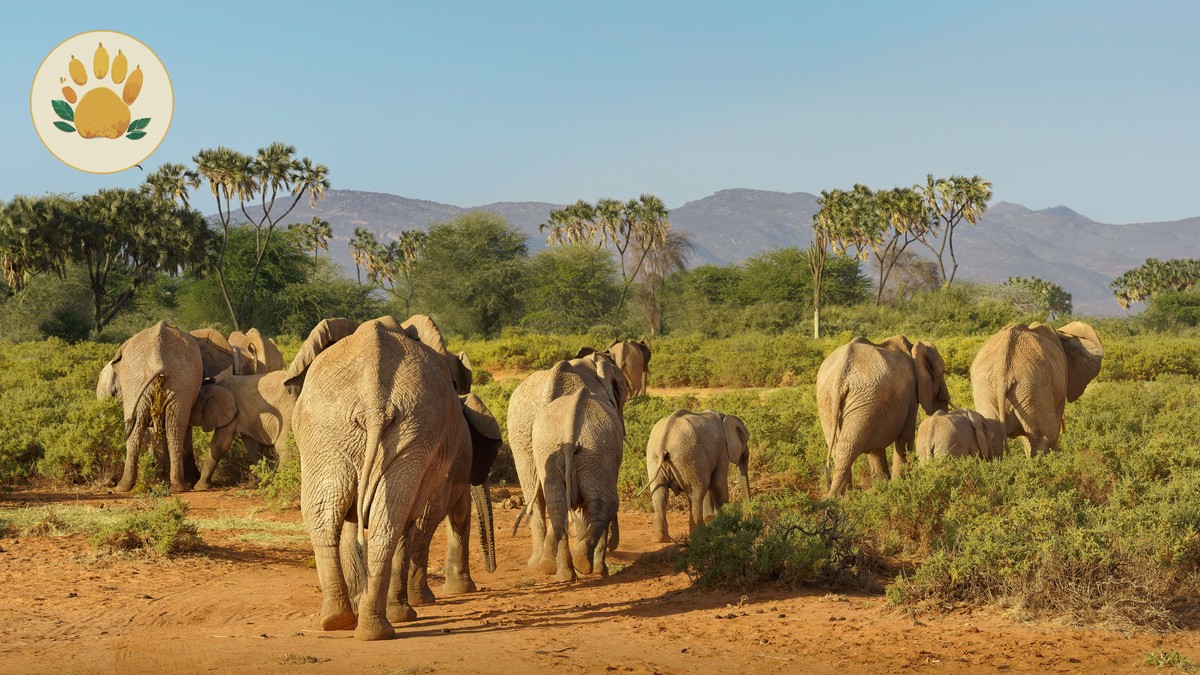
Reintegration is gradual and elephant-led, not scheduled by staff. Young orphans first bond with older ex-orphans who have already gone wild. They follow these ex-orphans out on day trips that get longer over months and years. Eventually a calf stops returning to the stockade at night. It chooses to stay out with its new herd instead.
Wild bulls and matriarchs also visit the stockade areas on their own, drawn by the resident orphans. This is part of why Ithumba in particular sees strong wild-herd traffic near the water points.
Do You Need to Be a Sponsor? Getting Access, Explained
This is the question that trips up most travelers, and older forum posts do not help. Here is the straight answer: you do not need to be a sponsor or adopter to visit Voi or Ithumba. Sheldrick Wildlife Trust’s current guidance is simple. A stay at one of its own eco camps, or at a small list of partner camps, includes access to the unit’s daily viewing.
Sponsorship still matters for one thing: a special sponsor-only visit at the Nairobi Nursery in the late afternoon. That visit is separate from the orphanage units in Tsavo. Confusing the two is where most of the bad advice online comes from. For Voi and Ithumba, book a qualifying camp and you are in.
Where to Stay: Ithumba Camp, Ithumba Hill and Galdessa
Ithumba has two SWT-run options. Ithumba Camp is a small, exclusive-use tented camp let out to one group at a time. It is self-catering with a cook on staff, no Wi-Fi, and generator power for a few hours a day. Ithumba Hill Camp is a similar tented setup nearby with the same access to the stockade. Both put you a short drive from the feeding times. Both leave you within earshot of wild herds moving through at night.
Voi is easier to combine with a standard Tsavo East stay. Galdessa Camp, on the Galana River, is the closest full-service option. It works well as part of a broader circuit rather than a dedicated trip. If you are weighing a remote self-catering camp against a staffed lodge, read our guide on tented camp vs. lodge trade-offs before you book.
| Voi Unit | Ithumba Unit | |
|---|---|---|
| Location in park | Southern Tsavo East, near Voi town | Northern Tsavo East, remote |
| Drive from Nairobi | Roughly 4-4.5 hours | 6+ hours, or charter flight |
| Key camps | Galdessa Camp (partner lodge) | Ithumba Camp, Ithumba Hill Camp (SWT) |
| Wild herd visits | Occasional | Frequent, a main draw |
| Best fit | Add-on to a Tsavo East circuit | Dedicated, remote stay |
| Wi-Fi / signal | Limited, available at most lodges | None at camp, patchy phone signal |
What It Actually Costs
Numbers here vary by season and group size. Treat this as an indicative range rather than a fixed quote, and confirm current camp rates directly with Sheldrick Wildlife Trust before booking. Ithumba Camp is let on an exclusive-use basis at an indicative USD 550 to 650 per night for the whole camp. It sleeps a small group, so cost per person drops fast if you travel as a family of four or more.
Start with the two fixed costs for two adults over three days at Ithumba. Tsavo East park fees run USD 80 per adult per day. That comes to USD 480 for two adults over three days. The exclusive-use camp rate adds roughly USD 600 per night at the midpoint of that range. For three nights, that is about USD 1,800 for the whole camp, regardless of how many people share it. Those two items alone already total close to USD 2,280. That is before a private vehicle, driver-guide, and fuel for the Nairobi-Tsavo run are added.
Once vehicle, driver-guide, and fuel are included, a realistic total for two adults over three days lands between USD 2,900 and USD 3,300. That range excludes international flights and will shift with fuel prices and the camp’s current published rate. The camp rate and vehicle cost are shared rather than multiplied per person, so the per-person figure falls fast as group size grows. A family of four splitting the same camp and vehicle pays less per person. Expect roughly USD 850 to USD 1,050 per person for the same three days. The USD 80 daily park fee still applies to each adult individually. Check the current KWS park fee categories before you budget, since they were last revised in October 2025.
Voi is generally the cheaper add-on. Park fees are the same, but you are not paying for an exclusive-use camp. You pay a normal room rate at a lodge like Galdessa that already sits on a standard Tsavo East itinerary.
Elephants Worth Knowing
A few names come up often enough that it helps to know them before you go. Eleanor, raised at Voi, was one of the trust’s earliest reintegration successes. She went on to lead a wild herd for years after her release. Eleanor died in 2015, a loss the Sheldrick Wildlife Trust documented publicly at the time. Her decades in the wild are a large part of why Voi is considered the trust’s proving ground for reintegration. Yatta, one of Ithumba’s original graduates, now heads her own wild-born family and has become a grandmother. She remains a regular visitor to the stockade she grew up in. Keepers at both orphanage units can usually point out which current orphans are closest to their own release. It is a detail kids tend to remember long after the trip ends.
Best Time to Visit for Wild Herd Sightings
The dry seasons draw more wild elephants toward the stockades and water points at both units. These run roughly June to October and January to February. Natural water is scarcer elsewhere in the park during these months. Ithumba’s wild-herd visits pick up noticeably in this period. The wetter periods around April, May and November thin out sightings. They bring greener, quieter landscapes and fewer other visitors at Voi.
The SafariPure Difference
We plan Tsavo itineraries around the orphanage units themselves, not just a game drive that happens to pass nearby. We match Ithumba’s remote, no-frills camps to families who want the wild-herd payoff and can handle a night without Wi-Fi. We steer others toward Voi and Galdessa when the priority is comfort and an easier add-on to a wider Tsavo East circuit. We also handle the park fee and vehicle logistics that make Ithumba’s per-person cost swing so much with group size. The number you’re quoted upfront is the number you pay.
Plan Your Trip
If Voi or Ithumba sounds like the right fit for your family’s Tsavo trip, we can build the logistics around it. Camp booking, vehicle, guide and park fees are all included. Get in touch with SafariPure to start planning.
More safari planning resources
- Kenya wildlife tours from Trunktrails Safaris
- Map of Tsavo from Valley Safaris
- Tsavo complete guide on Touring Insights
- Tsavo destination guide on FindMySafari
Related guides: Amboseli Big Tuskers: Elephant Viewing Guide 2026, Morning vs Afternoon Game Drive: Which Wins?, Nairobi to Tsavo Driving Distance and Road Trip Tips.