Most first-time visitors ask us the same question. Amboseli or Tsavo, and if we can only pick one, which one. Both parks sit in southern Kenya, both hold healthy elephant herds, and both get mentioned in nearly every Kenya safari itinerary we write. But they are not interchangeable, and picking based on a photo you saw online is how people end up disappointed.
This amboseli vs tsavo comparison gives you the numbers we actually use when planning trips: park size, fees, drive times, lodge costs across three budget tiers, and a direct answer at the end instead of a shrug.
Amboseli vs Tsavo Comparison: Park Size and Overview
Amboseli National Park covers about 392 square kilometers, making it one of Kenya’s smaller parks. You can drive across it in a morning. Tsavo, by contrast, is really two parks and a connected ecosystem. Tsavo East runs about 13,747 square kilometers and Tsavo West about 9,065 square kilometers, putting the combined Tsavo Conservation Area above 22,000 square kilometers. That makes Tsavo the largest protected wildlife area in Kenya, roughly the size of Wales.
Size changes how a safari feels. Amboseli is intimate. You will likely see the same herds more than once in a three-day stay. Tsavo is vast enough that guides plan routes around specific water points and known territories, because the animals are simply spread over more ground.
| Factor | Amboseli National Park | Tsavo East & West |
|---|---|---|
| Size | 392 km² | 22,000+ km² combined |
| Drive from Nairobi | 240 km, about 4 hours (Meshanani Gate, partly rough road) | Tsavo West: 230 km, 3.5-4 hours (Mtito Andei Gate, mostly tarmac); Tsavo East: 330 km, about 5 hours (Voi Gate) |
| Non-resident park fee (indicative) | around USD 60 per adult per day | around USD 52 per adult per day |
| Elephant numbers | roughly 1,500-2,000 (Amboseli ecosystem) | roughly 12,000-14,000 across the Tsavo Conservation Area |
| Typical stay | 2-3 nights | 3-4 nights (to cover both East and West) |
Fees change from time to time, so treat those figures as a planning range rather than the final invoice. We confirm current KWS rates before every booking.
Landscape and Scenery
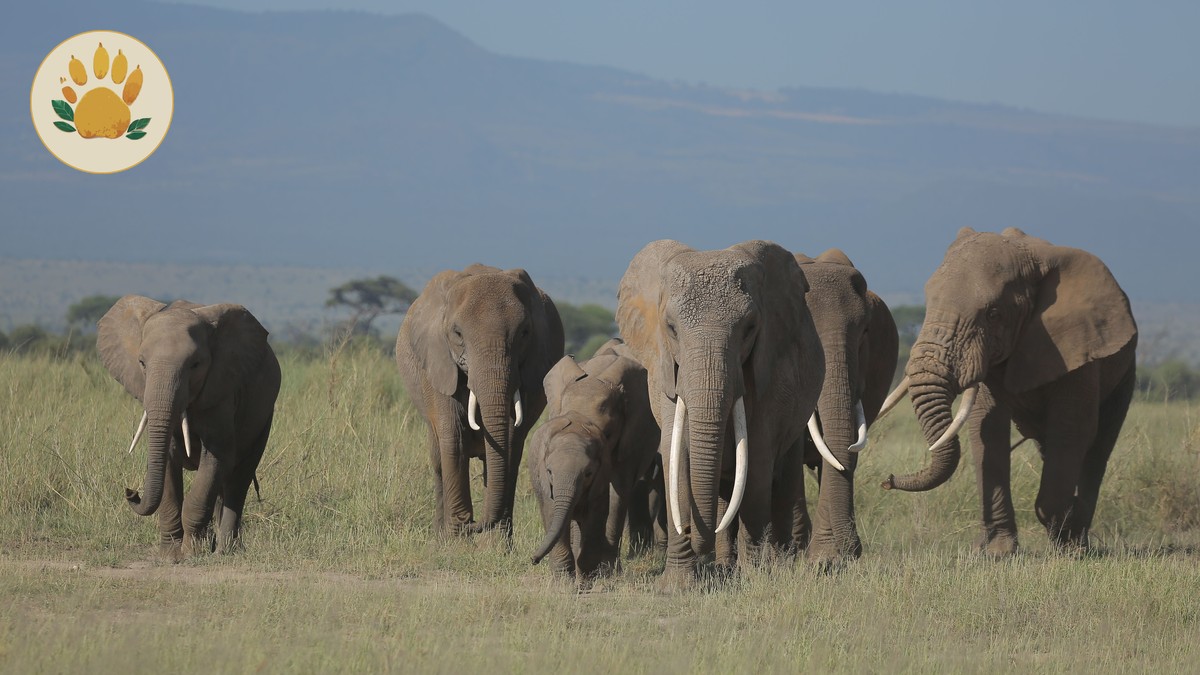
Amboseli’s signature view is Mount Kilimanjaro rising over open, dusty plains dotted with swamps fed by underground rivers from the mountain. On a clear morning, especially between June and October, the peak sits directly behind grazing elephants, which is the postcard image most people already have in their heads before they arrive. Check the best month for Kilimanjaro views in Amboseli before locking your dates, because cloud cover hides the summit more often than brochures admit.
Tsavo has no single backdrop like Kilimanjaro. Instead it offers volcanic hills, baobab-studded plains, the Yatta Plateau, a lava ridge that stretches over 300 kilometers, and the Galana River cutting through Tsavo East. Tsavo West adds the Mzima Springs, where hippos and crocodiles are visible through an underwater viewing chamber. The landscape is rougher, redder, and less manicured than Amboseli.
Elephants: Density Versus Numbers
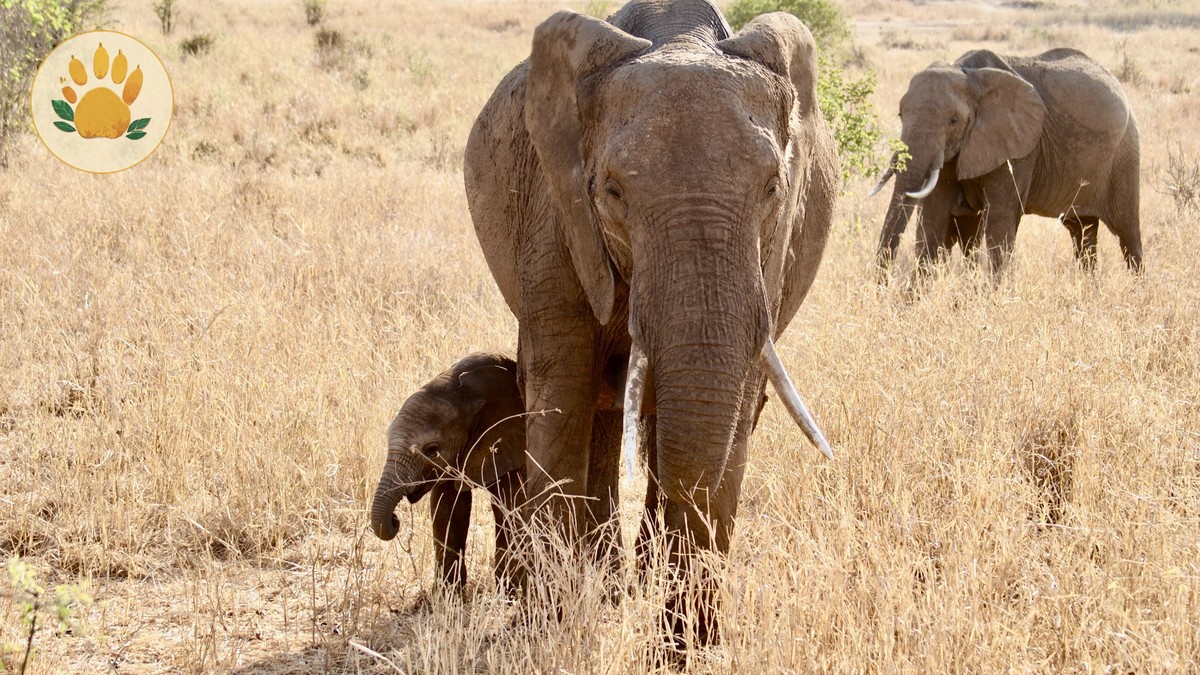
Here is the trade-off in one sentence. Amboseli gives you close, predictable, daily elephant sightings in small family groups against open ground. Tsavo gives you far more elephants overall, but spread across a much larger area, and they are famous for their reddish color from dust bathing in the park’s oxide-rich soil.
If your goal is guaranteed elephant encounters within a short window, Amboseli wins. The Amboseli Trust for Elephants has tracked resident families here for decades, and guides often know individual matriarchs by name. If you want to understand elephants at ecosystem scale, and don’t mind covering more ground to find them, Tsavo delivers that.
Wildlife Beyond Elephants
Amboseli is strong on elephants, plains game, and birdlife around its swamps, with over 400 recorded bird species. Predators exist but are less reliably seen than in the Mara.
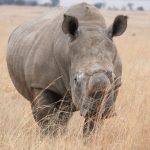
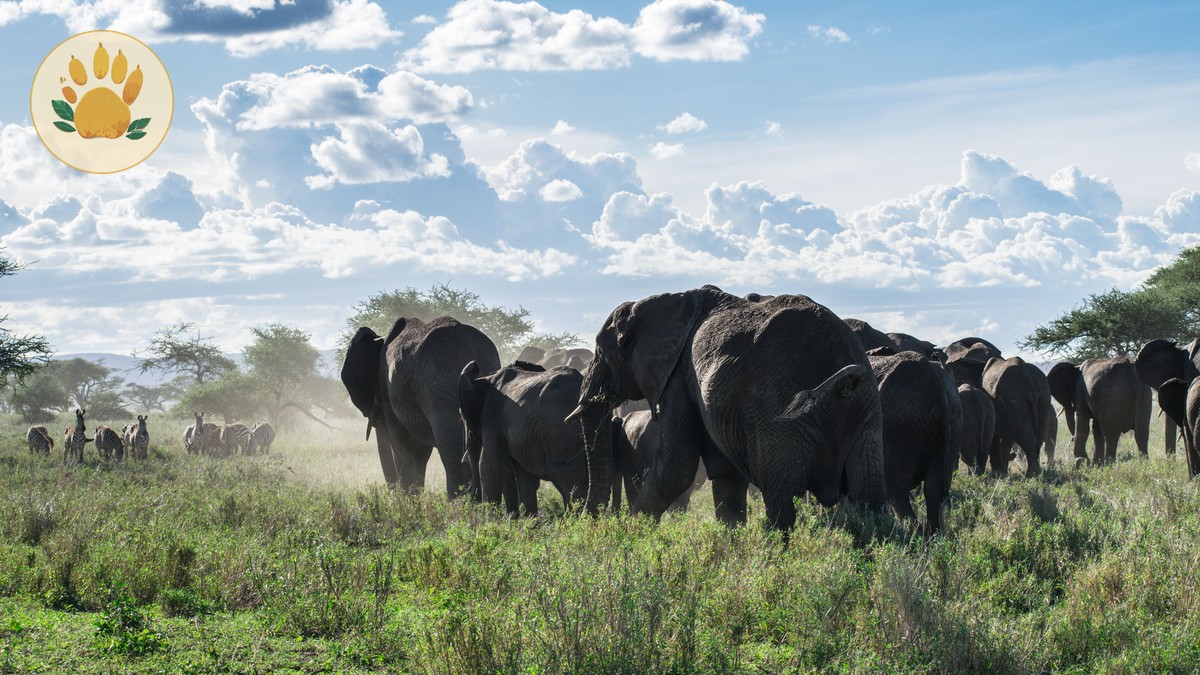
Tsavo holds lion, leopard, the introduced population of black rhino in Tsavo West’s Ngulia Sanctuary, and healthy buffalo herds. Tsavo East’s northern sector, only reopened to general tourism in recent years, sees far fewer vehicles.
Crowds and Atmosphere
Amboseli’s compact size concentrates vehicles around the swamps during peak months, especially July through September. You will share sightings with other vehicles more often than in Tsavo.
Tsavo’s scale works in your favor here. Even in high season, its size spreads visitors thin. If solitude matters more to you than guaranteed photo opportunities, Tsavo has the edge.
Accommodation and Real Cost Ranges
Lodge pricing varies by season and by how far in advance you book, so treat the figures below as 2026 indicative ranges per person per night, sharing, in high season.
| Tier | Amboseli | Tsavo (East and West) |
|---|---|---|
| Budget | Kibo Safari Camp, roughly USD 80-120 | Voi Safari Lodge or Ndololo Camp, roughly USD 70-110 |
| Mid-range | Ol Tukai Lodge, roughly USD 250-350 | Kilaguni Serena Safari Lodge, roughly USD 220-320 |
| Luxury | Tortilis Camp, roughly USD 600-900 | Finch Hattons Camp, roughly USD 500-750 |
Tsavo generally runs slightly cheaper than Amboseli at every tier, mainly because Amboseli’s proximity to Kilimanjaro and its smaller, more exclusive camp count push demand and prices up.
Accessibility and Drive Times
Amboseli’s access road from Nairobi via Namanga or Emali has improved but still includes stretches of rough murram, so plan on a full 4 hours rather than treating it as a quick hop. Tsavo West, reached via the tarmac Nairobi-Mombasa highway to Mtito Andei, is actually the faster and smoother drive of the two despite being similar in distance.
Travelers combining both parks usually drive Amboseli to Tsavo West via Kimana and the Chyulu Gate, a rough 110 to 150 kilometer stretch that takes 3 to 4 hours depending on recent rain. It is passable but not comfortable, so we build in a rest stop at Kimana or Kibwezi.
Best Time to Visit
Kenya’s dry seasons, June through October and January through February, work best for both parks. Roads firm up, wildlife concentrates around permanent water, and Kilimanjaro’s cloud cover lifts more often in Amboseli during the drier months. April and May bring heavy rain that can close some Tsavo tracks entirely.
Photography Considerations
Amboseli rewards photographers chasing the Kilimanjaro-elephant composition, best shot early morning before clouds build over the mountain. Its open terrain and short distances mean more time shooting, less time driving.
Tsavo suits photographers after red-dust elephants, dramatic volcanic light, and fewer vehicles crowding a frame. The tradeoff is longer drives between good sightings.
Which Park Fits Which Traveler
First-time visitors on a short trip: choose Amboseli. It is easier logistically, delivers reliable elephant sightings fast, and needs only 2 to 3 nights to feel complete.
Families with young children: Amboseli again, thanks to shorter game drives and less time on rough roads.
Repeat visitors and dedicated photographers: Tsavo, for its scale, lower crowds, and the reddish elephants you will not see anywhere else in Kenya.
Budget-conscious travelers: Tsavo, where lodge rates and park fees both run lower across every tier we track.
Combining Both Parks
If your itinerary allows 6 or more days in southern Kenya, combining both parks works well and avoids the “it depends” answer entirely. Our 10-day itinerary that combines both parks allocates 3 nights to Amboseli and 3 to Tsavo West, with the Kimana to Chyulu drive linking them directly. If you are unsure whether to split time between Tsavo’s two sections, read our Tsavo East vs Tsavo West breakdown before finalizing which gate to use.
If you only have 4 days and must cut one park, cut Tsavo. Amboseli delivers a complete, satisfying safari in less time, with fewer logistics to manage.
The SafariPure Difference
We do not sell packages off a template. Every SafariPure itinerary is built around current road conditions, actual gate wait times, and lodge availability we confirm directly, not what an old brochure claims. When we recommend Amboseli over Tsavo for a family with young kids, or Tsavo for a photographer chasing dust-red elephants, that recommendation comes from guides who have driven both routes this season, not from a generic comparison chart. We would rather tell you honestly which park to skip than sell you a rushed version of both.
Final Verdict
For a first safari, choose Amboseli. It is closer to a sure thing: reliable elephants, Kilimanjaro in the background on a clear morning, and a drive from Nairobi you can do in an afternoon. Save Tsavo for when you have more days, want lower crowds, or are returning to Kenya for a second look at something different.
Ready to build your own Amboseli and Tsavo itinerary? Get in touch with SafariPure and we will map out drive times, lodge tiers, and park fees around the days you actually have.