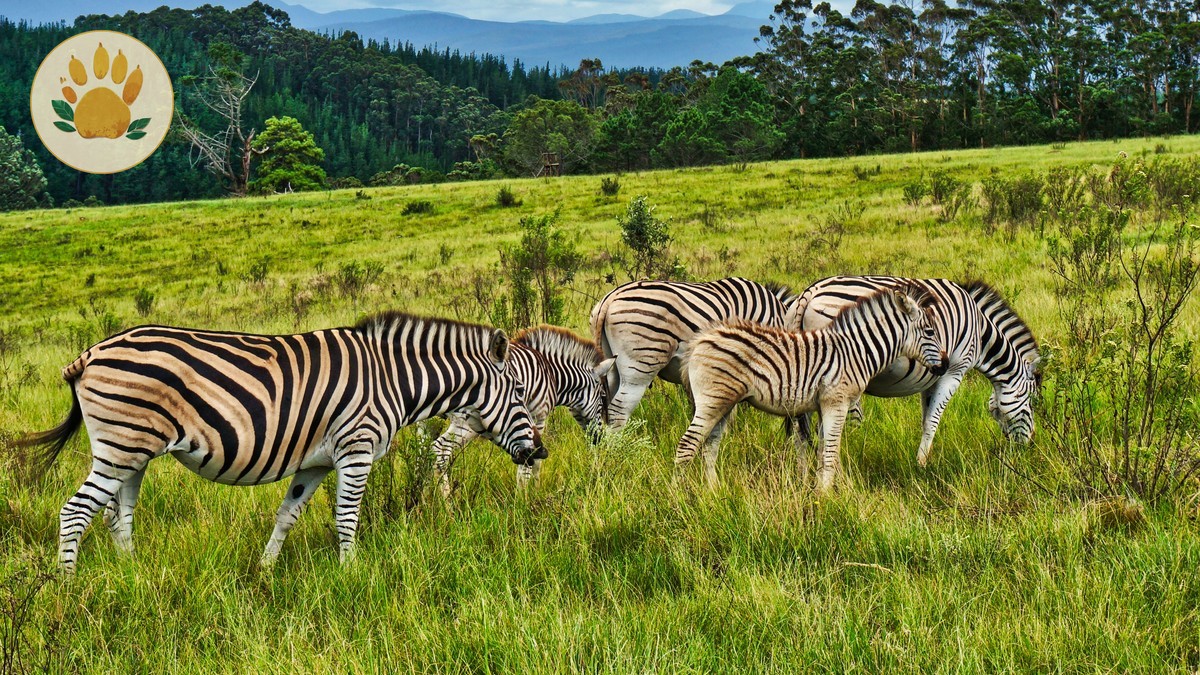
Searching for a “Kenya safari guide Swedish speakers” usually means one thing: you want to hear the field commentary in your own language. Swedish-speaking guides exist, but they are not the standard, since most guides in Kenya operate in English and Swahili. This guide covers availability, costs, park choices, a realistic 7-day route, and the entry steps for Swedish passport holders.
Kenya Safari Guide Swedish Speakers: Are Fluent Guides Available?
Yes, but fluent Swedish-speaking guides are limited and should be requested before booking, especially for July to October. Most Kenyan safari guides work in English and Swahili, so an English-speaking guide is the reliable fallback. Expect a Swedish-language supplement of roughly USD 100 to 150 per day, although some group packages quote a smaller per-person increase.
Guides with fluent Swedish often learned the language from years with Scandinavian guests, or they work for tour companies based in Sweden. Ask if the quoted price includes the language upgrade. On a group tour, check whether the Swedish-speaking guide stays with you daily or only appears at the airport and lodge. A private safari makes the answer simple. SafariPure plans private safaris around one guide and one vehicle, so your language preference can be confirmed before you fly. For a wider look at how language choices work across East Africa, see the Kenya safari planning for European travelers.
What Does a Kenya Safari Cost for Swedish Travelers?
Swedish travelers should plan on roughly USD 250 to 400 per person per day for a mid-range Kenya safari, excluding international flights. Budget camping can start around USD 100 to 150 daily, while luxury trips commonly exceed USD 500. Add park fees, internal flights, private-vehicle costs, and about USD 100 to 150 per day for a Swedish-speaking guide when quoted separately.
When a safari company gives you a daily rate, ask for a breakdown. The main blocks are accommodation, a private vehicle with guide, park or conservancy fees, and internal flights. Those blocks explain why similar-looking trips can differ by hundreds of dollars. For a plain-language budget walk-through, see Kenya safari costs and itinerary planning.
A Practical 7-Day Kenya Safari Itinerary
Seven days is the practical minimum for a first safari. Spend two nights in Amboseli, three nights in the Masai Mara, and finish with a return to Nairobi. A 10-day trip gives you time to add Samburu or a beach extension without rushing. The Amboseli-to-Mara road transfer can take about eight to nine hours, so flying one leg saves time.
A realistic route looks like this:
- Day 1: Land at Jomo Kenyatta International Airport. Sleep near Wilson Airport if you fly into the parks the next morning.
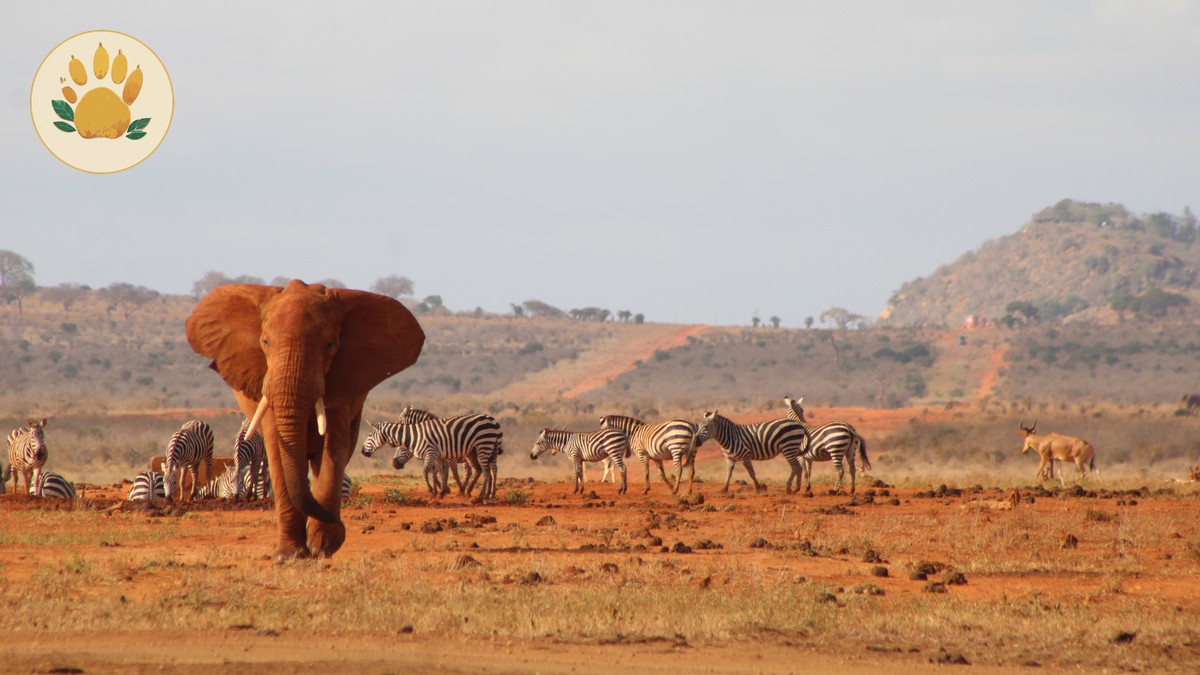
- Days 2 to 3: Fly to Amboseli, or drive about four to five hours through Namanga. Spend two nights near the Amboseli swamps, where elephant herds concentrate.
- Day 4: Transfer to the Masai Mara, usually eight to nine hours by road. If time matters, fly instead through Nairobi.
- Days 5 to 6: Spend three nights in the Mara, at a camp beside the Mara River or in a quieter private conservancy.
- Day 7: Take a morning game drive, then return to Nairobi for an evening connection.
Useful starting points for research are Kibo Safari Camp in Amboseli and Fig Tree Camp or Entim Mara Camp in the Mara. They are not the only options, but they give you real names to compare.
If you already know the Mara from an earlier visit, swap the second half for Samburu National Reserve and Laikipia. Samburu offers reticulated giraffe and Grevy’s zebra along the Ewaso Nyiro River. Laikipia is rhino country and open ranchland. This route suits repeat visitors who want to go beyond the classic circuit.
Masai Mara, Amboseli, or Samburu: Which Parks Should You Choose?
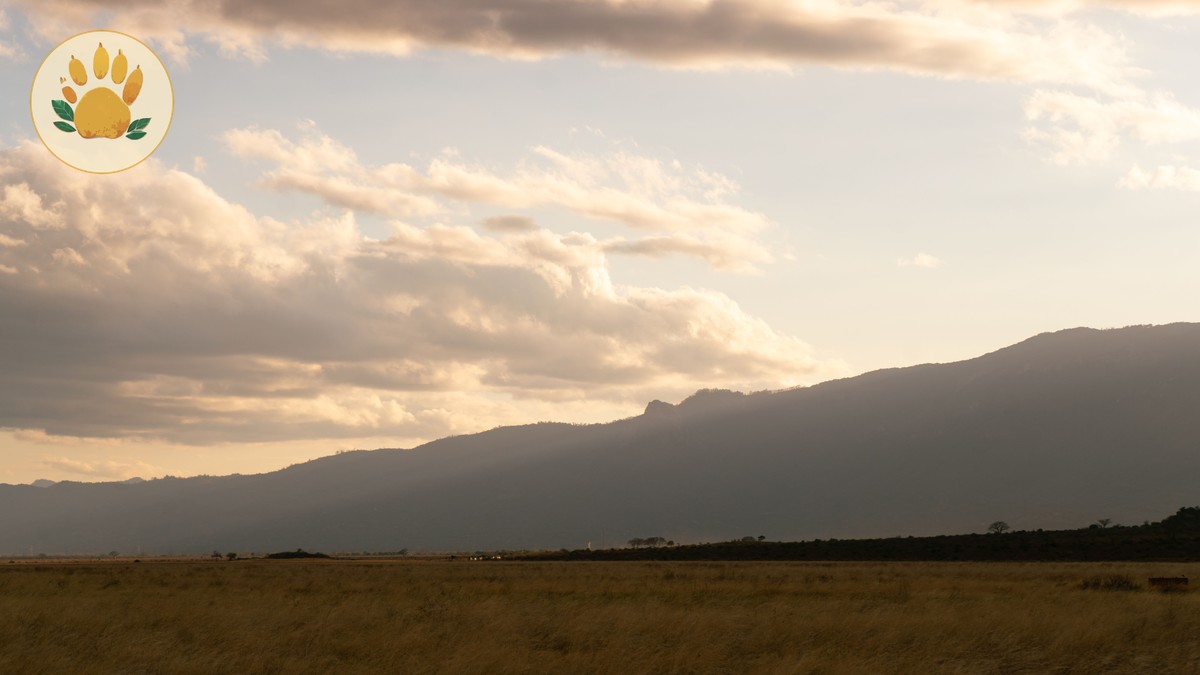
Choose the Masai Mara for big cats, open savannah, and migration-season viewing. Choose Amboseli for large elephant herds and Mount Kilimanjaro views. Choose Samburu for arid scenery and distinctive northern species. First-time visitors with seven days should prioritize the Mara and one contrasting park. Adding all three is better suited to a 10-day itinerary or longer.
| Park or reserve | Main appeal | Non-resident fee per adult per day |
|---|---|---|
| Masai Mara National Reserve | Big cats, open plains, migration crossings | USD 100 Jan to Jun; USD 200 Jul to Dec |
| Amboseli National Park | Elephant herds, Mount Kilimanjaro views | USD 90 |
| Lake Nakuru National Park | Rhinos, flamingos, lake views | USD 90 |
| Samburu National Reserve | Grevy’s zebra, reticulated giraffe, dry country | Roughly USD 70 to 80, indicative only |
The Masai Mara is run by Narok County, not Kenya Wildlife Service, which explains its different fee structure. Private conservancies next to the Mara also work differently. At Naboisho or Mara North, the conservancy fee is bundled into your lodge rate and is typically USD 80 to 150 per person per night. That is not cheaper than the park fee, but it pays for fewer vehicles and a longer day in the bush.
Best Time for a Kenya Safari From Sweden
June to October offers dependable dry conditions, concentrated wildlife, and strong visibility, but July to October also brings peak prices and crowds. January and February provide good wildlife viewing with generally better value and fewer visitors. November and April to June can be cheaper, although rain may make roads muddy and some lodges close during the heaviest wet-season period.
For Swedish travelers, late January and early February are strong weeks to plan around. You leave the deepest Scandinavian cold and still find predators active around Amboseli and the Mara. July and August are possible, but parks are busier and the pool of Swedish-speaking guides is tighter. November also works for a quieter, cheaper trip.
Kenya eTA, Flights, and Entry Requirements for Swedish Citizens
Swedish passport holders need an approved Kenyan electronic travel authorization before departure. Apply through Kenya’s official online system at least two weeks early, using a passport valid for six months, accommodation details, and onward-travel information. There are no direct Stockholm to Nairobi flights; common connections include Amsterdam, Frankfurt, Istanbul, Doha, and Addis Ababa.
Use the official eTA website, not an unofficial agency that charges extra for the same form. Once you land, allow time to move between Jomo Kenyatta International Airport and Wilson Airport for domestic flights. If your travel group includes French speakers, our Kenya Safari Guide for French Speakers covers the same region with a different language focus.
Your Next Kenya Safari, in Your Language
Beyond the classic circuit, there is a slower Kenya. Samburu at dawn, Laikipia’s open hills, and the Kaya forests near the coast reward travelers who have already seen the Mara. If this is not your first safari, ask about that quieter side.
A Kenya safari reveals itself slowly, especially when the guide can explain it in your own language. SafariPure can build a 7-day route around a Swedish-speaking guide when available, or pair you with an experienced English-speaking guide who understands your priorities. What would your ideal week in Kenya look like? Plan a Kenya safari with SafariPure or open the contact page to find out.