If you have been searching for a kenya safari guide for french speakers, start with the practical side. This buyer’s guide covers guide availability, real costs, park choices, Kenya eTA rules, seasons, and the steps to book with confidence. It is written as an independent manual rather than an operator pitch. The park fees below are the updated rates that took effect in October 2025 and were verified in July 2026.
Kenya Safari Guide for French Speakers: Are Guides Available?
Yes, French-speaking driver-guides and French interpreters are available in Kenya, but availability should be confirmed before you pay. Ask for the guide’s name, language level, guiding credentials, vehicle type, and whether the same person stays with you throughout the safari. Operators commonly confirm availability and a written quote within 24 to 48 hours.
Most French-speaking driver-guides in Kenya hold a professional guiding certificate from the Kenya Professional Safari Guides Association or a similar body. Some speak French from childhood, while others learn it as a second or third language. Both types can run a safe safari, but language depth matters. If you want detailed explanations about birds, trees, Maasai history, or wildlife behavior in French, ask for a guide who uses French daily.
In July to October, fluent French-speaking guides are heavily booked. Reserve at least four to six months ahead if you have fixed dates.
How much does a Kenya safari with a French-speaking guide cost?
Budget about USD 120 to 200 per person per day for basic camping, USD 250 to 550 for a comfortable mid-range private safari, and USD 700 to 1,200 for luxury. Multiplying the mid-range daily rate by seven days gives a base total of roughly USD 1,750 to 3,850 per person before language service. Add the French-language premium of 15% to 25%, and a seven-day mid-range private safari with a fluent French-speaking guide commonly totals about USD 2,000 to 4,800 per person.
When an operator quotes a private safari, the price normally includes the vehicle, driver-guide, accommodation, meals, and park fees. Ask whether drinks, laundry, flights, and conservancy fees are separate. Staying inside Naboisho Conservancy or Mara North Conservancy raises your nightly lodge rate by roughly USD 80 to 150 per person, because the conservancy fee is bundled into the camp price.
To compare your Kenya safari cost per person, park fees matter. The table below uses current non-resident rates.
| Park or conservancy | Road distance from Nairobi | Drive time | Non-resident entry fee per adult per day |
|---|---|---|---|
| Masai Mara National Reserve | 270 km via Narok | 5 to 6 hours | USD 100 Jan-Jun; USD 200 Jul-Dec |
| Amboseli National Park | 240 km | 4 to 5 hours | USD 90 |
| Lake Nakuru National Park | 160 km | 3 to 3.5 hours | USD 90 |
| Tsavo East National Park | 290 km | 4 to 5 hours | USD 80 |
| Chyulu Hills National Park | 250 km | 5 to 6 hours | USD 40 |
| Nairobi National Park | 7 km | 30 minutes | USD 80 |
| Naboisho / Mara North conservancies | Adjacent to the Mara ecosystem | Lodge transfer, 1 to 2 hours | Bundled in lodge rate, roughly USD 80-150 per person per night |
The Masai Mara is run by Narok County, not by Kenya Wildlife Service. The other parks in the table are KWS parks. These figures reflect the October 2025 fee increase.
Which Kenya parks are best for French-speaking travelers?
For a first safari, combine Amboseli and the Masai Mara: Amboseli delivers large elephant herds and Kilimanjaro views, while the Mara offers the strongest big-cat and migration experiences. Add Lake Nakuru for a shorter route with rhinos, or Samburu for distinctive northern species such as reticulated giraffes, Grevy’s zebra, and gerenuk.
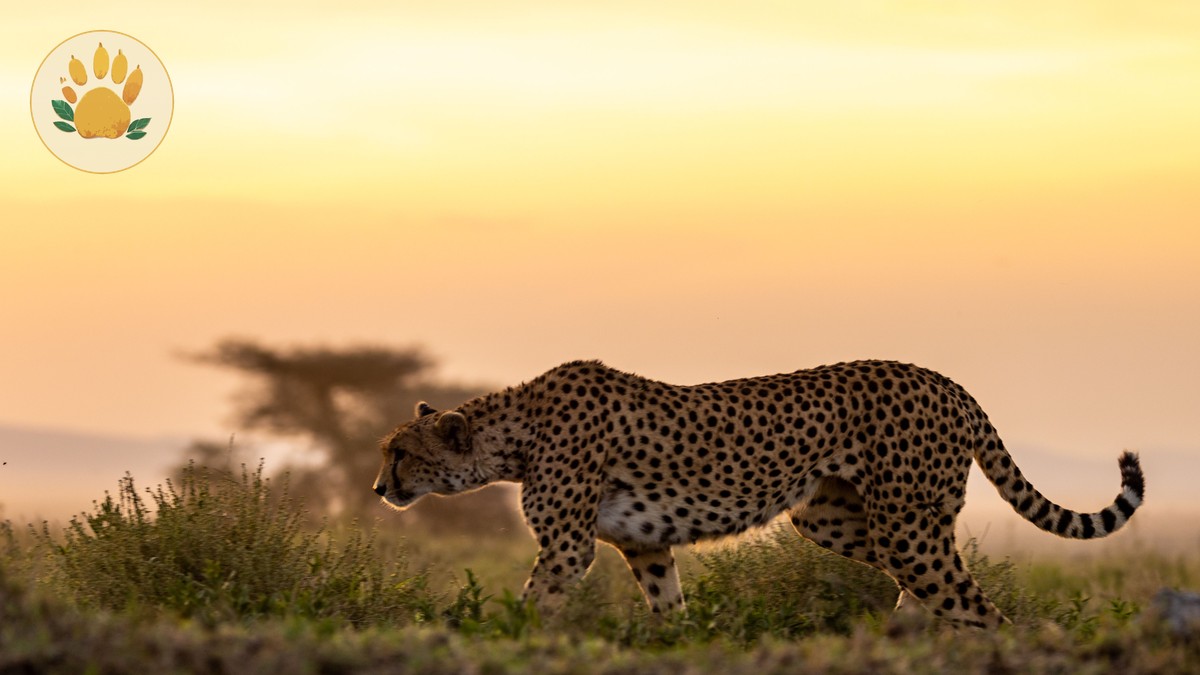
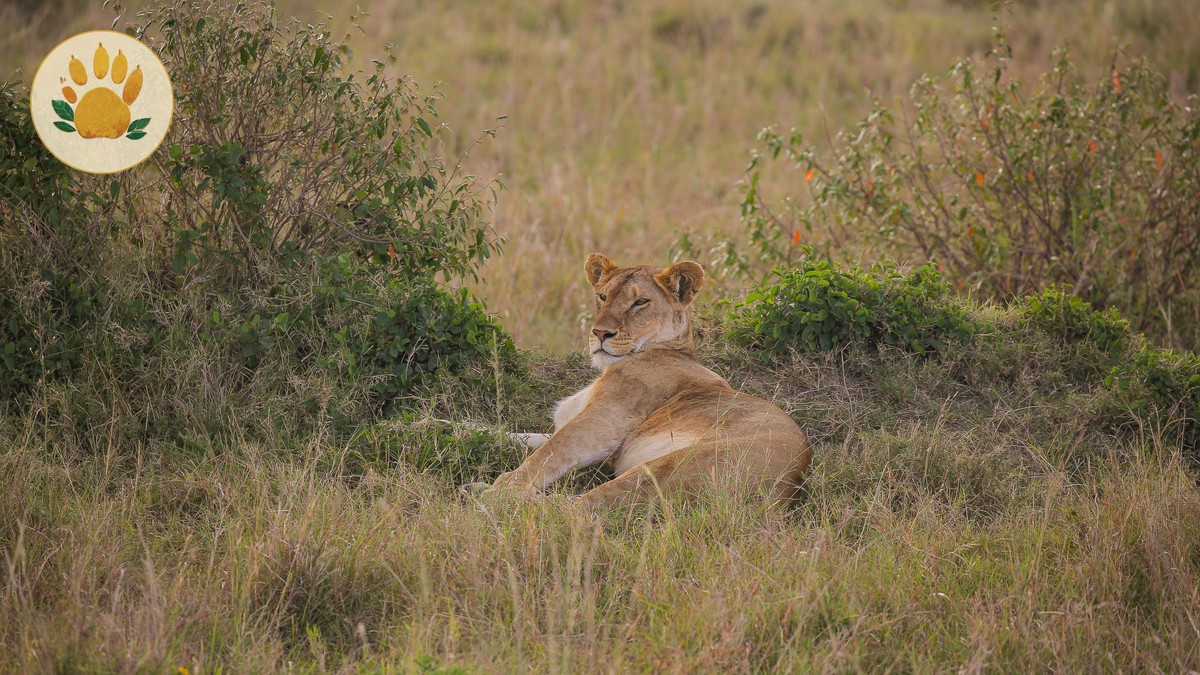
Amboseli National Park gives you open grass plains, big elephant families, and a wide view of Mount Kilimanjaro when the clouds clear. A classic Masai Mara safari is the natural second stop because the Mara holds high densities of lions, leopards, and cheetahs in most months.
Lake Nakuru is a practical detour for rhino viewing. The drive from Nairobi takes about three hours. Sarova Lion Hill Game Lodge sits on the hillside above the lake, which makes it a reliable mid-range base.
If you want private driving areas with fewer vehicles, choose camps in Naboisho Conservancy or Mara North Conservancy. These private concessions allow night drives and walking safaris, which the national reserve does not. Amboseli Serena Safari Lodge inside Amboseli National Park is another reliable mid-range option for a longer stay.
What is the best time for a Kenya safari?
July to October is best for the Great Migration and generally easy wildlife viewing, but it brings higher prices and more visitors. January and February offer dry conditions, lighter crowds, and strong game viewing. April and May are usually the wettest months, yet they can provide lower rates, lush scenery, and excellent photography conditions.
April and May are the rainy months. Roads can get muddy, but temperatures stay pleasant and rates drop. If you are open to wet weather, see this Kenya safari rainy-season itinerary to see what a relaxed trip looks like in the green season.
How many days do you need for a Kenya safari?
Seven days is enough for a fast first safari covering Amboseli and the Masai Mara. Ten days allows a more balanced route through Amboseli, Lake Naivasha, and the Mara, while 14 days supports Samburu, Ol Pejeta or Lake Nakuru, the Mara, Amboseli, and a beach extension without changing lodges every night.
A 7-day Kenya safari itinerary works best when you fly once between Amboseli and the Mara. If you stay with the same vehicle for the whole trip, plan on a full drive day between the two. A ten-day route is more comfortable, and a fourteen-day route lets you add the northern parks and the coast.
| Route option | Main parks | Suggested nights | Travel between parks | Notes |
|---|---|---|---|---|
| 7-Day Kenya safari itinerary | Amboseli + Masai Mara | 3 + 4 | Amboseli to Mara: 1-hour flight or 5 to 7 hours by road | Best first safari; keeps the pace simple |
| 10-Day route | Amboseli + Lake Naivasha + Masai Mara | 2 + 1 + 5 | Amboseli to Naivasha: 5 to 6 hours; Naivasha to Mara: 4 to 5 hours | Breaks up driving and adds a lake stop |
| 14-Day route | Samburu + Lake Nakuru or Ol Pejeta + Masai Mara + Amboseli | 2 + 2 + 5 + 3 | Nairobi to Samburu: 5 to 6 hours; Samburu to Nakuru: 4 to 5 hours; Nakuru to Mara: 5 to 6 hours; Mara to Amboseli: 1-hour flight | Add a beach extension in Diani or Watamu |
For a faster first visit, the 7-day route is the most practical. A third major park usually means longer drives and a faster pace. Most first-time travelers prefer quality time in two strong parks over a rushed list of four.
Kenya eTA, health, and arrival requirements
Most visitors must obtain Kenya’s electronic Travel Authorization before departure rather than a traditional visa. Apply through the Kenya eTA system before flying, check passport-validity requirements, and verify whether yellow-fever certification applies to your route. Discuss malaria prevention and recommended vaccinations with a travel-health professional several weeks before departure.
Do not confuse the Kenya eTA with a visa issued at the airport. Most international visitors apply online before traveling. Start the application at least two weeks before your flight to allow time for processing delays. Check that your passport is valid for at least six months from your arrival date and has two blank pages.
Yellow fever rules depend on your nationality and previous countries visited, so ask your travel clinic. Malaria prevention should also be discussed with a doctor before you go. The official Kenya eTA portal gives the current application fee, which the government changes from time to time.
How to Book a Kenya Safari Guide for French Speakers
Send your dates, group size, budget, preferred parks, accommodation level, and language needs in writing. Before booking, confirm whether the guide is fluent French-speaking, whether the vehicle is private, what park fees and meals include, and whether flights or transfers cost extra. Request the complete itinerary, cancellation terms, and guide confirmation before making payment.
Before you pay anything, ask for these details:
- The guide’s full name and guiding credentials.
- Confirmation that the guide speaks French fluently, not just basic phrases.
- The vehicle type and whether the safari is private.
- A full list of included park fees, meals, conservancy fees, and transfers.
- The exact itinerary and cancellation policy.
- Written confirmation that the quoted guide will be the one on your trip.
During high season, ask for the guide’s name at the inquiry stage. A reputable operator will name the guide before the deposit. For a different perspective on language and special needs, see this guide to planning a Kenya safari around language, food, and privacy.
The SafariPure Difference
SafariPure sends one written itinerary with all costs in US dollars before you pay. You choose the vehicle, and your French-speaking driver-guide stays with you from pickup to drop-off. We confirm your guide by name, not just by language. If a camp is full or a road is closed, we update you before you leave, not after. That is the point of careful planning: no surprises.
Frequently Asked Questions
Are there French-speaking safari guides in Kenya?
Yes. French-speaking driver-guides and interpreters operate in Kenya throughout the year, but availability varies by date and destination. Confirm the guide’s language ability, credentials, vehicle, and role in writing before paying.
How much does a Kenya safari with a French-speaking guide cost?
A mid-range private safari generally costs about USD 250 to 550 per person per day, which is roughly USD 1,750 to 3,850 per person over seven days before language service. With the 15% to 25% French-language premium included, a seven-day mid-range trip commonly totals about USD 2,000 to 4,800 per person. Camping can cost less, and luxury lodges can exceed USD 700 per person per day.
What is the best time to visit Kenya for a safari?
Choose July to October for the Great Migration and consistently strong wildlife viewing, accepting higher prices and busier parks. Choose January or February for dry weather, good sightings, and fewer visitors.
Which parks should I visit on a 7-day Kenya safari?
Amboseli and the Masai Mara make the strongest seven-day combination for first-time visitors. Amboseli is known for elephants and Kilimanjaro views, while the Mara is better for big cats and broad savannah wildlife. Adding a third major park usually creates longer drives and a faster pace.
Do I need a visa or eTA for Kenya?
Most international visitors need an electronic Travel Authorization before traveling to Kenya. Apply online before departure and check the latest entry rules, passport-validity requirements, and health-document requirements for your nationality and previous countries visited.
Plan Your Kenya Safari with SafariPure
If you are ready to plan, SafariPure can arrange a private safari with a confirmed French-speaking guide. Send your travel dates, group size, preferred parks, and accommodation level through our contact page. We will return a written quote with named camps, current park fees, and your guide’s name. That allows you to compare options calmly and book only when the plan feels right.