The number on your booking form changes almost everything about a Kenya safari. It decides how much you pay per person, how many window seats you can count on, and whether a guide can stop when a leopard is lying in a tree. It also decides whether you need one Land Cruiser or two.
The short answer is that four to six travelers per vehicle is the practical sweet spot. This guide, Kenya safari group size explained, covers when that answer changes for couples, families, photographers, and groups of ten.
What Is the Ideal Kenya Safari Group Size Explained?
Four to six travelers per vehicle is usually the best Kenya safari group size because it spreads the fixed vehicle and guide cost while preserving space, visibility, and flexibility. Couples may prefer a private vehicle, while budget travelers can accept six to eight people. Groups above seven generally need a second vehicle for comfort and reliable window access.
A standard long-wheelbase Land Cruiser is set up for three rows of two guests. At six people each traveler keeps a window. At seven or eight, someone pulls the bad seat. That is not a small detail. On a game drive, the difference between a side window and a middle seat is often the difference between seeing a lion and hearing about it from the rest of the car. That is why SafariPure plans scheduled departures around four to six travelers per vehicle.
How Many People Fit in a Safari Land Cruiser?
A standard Kenya safari Land Cruiser usually carries six guests comfortably, with a driver-guide in front and a window seat for each traveler. Some extended vehicles physically hold seven to nine passengers, but the last seats can reduce legroom and viewing access. Safari vans commonly carry six to eight guests and are the lower-cost option.
For most Kenya safari vehicle capacity questions, the honest answer is six guests when comfort matters. Operators sometimes say a vehicle “takes seven.” That usually means seven people can fit, not that the seventh guest has a clear view. Vehicle capacity matters because it decides how easy it is to raise a camera, swing a lens, or move to the other side when a leopard changes position.
Which Is Better: A Shared or Private Kenya Safari?
Choose a shared Kenya safari when keeping the price low matters most and you are comfortable following the group’s pace. Choose a private vehicle for two to four travelers who want flexible stops, better photography positions, and control over the daily schedule. For five to six travelers, private sharing delivers the strongest balance of comfort and value.
Shared means you pay for a seat, not the whole vehicle. If the vehicle holds six and you join five others, your daily cost stays close to the advertised rate. The trade-off is pace. A shared group negotiates lunch stops, restroom breaks, and photo time together. A private vehicle follows your decisions.
Two people alone in a Land Cruiser have more freedom, but they also pay for an empty vehicle. Four people sharing that same private vehicle have the same freedom at a lower cost per person. Backpackers on a tight budget can find shared departures to Amboseli, Lake Nakuru, and the Maasai Mara. Ask the booking office about the exact number of guests before you confirm.
How Does Kenya Safari Cost Per Person Change With Group Size?
The biggest per-person saving comes when one vehicle cost is divided among four to six travelers. Park fees and conservancy fees are charged per person, so they do not fall as the group grows. Shared rates run USD 40 to USD 70 per person daily.
As an indicative range, a full-day private Land Cruiser with a driver-guide often costs between USD 220 and USD 350 per day. Split that between two people and it feels expensive. Split it among six and the advantage becomes clear.
| Travelers sharing one private Land Cruiser | Indicative per-person vehicle and guide cost per day | Maasai Mara Reserve fee per adult per day, Jul-Dec | Cash before lodging, meals, and tips |
|---|---|---|---|
| 2 | USD 110-175 | USD 200 | USD 310-375 |
| 4 | USD 55-88 | USD 200 | USD 255-288 |
| 6 | USD 37-58 | USD 200 | USD 237-258 |
The Maasai Mara National Reserve is run by Narok County, not by Kenya Wildlife Service. Non-resident adults pay USD 200 per day from July to December and USD 100 per day from January to June. Amboseli National Park charges USD 90 per adult per day. Lake Nakuru National Park charges USD 90 per adult per day.
Park fees stay the same no matter how many people share the car. A bigger group lowers only the vehicle and guide part of your daily cost.
Conservancy fees work in a similar way. Camps in the Naboisho Conservancy or Mara North Conservancy normally bundle the nightly conservancy fee into the lodge rate. That fee usually sits around USD 80 to USD 150 per person per night, and it does not shrink when you add travelers. At Kicheche Valley Camp in the Naboisho Conservancy, for example, the rate includes the conservancy fee. Do not expect a group discount on that charge.
What Is the Best Group Size for Families, Photographers, and Large Groups?
Families of four to six can usually share one private Land Cruiser comfortably, while photographers often benefit from two to four travelers and more space for equipment. Groups of seven to eight may fit one extended vehicle but are usually better in two vehicles. A group of 10 needs at least two vehicles, each with its own driver-guide.
Families of four to six should book one Land Cruiser. Children need stops, snacks, and flexibility, so a private guide makes the day easier. To compare lodges that accept children, read our Maasai Mara family safari lodges guide before choosing your group size.
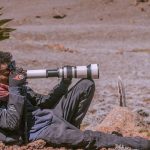
Photographers should keep the group at four or under. Camera bags need their own space. In a full car, swapping lenses is awkward, and everyone waits while you reposition for a clear shot.
Groups of seven to eight can fit into one extended Land Cruiser, but they usually see more in two vehicles. Each vehicle can stop for different animals, and no one is stuck in the worst seat all day. A group of ten needs two vehicles from the start. If children are part of that group, our Maasai Mara family safari packing list will help you pack without overloading the cars.
The SafariPure Difference
SafariPure uses the six-seat standard before the itinerary is drafted. Scheduled group departures carry no more than six guests in one Land Cruiser. Private trips can be built for two, four, five, or six in the same vehicle, and groups of seven or more move into two vehicles.
The same guide stays with you through the trip, so the morning conversation and animal knowledge are not interrupted. We also plan routes that avoid long transfer days. For one tested way to see the Mara and the Naboisho Conservancy without spending all day on the road, see our Kenya safari itinerary without long drives.
Which Kenya Safari Group Size Suits You Best?
If the lowest daily rate wins, join a shared Kenya safari and accept the group’s pace. If flexibility and privacy matter more, book a private vehicle for two. For most travelers, the compromise sits at four to six people in one private Land Cruiser.
Photographers should keep the group at four or under. Families of five or six fit well in one vehicle. Groups of seven or more should reserve two cars before they arrive.
The group size answer also changes where you sleep, whether you use conservancy camps, and how much time you lose to transfers. That is why SafariPure matches vehicle layout to your travel style. Tell us how many are in your group, when you want to travel, and how long you can spend in Kenya. We will confirm the practical setup and send you a route that fits the number. Start planning on our contact page.