A useful Maasai Mara photography season guide starts with the image you want, not with a generic weather calendar. Do you want a river crossing, a clean predator portrait, newborn wildlife, or a green storm sky? Different months reward different styles. This guide compares the main windows so you can book with intent.
1. Maasai Mara Photography Season Guide Basics
Choose July to October for short grass, clear sightlines, concentrated wildlife, and the best chance of migration action. Choose January to February for quieter plains, newborn animals, and strong predator photography. Choose November for green scenery and dramatic skies. April and May can produce atmospheric images, but rain, mud, and camp closures make logistics harder.
| Window | Best images | Light and weather | Crowd and cost |
|---|---|---|---|
| July to October | Migration action, river crossings, predators in short golden grass | Dry air, clear mornings, dusty afternoons | Peak crowds; USD 200 per day reserve fee |
| January to February | Predator portraits, newborn wildlife, open plains | Mostly dry, warm side light | Lighter pressure; USD 100 per day reserve fee |
| November to December | Green landscapes, storm light, migratory birds | Short rains, lush grass, dramatic skies | Moderate crowds; USD 100 per day reserve fee |
| April to May | Atmospheric rain scenes, rainbows, solitude | Long rains, mud, some camp closures | Lowest rates; logistics harder |
The reserve fee above refers to the Masai Mara National Reserve. It is run by Narok County Government, not by KWS. The county charges USD 100 per adult per day from January to June and USD 200 per adult per day from July to December.
So there is no single best time to visit Masai Mara. There is only the best time for the picture on your memory card.
2. Masai Mara Dry Season: July to October
July to October is the most reliable window for classic Maasai Mara wildlife images. It brings short golden grass, clearer skies, predictable game viewing, and possible migration scenes. Late July through September offers the strongest crossing potential. It also brings the highest prices, fullest camps, dust, and vehicle congestion around popular river viewpoints.
The dry season is when the reserve feels most like the images you see in prints. The grass is low, so lions and cheetahs are easier to find. Herds gather near permanent water. Predators have more obvious routines.
If you want a calmer dry season trip, spend part of your time in Mara North Conservancy or Naboisho Conservancy. Both are private areas with vehicle limits. Their conservancy fees are bundled into lodge rates, usually around USD 80 to 150 per person per night. You pay for access through the camp, not through a separate park gate.
Travel days matter too. If you want to avoid long transfers from Nairobi, a Kenya safari itinerary without long drives can keep more daylight hours for photography.
3. January to March: Predator and Newborn Photography
January and February are excellent for predator, calf, and open-plain photography. The grass is still short enough for clean compositions, and visitor numbers are lower than during migration season. March adds dramatic cloud and softer light, but rain becomes less predictable toward the end of the month.
The reserve fee drops to USD 100 per adult per day from January through June. Camps also lower their rates compared with peak migration season. That means more space around sightings and fewer vehicles waiting in line for the same lion.
This window suits photographers who want patience. You can hold a composition for longer without another vehicle rushing the frame. Resident lions, leopards, cheetahs, elephants, and antelope provide steady subjects.
4. Masai Mara Green Season: November to May
November offers the best green season compromise: fresh grass, dramatic storm light, migratory birds, and fewer vehicles without the worst long-rain disruption. December through March adds lush backgrounds and atmospheric skies. April and May can be visually spectacular and cheapest, but heavy rain, muddy roads, and seasonal camp closures create real trade-offs.
The short rains usually begin around November and transform the plains quickly. Many migratory birds arrive from Europe. Rainbows form after afternoon storms, and the Oloololo Escarpment catches golden light across the Mara Triangle.
The long rains in April and May are more serious. Some camps close or run reduced schedules. Gravel tracks become slippery and sometimes impassable. A proper 4×4 is essential, and you need flexibility in your plan.
5. Great Migration Photography: River Crossings
Target late July to September for the highest probability of dramatic Mara River crossing scenes. The migration timing changes with rainfall and herd movement. Early July and October can offer a less crowded balance. Crossings are never guaranteed, so include predator and resident-wildlife alternatives in the itinerary.
A river crossing is a single moment within a larger season. Herds can wait at the water for hours, then cross in minutes. Weather in one year can shift the whole calendar.
A SafariPure photography trip usually combines river mornings inside the reserve with quieter drives in private conservancies. That structure gives you strong subjects even when the crossing point goes quiet.
6. Light, Weather, and Daily Rhythm
Plan key drives around early morning and late afternoon, when warm low-angle light combines with peak predator activity. Dry months usually provide clean backgrounds and predictable visibility. November to March can deliver richer greens, rainbows, and storm skies. Carry rain protection year-round because equatorial showers can appear outside the main rainy seasons.
Start before sunrise. The first light on the escarpment turns the plains gold, and predators are often still moving. Midday is for meals, card backups, and battery charging. By late afternoon, return to a likely hunting ground and wait.
The light in the Mara is good in every season. The difference is how much other activity surrounds you.
7. Crowds, Costs, and Camp Availability
July to October generally costs the most and requires earlier booking, especially near river-crossing areas. January to February and November usually offer better value, quieter sightings, and more flexible positioning. April and May can bring the deepest discounts, but some camps reduce operations or close, and wet roads call for a proper 4×4.
If your dates are fixed in July, August, or September, book six to nine months ahead. Camps near the Mara River fill first. At SafariPure, we match your preferred month to your photographic goals, then suggest camps and conservancies that support those goals.
Families have different constraints. Our list of Maasai Mara family safari lodges can help you choose a camp with practical rooms and age-appropriate activities.
8. Vehicles and Gear for Field Work
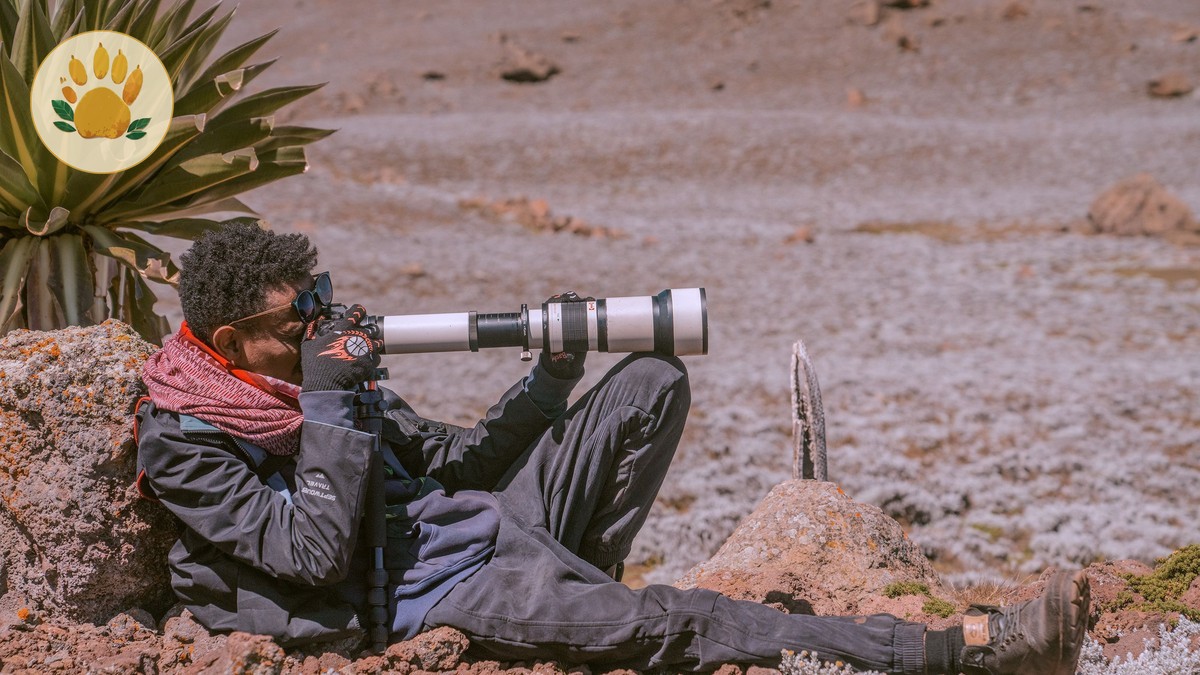
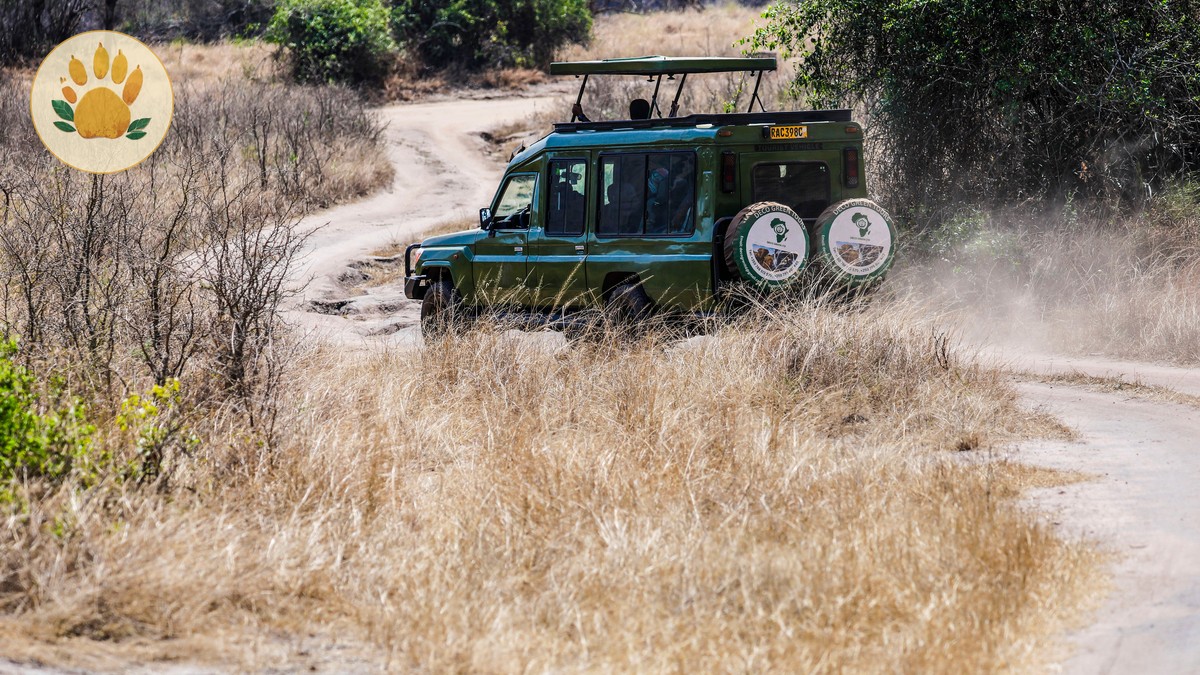
Use a private 4×4 with a knowledgeable driver-guide if you want clean compositions and flexible positioning. You need a fast telephoto zoom, spare batteries, memory cards, plus rain and dust protection. In wet months, low-clearance vehicles are unsuitable, since muddy roads can cut access to photographic areas.
A body with good autofocus helps, but lens choice matters more. A 100-400mm or 200-600mm works for most safari subjects. A 70-200mm f/2.8 is useful for predators in open grass. Two camera bodies save you the trouble of changing lenses in dusty wind.
Carry a beanbag or window clamp for stable low-angle shots. Bring rain sleeves, a dry bag, lens cloths, spare batteries, and more memory cards than you think you need. For the rest of your kit, read the Maasai Mara packing essentials.
Plan Your Maasai Mara Photography Safari
Let SafariPure turn this season guide into a concrete plan. Tell us the image you want, and we will match it to the right month, camp, conservancy, and private vehicle setup. Our guides work at a photographer’s pace, not a tourist’s pace.
Start the conversation through our contact page. We will send options that fit your dates and your eye.