Planning a Kenya safari for Arabic speakers is more about logistics than general description. The things that shape the trip are an Arabic-speaking guide, confirmed halal meals, a private 4×4, and camps with real family rooms. SafariPure would rather give you one calm field note than ten promises. This guide covers named parks, current fees, a sample family budget, and the honest trade-off that Arabic-speaking guides are limited.
Are Arabic-speaking safari guides available in Kenya?
Arabic-speaking safari guides are available in Kenya, but the pool is limited, so request one when booking and confirm the guide by name before paying. Expect a possible supplement. One current market estimate is about USD 180 to 250 per day for a private Arabic-speaking guide and 4×4 vehicle for two to four travelers.
Most good guides work through Nairobi operators rather than waiting at park gates. Ask whether the assigned guide is also the driver, because language support and vehicle arrangements are often priced together. Request a short recorded voice note or a call before deposit if the dialect matters. Arabic dialects differ, so confirm Egyptian, Levantine, or Gulf Arabic rather than just asking for Arabic. This is the point where a slow, specific booking process pays off.
Kenya Safari for Arabic Speakers: Best Parks and Itinerary Length for Families
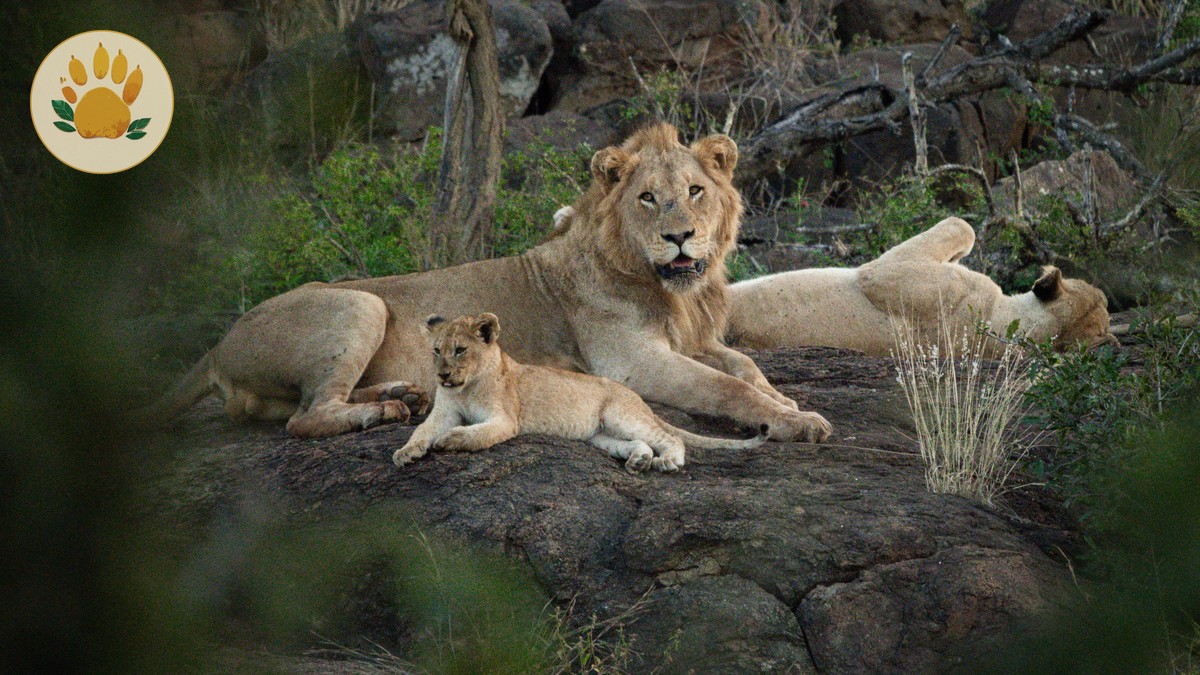
For a first family safari, plan 7 to 9 safari nights and visit no more than two main wildlife areas. A practical route is 3 nights in the Maasai Mara, 2 in Amboseli, 2 in a conservancy or Lake Naivasha, and 1 in Nairobi, with flights replacing long road transfers when privacy and comfort matter.
The table below uses current non-resident adult fees and real drive times. Masai Mara National Reserve is run by Narok County Government, not Kenya Wildlife Service, so its fee should never be attributed to KWS.
| Region | Distance from Nairobi | Typical drive time | Non-resident fee per adult (current) | Family fit |
|---|---|---|---|---|
| Masai Mara National Reserve | About 270 km | 5 to 6 hours by road | USD 100 Jan to Jun, USD 200 Jul to Dec | Big cats, open plains, many family lodges with pools |
| Amboseli National Park | About 240 km | 4 to 5 hours | USD 90 | Elephants, Kilimanjaro views, gentle pace |
| Lake Nakuru National Park | About 170 km | 3 to 4 hours | USD 90 | Rhinos and flamingos, compact one-night stop |
| Nairobi National Park | About 7 km from city center | 20 to 30 minutes | USD 80 | Good for arrival or departure day |
| Naboisho or Mara North Conservancy | Adjacent to Masai Mara | 5 to 6 hours road, about 45 minutes by flight | Bundled conservancy charge, roughly USD 80 to 150 per person per night | Fewer vehicles, private tracks, night drives in some areas |
The Mara and Amboseli route works because both areas offer short, slow game drives. A family with young children can rest in the heat of the day, pray, swim, and still see good wildlife early and late. Lake Naivasha adds a calmer lake stop if you want to break the road transfer before flying home from Nairobi.
Halal food, prayer, and Ramadan arrangements on safari
Halal food is usually possible on a Kenya safari, but it is not automatically certified at every camp. Confirm halal meat, no pork, cooking practices, suhoor or iftar timing, prayer space, and a qibla direction at booking, then reconfirm at least one week before arrival. Premium Mara requests may need three weeks.
Do not rely on a general food preference note. Send a short written list in English or Arabic: halal meat only, no pork, no alcohol in cooking, separate utensils if possible, and a vegetarian or fish backup for each meal. Ask whether the camp can prepare a pre-dawn suhoor box and an iftar meal in a private dining area. Most established lodges in the Mara, Amboseli, and Naivasha can arrange this with notice. The honest limit is that halal certification is rare, and cooking is usually managed through camp chefs rather than a formal certificate.
During Ramadan, plan the day around rest and prayer. Request early game drives before the heat, a quiet middle of the day, and a late drive only after iftar when energy returns. Some families prefer shorter safari days during Ramadan and add a Nairobi rest night at the end.
Kenya eTA and arrival planning for Arabic-speaking travelers
Travelers from Gulf and other Arabic-speaking countries generally need an approved Kenyan Electronic Travel Authorization before departure. Visa-on-arrival service is no longer the normal process. Apply online several days to a week ahead, ensure the passport is valid for six months, and carry both digital and printed approval documents.
Apply for every family member, including children. Use passport details exactly as printed, and check the given name order carefully. Nairobi airport arrivals are simpler if you have the eTA approval ready, a printed hotel list, and a clear plan for the first transfer. If you land late, an airport hotel near Jomo Kenyatta International Airport can reduce family stress before the first safari day.
Private safari vehicles, privacy, and private conservancies
A private 4×4 vehicle is the simplest way to protect family privacy, control departure times, accommodate prayer or meal breaks, and avoid sharing space with strangers. A private conservancy adds quieter sightings, walking or night-drive options in some areas, and fewer vehicles, but its higher lodge rate should be compared with the reserve-only alternative.
In the Mara, a private conservancy such as Naboisho or Mara North changes the daily rhythm. You can leave camp before sunrise, come back for a proper family breakfast, pray, and return after the heat. Read why private conservancies can be worth the extra cost before you decide. Understand how private conservancy night drives work, because night drives are only possible on private land, not inside the national reserve. Also confirm how much luggage safari vehicles can carry if you are connecting from Doha, Jeddah, or Dubai with five bags. A private vehicle with a pop-up roof and a guide who speaks your family’s Arabic dialect is the clearest privacy upgrade available.
Kenya safari costs and realistic family budgets
For a family of four spending eight safari nights, a realistic budget excluding international flights is about USD 12,000 to 16,000 for entry-level lodges, USD 16,000 to 22,000 for mid-range properties, and USD 25,000 to 35,000 for high-end camps with flights. Park fees, private vehicles, Arabic-speaking guide supplements, and conservancy charges can materially change the total.
| Budget tier | Sample stay type | Indicative total, family of four, 8 safari nights | What usually changes |
|---|---|---|---|
| Entry level | Mara Sopa Lodge, Amboseli Sopa Lodge, Lake Naivasha Sopa Resort | USD 12,000 to 16,000 | Shared game drives at some camps, simple family rooms |
| Mid-range | Sarova Mara Game Camp, Amboseli Serena Safari Lodge, Lake Naivasha Sopa Resort | USD 16,000 to 22,000 | Private vehicle more likely, better family rooms |
| High-end | Private conservancy camps in Mara North or Naboisho | USD 25,000 to 35,000 | Private vehicle, conservancy fees, lighter aircraft flights, quieter tracks |
These ranges exclude international flights from Riyadh, Jeddah, Dubai, Doha, or Kuwait. They include most meals, park fees, and local transfers in most itineraries, but the exact quote depends on season. During the Mara high season from July to December, the Masai Mara adult fee rises to USD 200 per day, which can add several thousand dollars to a family stay. Entry-level lodges may still put you in a shared vehicle unless you pay for a private one. A private Arabic-speaking guide and vehicle at USD 180 to 250 per day can add USD 1,500 to 2,000 over eight days if it is not already inside the package. Ask for the private vehicle line item before comparing quotes.
Best time to visit Kenya for wildlife and family travel
July through October offers the most predictable dry-weather game viewing and overlaps with the Great Migration, but it also brings higher park fees and lodge prices. January through June can be quieter and less expensive. Choose it when family privacy, flexible availability, and value matter more than peak migration timing.
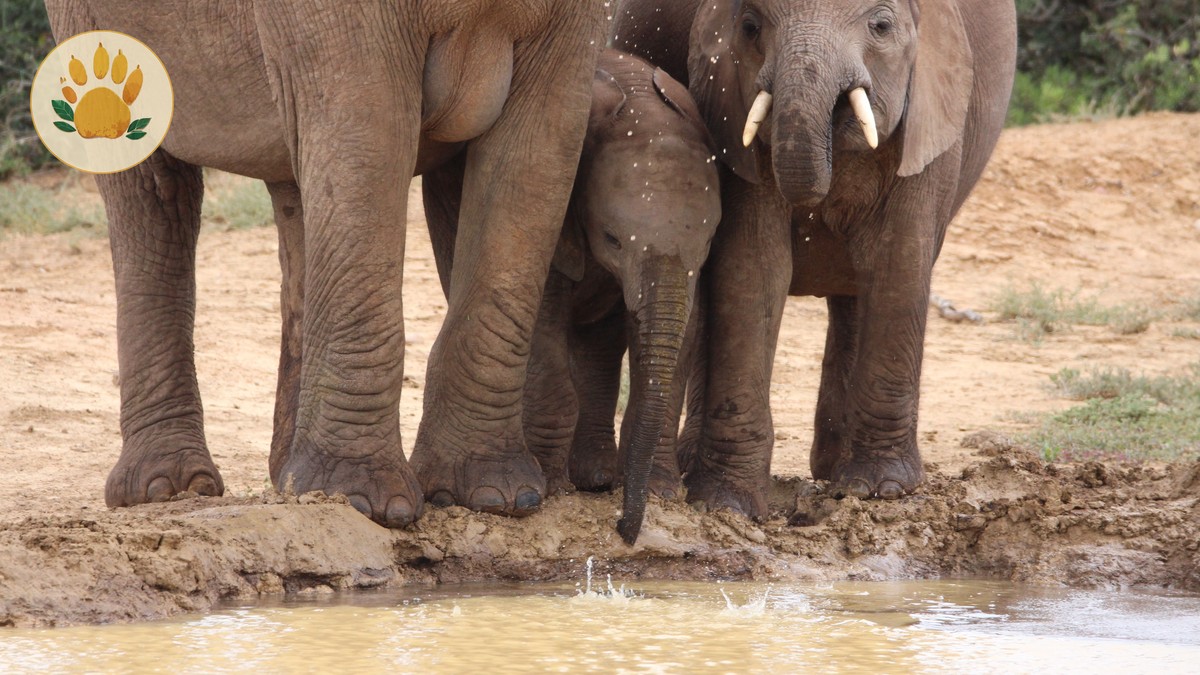
For Gulf school holidays, July and August are common but expensive. If you can travel in late January or February, the Mara is green, crowds are lower, and the Mara fee is still USD 100 per adult instead of USD 200. Amboseli is less seasonal for elephants, so a January or June itinerary still delivers strong sightings. Avoid long road transfers in April and November when rain can slow travel in some areas.
The SafariPure Difference
SafariPure plans the trip from the family outward, not from a brochure inward. We confirm the Arabic-speaking guide by name before you pay. We send halal meal requests to camps in writing and reconfirm them. We book private 4×4 vehicles by default, not as an upsell. We choose lodges with connecting family rooms or family tents, short drives, and safe midday rest. And we tell you when a private conservancy is not worth the extra money for your dates.
We do not promise a guide at every gate or halal certification at every camp. We do promise a quiet, detailed plan built around your family’s real needs, prayer times, and food requirements. That approach is slower, and it is the whole point.
Frequently Asked Questions
Are there Arabic-speaking safari guides in Kenya?
Yes, but they are relatively limited and should be requested before booking. Confirm that the assigned guide is fluent in the family’s preferred Arabic dialect and ask whether the guide is also the driver, because language support and vehicle arrangements may be priced together.
Is halal food available on a Kenya safari?
Yes, most established lodges can arrange halal-friendly meals with advance notice, but many are not halal-certified. Ask for halal meat, no pork, no alcohol in cooking, separate preparation where needed, and vegetarian or fish alternatives as a backup. Reconfirm the request before arrival.
How much does a Kenya safari cost for a family of four?
An eight-night family safari generally costs about USD 12,000 to 16,000 at entry level, USD 16,000 to 22,000 at mid-range, or USD 25,000 to 35,000 at high end, excluding international flights. The final quote depends on season, park fees, private vehicle use, domestic flights, camp category, and conservancy charges.
Do travelers from Saudi Arabia, the UAE, or Qatar need a visa for Kenya?
They generally need an approved Kenyan Electronic Travel Authorization before flying. Apply online at least several days ahead, use passport details exactly as printed, and carry the approval with the passport. Each traveler, including children, normally needs an individual authorization.
Can you go on safari in Kenya during Ramadan?
Yes, but the itinerary should be built around suhoor, prayer, rest during the hottest hours, and iftar. Request pre-dawn meal boxes, a private space for breaking the fast, prayer mats, qibla information, and early or flexible game drives before confirming the camps.
Plan Your Kenya Safari with SafariPure
If you are ready to plan this trip, start with a short note through our contact page. We will ask about your travel dates, the family’s Arabic dialect, halal food needs, and whether you prefer the Maasai Mara, Amboseli, or a private conservancy.