The first question most families ask about a Kenya safari is not about lions. It is about lunch. Parents want to know what their children will eat, whether the food is safe, and what it will cost.
Most Kenya safari camps serve three meals a day as part of the nightly rate. Kids can usually find eggs, pasta, rice, fruit, and simple meat dishes. Still, the details matter. Meal times shift around game drives, drinks can be billed separately, and remote camps need notice for allergies.
This guide covers Kenya safari family meal plans in practical terms: a sample 7-day menu, full board safari meals, picky eater advice, and honest extra costs.
What Meals Are Included in Kenya Safari Family Meal Plans
Most Kenya safari camps use full board, meaning breakfast, lunch, and dinner are included in the nightly rate. Tea and coffee are commonly included too. Lunch may be a camp buffet or a packed box. Drinks such as sodas, alcohol, and some bottled water may cost extra. Confirm inclusions before booking.
Full board is the default at nearly every safari camp in Kenya. Some properties use half board, which covers breakfast and dinner only. Others are all-inclusive and add most drinks.
At a typical camp, breakfast is a spread of eggs, sausage, toast, pancakes, cereal, fruit, and juice. Lunch is often a buffet with salads, pasta, rice, grilled chicken, and vegetables. Dinner adds soup, a main course, and dessert. Many camps keep a biscuit tin at tea time, which children discover quickly.
Families in the Masai Mara National Reserve can expect this structure at camps such as Keekorok Lodge and Sarova Mara Game Camp. In Amboseli National Park, Amboseli Serena Safari Lodge and Kibo Safari Camp run similar plans.
Full board safari meals: what is covered
Full board safari meals cover food only. Bottled water is sometimes extra. Sodas, beer, wine, and specialty coffee often appear on the checkout bill. Ask for a written list of included drinks before you book.
Sample 7-day family menu
The weekly rhythm at a family camp is easier to picture with a sample menu. This is a pattern, not a promise from any one lodge.
| Day | Breakfast | Lunch | Dinner |
|---|---|---|---|
| Day 1 | Full breakfast after the morning drive: eggs, sausage, toast, fruit | Camp buffet: grilled chicken, pasta, salads | Three-course dinner: soup, beef stew, chocolate mousse |
| Day 2 | Bush breakfast at the Mara River: eggs, pastries, tea | Packed lunch box in the vehicle | Vegetarian curry with rice and chapati |
| Day 3 | Cereal, yogurt, pancakes, juice | Camp buffet: roast beef, roasted potatoes, vegetables | Family barbecue: sausages, chicken, corn |
| Day 4 | Early tea and biscuit before the drive, then breakfast at 9:30 a.m. | Packed lunch at a picnic site | Plated dinner: fish, mashed potatoes, crumble |
| Day 5 | Eggs, bacon, toast, fruit | Camp buffet: lasagna, garlic bread, salad | Swahili night: coconut fish, chapati, greens |
| Day 6 | Hot porridge, toast, fruit | Packed lunch near a watering hole | Roast chicken, rice, vegetables |
| Day 7 | Buffet breakfast before departure | Snack box for the flight home | Dinner at home |
Kitchens swap dishes by season and by what arrives on the weekly supply run.
A Typical Safari Meal Schedule Around Game Drives
A family safari day usually starts with wake-up tea, coffee, and a biscuit before an early drive. Breakfast follows around 9 a.m. Lunch is near 1 p.m. Afternoon tea comes before the second game drive. Dinner is around 7:30 p.m. Long drives change the timing.
Here is how a day at a camp in the Mara or Amboseli usually flows. Around 6 a.m., a staff member leaves a tray of tea or coffee at your tent. You set out for the early game drive with a biscuit in hand. At 9 a.m., the vehicle returns for a full breakfast. Some camps serve it as a bush breakfast near the Mara River.
Lunch is served near 1 p.m. in the dining tent. After lunch, most families rest during the heat. Tea and cake appear around 4 p.m., just before the late drive. Dinner starts near 7:30 p.m., often with a pre-dinner drink around the fire. Most camps make an early family seating work if you ask.
The safari camp meal schedule varies by season. On a long drive to a distant river crossing, breakfast may come from a hot box in the vehicle. During heavy rain in April or November, departure times shift. Read the safari safety rules during heavy rain before you fix your daily plan.
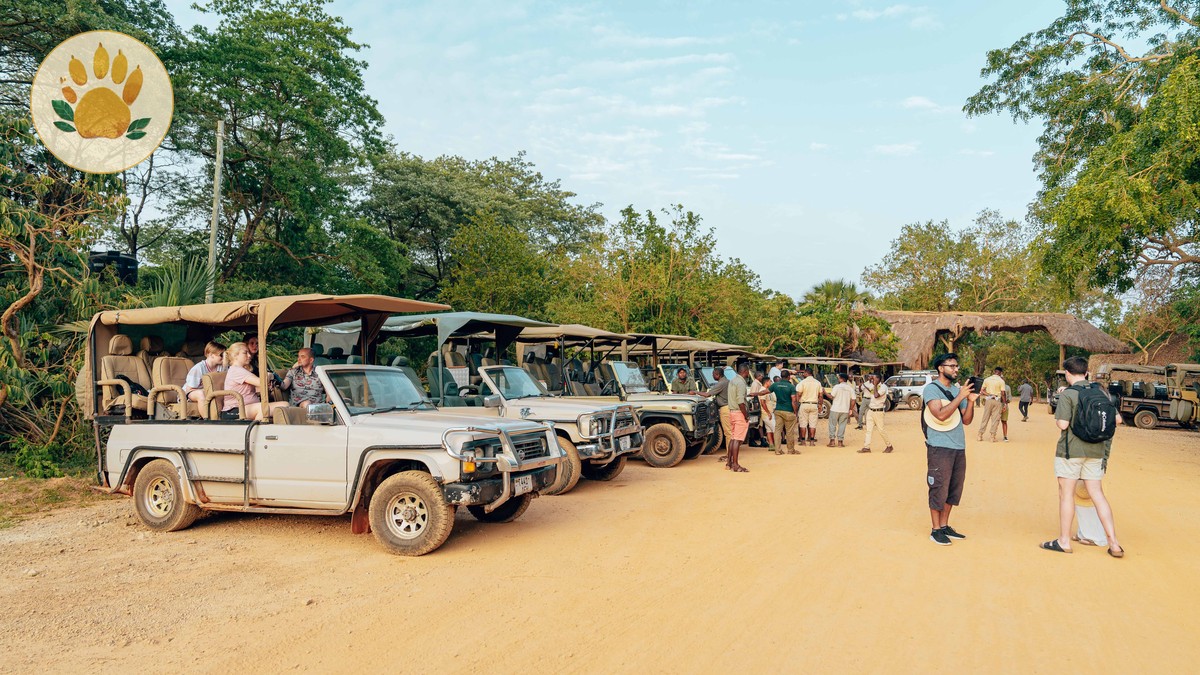
Travel time also shapes meals. Most first-time families fly from Wilson Airport in Nairobi to Kichwa Tembo Airstrip in the Mara, about 45 minutes. By road, Nairobi to Sekenani Gate is about 275 kilometers and takes five to six hours. The slower route gives you a view of the Great Rift Valley, but it is a long day for small children.
Keep antimalarial tablets with breakfast so the morning dose is not forgotten.
Kid-Friendly Foods and Handling Picky Eaters
Children usually have reliable options such as eggs, toast, pancakes, cereal, fruit, rice, pasta, potatoes, sandwiches, fries, and simple chicken. Parents should still pack familiar snacks for the vehicle. Remote camps may not have the exact brands or textures a child prefers. Give the camp specific dislikes, not only the phrase picky eater.
Kenya safari food for kids does not need to be unusual. At a buffet, a child can build a plate from plain rice, buttered pasta, grilled chicken, and sliced fruit. Breakfast tends to be the easiest meal because camps stock cereal, yogurt, pancakes, and fresh bread.
The honest trade-off is supply. A lodge in Amboseli or Lake Nakuru can restock almost daily. A small conservancy camp, such as Kicheche Bush Camp in Mara North, flies supplies in less often. If your child relies on a specific snack, bring it from home.
Pack a zip-top bag of crackers, dried fruit, granola bars, or biscuits for every drive. A hungry child makes the second half of a game drive noisy.
Picky eaters on safari: what to tell the kitchen
When a parent says my child is picky, the kitchen does not know what that means. Give details instead. Write: my daughter will eat plain scrambled eggs, white rice, apple slices, and bread with butter. Most camps can make simple substitutions if they know before arrival.
Allergies, Vegetarian Meals, and Special Diets
Safari kitchens can usually provide vegetarian, vegan, and allergy-aware meals when notified early. Remote camps need more planning than city hotels. Report each allergy and its severity when booking. Reconfirm 48 hours before arrival. Allow at least 72 hours for remote conservancy camps, and longer for specialty ingredients.
Kenya safari food allergies need more than a short note on a booking form. If your child has a nut allergy, coeliac disease, or lactose intolerance, write out the exact allergen and the severity. Mention cross-contact. A spoon used for peanuts matters as much as the peanut itself.
Vegetarian families are easy for most camps to serve. Lentil stews, vegetable curries, chapati, rice, and salads are common in Kenyan kitchens. Vegan and gluten-free menus are possible with notice. For a birthday cake, tell the camp at least a week ahead.
Camps in remote conservancies need extra lead time. At a place like Olarro Plains in the Mara North Conservancy, the kitchen may fly in specific flour or dairy-free milk. Plan ahead and you will not spend your safari arguing about toast.
Safari Meal-Plan Costs and What Drinks or Snacks Cost Extra
Budget full-board camps may require roughly USD 10 to USD 15 per person daily for extras. Mid-range camps may require USD 15 to USD 25. Luxury all-inclusive properties often include standard drinks and snacks. Alcohol, sodas, premium wine, specialty beverages, and laundry are common exclusions.
Compare the meal plan, not just the nightly rate. A full-board camp at USD 250 per night may add USD 20 for two sodas, one beer, and bottled water. An all-inclusive camp at USD 400 may charge nothing for the same order.
| Camp category | Example camp | Location | Meal plan | Extra per person per day |
|---|---|---|---|---|
| Budget full board | Masai Sopa Lodge | Masai Mara National Reserve | Full board | USD 10-15 (indicative) |
| Mid-range full board | Kibo Safari Camp | Amboseli National Park | Full board | USD 15-25 (indicative) |
| Mid-range full board | Sarova Mara Game Camp | Masai Mara National Reserve | Full board | USD 15-25 (indicative) |
| Luxury all-inclusive | Olarro Plains | Mara North Conservancy | Fully inclusive | Usually none |
Use these ranges as a planning tool, not a quote. Rates change by season and property. Ask for a written list of what is extra before you book.
Park and conservancy fees sit outside the meal plan. As of August 2026, non-resident entry to Amboseli National Park is USD 90 per adult per day. Lake Nakuru National Park is also USD 90. Tsavo East and West are USD 80. Masai Mara National Reserve is county-run, not a KWS park. It charges USD 100 from January to June and USD 200 from July to December. In Naboisho and Mara North Conservancies, fees are usually bundled into the lodge rate at roughly USD 80 to USD 150 per person per night.
Packed Lunches, Bush Meals, and Camp Dining Logistics
Packed lunches are standard when a family spends midday away from camp. Guests staying on-site usually eat a buffet or a plated meal. Tell the operator about long-drive days, young children, and food allergies in advance. The kitchen can then prepare portable portions, safe packaging, and familiar alternatives without disrupting the game-drive schedule.
A packed lunch game drive needs a sturdy box or bag. Camps usually provide a carton with a sandwich, a boiled egg, fruit, a biscuit, juice, and water. Ask for the sandwich on separate bread slices if a child only eats the filling.
Bush breakfasts are a highlight of conservancy stays. The camp loads a vehicle with a table, a hot box of eggs and bacon, pastries, and tea. The kitchen works overnight and packs everything before sunrise.
Reusable bottles are worth the space in your suitcase. Read our guide on where safari guests can refill water safely so you know which camps filter their water.
Meal times are also the easiest moment to charge phones and cameras. Read how safari camps handle power banks before you pack. Most camps keep charging points in the lounge.
Frequently Asked Questions
What meals are included in a Kenya safari?
Full board normally includes breakfast, lunch, and dinner, plus tea and coffee. Lunch may be served at camp or packed for a game drive. Sodas, alcoholic drinks, premium beverages, and some bottled water are often extra.
What do children eat on a Kenya safari?
Children can usually choose familiar foods such as eggs, toast, pancakes, cereal, fruit, pasta, rice, potatoes, sandwiches, and simple meat dishes. Pack a few preferred snacks for drives because remote camps may have limited supplies.
Can safari camps accommodate picky eaters?
Most camps can make simple substitutions if parents provide specific preferences before arrival. Explain exactly what the child will eat, such as plain rice, scrambled eggs, or fruit, rather than saying only that the child is picky.
Can safari camps handle food allergies?
Many camps can accommodate allergies when they receive advance notice, but remote properties may need extra time to source substitute ingredients. Provide the exact allergen, cross-contact concerns, and severity when booking, then reconfirm before the safari.
Are drinks included in a Kenya safari?
Tea and coffee are commonly included with full board, while sodas, alcohol, specialty drinks, and some bottled water may be charged separately. Ask for a written list of included drinks because policies vary by camp category and meal plan.
The SafariPure Difference
SafariPure plans family trips with the kitchen in mind, not just the game drive. We match camps to your children’s eating habits, confirm special diets in writing, and check meal plan inclusions before you book. We also choose flights and drive times so meals land at sensible hours.
When you travel with SafariPure, you get a single itinerary that links full board meals, packed lunches, conservancy fees, and park fees. We go over the extra costs openly, so checkout brings no surprise. Families who plan this way eat well, skip the snack meltdowns, and get back to the reason they came: time in the wild, done properly.
Plan the Trip With SafariPure
Ready to plan a safari your children will eat their way through? SafariPure can match you with the right camps, build a meal schedule that fits your family’s rhythm, and handle every dietary request before you fly. Start with our family safari tours, or contact us to talk through your children’s food needs.