Planning a Kenya safari is exciting. But the cost questions can feel overwhelming. How much per day? What is included? Do I need cash or can I use Alipay?
This Kenya safari costs guide for Mandarin speakers answers those questions with real numbers. It uses 2026 prices, verified in July 2026. It focuses on what matters to Mandarin-speaking travelers, including the cost of a Mandarin-speaking guide and flights from China.
You will get a clear picture of what a safari costs. You will also learn how to save money without missing the experience.
Kenya Safari Costs Guide for Mandarin Speakers: The Quick Answer
A Kenya safari costs between USD 250 and USD 1,500 per person per day. The final price depends on your comfort level, the season, and whether you share the vehicle.
Here is the simple range in RMB for context. At an exchange rate of about 7.2 RMB per USD, that is roughly CNY 1,800 to CNY 10,800 per day.
Most first-time travelers choose the mid-range tier. It balances comfort and value. You sleep in a permanent tent with a real bed, eat good food, and share a safari vehicle with no more than six people.
Private safaris cost more. Group tours cost less. The trade-off is usually the language of your guide and the flexibility of your schedule.
Cost by Safari Tier: Budget vs Mid-Range vs Luxury
Your daily rate covers the big three: accommodation, meals, and game drives in a 4×4 vehicle.
| Tier | Price per person per night (USD) | Example Camps or Lodges | What You Get |
|---|---|---|---|
| Budget | USD 150 – 250 | Kimana Amboseli Camp (Amboseli), Manyatta Camp (Masai Mara) | Basic tent, shared bathroom sometimes, group vehicle up to 8 people, included meals |
| Mid-Range | USD 300 – 500 | Olare Mara Camp (Masai Mara), Kibo Safari Camp (Amboseli) | Permanent tent or lodge room, private bathroom, vehicle with max 6 people, all meals |
| Luxury | USD 600 – 1,200 | Angama Mara (Masai Mara), Ol Donyo Lodge (Chyulu Hills) | Large suite, private plunge pool sometimes, private vehicle, gourmet meals, drinks included |
These prices are per person per night. They include park fees in most cases, but confirm that. Some lodges list their rates without park fees.
The Masai Mara has the highest park fee at USD 200 per adult per day. This applies from July to December. From January to June, it drops to USD 100.
Amboseli National Park charges USD 90 per adult per day. Lake Nakuru also charges USD 90. Tsavo East and Tsavo West charge USD 80 each.
Private conservancies like Naboisho and Mara North are different. They bundle the fee into the lodge rate. Expect to pay an extra USD 80 to USD 150 per person per night at these camps, on top of the base rate.
Group Safari vs Private Safari: The Real Cost Difference
This is the most important decision for Mandarin-speaking travelers. It directly affects your budget and your experience.
A shared group safari is cheaper. You join a set itinerary with people from around the world. The guide speaks English. You have fixed departure dates and a fixed route.
A private safari costs more. You get your own vehicle and your own guide. You choose when to wake up and where to spend extra time. If you want a Mandarin-speaking guide, you must book a private safari.
| Feature | Group Safari | Private Safari (with Mandarin Guide) |
|---|---|---|
| Price per person per day | USD 250 – 350 | USD 400 – 600 |
| Guide language | English only | Mandarin or English |
| Vehicle | Shared, up to 8 guests | Private, 1 to 6 guests |
| Daily schedule | Fixed | Flexible |
| Park fee included | Usually yes | Usually yes |
| Example 7-day total (per person) | USD 2,100 | USD 3,500 |
The price gap is real. A private safari with a Mandarin-speaking guide costs roughly 60 to 70 percent more than a group safari.
But you get a guide who explains everything in your language. You get the ability to stop for a lion sighting without asking permission. You get a pace that suits you.
Many Chinese travelers on our trips tell us the extra cost is worth it. They understand the wildlife, the culture, and the history better. They do not rely on a translation app.
Flights from China: What They Add to Your Budget
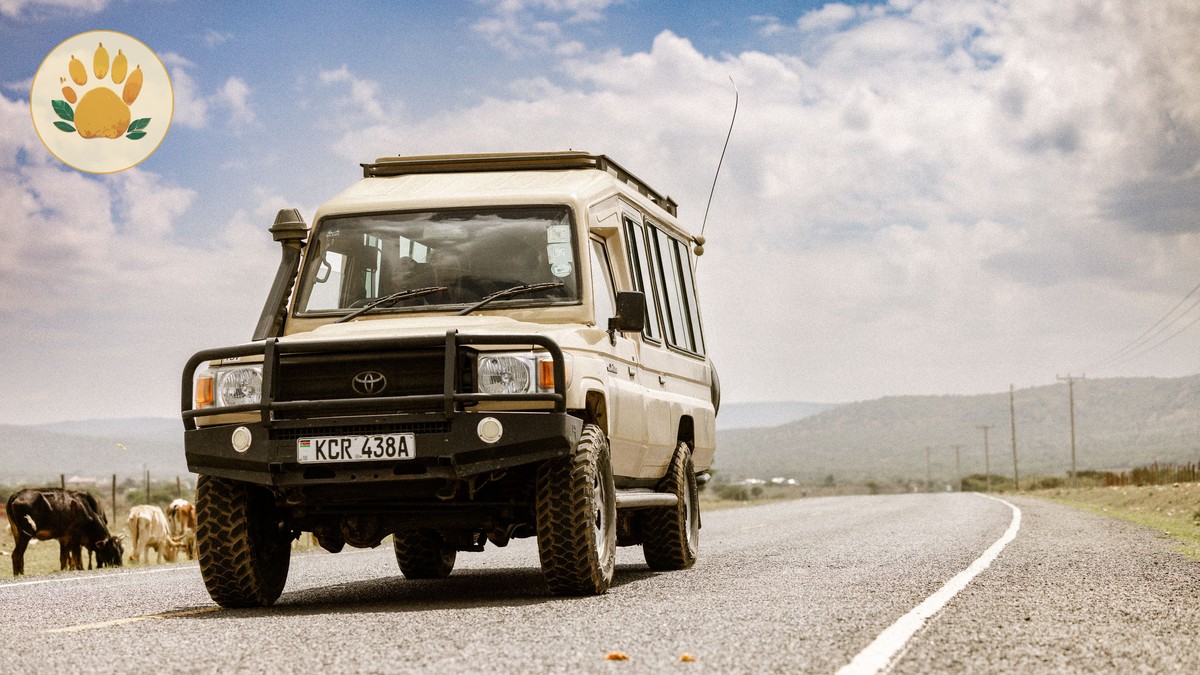
There are no direct flights from Beijing, Shanghai, or Guangzhou to Nairobi yet. You will connect through Doha, Dubai, or Addis Ababa.
These are the realistic routing options:
- Guangzhou to Nairobi via Doha on Qatar Airways: about 15 hours total flying time
- Shanghai to Nairobi via Dubai on Emirates: about 16 hours total
- Beijing to Nairobi via Addis Ababa on Ethiopian Airlines: about 17 hours total
Round-trip economy tickets from China cost between USD 800 and USD 1,400. In RMB, that is roughly CNY 5,800 to CNY 10,000.
Book early to get the lower price. Chinese school holidays and the mid-summer peak season push prices up.
If you fly into Nairobi, you land at Jomo Kenyatta International Airport. From there, you can fly to the Masai Mara on a small plane. That internal flight costs around USD 200 to USD 300 per person each way. The flight takes about 45 minutes. By road, the drive takes 5 to 6 hours.
For a 7-day safari, add these flight costs to your safari budget. The total trip price includes international flights, internal flights, and the safari package.
What Is Included vs What Is Not
Every safari package includes the basics. But not every package includes everything. You need to read the fine print.
Most packages include:
- All meals and accommodations during the safari
- Game drives in a 4×4 vehicle
- Park and conservancy fees
- A professional guide
- Bottled water in the vehicle
- Pickup and drop-off at your Nairobi hotel or the airport
Most packages do NOT include:
- International flights
- Kenya eTA visa (USD 34 per person, paid online before arrival)
- Tips for guides and lodge staff
- Alcoholic and soft drinks (sometimes included in luxury camps)
- Hot air balloon safari (around USD 450 to USD 500 per person)
- Travel insurance
- Laundry services
- Optional activities like a Maasai village visit (typically USD 20 to USD 50)
The eTA is mandatory. Apply online at least a week before travel. Our Kenya eTA visa guide for Mandarin speakers explains the process step by step.
Seasonal Pricing: When to Go for Lower Prices
Kenya has two main seasons for pricing. The green season (low season) runs from March to June. The dry season (high season) runs from July to October.
| Season | Months | Masai Mara Fee (per adult/day) | Safari Price Impact |
|---|---|---|---|
| Green Season (low) | March to June | USD 100 | 20-30% lower than peak |
| Shoulder | January to February, November | USD 100 | 10-15% lower |
| Peak Migration Season | July to December | USD 200 | Full price, high demand |
The Great Migration river crossings happen from July to October. This is when the Masai Mara is busiest. Prices are highest and camps fill up months in advance.
If you want lower prices, come in June or November. The weather is still good. The grass is short enough for wildlife viewing. You avoid the crowds and the peak season fees.
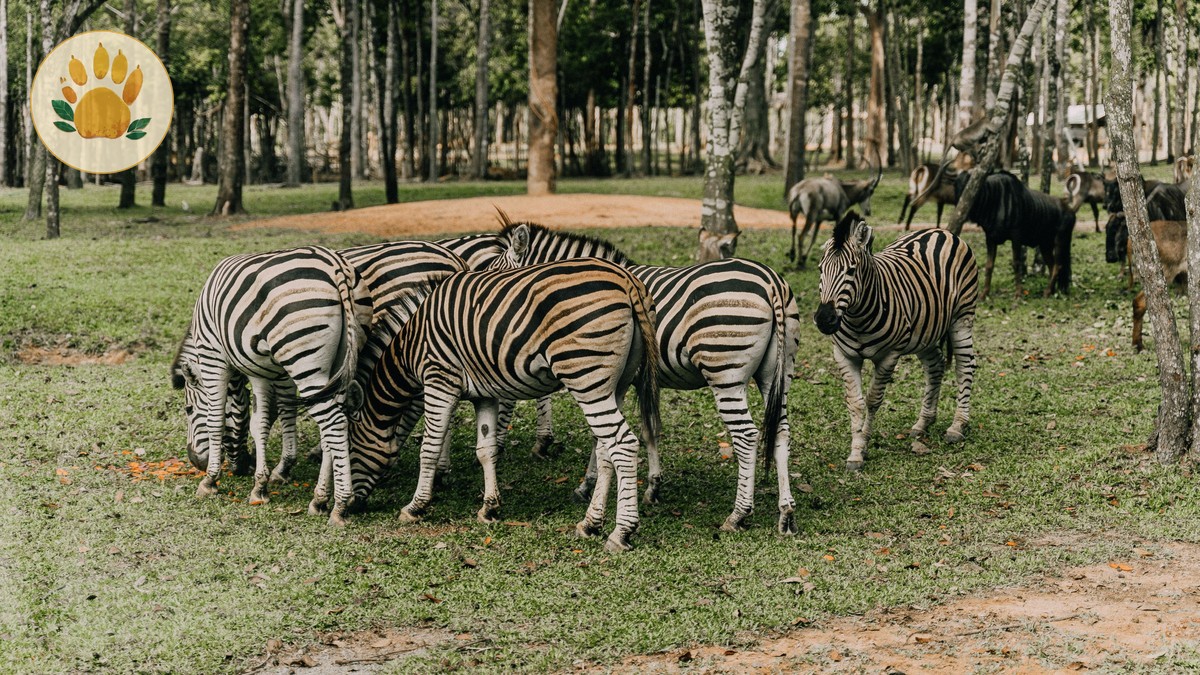
One note: the famous wildebeest migration is a year-round event. The herds are always somewhere in the Mara-Serengeti ecosystem. You will see wildebeest and zebra in every month.
Parks and Conservancy Fees: The Exact Numbers
Park fees are a significant part of your daily cost. Here are the current non-resident rates, effective since October 2025.
| Park or Reserve | Fee per Adult per Day (USD) | Notes |
|---|---|---|
| Masai Mara National Reserve | USD 100 (Jan-Jun), USD 200 (Jul-Dec) | County-run, not KWS |
| Amboseli National Park | USD 90 | KWS park |
| Lake Nakuru National Park | USD 90 | KWS park |
| Tsavo East or West | USD 80 | KWS park |
| Nairobi National Park | USD 80 | KWS park |
| Chyulu Hills National Park | USD 40 | KWS park |
| Naboisho Conservancy | USD 80-150 | Bundled into lodge rate |
| Mara North Conservancy | USD 80-150 | Bundled into lodge rate |
These fees add up. For a 3-day stay in the Masai Mara during August, the fee alone is USD 600 per person. That is before accommodation, food, and the guide.
Children under 12 often pay half price. Confirm this when booking.
Sample 7-Day and 10-Day Itinerary Costs
Let us put real numbers on a typical trip. These examples include accommodation, meals, park fees, and game drives. They do not include international flights or tips.
7-Day Mid-Range Safari (with Mandarin Guide)
- Day 1-2: Nairobi to Amboseli (4 hours drive). Stay at Kibo Safari Camp.
- Day 3-4: Amboseli to Lake Nakuru (5 hours drive). Stay at a lodge near the lake.
- Day 5-7: Lake Nakuru to Masai Mara (5 hours drive). Stay at Olare Mara Camp.
Total cost per person: USD 3,200 to USD 3,800. In RMB, that is roughly CNY 23,000 to CNY 27,400.
10-Day Luxury Safari (with Mandarin Guide)
- Day 1-2: Nairobi to Amboseli. Stay at Ol Donyo Lodge.
- Day 3-4: Amboseli to Chyulu Hills (1 hour drive). Stay at a luxury tented camp.
- Day 5-7: Chyulu Hills to Masai Mara (flight via Nairobi, about 1.5 hours). Stay at Angama Mara.
- Day 8: Masai Mara to Naboisho Conservancy (30 minute drive). Stay in the conservancy.
- Day 9-10: Return to Nairobi.
Total cost per person: USD 7,500 to USD 9,000. In RMB, that is roughly CNY 54,000 to CNY 65,000.
These are realistic figures for 2026. The exact price depends on the camp, the season, and availability.
Payment and Cash: UnionPay, Alipay, and What to Bring
This is a common question from our Mandarin-speaking guests. The answer is simple.
In Nairobi, large hotels and some high-end restaurants accept credit cards. Visa and Mastercard work widely. UnionPay is accepted at some major banks and hotels, but not everywhere.
Alipay and WeChat Pay are not commonly accepted in Kenya. Do not rely on them for safari payments. You will need cash or a credit card.
For the safari itself, pay the tour operator in advance by bank transfer or credit card. SafariPure accepts international bank transfers. We will confirm the details with you personally.
Carry cash for tips, small purchases, and drinks. The local currency is the Kenyan Shilling (KES). US Dollars are also accepted in many places, especially for park fees and tips.
For a 7-day safari, bring about USD 200 to USD 300 in cash per person. Split it between small bills (USD 5 and USD 10) for tips and larger bills for emergencies. You can change money at the airport or at banks in Nairobi.
Tipping is expected. A common guideline is USD 10 to USD 15 per person per day for the guide, and USD 5 to USD 10 per day for the lodge staff. This is a big part of their income.
Money-Saving Tips That Work
You do not need to spend luxury prices for a great safari. Here are honest ways to reduce costs.
- Travel in the green season (June or November). Save 20 to 30 percent on everything.
- Choose camps on the edge of the park, not inside it. The wildlife is the same, the price is lower.
- Book a group safari if you are comfortable with English. This is the single biggest saving. Our Kenya safari costs guide for Cantonese speakers has a similar breakdown if you prefer that dialect.
- Skip the luxury camp drinks package. Bring your own water in the vehicle.
- Fly into Nairobi and start your safari the same day. Save on a night of Nairobi hotel.
- Book internal flights between parks instead of long drives. It costs more, but it saves days of your time.
One warning: do not pick the absolute cheapest option. A very cheap safari often means a crowded vehicle, a tired guide, and a worn-out car. A broken vehicle can ruin your trip.
The SafariPure Difference
SafariPure is a Kenyan tour operator with a simple focus. We specialize in private safaris for Mandarin-speaking travelers. Every one of our guides is fluent in Mandarin and English.
We do not run group tours with set departure dates. We build each safari around you. You choose the pace, the parks, and the camps. Your guide stays with you the whole trip.
Our prices are honest. We quote the same rates we charge. You will not discover hidden fees at the end. We include park fees in most packages and tell you exactly what is extra.
We know the roads, the camps, and the wildlife patterns. Our guides grew up here. They know where the leopard hides in the Olare Orok area. They know the shortcut to avoid traffic in Nairobi.
Many of our guests come from China, Hong Kong, and other Mandarin-speaking regions. You can read their feedback in our SafariPure reviews from Mandarin-speaking travelers. They talk about the language support, the safety, and the quality of the guiding.
A private safari costs more than a group tour. That is the trade-off. But you are paying for clarity, safety, and a guide who speaks your language. For many travelers, that is worth every extra RMB.
Your Next Step
A Kenya safari is a significant investment. The range is wide, from budget friendly to ultra luxury. The good news is that every tier delivers the same core experience: you are in the wild, watching animals in their natural home.
Start by deciding the balance between price and comfort. Then think about whether a Mandarin-speaking guide is essential for you. For most of our guests, it is.
When you are ready, we can help you plan the details. We will recommend the right camps for your budget, arrange the flights, and handle the park fees. You just need to pack.
Contact SafariPure to plan your trip. We will respond in Mandarin and answer every question.