The Masai Mara National Reserve sits in southwestern Kenya, roughly 270 km from Nairobi, where the Great Rift Valley grassland meets the Tanzanian border. It covers about 1,510 square kilometers, and together with the neighboring conservancies, the wider Mara ecosystem stretches past 4,000 square kilometers. This Masai Mara National Reserve guide gives you the numbers you need before you commit a deposit: fees, distances, seasons, and a straight answer on where to stay.
Masai Mara National Reserve Guide: What Makes the Mara Different
The reserve is short-grass savanna cut by the Mara River and the Talek River, with acacia woodland along the drainages. It is administered by the Narok County Government, not the Kenya Wildlife Service. That matters because fees and rules here differ from Kenya’s national parks. The terrain is open enough that game viewing is reliable most of the year, which is part of why the Mara anchors so many first Kenya trips.
Wildlife and Predator Density
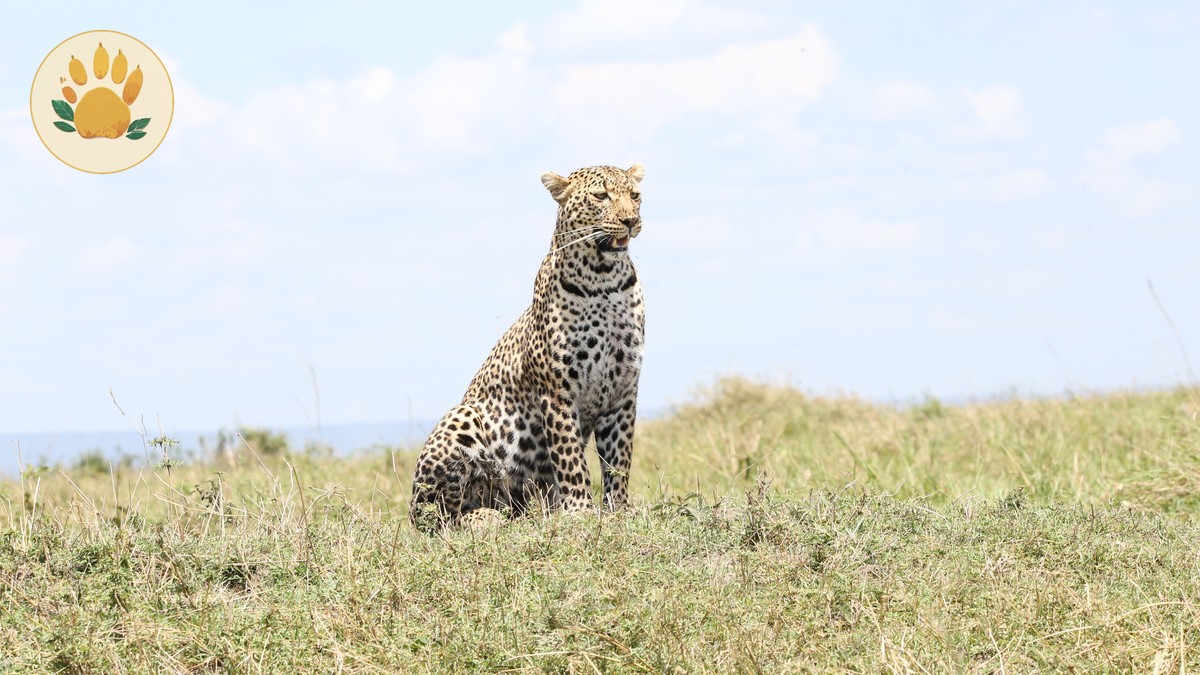
The Mara holds one of the highest lion densities in Africa, alongside healthy numbers of leopard, cheetah, and spotted hyena. Elephant and buffalo move through in large herds, and rhino rounds out the Big Five alongside lion and leopard. Rhino numbers are much lower and sightings are not guaranteed. For a closer look at the pride count and what drives it, see our breakdown of how many lions live in the Masai Mara.
The Great Wildebeest Migration
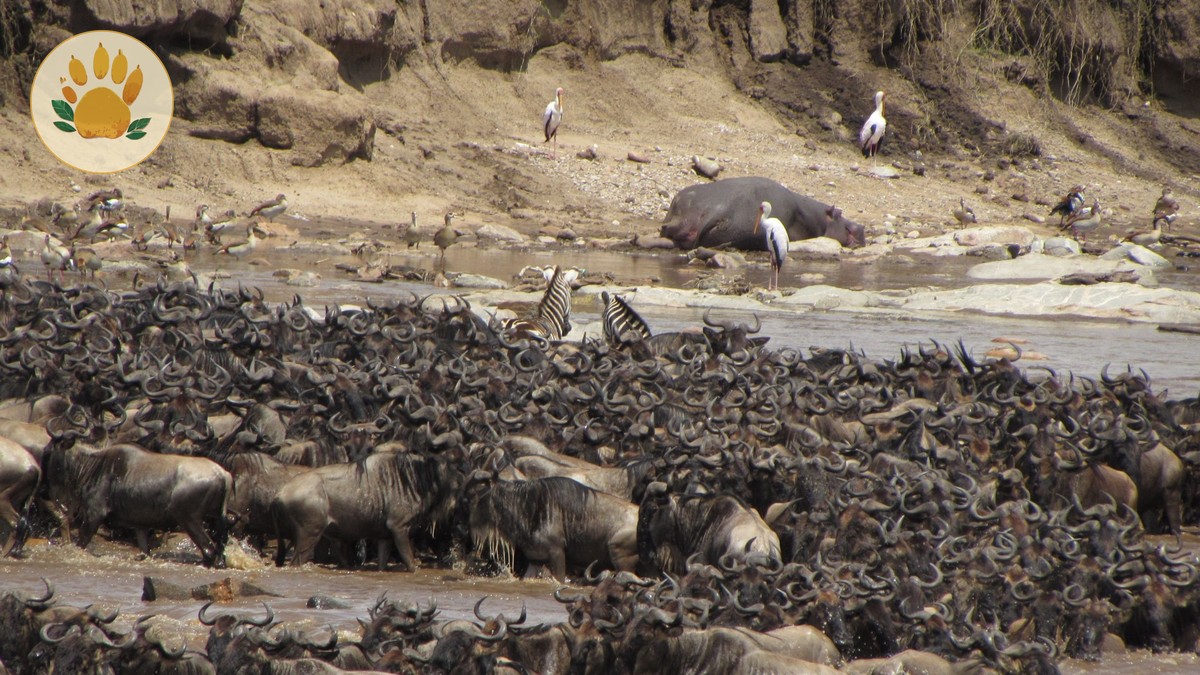
Between roughly July and October, over a million wildebeest and hundreds of thousands of zebra cross from Tanzania’s Serengeti into the Mara, drawn by fresh grass after the rains. The river crossings at the Mara River and Talek River draw the crowds, but timing shifts year to year with rainfall. We cover exact crossing windows in our piece on wildebeest migration timing between the two countries.
Best Time to Visit
July through September brings the migration and the driest, easiest game viewing, but also the highest prices and fullest camps. January to March offers green scenery, newborn wildlife, and thinner crowds, at half the park fee. April and May are the long rains, with some camps closing and roads turning heavy with mud. If you want the river crossings, plan for August or September and book camps close to the Mara River at least six months out.
2026 Entry Fees and Park Rules
Fees are set by Narok County and change with the season. Rates below are per adult, per day, for non-residents.
| Park or Reserve | Managing Authority | Non-resident Adult Fee (per day) | Notes |
|---|---|---|---|
| Masai Mara National Reserve | Narok County Government | USD 100 (Jan-Jun) / USD 200 (Jul-Dec) | Highest fee coincides with migration season |
| Amboseli National Park | Kenya Wildlife Service | USD 90 | Year-round rate |
| Lake Nakuru National Park | Kenya Wildlife Service | USD 90 | Year-round rate |
| Tsavo East / Tsavo West | Kenya Wildlife Service | USD 80 | Year-round rate |
| Nairobi National Park | Kenya Wildlife Service | USD 80 | Year-round rate |
| Chyulu Hills National Park | Kenya Wildlife Service | USD 40 | Year-round rate |
Gates open around 6 am and close at 6 pm, and rangers enforce these hours strictly. Off-road driving is restricted to licensed guides in most zones, and drones are banned without a county permit. Children’s rates and multi-day passes vary by camp booking, so confirm the exact figure with your operator before you travel.
How to Get There: Fly or Drive
Most first-time visitors choose between a scheduled flight and a road transfer from Nairobi.
| Option | Distance / Route | Time | Approx. Cost (one way, per person) |
|---|---|---|---|
| Scheduled flight (Wilson Airport to a Mara airstrip) | Nairobi to Keekorok, Ol Kiombo, or Musiara airstrip | 45 minutes | USD 250-450 (indicative range) |
| Private road transfer | Nairobi to Sekenani Gate via Narok town | 5-6 hours | USD 150-300 for the vehicle (indicative range) |
| Self-drive (4×4 recommended) | Nairobi to Sekenani Gate via Narok town | 5-6 hours | Fuel and vehicle hire vary widely |
Flying saves the better part of a day and skips the last stretch of rough murram road past Narok. For a full cost and time comparison, read our guide to flying from Nairobi to the Masai Mara.
Gates and Getting Around
The reserve has several entry points, each suited to a different camp cluster. Sekenani Gate, on the eastern boundary, is the closest to Nairobi by road and sits near Keekorok. Talek Gate serves camps along the Talek River and borders the Naboisho and Mara North conservancies. Sand River Gate sits on the Tanzanian border, used mostly by travelers crossing between the Serengeti and the Mara. Musiara Gate serves camps near the Mara River in the Musiara Marsh area, a strong migration-season base. Oloololo Gate, on the western escarpment, serves lodges with sweeping views over the plains, including the area near Angama Mara. Choose your gate based on where your camp sits, since driving between clusters inside the reserve can take over an hour.
Where to Stay: Reserve Camps vs. Private Conservancies
This is the decision that shapes your whole trip. Camps inside the reserve boundary put you closest to the highest game densities and the river crossings, but you share sightings with other vehicles and cannot go on walking safaris or night drives. Camps in the private conservancies bordering the reserve, such as Mara North, Naboisho, and Olare Motorogi, cost more per night. In exchange, you get off-road driving, night drives, and walking safaris, with far fewer vehicles per sighting.
| Location | Example Camp | Price Tier (per person/night, indicative) | What You Get |
|---|---|---|---|
| Reserve, near Musiara Gate | Governors’ Camp | USD 500-750 | Classic reserve tented camp, strong migration access |
| Reserve, central | Mara Serena Safari Lodge | USD 350-500 | Hilltop lodge overlooking the Mara River |
| Mara North Conservancy | Elephant Pepper Camp | USD 700-950 | Night drives, walking safaris, low vehicle density |
| Naboisho Conservancy | Kicheche Bush Camp | USD 650-900 | Exclusive-use conservancy, small camp |
| Oloololo Escarpment | Angama Mara | USD 900-1,300 | Escarpment views, conservancy-style access rules |
Conservancy rates typically bundle the conservancy fee into the nightly rate, in the range of USD 80-150 per person per night, on top of accommodation. If this is your first Mara trip and budget is tight, one or two nights in the reserve plus two nights in a conservancy is a reasonable split.
Activities
Game drives run at dawn and again in the late afternoon, timed around when predators are most active. Hot-air balloon safaris launch before sunrise and cost roughly USD 450-550 per person, ending with a champagne breakfast on the plains. Walking safaris and night drives are not permitted inside the national reserve itself, only in the surrounding conservancies, which is one of the clearer reasons to add a conservancy leg to your itinerary.
Climate and Packing
Days are warm, typically 25-28°C, and nights drop to 10-14°C, cold enough for a fleece on an early game drive. Pack neutral colors, a light rain jacket for the shoulder seasons, and binoculars. The Mara sits at low malaria risk, and most clinics recommend prophylaxis. Confirm current guidance with a travel health provider before you go, since recommendations do change.
The SafariPure Difference
We build Mara itineraries around your dates and budget, not a fixed package. That means checking actual migration reports before locking in a river-crossing camp. It means matching your gate to your flight schedule. And it means being honest when a conservancy stay will serve you better than a reserve camp, even if it costs more. We would rather tell you a camp is fully booked in September than sell you a compromise and call it ideal.
FAQ
How many days do you need in the Masai Mara? Three nights is the practical minimum to see a range of habitats and allow for a slow morning if weather delays a drive.
Is it better to stay in the reserve or a conservancy? The reserve gives you proximity to the highest game densities and river crossings. Conservancies give you walking safaris, night drives, and fewer vehicles per sighting, at a higher nightly rate.
What is the difference between the Masai Mara and the Serengeti? They are one connected ecosystem split by the Kenya-Tanzania border. The Mara is smaller and denser with predators; the Serengeti is far larger and hosts the migration for more of the year.
Is the Masai Mara safe for travelers? Yes, for travelers who stay with licensed operators and follow camp guidance on wildlife distance and after-dark movement.
Which gate should I use? Match the gate to your camp. Sekenani for eastern camps near Keekorok, Musiara for camps near the Mara River, Talek for conservancy-border camps, and Oloololo for western escarpment lodges.
Plan Your Mara Trip
If you want a Mara itinerary built around real dates, real fees, and camps that match your budget, talk to us on our contact page and we will put together options before you book anything.