Here is Kenya national park entry fees explained, park by park, using the rates the Kenya Wildlife Service set after its October 2025 revision. KWS regrouped every KWS-managed park into seven new categories: Premium, Urban, Wilderness, Mountain, Scenic, Special Interest, and Marine. Most guides written before that date still quote the old numbers. If you are budgeting a 2026 trip, the figures below reflect the current rates, not the pre-revision listicles still circulating online.
This matters because park fees are one of the few safari costs you cannot negotiate around. They are set by the managing authority, charged per person per day, and enforced at the gate. Getting them wrong throws off a whole trip budget.
Who actually sets the fee: KWS, county government, or a private conservancy
Not every park in Kenya is run by the same body, and that changes both the price and how you pay.
Kenya Wildlife Service manages the national parks: Amboseli, Tsavo East, Tsavo West, Lake Nakuru, Nairobi, Chyulu Hills, Meru, Aberdare, and others. These fall under the new seven-category structure and are paid through the eCitizen portal or at KWS gates.
The Masai Mara National Reserve is not a KWS property. It is administered by the Narok County Government, and it runs its own fee schedule, payment system, and rules. This trips up a lot of first-time visitors who assume one national system covers the whole country.
Private conservancies, like Ol Pejeta, Naboisho, and Mara North, set their own conservancy fees separately again. These are usually bundled into the nightly lodge rate rather than charged at a gate. You can read more in Ol Pejeta’s own conservancy fees and Nashulai Community Conservancy’s fee and access rules. Both operate outside the KWS system entirely.
Visitor categories: citizen, resident, non-resident
Every KWS and Mara fee is tiered by visitor status. Kenyan citizens pay the lowest rate, East African residents (Kenya, Uganda, Tanzania, Rwanda, Burundi, South Sudan) pay a middle rate, and non-residents pay the highest. Most first-time international travelers will pay the non-resident rate, which is what this guide focuses on.
Kenya national park entry fees explained by park
| Park or reserve | Managing body | Distance from Nairobi | Typical drive time | Non-resident fee (adult/day) |
|---|---|---|---|---|
| Masai Mara National Reserve | Narok County | 270 km | 5 to 6 hours | USD 100 (Jan-Jun), USD 200 (Jul-Dec) |
| Amboseli National Park | KWS | 240 km | 4 hours | USD 90 |
| Lake Nakuru National Park | KWS | 160 km | 2.5 hours | USD 90 |
| Tsavo East National Park | KWS | 330 km | 4.5 hours | USD 80 |
| Tsavo West National Park | KWS | 240 km | 4 hours | USD 80 |
| Nairobi National Park | KWS | 10 km | 20 to 30 minutes | USD 80 |
| Chyulu Hills National Park | KWS | 250 km | 4.5 hours | USD 40 |
These are gate fees only. Vehicle fees, camping fees, and activity fees are charged on top, and are covered below.
Why the Mara costs double after July
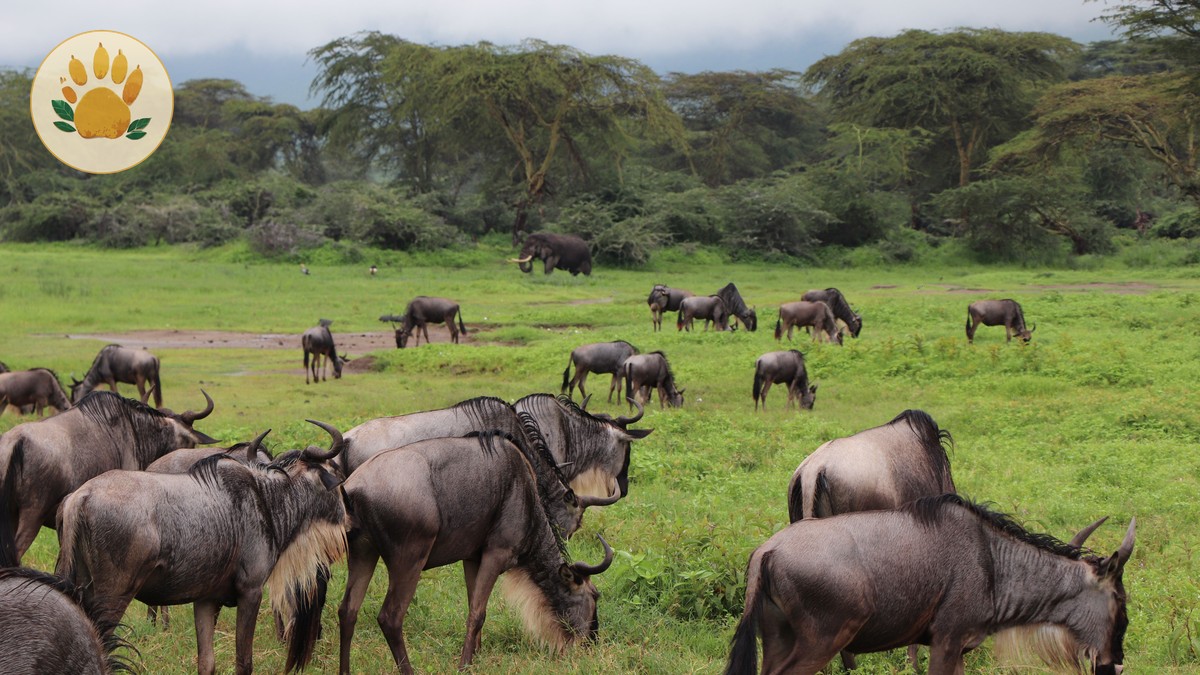
The Mara’s fee jumps from USD 100 to USD 200 per adult per day between July and December, when the wildebeest migration crosses the Mara River. It is the single biggest seasonal swing of any Kenyan park. A family of four visiting for three days in August pays USD 2,400 in reserve fees alone, versus USD 1,200 for the same stay in April. If your itinerary has flexibility, shift a Mara visit into the January to June window. That is the clearest way to cut cost without cutting quality of sightings, since resident wildlife is present year-round even without the migration.
How to pay
KWS fees are paid through the eCitizen portal before arrival, using a Safari Card linked to your booking, or by card at the gate where readers are working. Card readers in remote parks, particularly Tsavo East and Tsavo West, fail often enough that it is worth carrying a funded eCitizen balance rather than relying on gate payment.
Masai Mara fees are paid separately through the Narok County system, either via your tour operator, at the gate by card, or by M-Pesa where signal allows. M-Pesa is the most reliable fallback at Mara gates when card machines are down, more so than at KWS parks. Keep enough mobile money loaded if you are self-driving.
Cash payment is being phased out across most gates and should not be your primary plan.
Vehicle fees and self-drive rules
Vehicle entry is charged separately from the per-person fee, usually a flat rate per vehicle per day based on seating capacity. Self-drive visitors need to confirm their vehicle fee category before arrival, since underpaying at the gate can mean turning back to sort out the difference. Guided vehicles run through a tour operator typically have this built into the trip cost already.
Camping and activity fees
Camping is never included in the park entry fee. Public campsites inside KWS parks charge a separate nightly fee per person, and special campsites cost more again. Activities like balloon safaris, guided walking safaris, and ranger escorts in areas that require one are all billed on top of the gate fee. If you are planning a lower-cost trip, budgeting a camping safari around these entry fees is worth doing before you commit to a route. Camping fees and park fees stack daily, and that adds up faster than most first-time visitors expect.
Children, students, and families
Children typically pay a reduced rate at both KWS parks and the Mara, usually roughly half the adult non-resident fee. Exact child cut-off ages vary by park and should be confirmed at booking. Students with valid identification sometimes qualify for reduced rates at KWS parks. There is no blanket family package at most parks, so a family budget is simply the sum of each member’s category rate.
The 24-hour trap and the Mara’s 6am-6pm window
KWS parks generally run entry on a 24-hour cycle from the time you enter, so a same-time exit the next day avoids a second charge. The Mara works differently. Gate hours run 6am to 6pm. Arriving shortly after a morning entry but staying past 6pm can push you into a second day’s fee, regardless of how many hours you actually spent inside. Afternoon arrivals into the Mara are the most common way first-time visitors end up paying for a day they barely used.
Are fees refundable if plans change?
Both KWS and Narok County treat entry fees as generally non-refundable once paid, though cancellation terms attached to a tour booking may differ from the raw gate fee policy. Confirm this with whoever is handling your payment before assuming a refund is possible.
National park vs national reserve vs conservancy
A national park, like Amboseli or Tsavo, is fully protected land under KWS with no human settlement inside. A national reserve, like the Masai Mara, is managed at the county or community level and can include grazing rights and local settlement around its edges. A private conservancy, like Ol Pejeta or Naboisho, sits on leased or owned land and sets its own rules. It often caps vehicle numbers more tightly than either park type. The distinction affects not just price, but crowding and the kind of game drive you get.
A rough seven-day, multi-park budget
A common first-time route combines Nairobi National Park, Lake Nakuru, and three nights in the Masai Mara. That route costs roughly USD 570 per adult in park and reserve fees alone during low season. In peak migration season it costs closer to USD 970, before vehicle, camping, or guiding costs. Building the full budget around these fees before booking accommodation avoids surprises later.
The SafariPure Difference
We build every itinerary with the current KWS and Narok County fee schedules confirmed before you travel, not pulled from an outdated listicle. That means knowing which gates take M-Pesa when the card reader fails. It means knowing which parks are worth visiting in low season to avoid the Mara’s peak pricing. And it means sequencing a route so you are never caught on the wrong side of a 6pm gate cutoff. Fees are one line in a much bigger budget, and we account for all of it before you land.
Plan your trip
If you want a Kenya itinerary built around accurate 2026 park fees, camping or lodge budgets, and a route that fits your time and priorities, get in touch. Reach us through our contact page or browse our safari tours to start planning.
More safari planning resources
- Masai Mara Great Migration guide from Trunktrails Safaris
- Kenya national parks map from Valley Safaris
- Tsavo complete guide on Touring Insights
- Compare Kenya safari packages on FindMySafari
Related guides: Chyulu Hills Safari Guide: Kenya’s Underrated Park, Kenya National Park Entry Fees: 2026 Price Guide, Mara Conservancy Fees vs National Reserve Explained (2026).