Malaria risk Kenya safari parks: the number is never the same twice. It changes with altitude, season, and which park is on your itinerary. A family heading to Amboseli faces a different picture than one staying around Nairobi or up in the Aberdares. This guide breaks down the real risk park by park, so you can plan prevention around your actual route instead of a country-wide average.
Malaria Risk Kenya Safari Parks by Region: Highland vs. Lowland
Kenya’s malaria risk tracks altitude closely. The Anopheles mosquito that carries malaria struggles to survive much above 2,000 meters, because the cooler air slows its life cycle. That single fact explains most of the variation you will see across safari parks.
Nairobi sits at roughly 1,795 meters and carries very low malaria risk. Highland areas like the Aberdares, at 2,000 to 3,999 meters, and parts of Laikipia around 1,800 meters, follow the same pattern. Lowland parks such as Tsavo East, Tsavo West, Amboseli, and the coast sit under 1,200 meters, where mosquitoes thrive year-round.
The Masai Mara falls in between, at 1,500 to 2,100 meters depending on where in the reserve you are. This is why it gets described as moderate risk rather than high or low.
Risk broken down by specific park
Here is how the parks compare, using elevation as the main driver of risk and the Kenya Ministry of Health’s regional risk classifications as a baseline.
| Park or area | Altitude (approx.) | Malaria risk | Notes |
|---|---|---|---|
| Nairobi and Nairobi National Park | 1,795 m | Very low | Prophylaxis often skipped for city-only stays |
| Masai Mara National Reserve | 1,500-2,100 m | Moderate | Risk rises in the lower valleys near the Mara River |
| Amboseli National Park | 1,100-1,200 m | Moderate-high | Swampy areas near Enkongo Narok increase exposure |
| Tsavo East and Tsavo West | 200-1,000 m | High | Warm, low-lying, mosquitoes active most of the year |
| Samburu National Reserve | 800-1,200 m | High | Ewaso Nyiro River corridor holds standing water |
| Lake Nakuru National Park | 1,754-2,073 m | Low-moderate | Higher rim areas lower risk than lakeshore camps |
| Aberdare National Park | 2,000-3,999 m | Very low | Cold nights limit mosquito survival |
| Laikipia Plateau (Ol Pejeta, Solio) | 1,700-1,900 m | Low | Popular for families wanting lower exposure |
| Kenyan coast (Diani, Malindi, Watamu) | Sea level | High | Year-round risk, worse during rains |
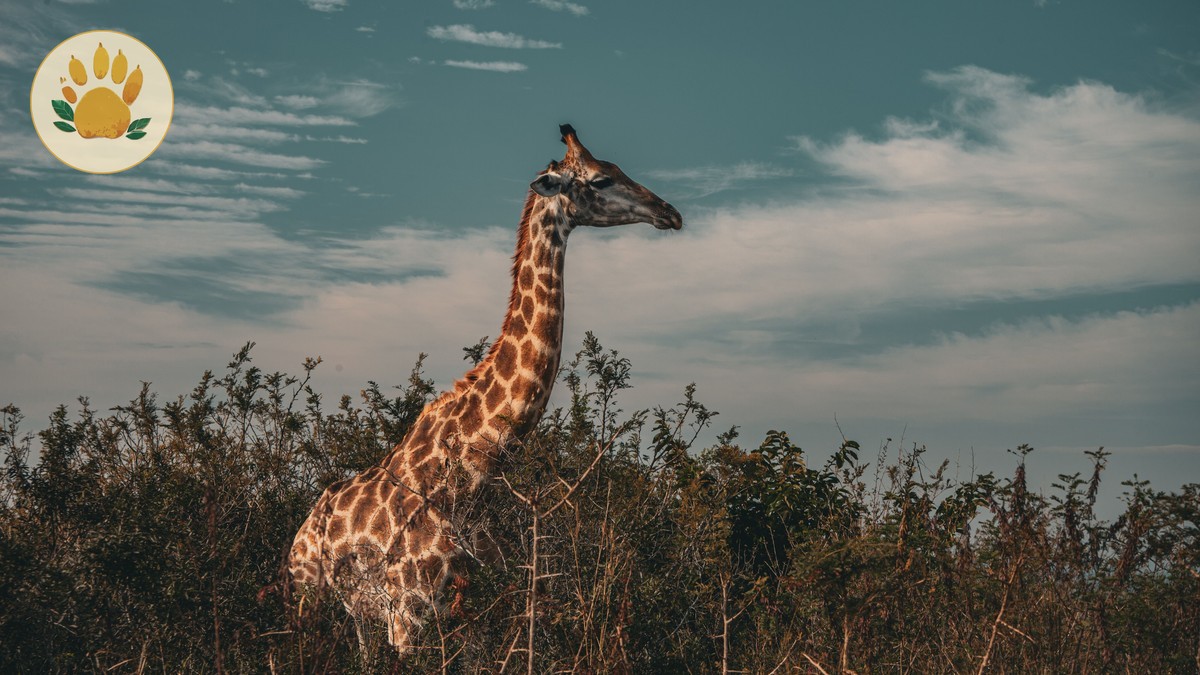
If your route runs through Aberdare National Park, one of Kenya’s lower-risk highland parks, you can genuinely relax the prevention regime compared to a coastal or Tsavo add-on.
Why Nairobi and other high-altitude areas are lower risk
Cold slows mosquito development and shortens the window in which the malaria parasite can mature inside the insect. Above about 1,800 meters, nights regularly drop below the temperature the parasite needs to complete its cycle. That is why a family doing an Amboseli day trip from Nairobi faces almost no risk in the city itself, but should still take precautions once they descend into the park.
Antimalarial medication options compared
Three drugs cover most Kenya itineraries, plus a newer option worth knowing about.
| Medication | Start before travel | Stop after travel | Child use | Approx. cost (7-day trip) |
|---|---|---|---|---|
| Malarone (atovaquone-proguanil) | 1-2 days | 7 days | Pediatric tablets from 5 kg | USD 40-70 |
| Doxycycline | 1-2 days | 28 days | Not for children under 8 | USD 15-25 |
| Mefloquine (Lariam) | 2-3 weeks | 28 days | Usable from 5 kg, but psychiatric history rules it out | USD 20-35 |
| Tafenoquine (Arakoda) | 3 days | 7 days | Not established for young children | USD 60-90 |
Malarone is the most common choice for family trips because the shorter post-trip course suits people who dislike month-long routines. Doxycycline is cheap and effective but off the table for children under 8 due to tooth staining, and it increases sun sensitivity, which matters on a sun-heavy safari. Mefloquine needs to start weeks ahead and carries warnings around anxiety and vivid dreams that some parents want to avoid before a big trip. Tafenoquine is newer and less commonly prescribed for Kenya specifically, so discuss it with a travel health clinic rather than choosing it by default.
When to start and stop taking antimalarial tablets
Timing depends on the drug. Malarone starts one to two days before entering a risk area and stops seven days after leaving. Doxycycline follows the same start window but needs 28 days after the trip. Mefloquine is the outlier, starting two to three weeks before departure so your body can handle any side effects before you travel. Missing doses, especially near arrival, is the most common reason prophylaxis fails.
Non-pharmaceutical prevention
Tablets are one layer, not the whole plan. Combine them with:
- DEET-based repellent (20-30%) reapplied every four to six hours
- Long sleeves and trousers from dusk onward, when Anopheles mosquitoes feed
- Permethrin-treated clothing for extended stays in high-risk parks like Tsavo or Samburu
- Mosquito nets over beds, standard in most safari lodges but worth checking for family rooms
- Staying inside screened areas between 6pm and 6am where possible
For young children, mosquito-proof sleepwear and a net crib cover add a meaningful extra layer in high-risk parks.
Seasonal variation: rainy season vs. dry season risk
Kenya’s long rains run March through May, and short rains fall in November. Mosquito populations rise sharply during and just after these periods, since standing water gives larvae somewhere to develop. Dry season, from June to October and January to February, cuts risk but does not remove it in lowland parks. Tsavo and the coast carry meaningful risk even in dry months, while Amboseli and the Mara see a genuine dip.
Recognizing malaria symptoms during and after the trip
Malaria symptoms can appear as early as seven days after a mosquito bite, or as late as a year later in rare cases. Watch for fever, chills, headache, muscle aches, and fatigue. In children, symptoms can look like a bad flu, which makes it easy to miss. Anyone with a fever within a year of visiting a malaria area should tell their doctor about the trip, even if it feels unlikely.
What to do if you get sick on safari
Most established camps and lodges keep radio or satellite contact with a doctor and can arrange evacuation through providers like AMREF Flying Doctors. Nairobi Hospital and Aga Khan University Hospital both run rapid malaria testing. If fever develops during a lowland stretch of the trip, tell your guide immediately rather than waiting to see if it passes.
Is it safe to bring a baby or toddler to a malaria-risk park?
Doctors generally advise against bringing infants under six months to high-risk zones like Tsavo or the coast, since safe prophylaxis options are limited at that age and severe malaria progresses faster in babies. For toddlers and older children, Malarone’s pediatric dosing from 5 kg makes moderate-risk parks like the Mara workable with the right precautions. A 3 day Masai Mara itinerary is a common middle ground for families who want big game without the highest-risk lowland exposure.
The SafariPure Difference
Most malaria guides give you a national picture and leave you to guess how it applies to your actual route. We build risk into the itinerary itself. When we plan a family trip, we tell you plainly which nights fall in moderate or high-risk zones, which camps have family rooms with proper nets, and where a highland stop like Laikipia or the Aberdares can lower overall exposure without cutting out the wildlife you came for. We would rather say “this route trades Big Five density for lower risk” than let you find that trade-off out on arrival.
FAQs
Do I need malaria tablets for a Kenya safari? For most itineraries that include the Mara, Amboseli, Tsavo, or the coast, yes.
Is Nairobi malaria-free? Not entirely, but risk is very low due to altitude.
Do I need tablets for a day trip from Nairobi? If the day trip enters a lowland park like Amboseli, prophylaxis is still recommended even for a single day.
Can you get malaria in the dry season? Yes, particularly in Tsavo and coastal areas, though risk is lower than during the rains.
Ready to build a family itinerary with malaria risk mapped out from the start? Get in touch with SafariPure to plan your route.