Can safari lodges handle severe allergies? Yes, many can, but the useful answer depends on planning. When SafariPure guests ask this, I start with the same advice: tell the lodge early, verify the kitchen, and carry medication you trust. Here are the seven checks before you book a Kenya safari.
- Send written notice when you first request the itinerary.
- Confirm cross-contamination controls with the chef.
- Choose permanent lodges for high-risk meals.
- Ask about packed lunches and game-drive food.
- Keep epinephrine auto-injectors on your person.
- Confirm evacuation and medical coverage.
- Recheck everything at check-in and before each meal.
Can Safari Lodges Handle Severe Allergies?
Yes, many established safari lodges can accommodate severe food allergies when they receive detailed written notice before booking is finalized. Ask the operator to confirm each property’s kitchen controls directly. However, no remote lodge can promise zero cross-contamination or provide hospital-level treatment within minutes. Medication and evacuation planning remain essential.
I have seen this work well across the Masai Mara, Amboseli, and the private conservancies around Naboisho. The key is communication. You are not asking for luxury. You are asking for precise processes to protect a child with anaphylaxis. A lodge that takes the request seriously will walk you through those processes. A lodge that hesitates should raise a flag.
How Much Notice Should a Safari Lodge Get?
Report a severe or anaphylactic allergy when you first request the itinerary, ideally four to six weeks before arrival. This gives remote camps time to confirm procedures and source safe ingredients through limited supply runs. Reconfirm the allergy 48 to 72 hours before arrival and again with the chef at check-in.
A booking note that only says “allergy” is not enough. Write the exact allergen. State whether trace exposure can cause anaphylaxis. Say how many epinephrine auto-injectors you will carry. Ask the operator to reply with the kitchen plan in writing. That reply becomes your proof that the message reached the right person.
How Do Lodges Prevent Cross-Contamination?
Ask whether the lodge uses separate pans, utensils, serving spoons, storage containers, cooking oil, and preparation areas for allergy-safe meals. Your written notice should state the allergen, that trace exposure can cause anaphylaxis if applicable, and the required controls. Request direct confirmation from the chef or manager rather than relying only on a booking note.
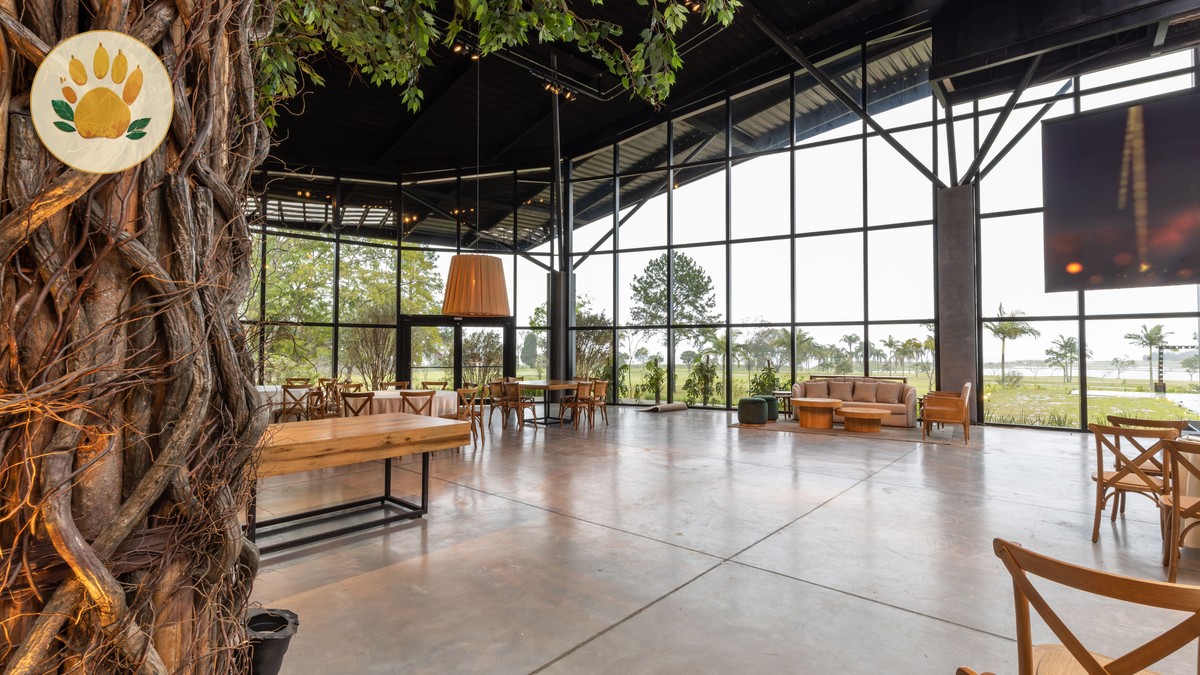
This is where permanent lodges earn their keep. They have fixed kitchens and more storage. A chef can keep a separate pan and a labeled container without improvising. In a mobile camp, the same separation is possible but harder. Supplies arrive on a schedule, not on demand. If the safe brand of oil runs out, the camp cannot send someone to a shop. For more detail on how meals move through camp kitchens, see how Kenya safari camps handle kitchen hygiene.
Permanent Lodge or Mobile Safari Camp?
Permanent lodges are usually the simpler choice for severe allergies because they have fixed kitchens, more storage, stable staff, and predictable supplies. Mobile camps can still accommodate allergies, but longer resupply routes and limited kitchen space leave less margin if a safe ingredient runs out. A mixed itinerary may place higher-risk meals at permanent properties.
In Kenya, you will see both options. Permanent lodges sit inside or beside parks like Amboseli National Park, the Masai Mara National Reserve, and Chyulu Hills National Park. Mobile camps move through private conservancies such as Mara North and Naboisho, following the wildlife. Both can work. The question is how much margin you need.
| Permanent lodge | Mobile safari camp | |
|---|---|---|
| Kitchen | Fixed kitchen with separate preparation areas | Compact field kitchen |
| Storage | Deeper pantry and backup supplies | Limited by vehicle and camp |
| Supply runs | Regular road or air resupply | Longer resupply intervals |
| Staff | Stable team, repeat visits | Seasonal team may rotate |
| Best use for allergies | Anchor high-risk meals here | Short stays with careful planning |
Private conservancy rates in Naboisho or Mara North are roughly USD 80 to 150 per person per night, bundled into the lodge rate. That is an indicative range, not a quote for any one property. Ask your operator for the current rate when you choose a camp.
Medication and Emergency Planning
Carry your prescribed epinephrine auto-injectors, backups, and any other emergency medication on your person during meals and game drives, not in checked luggage or inside the tent. Confirm the operator’s evacuation process, nearest serious medical facility, communication coverage, and travel insurance requirements before departure. Remote camps cannot replace immediate self-treatment.
An auto-injector in a tent will not help at dinner. Put one in a small pouch that stays with you. Keep a backup in the safari vehicle’s cool box if the guide agrees. Ask about the nearest clinic. In the Mara, a serious evacuation often starts with a light aircraft to Nairobi. Nairobi is about 260 km from the Mara by road, which is why evacuations use aircraft. For a full packing plan, see what to pack for a Kenya safari.
Packed Lunches and Game-Drive Meals
Packed lunches should be prepared by the lodge kitchen, clearly labeled, and checked against the guest’s allergy instructions before leaving for a game drive. Ask who prepares the box, whether it is stored separately, and how substitutions are handled. Repeat the allergy to the guide because the chef’s written note may not be visible in the vehicle.
A full-day game drive in the Mara often means a picnic under a tree. The kitchen packs the box, and the guide carries it. That box may sit beside other boxes. Ask for your box to be labeled with your name and the allergen. Check it yourself before the vehicle leaves. If you are not sure, do not accept it. The same rule applies to any snack served during a bush breakfast.
Plan the Safety Checks, Then Let the Wild Do the Rest
Once the checks are done, the allergy conversation fades into the background. What remains is the first lion sighting at dawn, the heat of the savanna, and the quiet hours between game drives. That is the part worth planning for. SafariPure can help you place these allergy checks into a Kenya safari itinerary, and we can keep asking questions until the answers are clear. Start with a simple outline and let the wild do the rest. You can also read more about Kenya safari planning and park rules when you are ready to compare seasons and routes. To plan the trip with SafariPure, reach out through our contact page, and we will build a route with the right kitchens, camps, and margins for your family.