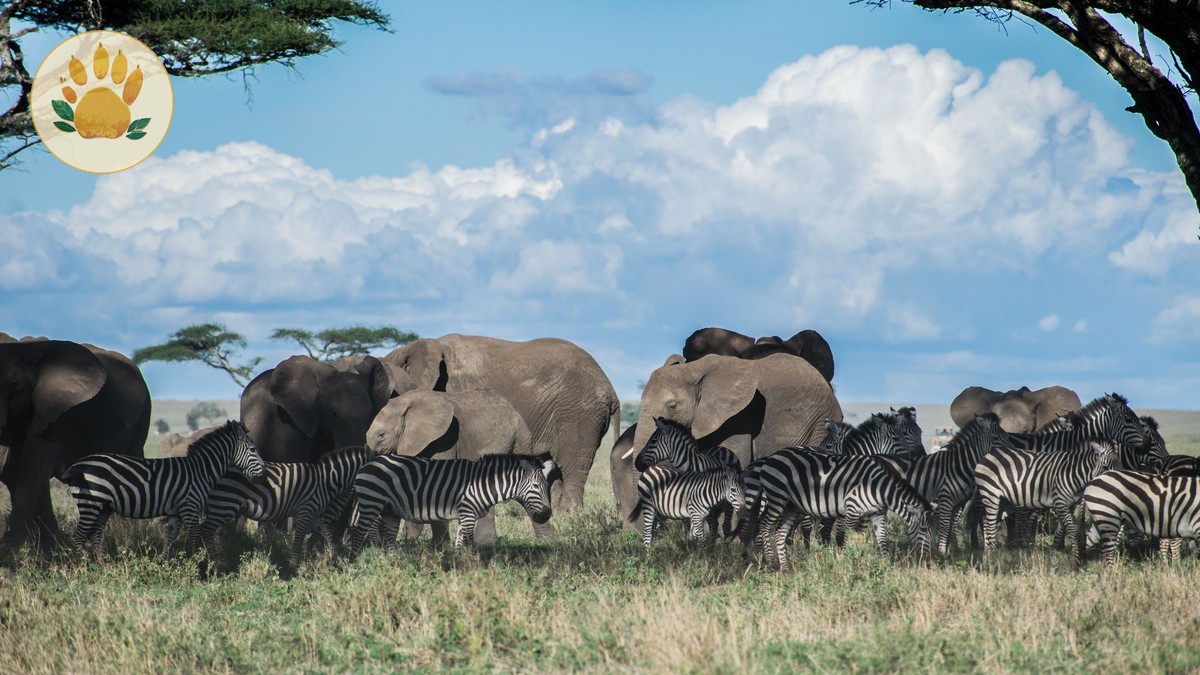
Many guests ask one quiet question before their trip: where can safari vehicles use toilets? The honest answer is that standard safari vehicles in Kenya do not have toilets. Instead, you stop at a lodge bathroom, a park gate, a picnic site, or a carefully chosen bush break.
For families, this question matters more. Children do not always give a half hour warning. A good safari guide plans stops around the route, not after someone is already uncomfortable. Here is what to expect in Kenya, park by park and stop by stop.
Where can safari vehicles use toilets on safari?
Most Kenya game drives use a Toyota Land Cruiser or a safari minivan. Neither has a toilet. Some large overland trucks used on long multi-country trips carry a small portable toilet, but those are not the vehicles you will use inside Amboseli, Masai Mara, or Lake Nakuru.
So you will use three types of stops. A lodge bathroom before departure, a park gate or picnic site during the drive, or a guide managed bush break when you are far from any building. Most first-timers want to know what to expect during Kenya safari toilet breaks, and the short answer is that your guide has done this hundreds of times.
Lodge and tented camp bathrooms
The easiest toilet stop is before you leave camp. Most family lodges and tented camps in Kenya provide private toilets in Kenya safari camps, usually en-suite with a flush toilet, sink, and sometimes a hot shower. Even simple tented camps place a toilet tent or a bathroom behind each tent.
Use this bathroom right before the morning game drive. A family with young children should build in ten extra minutes. Ask the camp manager whether the bathroom has running water or a bucket flush. This tells you what to expect at park gates and picnic sites later.
Toilets at park gates and entry points
Every major Kenyan park has basic toilets near its main gates. In Masai Mara, the named gates are Sekenani Gate, Talek Gate, and Oloololo Gate. Each has simple latrines, but paper and water are not guaranteed. Talek Gate can be busy in high season, so expect a short queue.
Amboseli National Park has gate facilities at Kimana Gate and Meshanani Gate. Lake Nakuru has toilets near the main gate. Tsavo East has latrines at Voi Gate and Bachuma Gate. Tsavo West has them at Mtito Andei Gate and Chyulu Gate.
These park gate toilets are usually pit latrines, not shopping mall restrooms. They are fine for a quick stop. Carry your own paper and hand sanitizer. The entry fee does not mean a cleaner bathroom. For reference, Masai Mara costs USD 100 per adult per day from January to June and USD 200 from July to December. Amboseli and Lake Nakuru cost USD 90 per adult per day. Tsavo East and Tsavo West cost USD 80 per adult per day.
Picnic sites, viewpoints, and airstrips
During a game drive, the guide will often aim for a designated picnic site because those have toilets. Amboseli has a useful one at Observation Hill, where you can climb the viewpoint and then use the basic restroom. Lake Nakuru has Baboon Cliff and Makalia Falls picnic site. Tsavo East has toilets at Mudanda Rock and Aruba Dam. Tsavo West has them at Mzima Springs, Roaring Rocks, and Shetani Lava.
In Masai Mara, most picnic areas sit near the Mara River or the main gates. A common stop is the designated picnic area near Hippo Pool. These are not luxury restrooms. Some are concrete stalls, some are long drops, and some have no water. But they give you a legal place to get out of the vehicle without a bush stop.
Airstrips are less reliable. Keekorok Airstrip, Musiara Airstrip, and Ol Kiombo Airstrip in the Mara may have a basic facility, but you should not count on it. In Amboseli, the airstrip has a simple restroom nearby. The main lodge toilets are usually cleaner.
What a bush toilet break is like
When you are far from any gate or picnic site, the guide will choose a bush break. This is a normal part of safari. The guide stops the vehicle in an open area with good visibility. He checks around for animals, fresh tracks, and signs of recent movement. Then he tells you exactly where to walk.
A bush break is private, not scary. You walk a short distance from the vehicle, usually behind a screen of grass or a termite mound. Men may go one direction, women and children another. Use the vehicle as a visual block if you want more privacy. The guide carries a spade on many safaris. You dig a small hole, use it, and cover the waste. Put used toilet paper in a zip bag and bring it back to the lodge. Do not leave paper on the ground.
The guide stays near the vehicle and keeps watching. If he says wait, wait. He is not being difficult. He may have seen a buffalo or a lion track you missed.
How guides choose a safe stopping place
A good guide chooses a bush break only after a quick visual check. He looks for open ground, short grass, and open sight lines in every direction. He avoids thick bush, tall grass, riverbanks with hippos, and areas near fresh predator kills. He stops on the downwind side of any strong smell, but more importantly he stops where he can see.
He will not stop in the middle of a lion sighting just because somebody asks. He will drive a few hundred metres to a safer spot. This is part of what you pay for on a guided safari. Trust the guide.
Can you use the toilet inside a safari vehicle?
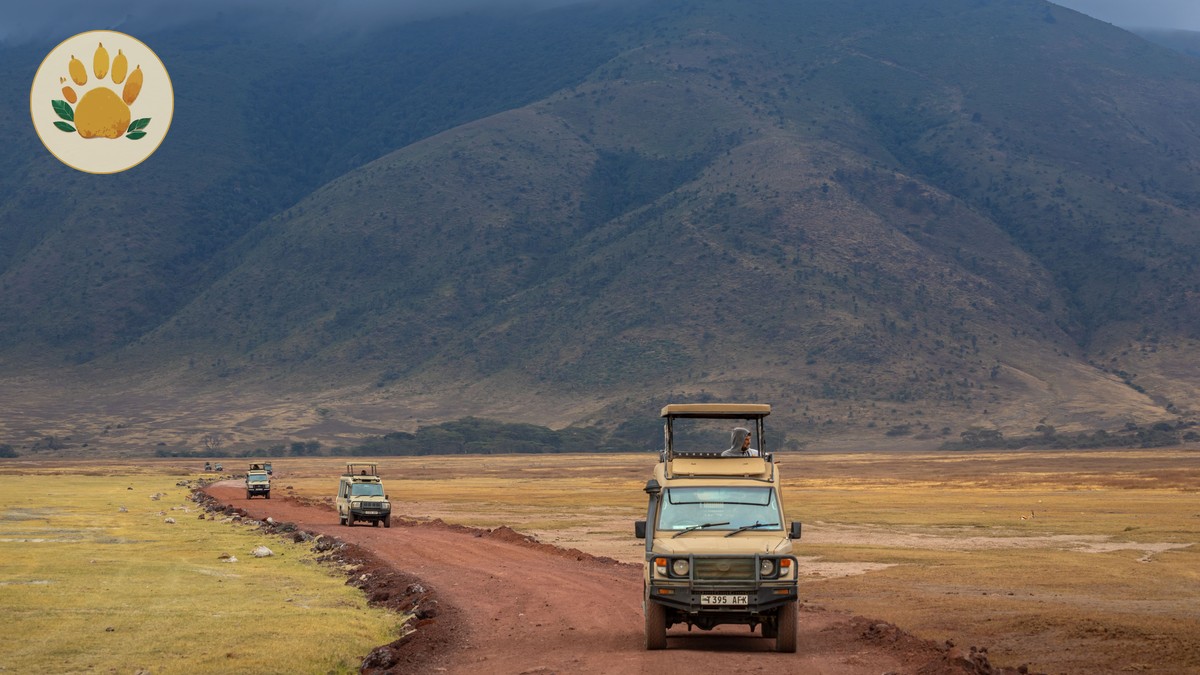
No. Standard safari Land Cruisers and minivans do not have toilets inside. You cannot use the vehicle as a bathroom while driving. Some large overland trucks on weeks-long trips have a small built-in toilet, but that is not the same as a game-drive vehicle in Kenya. Plan around lodge bathrooms, gate stops, and short bush breaks.
Toilet paper, hand sanitizer, and hygiene tips
Pack two small rolls of toilet paper in a zip bag per family. Keep one roll in your daypack and one in the vehicle. Many park latrines have no paper. Carry hand sanitizer with at least 60% alcohol. Wet wipes help for children. A small bar of soap is useful when water exists.
Do not flush toilet paper in pit latrines unless the guide says it is okay. Usually you put used paper in a bin or bag. If you use a bush break, carry out all paper and sanitary products. This keeps parks clean for the next family.
Differences between private conservancies and national parks
Private conservancies such as Naboisho Conservancy and Mara North Conservancy work differently from national parks. They are managed by landowners and lodges, not by the Kenya Wildlife Service in the same way. You still will not find many public toilets. Instead, you will use your camp bathroom before a drive and a bush break during the drive.
The advantage is privacy. Vehicles in conservancies may drive off road, so a guide can choose a more secluded bush break. You share the area with fewer vehicles. The trade-off is that there are fewer formal picnic site toilets and no public gate latrine. Conservancy fees run roughly USD 80 to 150 per person per night, usually bundled into your lodge rate.
This matters for families because fewer people and shorter distances can make toilet stops easier. For a fuller comparison, read how Masai Mara private conservancies affect your safari experience.
What to do on long drives and transfers
Road transfers between Nairobi and the parks add a second layer. Nairobi to Masai Mara takes about 250 km, usually five to six hours by road. Nairobi to Amboseli takes about 240 km, roughly four to five hours. Lake Nakuru is about 160 km, around two and a half to three hours. Tsavo West via Mtito Andei is about 240 km, four to five hours. Tsavo East via Voi is longer, about 330 km, five and a half to six and a half hours.
Most drivers schedule a stop every two hours. These stops are often at curio shops, fuel stations, or small towns such as Narok on the way to the Mara or Emali on the way to Amboseli. The toilets are basic. Buy a tea or a soda, use the customer restroom, and get back on the road. Bring your own paper. Do not rely on the last toilet before Nairobi.
Ask your driver to stop before the park gate. Once you enter, toilet facilities are farther apart and a bush break may be the only option.
Toilet facilities in specific Kenyan parks and reserves
The table below gives a realistic stop-by-stop picture for common Kenya safaris. Drive times are indicative; conditions change with weather, traffic, and road repairs.
| Route or area | Drive time from Nairobi | Named toilet stops | What to expect | Non-resident fee |
|---|---|---|---|---|
| Masai Mara National Reserve | about 250 km, 5 to 6 hours | Sekenani Gate, Talek Gate, Oloololo Gate, Mara River picnic area | Basic pit latrines at gates; picnic site long drops; carry paper | USD 100 per adult per day January to June, USD 200 July to December |
| Amboseli National Park | about 240 km, 4 to 5 hours | Kimana Gate, Meshanani Gate, Observation Hill picnic site | Gate latrines basic; Observation Hill has basic restroom | USD 90 per adult per day |
| Lake Nakuru National Park | about 160 km, 2.5 to 3 hours | Main Gate, Baboon Cliff, Makalia Falls picnic site | Main gate latrines; picnic site toilets basic | USD 90 per adult per day |
| Tsavo East National Park | about 330 km via Voi Gate, 5.5 to 6.5 hours | Voi Gate, Bachuma Gate, Mudanda Rock, Aruba Dam | Pit latrines at gates; basic picnic site toilets | USD 80 per adult per day |
| Tsavo West National Park | about 240 km via Mtito Andei Gate, 4 to 5 hours | Mtito Andei Gate, Chyulu Gate, Mzima Springs, Roaring Rocks | Pit latrines at gate; picnic site toilets basic | USD 80 per adult per day |
| Naboisho or Mara North Conservancy | about 250 km, 5 to 6 hours to the conservancy area | Lodge bathrooms before game drives, guide managed bush breaks | Private en-suite toilets at camps, no public gate latrine | roughly USD 80 to 150 per person per night, bundled into lodge rates |
The SafariPure Difference
Most safari operators mention toilets only after you ask. SafariPure plans them from the first itinerary. Your guide will know which gate has paper, which picnic site gets crowded, and how far to drive for a safe bush break that suits a child.
We allow extra minutes at the lodge before a game drive. We build bush breaks into the route instead of treating them as an interruption. You still see wildlife, but you do not sit with crossed legs for an hour. That is time in the wild done properly. Nothing about the schedule is left to chance.
Plan Your Kenya Safari With SafariPure
If you want a Kenya safari where toilet stops are planned, not improvised, we can help. Plan your trip with SafariPure and tell us your route, your family size, and how often you want to stop. We will build the pace around you.