
Maybe you have already done a Masai Mara circuit. Now you are piecing together Samburu, Laikipia and maybe a gorilla trek across the border. The east africa single tourist visa is worth understanding properly. It is not new, but the rules around it still trip up experienced travelers. Here is what it actually covers, what it costs, and how it fits into a real multi-country trip.
What Is the East Africa Single Tourist Visa (EATV)?
The East Africa Tourist Visa, usually shortened to EATV, is a single visa that lets you travel between Kenya, Uganda and Rwanda without applying for three separate visas. It was launched in 2014 by the three governments to make regional travel easier. One application, one fee, one visa sticker or approval letter that works across all three borders.
It is not an East African Community-wide visa. Tanzania, Burundi, South Sudan and the Democratic Republic of Congo are not part of it. If your trip includes the Serengeti or Zanzibar, you will need a separate Tanzanian visa on top of the EATV, or instead of it if Tanzania is your only stop.
Which Countries Are Covered
The EATV covers exactly three countries: Kenya, Uganda and Rwanda. That is the full list. It has not expanded since 2014, despite periodic talk of adding Tanzania or Burundi.
This matters for itinerary planning. A trip built around the Masai Mara, Bwindi Impenetrable Forest for gorilla trekking, and Volcanoes National Park in Rwanda fits neatly under one EATV. A trip that also dips into the Serengeti or Ngorongoro Crater does not, and you will need to budget for a second visa.
Cost: EATV vs Three Single-Country Visas
The main reason travelers choose the EATV is price, but it only pays off if you are visiting more than one of the three countries.
| Visa option | Fee (USD) | Countries covered | Entries allowed |
|---|---|---|---|
| East Africa Tourist Visa | $100 | Kenya, Uganda, Rwanda | Multiple, within the bloc |
| Kenya single-entry eVisa | $50 (2026 rate) | Kenya only | Single entry |
| Uganda single-entry visa | $50 | Uganda only | Single entry |
| Rwanda single-entry visa | $50 | Rwanda only | Single entry |
| Three single-country visas combined | $150 | Kenya, Uganda, Rwanda | Single entry each |
If you are only visiting Kenya, a single-country visa at $50 is cheaper than the $100 EATV and simpler to process. The EATV only makes financial sense once you cross into a second or third country, where it saves roughly $50 over buying visas separately.

Who Needs It, and Who Is Exempt
Most non-East African nationalities need a visa to enter Kenya, Uganda or Rwanda. The EATV is open to the same list of nationalities eligible for each country’s standard tourist visa. Citizens of the East African Community and a small number of visa-exempt countries do not need it at all.
Children traveling with parents still need their own EATV or single-country visa. There is no blanket exemption for minors, though the application fee and documents are the same as for adults.
Work permit holders and expats living in Kenya, Uganda or Rwanda generally do not use the EATV for re-entry. It is designed for tourism, and long-term residents should check their specific permit conditions rather than defaulting to a tourist visa.
Required Documents
Applications ask for the same core set of documents regardless of which country you apply through:
- A passport valid for at least six months beyond your travel dates, with at least one blank page
- A recent passport-style photo, usually uploaded digitally for the eVisa
- A yellow fever vaccination certificate, mandatory for entry into all three countries
- Proof of onward or return travel, such as a flight itinerary
- Sometimes a hotel booking or safari itinerary showing where you plan to stay
Border officials do check the yellow fever certificate on arrival. It is one of the few documents that gets a physical inspection rather than just a digital record check.
How to Apply
There are three practical routes.
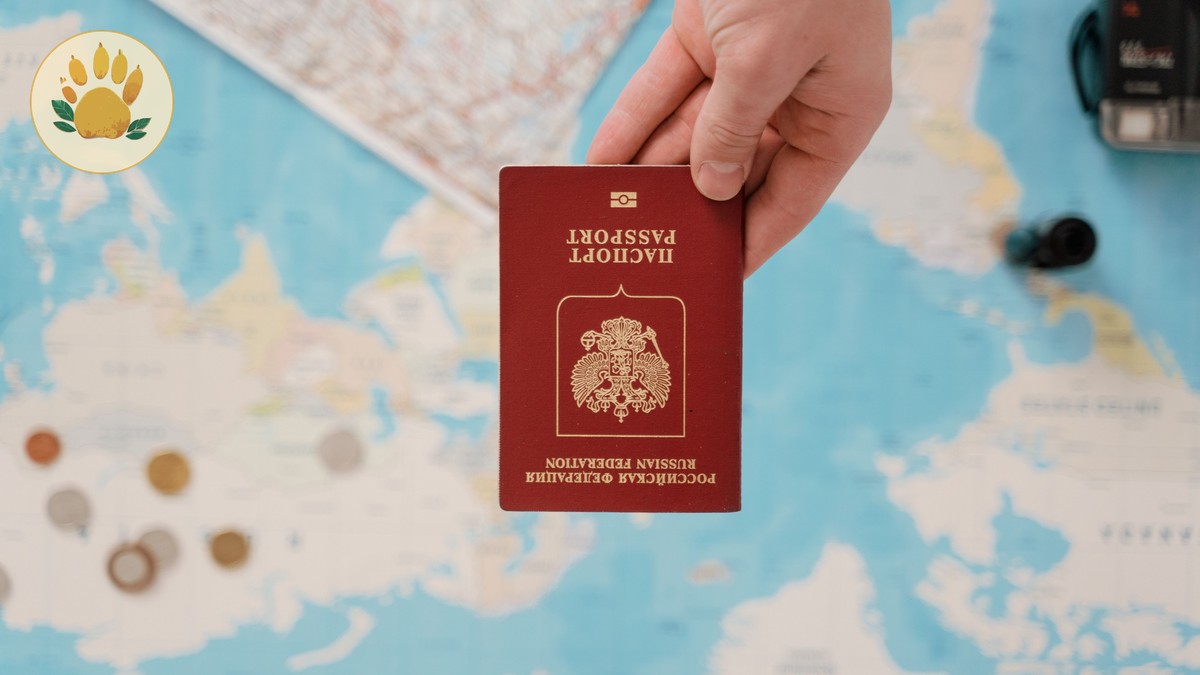
Online eVisa. This is the route most travelers use now. You apply through the immigration portal of whichever country is your first point of entry, upload your documents, and pay online. Approval typically comes back as a PDF letter to print and carry.
On arrival. Kenya, Uganda and Rwanda each allow visa on arrival for many nationalities, including the EATV in some cases. This is riskier for planning, since it depends on the immigration desk at your specific airport. Queues at Jomo Kenyatta International Airport in Nairobi can run long during peak season.
Through an embassy or diplomatic mission. Slower, but useful if you want a physical visa in your passport before you travel, or if online payment is not working for your card.
Applying Through Kenya, Uganda or Rwanda
You apply for the EATV through the country you will enter first, and that is the detail people miss most often.
If your safari starts in the Masai Mara or Samburu, apply through Kenya’s eVisa portal. If you are flying into Kigali first for gorilla permits before heading to Kenya, apply through Rwanda. Uganda’s Entebbe entry point works the same way for trips that start with Bwindi or Murchison Falls.
Whichever country processes your application becomes your first country of entry. You cannot apply through Kenya and then enter Uganda first. Immigration will flag the mismatch at the border.
Validity, Multiple Entry and the First-Entry Rule
The EATV is valid for 90 days from the date of first entry and allows multiple entries within that window, but only within Kenya, Uganda and Rwanda. If you leave the bloc, for example to visit Tanzania or fly home partway through your trip, the visa may not permit re-entry. Check the current rule with the issuing country before booking a side trip outside the three-nation zone, since enforcement has varied by border post in past years.
This is the detail that catches repeat visitors most. A Mara-to-Serengeti crossing, common on classic safari routes, exits the EATV zone. Plan your Tanzania leg, if you have one, as a separate visa and possibly a separate re-entry into Kenya.
Processing Time and 2026 Delays
Standard EATV processing takes 3 to 5 business days once submitted correctly. In practice, many travelers in 2026 are reporting waits closer to 10 to 14 days during July through September, the peak Mara migration season. We track these patterns in more detail in our post on Kenya eVisa processing delays. The same seasonal slowdown applies to the EATV, since it runs through the same Kenyan immigration system when Kenya is your entry point.
Apply at least three weeks before departure if you are traveling in peak season. This lines up with the wider safari planning timeline checklist we recommend for any multi-country trip.
Common Mistakes
The most frequent errors are applying through the wrong first-entry country, forgetting the yellow fever certificate, and assuming the EATV covers Tanzania. A smaller but costly mistake is booking a tight connection at Nairobi without accounting for immigration queues. Building in buffer time at Nairobi airport protects a multi-country itinerary far better than a rushed transfer does.
A Sample Itinerary Using One EATV
A repeat visitor skipping the Mara this time might fly into Nairobi and apply for the EATV through Kenya. From there, spend four days in Samburu National Reserve and three days in a Laikipia conservancy such as Ol Pejeta. Then cross by road or air to Kigali for gorilla trekking in Volcanoes National Park. All three legs sit inside the same 90-day, multiple-entry EATV, with no second visa needed.
The SafariPure Difference
We build itineraries around what the visa rules actually allow, not around a generic template. That means checking your first country of entry before we book flights. We flag it if a planned Tanzania add-on needs a separate visa. We also time your eVisa application against real 2026 processing delays, not the official 3 to 5 day estimate. We have watched clients miss connections because of an avoidable immigration bottleneck, and we plan around that from the start.
Frequently Asked Questions
Is the East Africa tourist visa still available in 2026? Yes, it remains active and unchanged in structure since 2014.
Can I extend the EATV? Extensions are not standard. Most travelers who need more than 90 days apply for a fresh visa or a country-specific extension through that country’s immigration office.
Do children need their own EATV? Yes, every traveler needs an individual visa regardless of age.
Is Tanzania included? No. Tanzania requires a separate visa, whether you hold an EATV or not.
Plan Your Route With SafariPure
If you are weighing an EATV against separate visas, or mapping a Samburu, Laikipia and Rwanda route around the 90-day window, we can help you plan it properly. Visit our Kenya and Rwanda safari tours page or reach out through our contact page to start building the itinerary.