If you have already done the Mara, you know the drill: dense predator sightings, dense vehicle counts, and a schedule built around where the other Land Cruisers are parked. Shaba National Reserve is the opposite kind of morning. It sits east of Samburu and Buffalo Springs, across the Ewaso Nyiro River, and most visitors to northern Kenya never make it there. That is not an accident of marketing. It is a real trade-off, and this Shaba National Reserve safari guide lays it out honestly.
Where Shaba Is and How to Get There
Shaba National Reserve covers about 239 square kilometers in Isiolo County, roughly 340 to 350 km north of Nairobi. The drive runs via Nanyuki and Isiolo town on tarmac most of the way, then a short stretch of murram to the gate. Expect five to six hours by road, longer if you stop in Nanyuki for lunch or fuel.
Flying is the faster option. Scheduled flights from Nairobi’s Wilson Airport land at Kalama or Samburu airstrips in about an hour, and lodges arrange the transfer into Shaba from there. Most repeat visitors who have already spent a day driving to the Mara will appreciate the shorter flight time here.
Shaba shares its northern boundary with Buffalo Springs and sits directly across the river from Samburu National Reserve, so the three reserves function as one ecosystem even though they are managed separately with separate gates and fees.
Shaba vs Samburu vs Buffalo Springs
These three reserves get bundled together in almost every itinerary, but they are not identical. Here is how they actually compare.
| Reserve | Size | Distance from Nairobi | Non-resident entry fee (indicative, 2026) | Crowd level | Signature feature |
|---|---|---|---|---|---|
| Shaba National Reserve | 239 sq km | ~345 km | $70-$80/day | Low | Lava plains, natural springs, Joy Adamson history |
| Samburu National Reserve | 165 sq km | ~325 km | $70-$80/day | Moderate to high | Best predator sightings, Northern Special Five |
| Buffalo Springs National Reserve | 131 sq km | ~330 km | $70-$80/day | Moderate | Crystal-clear springs, good for walking routes |
Fees shift periodically with Kenya Wildlife Service and county reviews, so treat these as an indicative range and confirm before you travel. Samburu still has the edge for predator density, especially lion and leopard. Shaba trades some of that density for open plains, volcanic rock outcrops, and far fewer vehicles at any sighting.
Best Time to Visit
The dry seasons, from late June to October and again from January to March, bring animals to the Ewaso Nyiro River and its springs, which makes game viewing more predictable. Vegetation thins out and visibility improves.
The green season, from November to May with a wetter peak around April, is quieter still and rewarding for birdwatchers. Migrant species arrive, the plains turn green against the black lava rock, and photographers get dramatic skies. Roads can get muddy after heavy rain, so a 4×4 is not optional. If you want to understand the 4×4 vehicles used on Shaba game drives, it is worth reading before you book, since some budget operators use vehicles that struggle on Shaba’s rougher tracks.
Wildlife: The Northern Special Five and What’s Missing
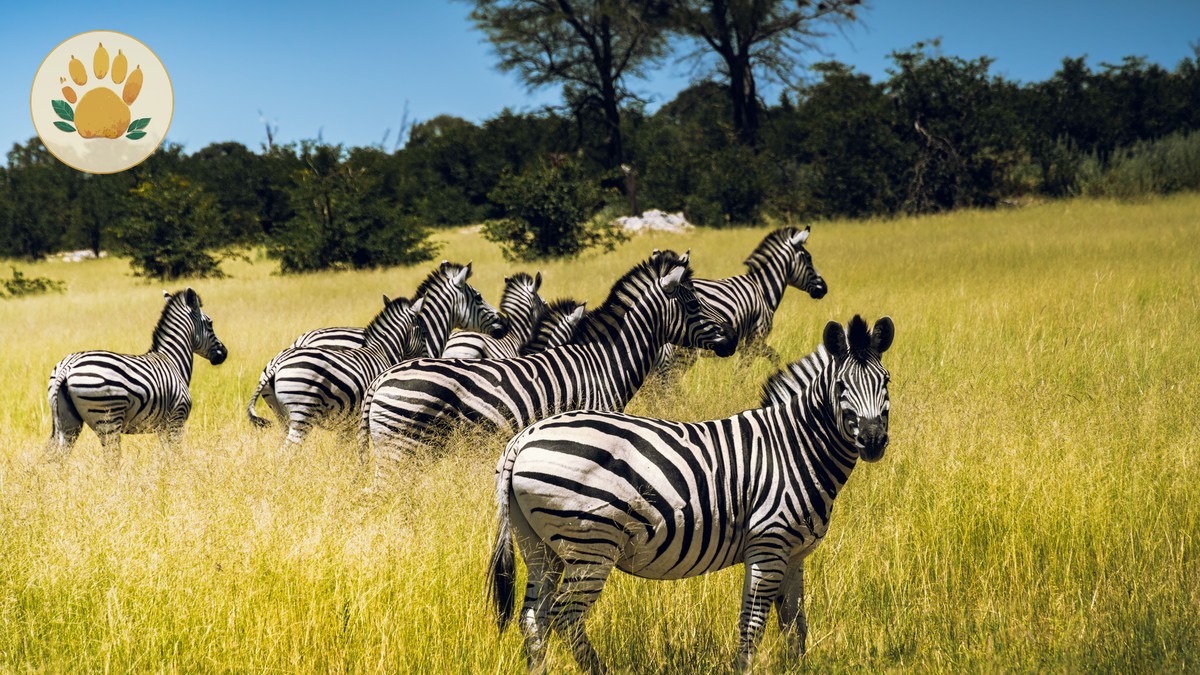
Shaba shares the same dry-country wildlife as Samburu and Buffalo Springs. Look for the Northern Special Five: Grevy’s zebra, reticulated giraffe, Beisa oryx, gerenuk, and Somali ostrich. All five are adapted to arid country and rarely seen south of the equator, which makes them a genuine draw for anyone who has already covered the Mara or Serengeti.
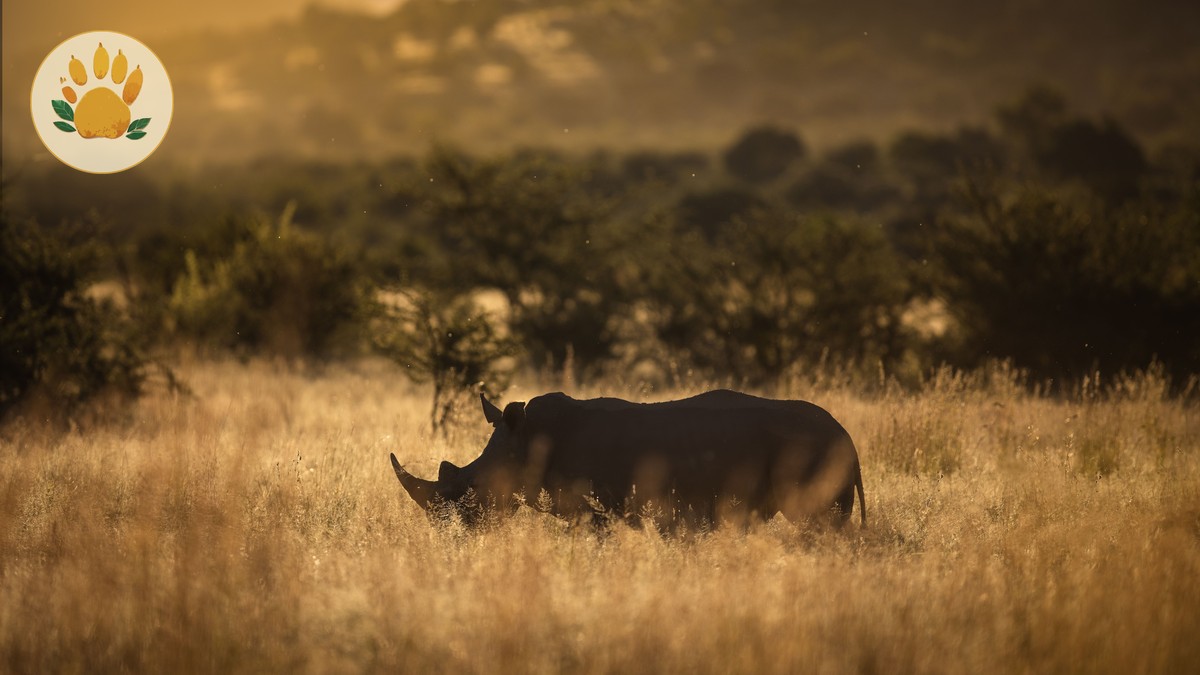
Elephant, lion, leopard, and cheetah are present but less concentrated than in Samburu. Crocodile and hippo sit in the Ewaso Nyiro’s pools. What Shaba does not have is rhino, black or white. If rhino tracking matters to your trip, plan to pair your trip with a rhino sanctuary like Solio, which sits on the road between Nanyuki and Nairobi and works well as a stop before or after Shaba.
Some Tripadvisor reviews describe Shaba as underwhelming, with fewer predator sightings than Samburu and reports of wildlife pushed out by grazing pressure from local herds. That is a fair criticism. Shaba is not the place for a first-time visitor chasing a single big-cat sighting on a short trip. It is the place for someone who already has those sightings banked and wants quiet plains, birding, and space to slow down.
Entry Fees and Other Costs
Non-resident park fees run around $70 to $80 per adult per day, with lower rates for children and East African residents. Camping fees add roughly $20 to $30 per person per night on top of the entry fee. Vehicle fees are typically small, in the KES 300 to 500 range per entry. These figures shift with periodic KWS and county reviews, so confirm exact rates with your operator before travel rather than treating this as fixed pricing.
Ranger escort fees apply to walking activities outside lodge grounds, usually a modest daily rate arranged through your camp. Budget for gratuities separately, as most lodges do not include them.
Where to Stay
Lodging inside and around Shaba is limited by design, which is part of why it stays quiet.
Sarova Shaba Game Lodge sits on the Ewaso Nyiro riverbank inside the reserve, built around natural springs, with rooms from roughly $150 to $220 per person per night on a full-board basis.
Joy’s Camp, run by Elewana Collection, occupies the site where Joy Adamson once lived and worked. It offers a smaller, more design-focused stay, typically $350 to $500 per person per night depending on season.
Several camps in neighboring Samburu and Buffalo Springs, including Elephant Bedroom Camp and Ashnil Samburu, run game drives that cross into Shaba, so staying just across the river is a reasonable option if Shaba’s own lodges are full or outside your budget.
Activities
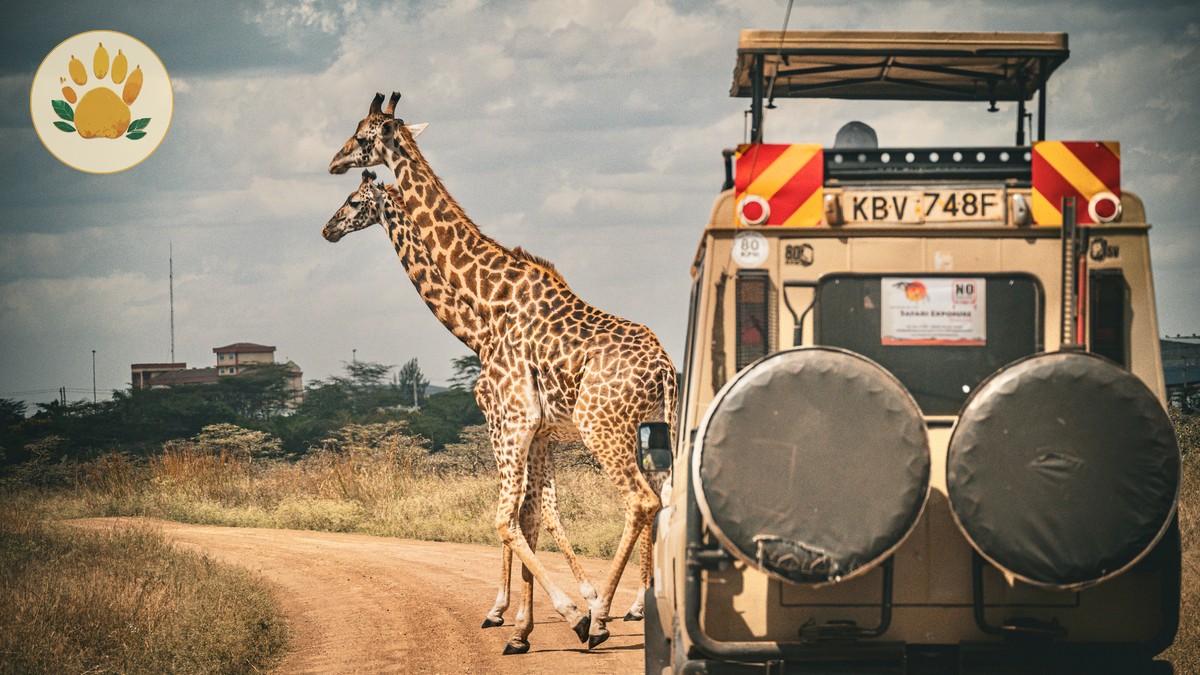
Game drives are the main activity, run at dawn and dusk when animals move to water. Shaba’s terrain of lava plains and rock outcrops gives different photography angles than the flatter ground in Samburu.
Walking safaris are available with an armed ranger, usually arranged through your lodge rather than at the gate. If you have not done one before, it is worth reading what a walking safari is really like beforehand. Pace is slow, tracking is done on foot, and the reward is detail you miss from a vehicle: tracks, dung, birdcalls, and plant use by the Samburu community.
Birdwatching is genuinely strong here, particularly in the green season, with over 350 species recorded across the three reserves. Cultural visits to Samburu community villages near the reserve gate can be arranged through most lodges, giving context on pastoralist life in this part of Kenya.
Joy Adamson and the Shaba Connection
Joy Adamson, co-author of the Elsa the lioness story that became Born Free, later lived and worked in Shaba. Her book Queen of Shaba tells the story of a leopard she raised and released here. She was killed near the reserve in 1980. For visitors interested in conservation history rather than just wildlife lists, that history adds real weight to a visit.
Is Shaba Safe?
Shaba is a managed KWS reserve with a ranger presence at the gate and on patrol. Standard safari safety practices apply: stay in the vehicle during game drives unless a ranger says otherwise, keep a safe distance from wildlife at watering points, and follow your guide’s lead near the river, where crocodile activity is real. The region has had periods of banditry concern tied to cross-border livestock disputes in the wider county, so check current travel advisories with your operator before booking, particularly for self-drive trips.
How Many Days Do You Need?
Two nights is enough to get a real sense of Shaba, with two or three game drives and one walking safari. Most repeat visitors combine it with Samburu and Buffalo Springs across four to five nights total, using Shaba as the quiet counterpoint to busier days across the river.
The SafariPure Difference
We do not sell Shaba as a substitute for Samburu, because it is not one. We tell you plainly where it wins, in solitude, in plains photography, and in the Joy Adamson history, and where it loses, in predator density and rhino absence. Our itineraries pair Shaba with a rhino stop at Solio or Ol Pejeta when that matters to you, and we route drive times honestly rather than rounding down to make a day plan look easier than it is. That is the same approach we bring to every reserve we build a trip around: real numbers, real trade-offs, no padding.
Use This Shaba National Reserve Safari Guide to Plan Your Trip
If Shaba’s quieter plains and Northern Special Five sound like the right next stop after your Mara or Serengeti trips, we can build an itinerary around it, paired with Samburu, Buffalo Springs, or a rhino sanctuary stop as needed. Visit our Samburu and Shaba safari page or get in touch to start planning.