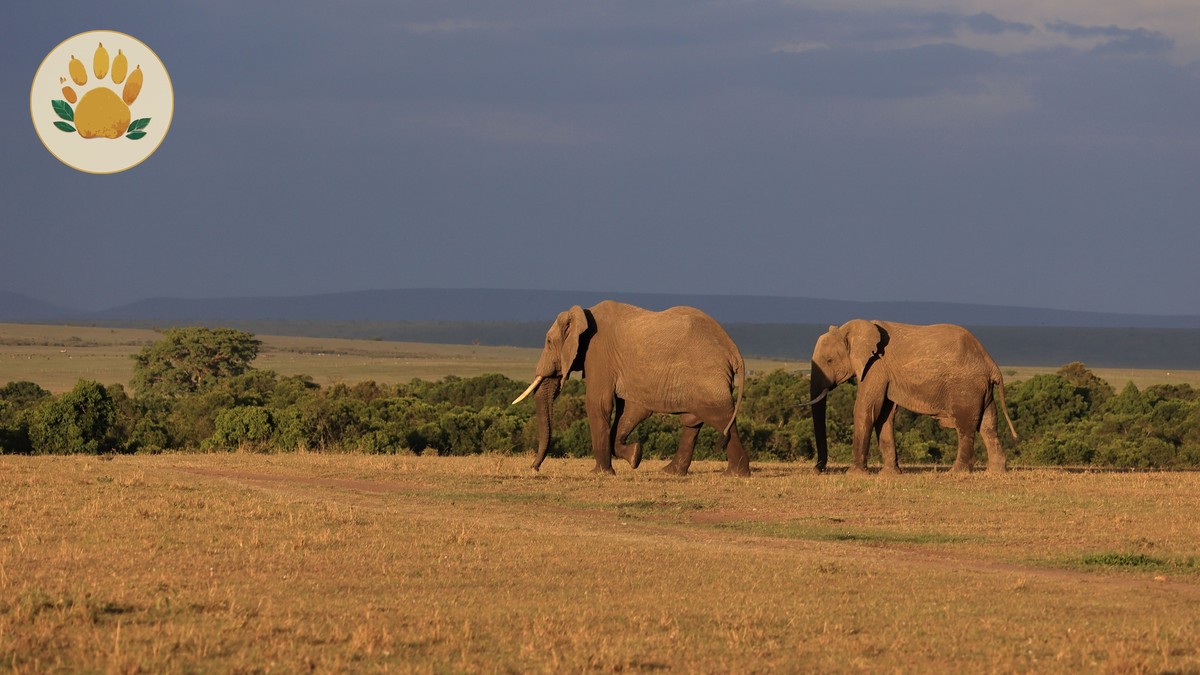
Most visitors get one hour with the David Sheldrick Elephant Orphanage Nairobi, and most of them spend it standing three rows back from a rope, phone raised over someone’s shoulder. That is the public visit, and it is worth doing. But it is not the best version of this experience, and nobody selling tickets will tell you that outright.
The Trust runs two very different visits at the same nursery, on the edge of Nairobi National Park. One is fast, crowded and cash-only. The other costs 50 US dollars, requires a small act of planning weeks in advance, and gets you a quiet 5pm hour with the same baby elephants. If you are traveling with children and trying to build a Nairobi day around naps, traffic and a flight later that evening, knowing the difference matters more than any FAQ list.
Who Was David Sheldrick
David Sheldrick founded and ran Tsavo East National Park for 28 years, building it into one of Kenya’s largest protected wildlife areas. After his death in 1977, his wife Daphne Sheldrick, who had spent decades perfecting a milk formula for orphaned elephants that could actually keep them alive, started the David Sheldrick Wildlife Trust in his memory. Daphne died in 2018. Her daughter, Angela Sheldrick, now runs the Trust, which has hand-raised more than 300 orphaned elephants since it began.
David Sheldrick Elephant Orphanage Nairobi: Where It Is and How to Get There
The nursery sits inside Nairobi National Park’s Mbagathi Gate area, about 15 km from Nairobi’s central business district. In normal traffic, plan on 30 to 45 minutes by car. During weekday rush hour, especially between 8am and 9:30am, that can stretch to over an hour, which matters if you are aiming for the 11am opening.
Most hotels in Karen and Langata are 10 to 15 minutes away. If you are staying downtown, ask your driver to route via Langata Road rather than Mombasa Road to avoid the worst of the morning bottleneck.
Visiting Hours and the Public Window
The public visiting hour runs from 11am to 12pm, daily, year round. This is the only time non-fostering visitors can enter. Arrive by 10:45am if you want a spot near the front of the roped viewing area, because the crowd builds fast and there is no reserved seating.
During this hour, keepers bring the youngest orphans out in groups, bottle-feed them, and let them play in a mud wallow while a keeper narrates each elephant’s rescue story over a microphone. It runs about 45 minutes of actual animal time inside the hour slot.
Entry Fees and How to Pay
Entry is by donation rather than a fixed park-style ticket, and the widely reported rate is roughly 500 KES for adults and 250 KES for children under 18, though the Trust can adjust this without much notice, so treat it as an indicative range and confirm before you go. Payment at the gate is cash only, in Kenyan shillings or US dollars. Card machines are unreliable here, so bring physical cash rather than counting on one.
This fee is separate from Nairobi National Park’s own entrance charge. If your visit is limited to the orphanage and you enter and exit through Mbagathi Gate without driving into the wider park for a game drive, you generally will not be charged the park’s non-resident rate of 80 USD per adult per day. If your itinerary combines the orphanage with a park game drive on the same day, budget for both.
Booking: Direct or Third Party
The public 11am visit does not require advance booking. You simply arrive and pay at the gate. This is where some OTA listings cause confusion. A handful of third-party tour sites sell “skip the line” or “guaranteed entry” tickets to the public hour, but the Trust does not issue reserved tickets for that slot. Guides sometimes book you an actual game drive or transport package around the visit, which is legitimate, but any listing promising a guaranteed spot for the free public hour is selling something the orphanage itself does not offer. The 5pm sponsor visit is different, and does require a genuine advance step through the Trust.
What to Expect During the Public Hour
Expect a crowd, often several hundred people packed along the rope line during high season (July through September and December through January). Keepers walk small groups of orphans past the barrier, feed them from oversized bottles, and answer shouted questions between segments. It is genuinely moving to watch, but it is not an intimate encounter. You will not touch an elephant, and photos will mostly include other visitors’ heads.
For a family with young children, 45 minutes of standing and craning to see over adults is a real constraint. Bring a light stroller you can fold quickly, and stand near the shorter viewing sections if your child needs a clearer sightline.
The Sponsorship Program and the 5pm Visit
Here is the trade competitors rarely spell out plainly. For 50 USD, you can sponsor one of the orphaned elephants for a year. Sponsoring gives you a private visit at 5pm, after the public crowd has left, when keepers settle the elephants in for the night. Sponsors get a slower, quieter hour, closer viewing distance, and time to actually watch an individual elephant’s routine rather than a narrated procession.
If your trip allows any flexibility and you have children old enough to appreciate the difference, the 5pm slot is the better experience by a wide margin. It costs more in money and a little planning, but it costs nothing in stamina, which matters more on a family trip. Read our guide on how to sponsor an elephant and get the private 5pm visit before you land in Nairobi, since the sponsorship paperwork is easiest to sort out before travel.
Visitor Rules and What to Bring
Dress casually and expect dust and mud splatter near the front rows. Closed shoes are more practical than sandals. Photography is allowed and encouraged, but touching the elephants is not permitted during the public hour, and flash photography is discouraged around the younger orphans. Bring sun protection, since the viewing area has limited shade, and carry water, since there are no shops inside.
Combining the Visit With the Rest of Nairobi
The orphanage pairs naturally with two other Langata-area stops: the Giraffe Centre, about 15 minutes further along Duma Road, and the Karen Blixen Museum, a similar distance in the same direction. Many families build a single morning around all three, starting with the elephants at 11am, then giraffes, then the museum before lunch. We map this out fully in pair it with the Giraffe Centre and Karen Blixen Museum in a half-day Nairobi itinerary, and for a broader spread of options, see other kid-friendly things to do in Nairobi before your safari.
| Stop | Distance from Nairobi CBD | Drive time | Typical cost | Best time to visit |
|---|---|---|---|---|
| David Sheldrick Elephant Orphanage | 15 km | 30-45 min | ~500 KES adult (indicative) | 11am public hour, or 5pm for sponsors |
| Giraffe Centre | 20 km | 35-50 min | ~1,500 KES adult (indicative) | Late morning to early afternoon |
| Karen Blixen Museum | 18 km | 30-45 min | ~1,200 KES adult (indicative) | Early afternoon |
| Nairobi National Park game drive | 10 km to Nairobi Gate | 20-30 min | 80 USD/adult/day (KWS, non-resident) | Early morning or late afternoon |
Conservation Impact and Where the Elephants Go
Orphans stay at the Nairobi nursery for roughly two to three years before moving to one of the Trust’s reintegration units in Tsavo East National Park, where they gradually transition back to wild herds over several more years. Some of the earliest rescues from the 1990s now live fully wild in Tsavo and have raised their own calves there. It is one of the few hand-rearing programs with a genuine, tracked record of animals returning to the wild rather than staying captive.
Best Time of Year to Visit
The orphanage operates daily, so weather matters less than crowd size. June through September and December through early January bring the heaviest tourist numbers, which makes the public hour more crowded and the 5pm visit’s calm even more noticeable by contrast. March through May, Nairobi’s long rains season, sees the thinnest crowds at the public hour, though rain can shorten outdoor time.
The SafariPure Difference
We do not sell the public 11am hour as a headline experience, because it is not one. It is a fine, worthwhile 45 minutes, and we build it into Nairobi layovers and pre-safari days without overselling it. What we do recommend, when a trip allows it, is sorting out the sponsorship program early enough to lock in the 5pm visit. We handle that paperwork as part of full Kenya itineraries, alongside the drive times, gate logistics and pairing with the Giraffe Centre, so a family is not figuring out cash-only entry fees on the morning of a flight.
Frequently Asked Questions
What time does the orphanage open to the public? The public visit runs 11am to 12pm daily.
How much does it cost? Roughly 500 KES for adults and 250 KES for children, cash only, though this can change without notice.
Do you need to book in advance? No for the public hour. Yes for the sponsorship program’s 5pm visit.
How long does the visit last? About 45 minutes of active viewing within the one-hour public window.
Is it worth visiting? Yes, especially paired with the Giraffe Centre, though the 5pm sponsor visit is the stronger experience.
Is it inside Nairobi National Park? It sits at the park’s Mbagathi Gate area, administratively linked but with a separate entrance fee.
Can you adopt an elephant? Yes, sponsoring costs 50 USD a year and includes the private 5pm visit.
Is photography allowed? Yes, though touching the elephants is not permitted.
Plan Your Visit With SafariPure
If you want the elephant orphanage built into a proper Nairobi day, with the Giraffe Centre, Karen Blixen Museum and the right gate times worked out ahead of you, get in touch through our contact page and we will put together the logistics before you land.