Searching for a kenya safari november short rains guide? You are in the right place. November confuses a lot of first-time planners. The name “short rains” sounds like a warning. In practice, it is one of the better-value months to be in the bush, if you understand what the rain actually does to a day.
This guide breaks down what November weather looks like on the ground, what it costs compared to peak season, which camps and roads change during this period, and how to pack for it. No hype, just what to expect.
Kenya Safari November Short Rains: What They Actually Mean
Kenya’s short rains typically run from late October through mid-December, peaking in November. They are driven by a different weather system than the long rains of April and May, and they behave differently too.
The long rains can bring days of steady, grey drizzle that turns tracks into rivers. The short rains are more localized and briefer. A typical November day starts clear, builds cloud through the afternoon, and delivers a storm that lasts 30 minutes to two hours, usually between 3pm and 6pm. Mornings and most of the day stay dry and good for game drives.
Over a two-week trip in the Masai Mara or Amboseli, expect rain on 8 to 12 days, but full-day washouts are rare, maybe one or two in that span. Most travelers get a dry morning drive, a wet afternoon, and clear skies again by dinner.
Weather and Temperature in November
Daytime temperatures across the Mara and Amboseli sit around 25 to 28°C. Nights cool to 14 to 16°C, so a fleece for early morning drives still earns its place in your bag. Humidity climbs compared to the dry months of July through October, but it rarely feels oppressive before the afternoon storms roll in.
In Laikipia, at higher elevation around Nanyuki and Ol Pejeta, expect daytime highs closer to 22 to 24°C and cooler nights, sometimes down to 10°C. Pack for both a warm afternoon and a cold pre-dawn drive.
Wildlife Viewing and Photography
Rain greens the landscape fast. Within a week or two of the first storms, brown plains turn into rolling green grass, and the light changes with it. Storm clouds building over the escarpment make for dramatic, high-contrast photography that the dry season’s flat blue skies cannot match.
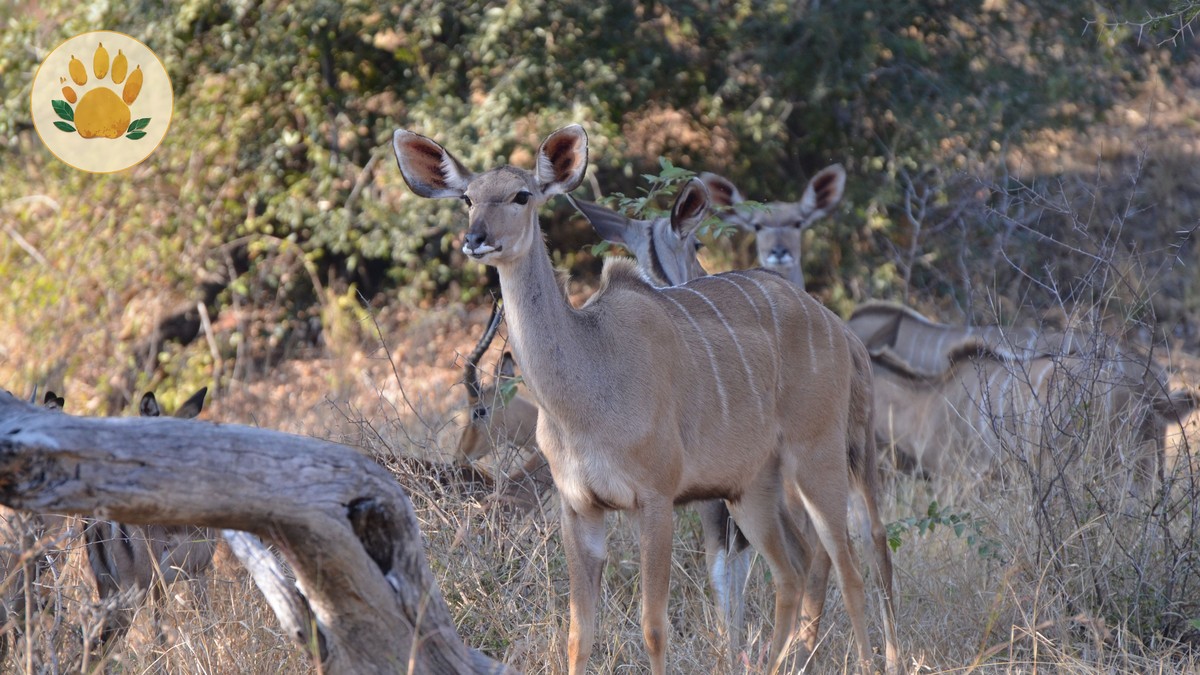
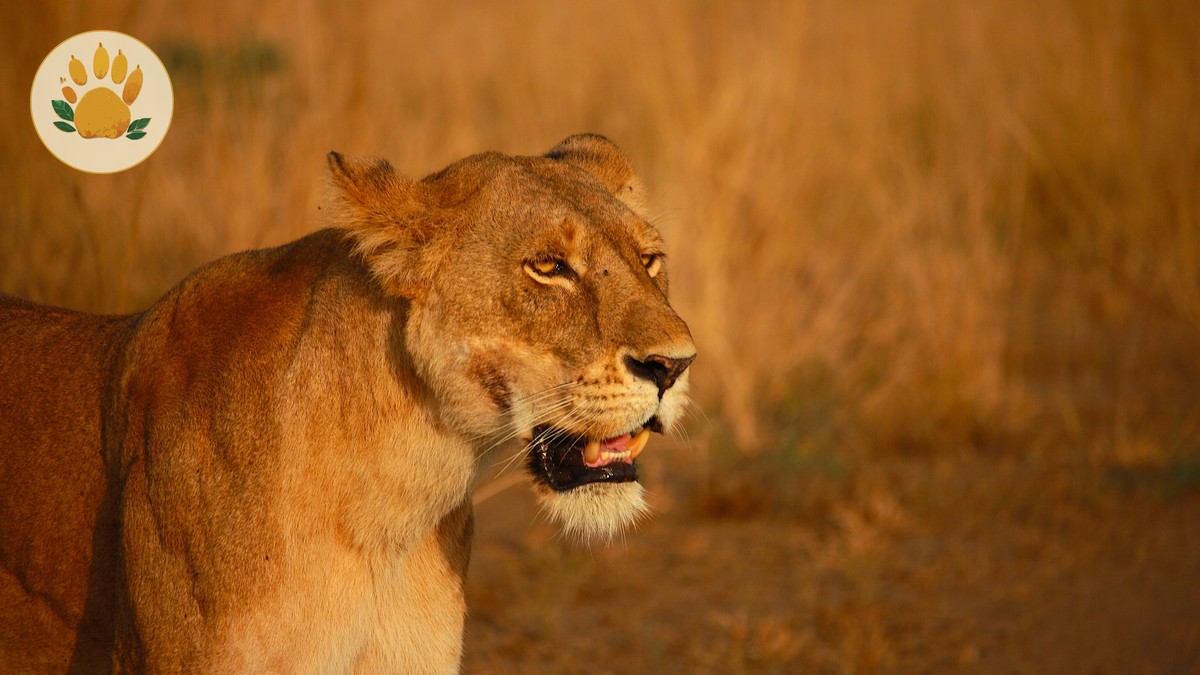
Wildlife does not disappear in November, it changes behavior. Predators still hunt, but thicker grass and dispersed prey mean sightings can take longer to find. Newborn impala, topi and gazelle start appearing, which draws in cheetah and hyena activity. Water is plentiful, so animals spread out across the landscape instead of clustering at a handful of waterholes, which means more driving between sightings but less competition for the sighting itself.
Birding Highlights
November is genuinely one of the best months in Kenya for birders. Palearctic migrants arrive from Europe and Asia to escape the northern winter, overlapping with resident species. The Masai Mara alone records over 470 bird species, and national counts across Kenya top 1,000. Look for European rollers, barn swallows, and steppe eagles moving through, alongside resident specialties like the lilac-breasted roller and secretary bird. Lake Nakuru and Lake Naivasha also see strong wader and flamingo activity as water levels rise.
Best Parks and Regions for November
Not every region handles rain the same way. Here is how the main options compare.
| Park or Region | Distance from Nairobi | Drive Time | Indicative Park Fee (non-resident, per person/day) | November Strength |
|---|---|---|---|---|
| Masai Mara National Reserve | 270 km | 5 to 6 hrs by road, or 45 min flight | USD 80 to 100 | Green plains, resident wildlife, low vehicle counts |
| Amboseli National Park | 240 km | 4 hrs by road, or 40 min flight | USD 60 to 70 | Clearer air after storms improves best month for clear Kilimanjaro views odds |
| Ol Pejeta Conservancy, Laikipia | 200 km via Nanyuki | 3.5 hrs by road | USD 90 to 100 | Rhino tracking, cooler climate, near-empty roads |
| Lake Nakuru National Park | 160 km | 2.5 hrs by road | USD 60 to 70 | Migratory birds, rising lake levels |
| Samburu National Reserve | 340 km | 6 hrs by road, or 1 hr flight | USD 70 to 80 | Ewaso Nyiro river running full, dramatic skies |
Fees change year to year and by park authority, so confirm current rates with your operator before budgeting. These figures are a realistic planning range, not a quote.
For travelers deciding between the two most popular options, Amboseli tends to handle short rains a little better than the Mara. Its ground is firmer and drains faster, while Mara black cotton soil turns heavy and slick after a storm.
Crowds and Pricing vs Peak Season
This is where November earns its reputation. Occupancy across the Mara and Amboseli drops sharply once the July to October dry season ends and before the December holiday rush begins. Camps that are fully booked in August often sit at 30 to 50 percent occupancy in November.
Rates follow. Expect roughly 20 to 30 percent off peak-season prices, sometimes more at mid-range and luxury properties trying to fill beds.
| Camp Tier | Typical Peak Season Rate (per person/night, all-inclusive) | Typical November Rate | Savings |
|---|---|---|---|
| Budget (mobile camps, basic tented) | USD 200 to 280 | USD 150 to 210 | ~25% |
| Mid-range (permanent tented camps) | USD 400 to 550 | USD 280 to 400 | ~25 to 30% |
| Luxury (Mara conservancy camps) | USD 800 to 1,200 | USD 550 to 850 | ~30% |
Fewer vehicles also change the experience itself, not just the price. In the Mara Triangle and the private conservancies, it is common to have a sighting entirely to yourself in November, something that is nearly impossible in August. If crowding is a top concern, it is worth reading our notes on how to avoid crowds in the Masai Mara before you book.
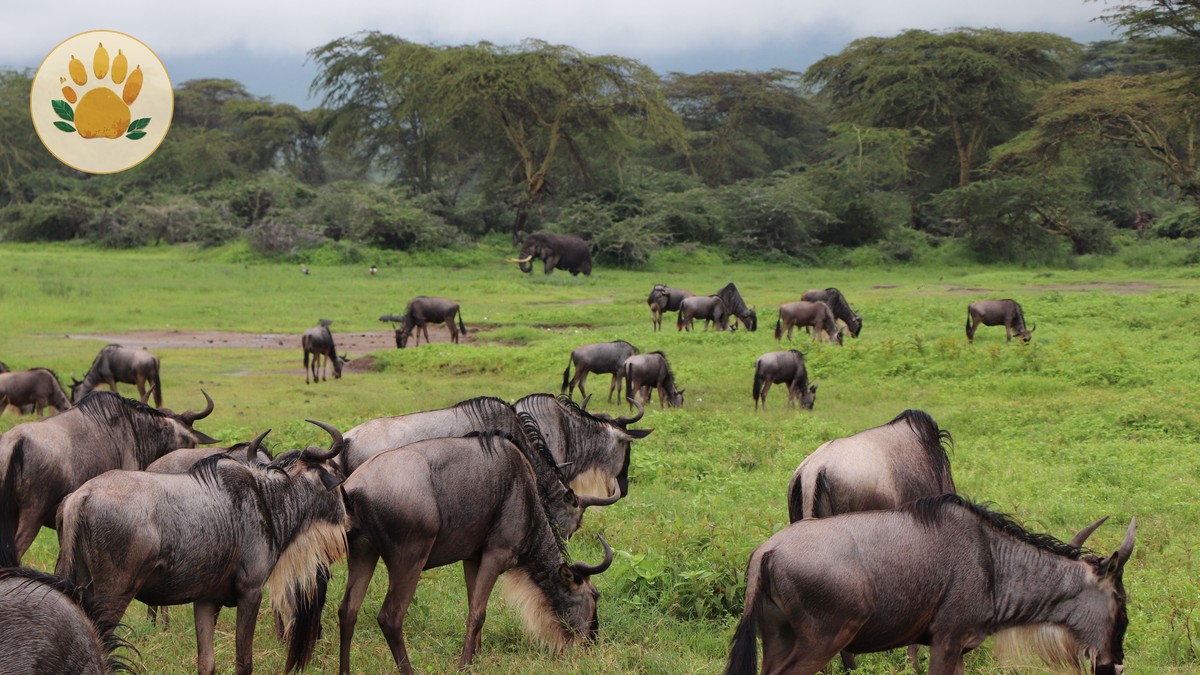
One honest caveat: the great wildebeest migration has usually crossed back into the Serengeti by early November, so this is not the month to chase river crossings. If following the herds is your priority, see where the migration is in November before you lock in a Kenya-only itinerary.
Which Camps and Roads Are Affected
Some camps use the November low season for annual maintenance, closing for two to four weeks, often in the first half of the month. This is common practice among smaller, owner-run camps in the Mara conservancies and in Laikipia. Larger lodges and permanent tented camps in the national reserves generally stay open year-round. Always confirm open dates directly with your operator when booking a specific camp for early or mid-November travel.
Roads are the bigger practical concern. Black cotton soil sections in the Mara, particularly around the Mara Triangle and parts of Naboisho and Mara North Conservancies, can become difficult after a heavy storm, sometimes closing to standard vehicles for a few hours until they dry out. A good camp or operator will already know which tracks to avoid and will reroute around them. This is one reason a private guide with local knowledge matters more in November than in the dry months.
What to Pack
- A light, packable rain jacket, not just a poncho
- Quick-dry clothing, since humidity slows drying time
- A warm fleece or light jacket for early drives, even though days are warm
- Waterproof cover or dry bag for cameras and binoculars
- Closed, sturdy shoes rather than open sandals for muddy camp paths
- A printed or offline itinerary, since some transfers may need to shift around weather
The SafariPure Difference
We do not sell November as a discount month and leave it at that. Our ground team checks camp closure calendars, road conditions and river levels weekly through the short rains season, so your itinerary is built around what is actually open and passable, not a generic template.
Every November trip we plan carries built-in flexibility, an extra buffer hour between drives and a backup route around any conservancy track prone to flooding. If a camp you want is closed for maintenance during your dates, we will tell you before you fall in love with the photos, and suggest a comparable alternative nearby.
Frequently Asked Questions
Is November a good time for a Kenya safari? Yes, for travelers who want lower prices, fewer vehicles and green scenery, and who are not chasing the wildebeest migration.
Does it rain all day in Kenya during the short rains? No. Most days are dry through the morning and into early afternoon, with a storm lasting one to two hours later in the day.
Will rain ruin a safari in November? Rarely. Game drives usually pause or reroute around a storm rather than cancel outright.
What is the weather like in the Masai Mara in November? Daytime highs around 25 to 28°C, nights near 14 to 16°C, with afternoon storms roughly every other day.
Is the wildebeest migration in Kenya or Tanzania in November? By early to mid-November, most herds have moved south into the Serengeti in Tanzania.
Are safari prices cheaper in November? Yes, typically 20 to 30 percent below July to October peak rates.
Which camps or lodges close during the short rains? Smaller owner-run camps in Laikipia and the Mara conservancies most commonly close for maintenance in November. Confirm directly with your operator.
Is November good for birdwatching in Kenya? Yes, it is one of the strongest months, with Palearctic migrants overlapping resident species.
Are roads passable in the Masai Mara during short rains? Mostly, though black cotton soil sections can become difficult for a few hours after heavy storms.
Is Amboseli or Masai Mara better in November? Amboseli’s ground drains faster and handles rain better. The Mara offers greener scenery but muddier tracks.
Plan Your November Safari
If the short rains fit your budget and your patience for the occasional afternoon storm, November rewards you with quiet parks and honest prices. Talk to SafariPure about building a Kenya safari itinerary around this season, or reach out through our contact page to start planning.