Search “best month wildebeest migration crossing” and you get the same answer everywhere: July to October, rain depending. That is true, but it is not useful if you have one week of leave and one camera bag. Here is what our guides actually see on the ground, month by month, at the crossing points that matter.
How the Migration Reaches the River
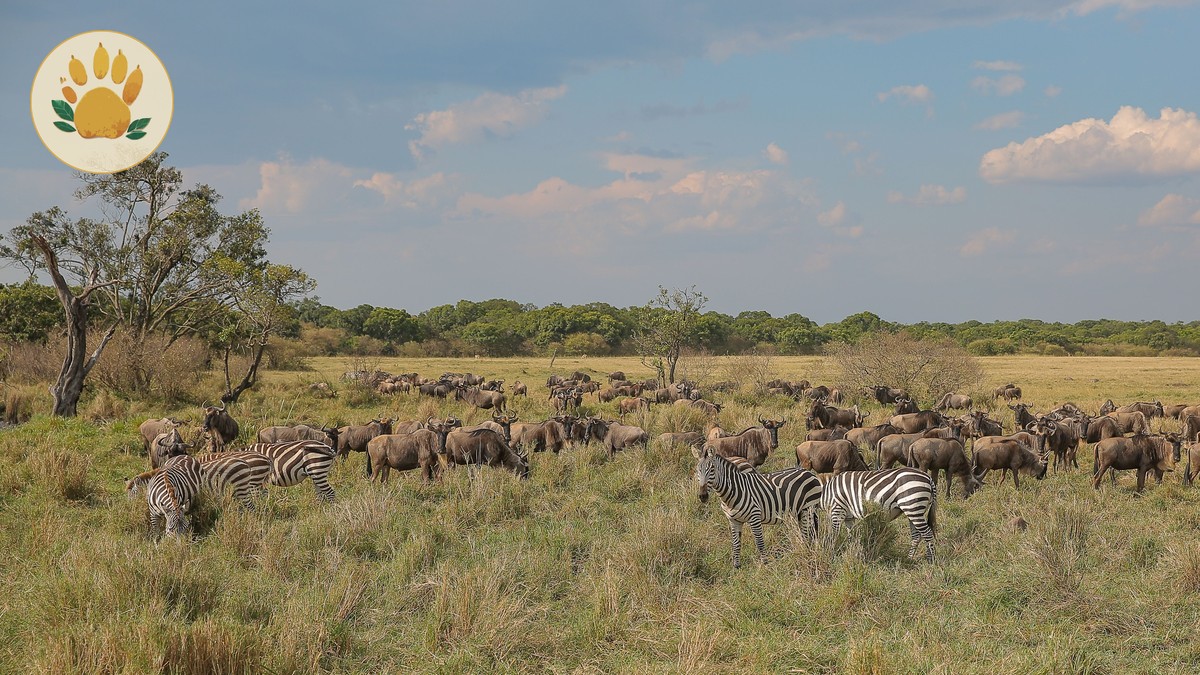
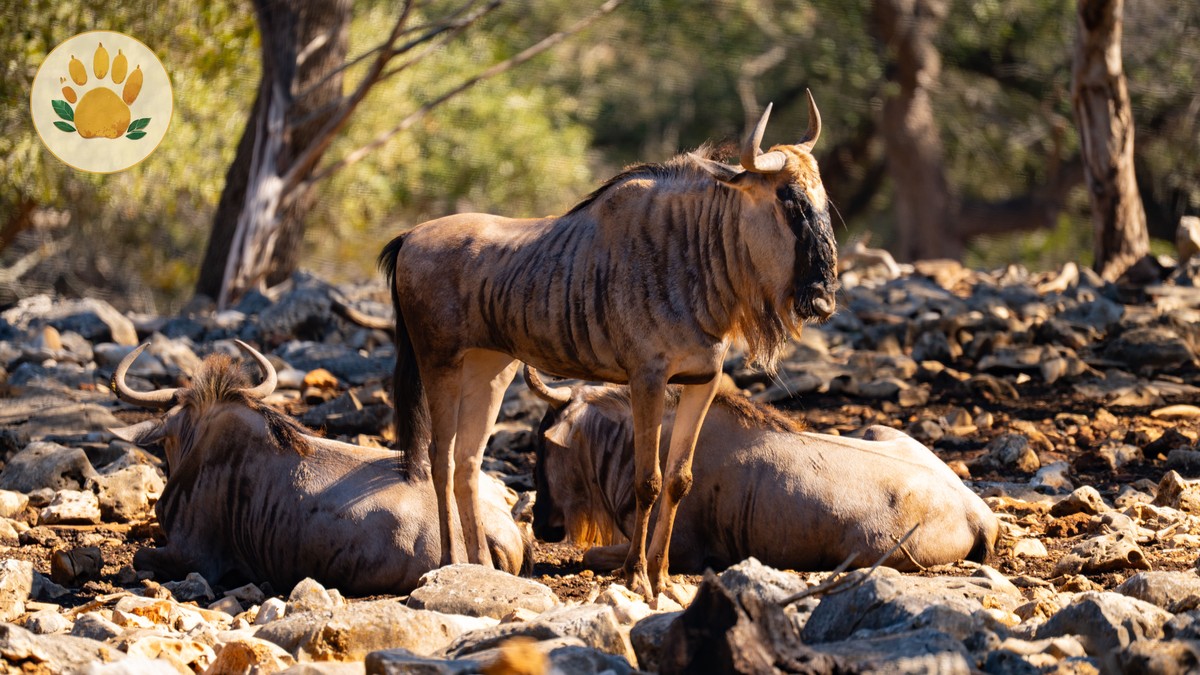
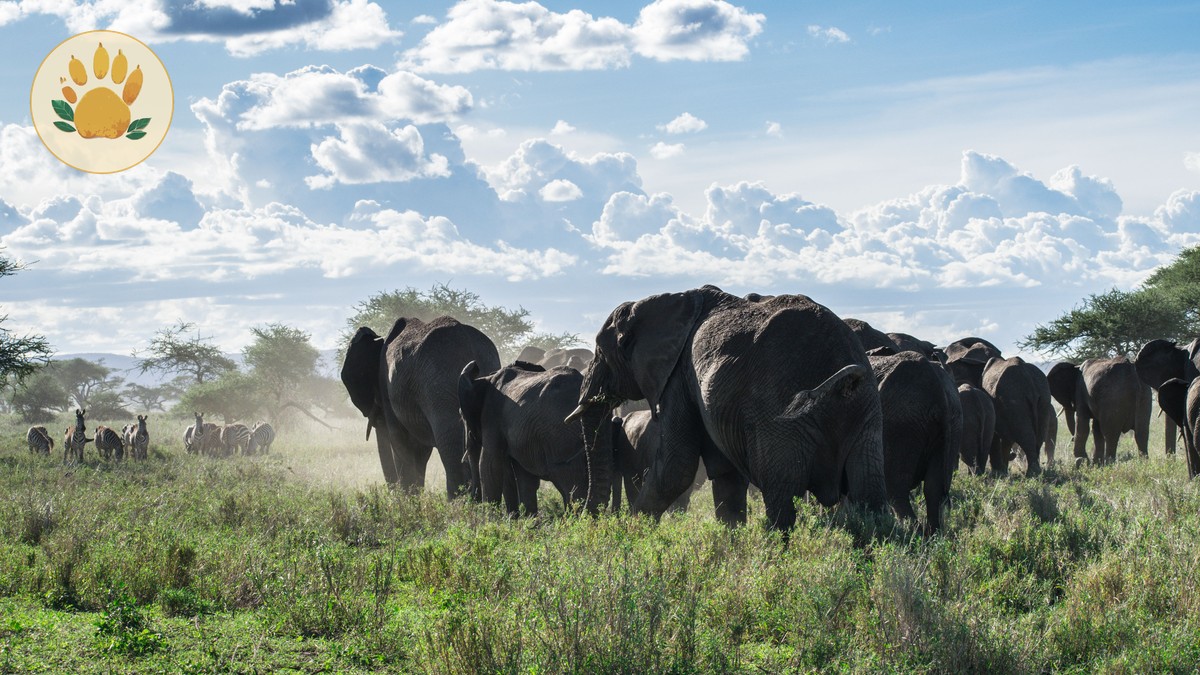
Roughly 1.5 million wildebeest, plus several hundred thousand zebra, move in a rough circuit through the Serengeti-Mara ecosystem. This area covers about 40,000 square kilometers spanning northern Tanzania and southwestern Kenya. They calve on the short grass plains of the southern Serengeti between January and March, then push north and west as the plains dry out.
The first river they meet is the Grumeti, in central-western Serengeti, usually from late May through July. The second, and the one most photographers mean when they say “the crossing,” is the Mara River, which the herds reach from late July onward and cross back and forth into October. Neither crossing is a single event. Herds gather, hesitate, sometimes turn back, and try again hours or days later.
Month-by-Month Migration Calendar
- January to March: Calving season on the Ndutu plains, southern Serengeti. No river crossings, but dense predator action.
- April to May: Herds move north through central Serengeti, long rains make roads heavy going.
- June: Grumeti River crossings begin near Singita Faru Faru, western Serengeti.
- July: Herds push toward the Mara River. First Mara crossings possible from mid-month.
- August to September: Peak crossing season at the Mara River, both the Kenyan and Tanzanian banks.
- October: Crossings continue but taper off as herds start drifting south again.
- November to December: Short rains push the herds back into the Serengeti’s eastern and southern plains.
The Best Month for the Wildebeest Migration Crossing
August and early September give you the most crossing days, but they also bring the most vehicles. Our guides track crossing activity at three points in the Mara Triangle: Lookout Point, Serena Crossing, and Purungat Bridge. Here is what three seasons of guide logs show.
| Month | Crossing point | Approx. crossing-active days (of month) | Vehicle density | Notes |
|---|---|---|---|---|
| Mid-July | Lookout Point | 8-12 days | Low to moderate | First arrivals, smaller herds, unpredictable |
| Early August | Lookout Point | 18-20 days | High | Most reliable window we track |
| Late August | Serena Crossing | 15-18 days | High | Strong second peak |
| September | Purungat Bridge | 10-14 days | Moderate | Herds spread out, fewer but calmer crossings |
| October | Lookout Point | 5-8 days | Low | Late stragglers, good light, thin crowds |
These are indicative figures drawn from our own guide logs for the 2023, 2024, and 2025 seasons, not a universal statistic. Rainfall shifts the calendar by two to three weeks most years, so treat any month as a probability, not a promise.
For a wildlife photographer, early August offers the best balance of crossing frequency and manageable light, since the herds are still moving in large, photogenic groups. October rewards patience with softer crowds and warmer late-afternoon light, but you may wait two or three days between crossings.
Can You Predict a River Crossing?
Not with certainty. Crossings depend on where the herds have grazed the grass down, where predators are stationed, and where the water is calmest. A herd can stand at the riverbank for six hours and walk away without crossing.
What guides can predict is which bank is more likely to be active on a given week, based on where the bulk of the herd was seen the day before. This is why a guide who drives the Mara Triangle daily during peak season is worth more than any calendar. Most crossings happen in the mid-morning, between 9am and noon, or again in the late afternoon, though a hungry, thirsty herd will cross at any hour.
Plan for at least three full days of game drives if you want a strong chance of witnessing one crossing. Five days pushes the odds close to certain during August and September.
Kenya’s Masai Mara or Tanzania’s Serengeti?
Both countries border the same river. The difference is logistics and crowd management, not the wildlife itself. If you are weighing the two, our guide to choosing between the Mara and the Serengeti for crossing season covers the trade-offs in more depth. In short, Kenya’s Mara Triangle gives easier road access and shorter transfer times from Nairobi, while Tanzania’s northern Serengeti around Kogatende offers more open space and fewer vehicles per sighting.
Masai Mara National Reserve conservation fees run around USD 100 to 200 per person per day depending on the sector and season, an indicative range since county rates change periodically. Serengeti National Park fees for non-residents run in a similar band, roughly USD 70 to 90 per 24 hours in high season. Confirm current rates before booking, since both authorities adjust them from year to year.
Where to Stay Near the Crossing Points
Camp choice affects your drive time to the river more than almost anything else. A camp 40 minutes from Lookout Point beats one 90 minutes away, every single crossing morning.
| Camp | Location | Distance to nearest crossing point | Indicative price per night (per person, high season) |
|---|---|---|---|
| Governors’ Il Moran | Mara Triangle, Kenya | About 20 minutes to Lookout Point | USD 900-1,200 |
| Sayari Camp | Northern Serengeti, Tanzania | About 30 minutes to Kogatende crossings | USD 1,100-1,400 |
| Singita Faru Faru | Western Serengeti, Tanzania | About 45 minutes to Grumeti crossings | USD 1,300-1,700 |
| Mara Serena Safari Lodge | Mara Triangle, Kenya | About 25 minutes to Serena Crossing | USD 450-650 |
Prices shift by season and availability, so treat these as a starting point for budgeting rather than a quote.
Planning a Migration Safari
Camps near the crossing points sell out six to twelve months ahead for August and September travel. If you can travel in July or October, four months of lead time is usually enough. Flights from Nairobi to Mara airstrips like Musiara or Keekorok take about 45 minutes, against a five to six hour road transfer covering roughly 270 kilometers.
Working with someone who tracks the herd’s position week by week matters more than the calendar month you pick. Our piece on picking an operator who times your trip to the crossings walks through what to ask before you book. If your time is limited, a short Masai Mara itinerary built around crossing season shows how to structure three days for the best odds.
The SafariPure Difference
We do not sell a generic July to October window and hope you get lucky. Our guides file crossing reports daily during migration season, and we use three years of that logged data to place clients at the crossing point most likely to be active that week, not just the one closest to camp. We also tell clients honestly when a chosen month has thin odds, rather than overselling the trip. A wildlife photographer booking with us gets a vehicle configured for photography, with roof hatches and beanbag support, and a guide who plans around morning and afternoon light, not just herd movement.
Frequently Asked Questions
What is the best month to see a wildebeest river crossing? Early August at Lookout Point gives the highest odds in our guide logs, though late August through September at Serena Crossing runs close behind.
Is August or September better for the Mara River crossing? August tends to have more crossing days and bigger herds. September brings fewer vehicles and calmer crossings as herds spread out.
Is it better to see the migration in Kenya or Tanzania? Both sides of the river work well during peak season. Kenya offers shorter transfers from Nairobi, Tanzania offers more open terrain and fewer vehicles.
How many days should I plan to actually see a crossing? Three full days of game drives gives a strong chance during peak season. Five days is close to certain in August and September.
Do wildebeest cross the river more than once? Yes. Herds often cross back and forth several times over a season, and sometimes within the same week, as they search for grazing on both banks.
Plan Your Crossing Season Safari
If you want your trip timed to the herds rather than the calendar, our team can build an itinerary around the crossing points most active in your travel month. Get in touch through our Masai Mara safari page or contact us to start planning.