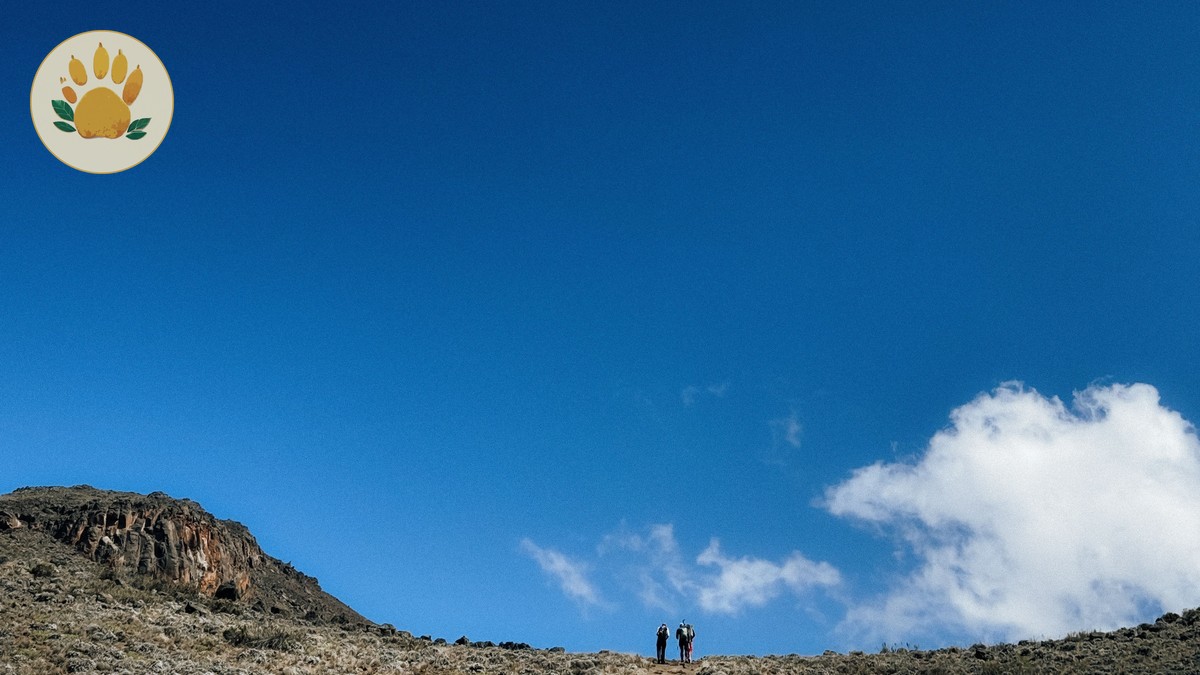
Amboseli National Park sits about 40 to 50 km northwest of Kilimanjaro’s summit. On a clear morning, the mountain fills the horizon behind the elephant herds. On a cloudy one, you would not know it was there at all. This guide breaks down the Amboseli Kilimanjaro views best month by month, using real odds instead of guesswork. Most guides will tell you January to February and June to October are the best months. That is true, but it hides an honest number. Even in those peak dry months, roughly one morning in three still starts with the peak wrapped in cloud.
This guide gives you the real odds and the exact window to be in position. It also covers the logistics that actually improve your chances, not just a list of good months.
Amboseli Kilimanjaro Views Best Month, Season by Season
Kilimanjaro pulls its own weather. Moist air rising off the mountain builds cloud through the day, almost every day, all year. Your job is not choosing a month with no clouds. It is choosing a month when clouds build slowly enough to leave a clear window at dawn.
Two stretches do this reliably in Amboseli:
January and February. This is the short dry season between the November short rains and the March-May long rains. Skies are driest and dust is lower, which sharpens contrast on the snow line. Daytime temperatures often reach 30°C.
June through October. The long dry season, cooler and dustier from grazing and wind, but with long stable clear mornings. July and August are the coolest months, with early mornings near 10°C in the Land Cruiser before sunrise.
March to May and November to December bring rain, which clears dust and can produce dramatic cloud breaks after a storm, but consistency drops.
Best Time of Day to See the Peak
Kilimanjaro is a morning mountain. Cloud typically builds from the base upward starting mid-morning. By 10:00 or 10:30, the summit is usually gone until late afternoon or the next dawn. The reliable window is 5:30 to 9:00 am.
Plan your first game drive to be at an open viewpoint, engine off, camera ready, by first light. This is also why morning game drives win for mountain views matters as much for photography as it does for predators. Waiting until after breakfast to head out is the single most common reason visitors miss the mountain entirely.
Dry Season vs Green Season Trade-offs
| Factor | Jan-Feb (short dry) | Jun-Oct (long dry) | Mar-May / Nov-Dec (wet) |
|---|---|---|---|
| Kilimanjaro visibility odds, dawn | ~65-70% | ~70-75% | ~35-45% |
| Dust and haze | Low-moderate | Moderate-high (Jul-Sep) | Low, washed clean |
| Landscape color | Golden, dry | Dry, dusty gold | Green, lush |
| Crowds | Moderate | High (Jul-Aug peak) | Low |
| Indicative lodge rate, mid-range double | USD 350-450/night | USD 400-550/night | USD 220-320/night |
| Best for | Balanced light, fewer crowds than Jul-Aug | Most reliable clear mornings | Value, dramatic post-storm skies |
Figures are indicative 2026 planning ranges and vary by lodge and booking lead time.
Where to Stand: Best Viewing Spots in Amboseli
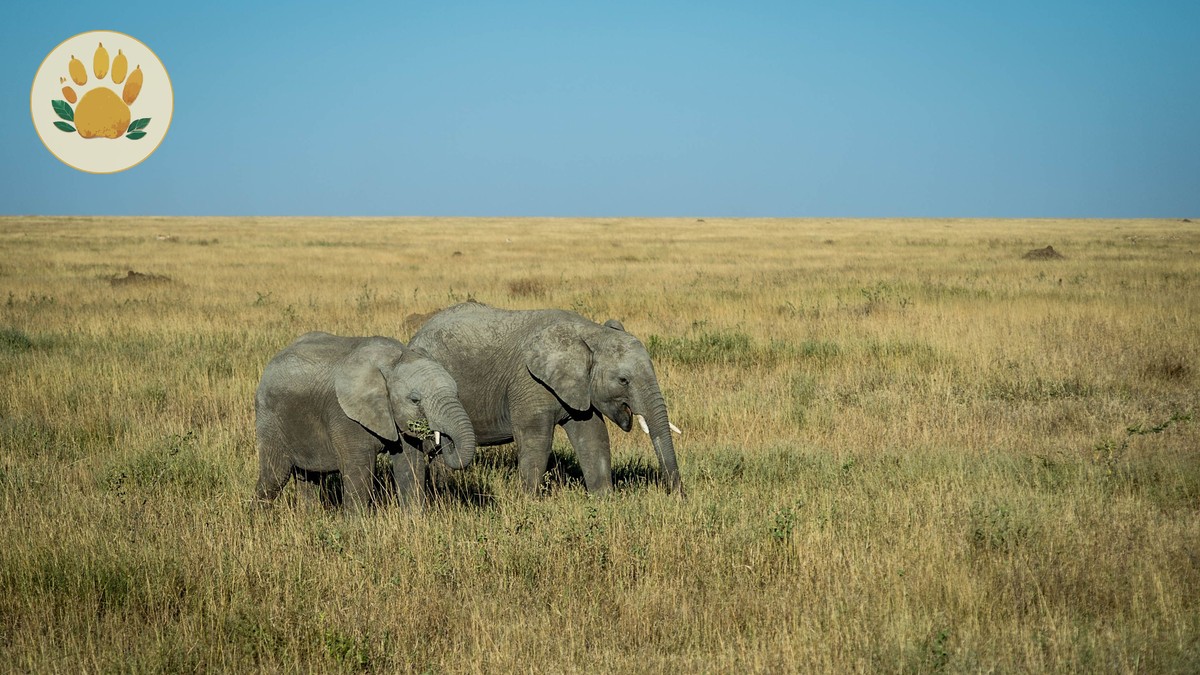
The clearest sightlines come from the open plains near Observation Hill and the Ol Tukai area. You get an unobstructed line south, with elephants often crossing in front of the mountain. The swamps around Enkongo Narok and Longinye also work well at dawn. Mist over the marsh grass adds foreground depth without blocking the peak itself. Avoid the denser bush near the park’s eastern edge, where acacia stands crowd the horizon.
Photography Tips for a Clear Shot
For a wildlife photographer, Kilimanjaro is as much a composition problem as a weather one. A few practical notes:
- Bring a mid telephoto, 100-300mm range, to compress the mountain behind foreground wildlife without losing the animal to a tiny silhouette.
- Shoot before 8:00 am when light is warm and side-angled, which brings out the texture on the snow cap instead of flattening it.
- Ask your driver-guide for a vehicle with a pop-up roof and request the north-facing side of the vehicle when the mountain is your subject, since window glare kills contrast fast.
- Underexpose slightly, by about two-thirds of a stop, to hold detail in the snow against the bright sky.
Lodges with the Best Kilimanjaro Views
A handful of properties are worth naming, since not every camp in Amboseli faces the mountain.
Ol Tukai Lodge sits centrally in the park with direct, unobstructed views from its gardens and several rooms. Ask for a Kilimanjaro-facing room at booking, not on arrival, since these fill first.
Tortilis Camp, run by Elewana, is built on a rise on the park’s southern edge specifically for the view. Most tents face the peak directly.
Amboseli Serena Safari Lodge has strong mountain views from its lawns and pool deck, with a slightly lower rate than Tortilis.
Kibo Safari Camp and Sentrim Amboseli are solid budget options just outside the park gate, though views are less consistent due to tree cover.
How Many Days You Need to Improve Your Odds
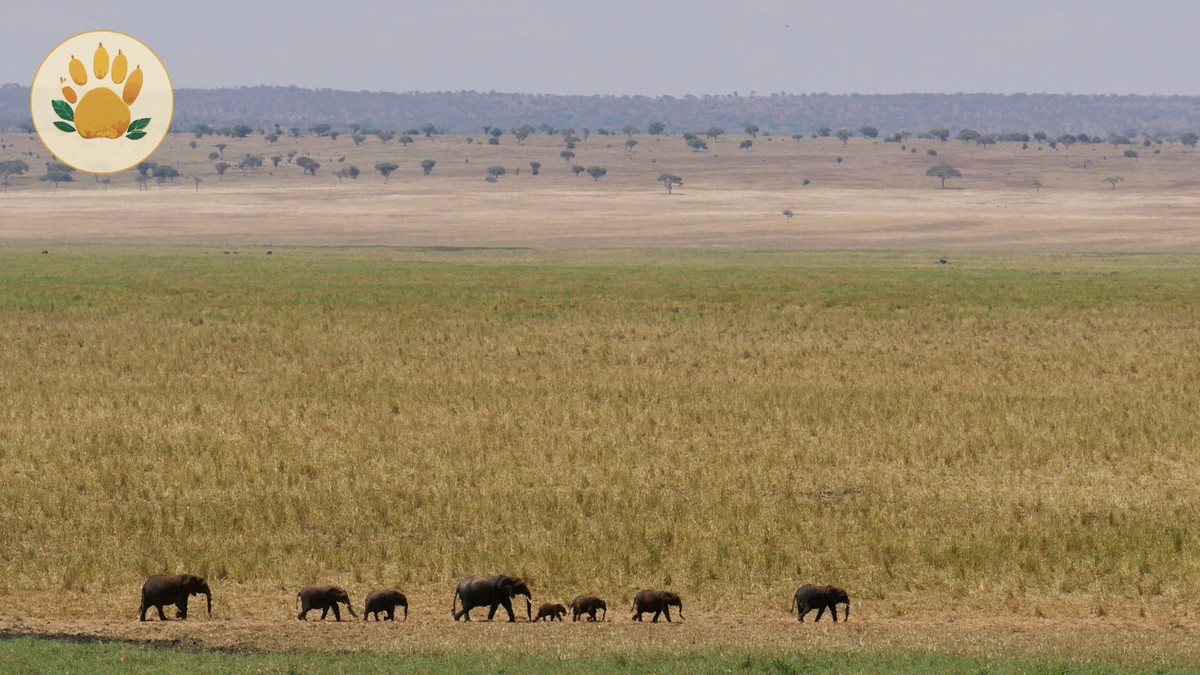
With roughly one clear dawn in three even in peak season, a single night is a gamble. Two nights gives you two dawn attempts and pushes your odds of at least one clear view above 80%. Three nights pushes that past 90% and gives you a spare morning if weather runs against you. This is what we recommend for anyone building a photography-focused stop. If Amboseli is one stop on a longer trip, this is worth factoring into building Amboseli into a 7-day Kenya itinerary. A rushed one-night stop is the most common regret we hear afterward.
Safari Cost by Season
Beyond lodging, budget for park fees, transport, and guiding. A rough 2026 planning range per person, per day, all-inclusive:
- Budget camps and shared vehicles: USD 180-280
- Mid-range lodges with private guide: USD 350-550
- Luxury camps like Tortilis: USD 600-900
Flights from Nairobi’s Wilson Airport to Amboseli’s airstrip run about 45 minutes and typically add USD 150-250 each way. Driving from Nairobi covers about 240 km via Emali and takes 4 to 4.5 hours on tarmac and graded murram road.
Crowds and Booking Pressure
July and August are Amboseli’s busiest months, driven by both dry-season weather and northern hemisphere summer holidays. Viewpoints and swamp-edge tracks can feel crowded by mid-morning. January and February see fewer vehicles for similar visibility odds. That is one reason we lean toward the short dry season for photographers who want space to work. If you are also weighing other parks, it is worth deciding how many parks to combine with Amboseli before locking in dates. Tsavo West offers a different, more distant Kilimanjaro angle, with fewer crowds but lower visibility odds overall.
Park Fees and Practical Logistics
Kenya Wildlife Service entry fees for Amboseli in 2026 are approximately USD 60 per adult non-resident, per 24-hour period, and USD 35 per child. These figures are indicative and subject to KWS revision, so confirm current rates before travel. Fees are usually included in lodge or tour packages rather than paid separately at the gate.
Is Amboseli still worth visiting if the mountain stays hidden? Yes. The park holds one of Kenya’s largest free-ranging elephant herds, along with lions, hyena, and over 400 bird species around its swamps. Kilimanjaro is the bonus, not the whole trip.
The SafariPure Difference
We do not promise a guaranteed mountain view, because nobody honestly can. What we do is build the itinerary around the odds. That means booking Kilimanjaro-facing rooms by name and scheduling your first game drive before first light. It also means holding at least two nights in Amboseli rather than one rushed stop. It is the difference between hoping for a clear dawn and giving yourself three real chances at one.
Plan Your Amboseli Trip
Want an Amboseli stop built around real sunrise odds and named lodges? We can build a pace that leaves room for the mountain to show itself. Start planning your safari with SafariPure. We will work the details around the light, not the other way around.