If you’ve already sat in a vehicle at a Masai Mara river crossing, or watched lions from a queue of six other trucks in Amboseli, Laikipia asks a different question. Not “what will I see,” but “how close, and on what terms.” This laikipia conservancy safari guide is built for exactly that shift.
Laikipia sits on the high plateau north of Mount Kenya, roughly 200 km from Nairobi. It has no single national park. Instead it is a patchwork of private and community conservancies, each with its own rules, rangers, and specialty. That structure is exactly what makes it worth a second trip. Conservancies allow night game drives, walking safaris, and horseback or camel activity that national parks like the Mara and Amboseli restrict or ban outright.
This guide skips the property brochure approach. It names which conservancy does what, what it actually costs per day in 2026, and where Laikipia genuinely beats a first-timer itinerary, and where the Mara still wins.
The Laikipia Conservancy Safari Guide: How the Model Actually Works
Every Laikipia conservancy charges a per-person, per-night conservancy fee, separate from your lodge rate. That fee funds anti-poaching patrols, community schools, and grazing programs for the Samburu and Maa herders who share this land with wildlife. It is not a park entry ticket you pay once. It accrues nightly, and it usually shows up bundled into your lodge quote rather than billed separately.
Ownership varies by conservancy. Ol Pejeta, Lewa, and Borana are private trusts. Il Ngwesi, Naibunga, and El Karama involve community land trusts where lodge profits fund the trust directly. Both models fund conservation, but community-owned stays put more of your money visibly into the local Samburu or Laikipiak Maasai community running the lodge.
Choosing a Conservancy by What You Actually Want
A repeat visitor rarely wants “more of the same wildlife.” Match the conservancy to the specific gap your first safari left.
| Conservancy | Known for | Wild dogs | Fee (per person/night, 2026 indicative) | Lodge range (per night) |
|---|---|---|---|---|
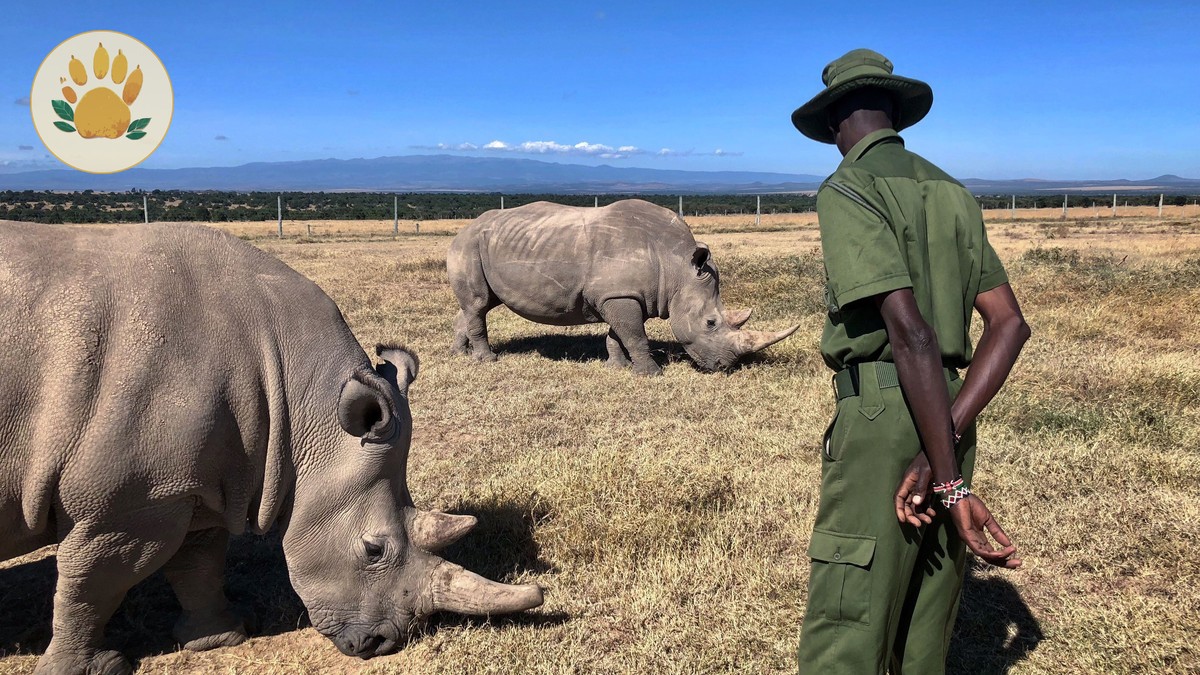
| Ol Pejeta | Largest black rhino population in East Africa (~170), last two northern white rhinos | Occasional | $95-130 | $350-900 |
| Lewa Wildlife Conservancy | UNESCO site, rhino sanctuary, Grevy’s zebra | Occasional | $100-140 | $500-1,100 |
| Borana | Rhino and lion tracking on foot, horseback safaris | Resident packs some seasons | $90-120 | $450-950 |
| Loisaba | Star-bed camping, cycling, camel trekking | Regular den sites | $80-110 | $350-850 |
| Solio | Highest rhino density in Kenya, both species | Rare | $60-90 | $250-500 |
| Il Ngwesi | Community-owned, first community lodge in Kenya | Rare | $50-80 | $300-600 |
These figures are indicative 2026 planning ranges, not published rate cards. Always confirm current fees with the specific lodge, since conservancies revise them annually.
For dedicated rhino tracking on foot, look at Borana Conservancy’s rhino and lion tracking or Solio Rhino Sanctuary, Laikipia’s other rhino stronghold. Both let you approach rhino at walking distance with an armed ranger, something no national park in Kenya permits.
Lewa and Borana: Neighbors, Not Twins
Lewa and Borana share a fence line, and animals move freely between them, but the experience differs. Lewa is larger at roughly 25,000 hectares, more established, and built around its rhino sanctuary and open plains game viewing. Borana is smaller, at around 14,000 hectares, hillier, and leans into activity: horseback safaris alongside rhino, sundowner rides, and a working cattle ranch feel that Lewa’s more formal setup doesn’t have. If you want to ride a horse near a black rhino, Borana is the answer. If you want the widest single population of black and white rhino in one sanctuary, Lewa wins.
Where the Wild Dogs Actually Are
African wild dogs move across territories that can exceed 200 square km, so no conservancy guarantees a sighting. That said, Loisaba and Mugie have hosted denning packs most years recently, making them the better bet over a 3 to 4 night stay. Ol Pejeta and Lewa see dogs passing through but less predictably. If wild dogs are your main target, build in at least three nights at Loisaba or Mugie rather than one night at several properties.
What You Couldn’t Do in the Mara
This is the real case for a second Kenya trip. National parks like the Mara and Amboseli restrict driving to daylight hours and to designated tracks, and walking is not allowed. Laikipia conservancies typically permit:
- Night game drives with a spotlight, when nocturnal species like aardvark, genet, and hunting leopard are active
- Walking safaris with an armed ranger, often combined with rhino tracking
- Horseback safaris at Borana, Ol Malo, and Sosian, moving quietly among plains game
- Camel trekking at Loisaba and in the Mathews Range communities to the north
None of this is available inside the Mara National Reserve itself, though some private Mara conservancies (Mara North, Naboisho) do allow walking and night drives on a smaller scale.
Getting There from Nairobi
Most conservancies sit within a two to four hour drive of Nairobi, or a 45 to 60 minute flight.
| Route | Distance | Road time | Flight time (Wilson Airport) | Typical cost |
|---|---|---|---|---|
| Nairobi to Nanyuki | ~200 km | 3.5-4 hrs | 40-50 min | $150-220 one-way flight |
| Nairobi to Lewa airstrip | ~230 km | 4-4.5 hrs | 45-55 min | $170-240 one-way flight |
| Nairobi to Loisaba airstrip | ~260 km | 5 hrs | 50-60 min | $180-260 one-way flight |
| Lewa/Nanyuki to Samburu NR | ~110 km | 2-2.5 hrs | n/a (road only) | included in transfer |
Road transfers work if you’re combining Laikipia with a Mount Kenya stop. For a tighter schedule, scheduled flights on Safarilink or AirKenya connect Wilson Airport to most conservancy airstrips daily.
Budgeting a Realistic Day
A fair per-person daily budget in a mid-range Laikipia conservancy in 2026 looks like this: lodge rate $400 to $600, conservancy fee $80 to $130, and activities like horseback or night drives usually included rather than extra. That puts a realistic all-in day around $500 to $750 per person, meaningfully above a comparable Mara mid-range camp at $350 to $500 per day. You’re paying for lower density, exclusivity, and activities the Mara can’t legally offer.
Best Time to Visit
June through October and January to February are driest and best for game viewing, with clearer horseback and walking conditions. November’s short rains bring green scenery and fewer vehicles, though wildlife disperses more widely. Avoid April and May, when heavy rains can close some airstrips and tracks.
Combining Laikipia with the Mara or Samburu
Samburu National Reserve is a natural add-on, roughly two hours by road from Lewa or Nanyuki, and brings species Laikipia lacks, like reticulated giraffe and gerenuk. Combining Laikipia with the Mara requires flying back through Nairobi, since there’s no direct link, adding a half day of travel. A realistic itinerary for a second Kenya trip is four nights Laikipia, three nights Samburu, skipping the Mara entirely since you’ve already done it.
The SafariPure Difference
We don’t sell Laikipia as an upgrade from the Mara. It isn’t one. Predator density is lower, and per-night costs run higher. What we do is match the conservancy to what your first trip didn’t give you, whether that’s rhino on foot, a real shot at wild dogs, or a horse instead of a Land Cruiser. We quote conservancy fees and lodge rates together, as one number, so there’s no surprise on arrival. And we tell you honestly when three nights in one place beats five nights split across two.
If you’re weighing when to lock in dates, our guide on how far ahead to book a conservancy stay covers the lead times that matter most for peak months.
Plan Your Laikipia Trip
If you’ve done the Mara and want to know exactly which Laikipia conservancy fits what you’re after, we’d like to help you plan it properly. Get in touch with SafariPure to start building an itinerary around rhino tracking, wild dogs, or a few quiet nights on horseback.