You have seen the Mara. That changes the way you read this question.
Ol Pejeta Conservancy is the famous northern Kenya rhino sanctuary. It is easy to reach, practical for self-drive, and full of structured wildlife experiences. Borana Conservancy sits deeper into Laikipia, beside Lewa. It offers guided access only, lower vehicle density, and some of Kenya’s best riding. Most Laikipia safari routes include one or the other. This comparison looks at the choices you will actually face.
Should your next safari be Borana or Ol Pejeta?
Choose Ol Pejeta for easier access, self-drive flexibility, lower entry costs, and landmark rhino conservation experiences. Choose Borana for a more private, activity-led safari with horseback riding, guided drives, and a quieter setting connected to Lewa. Neither is universally better: Ol Pejeta wins on value and convenience, while Borana wins on exclusivity and riding.
That verdict shapes everything below. Start there, then match the detail to your travel style.
Which has better rhino viewing: Borana or Ol Pejeta?
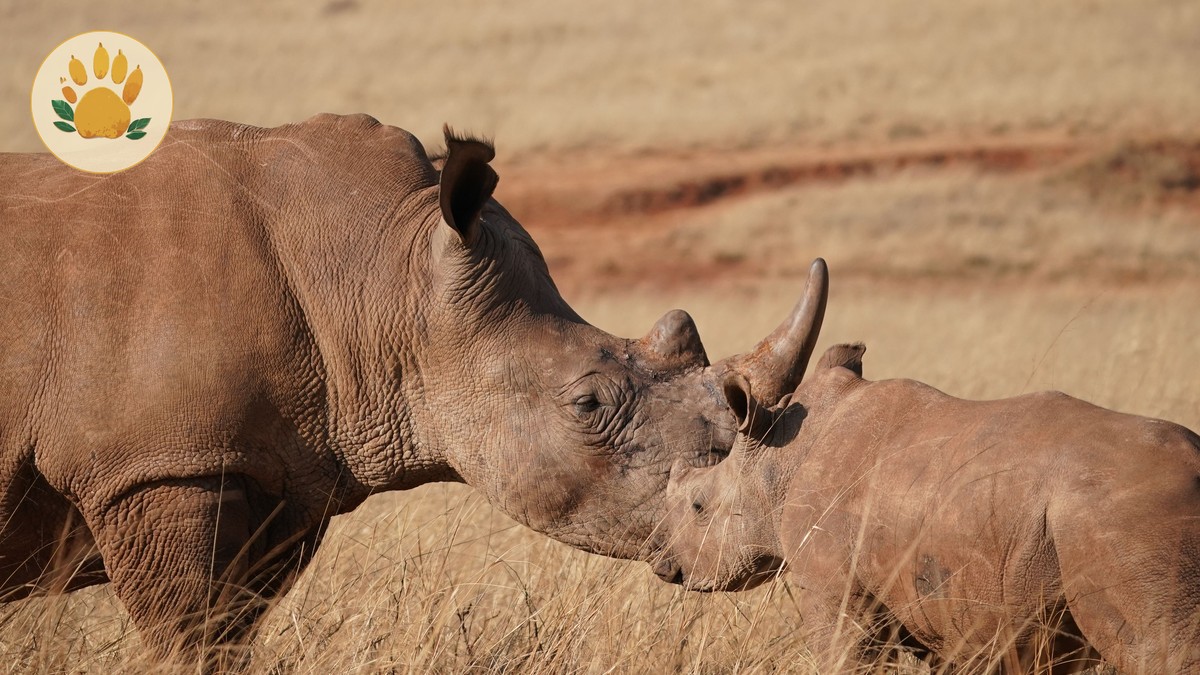
Ol Pejeta is the stronger choice for concentrated rhino conservation, including the world’s last two northern white rhinos and a major black rhino sanctuary. Borana offers excellent rhino viewing across a connected landscape with Lewa, often with fewer vehicles, plus good chances for giraffe, zebra, lion, and other Laikipia wildlife.
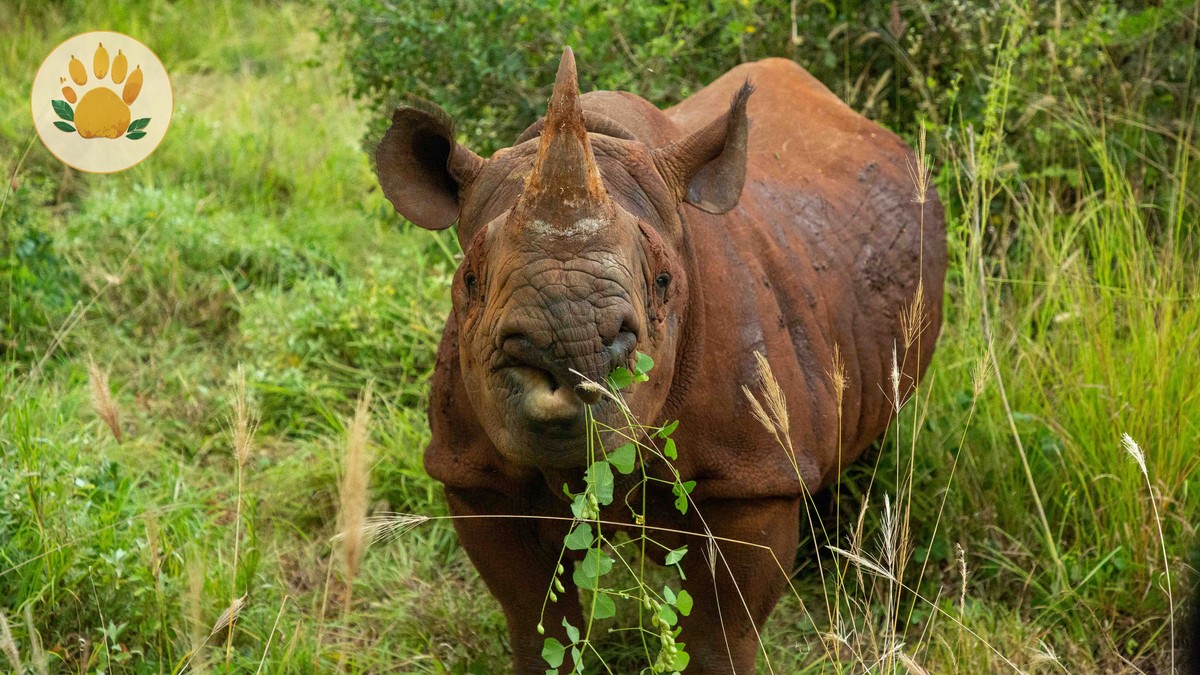
If your trip is a Kenya rhino safari, Ol Pejeta delivers dependably. The black rhino population is fenced and closely managed, so sightings are regular. Rangers guard the northern white rhinos around the clock. A visit to that enclosure is an emotional conservation moment, though you will share it with other vehicles.
Borana Conservancy works differently. Its land opens into the Lewa ecosystem, so rhino move across a wider area. You may drive longer between sightings. When you find a rhino, you often have the moment to yourself. For repeat visitors, that quiet is the whole point.
If Lewa also interests you, our Ol Pejeta vs Lewa safari comparison adds the third piece of the puzzle.
What can you do at Borana and Ol Pejeta?
Borana offers the more distinctive activity menu, especially horseback safaris, walking, sundowners, and guided wildlife viewing in a low-density conservancy. Ol Pejeta provides more structured conservation experiences, including northern white rhino visits, lion tracking, night drives, dog tracking, and guided walks, making it more varied for first-time visitors and families.
Borana’s riding unit is a main reason people search horseback safari Kenya. Rides range from short outings to full-day adventures, and your camp matches the horse to your ability. Non-riders can take a vehicle while the riding group follows game on horseback.
Ol Pejeta has a wider daily menu. The Sweetwaters Chimpanzee Sanctuary sits inside the conservancy, and researchers run lion tracking sessions. You can combine a morning rhino drive, an afternoon chimpanzee visit, and a night drive in one stay. Borana has fewer structured projects. Its pleasures are quieter and more open.
How much does a Borana or Ol Pejeta safari cost?
Ol Pejeta generally costs less: official non-resident entry is $110 per adult per day, with activities priced separately, while indicative lodge rates commonly range from about $350 to $900 per person nightly. Borana’s indicative lodge range is roughly $500 to $1,100, and its conservation fee is often bundled into accommodation, so compare the full package rather than the headline rate.
| Detail | Ol Pejeta Conservancy | Borana Conservancy |
|---|---|---|
| Non-resident entry | $110 per adult per day | Usually bundled into lodge rates (indicative) |
| Lodge rate per person per night | $350 to $900, indicative | $500 to $1,100, indicative |
| Guided access required | No, self-drive allowed | Yes, guided safari only |
| Distance from Nairobi by road | About 200 km, roughly 4 hours | Around 275 km, expect a longer day |
| Nearest airstrip | Nanyuki, about 45 minutes by air from Nairobi | Borana or Lewa Downs airstrips |
| Signature rhino experience | Northern white rhino enclosure, black rhino sanctuary | Connected Borana-Lewa rhino range with lower vehicle density |
Ol Pejeta entry fees are only the start. Activities like the northern white rhino visit are priced separately. Ask for a full itinerary quote, not just the gate charge. A full Ol Pejeta safari cost breakdown shows where the money goes.
Borana’s higher nightly rate usually covers more. Most camps include conservancy fees, guided drives, and some activities. That hides part of the cost difference, so read what is included before you compare totals. For wider planning, our Laikipia safari costs guide maps the whole region.
How do you get there, and can you self-drive?
Ol Pejeta is the easier add-on from Nairobi, taking roughly four hours by road or about 45 minutes from Nairobi to Nanyuki airstrip, followed by a short transfer. Borana is farther by road, around 275 kilometres from Nairobi, and is reached by a longer transfer from Borana or Lewa Downs airstrips. Ol Pejeta permits self-drive; Borana requires guided safari access.
Most self-drivers take the A2 highway north from Nairobi toward Nanyuki. Both conservancies sit in the same Laikipia neighbourhood, but the final stretch differs. Ol Pejeta has well-marked internal roads, and the conservancy office checks you in at the gate. You can follow a map through the sanctuary at your own pace.
Borana does not allow self-drive. Guests stay with a guide, and game drives leave from the camp or lodge. That rule keeps vehicle numbers low and protects the wildlife experience. If you prefer flying rather than driving, Nanyuki is the gateway for Ol Pejeta, while Borana and Lewa Downs airstrips serve the eastern side of the landscape.
Which conservancy suits families, photographers, and horseback riders?
Families usually benefit more from Ol Pejeta’s easier logistics, varied activities, and flexible accommodation range. Borana is the better match for horseback riders, couples seeking privacy, and repeat safari travellers who value distinctive experiences over the lowest price.
For families, Ol Pejeta wins on pace. Short drives, guided walks, and the chimpanzee sanctuary keep different ages engaged. Borana suits families who already ride well and want a quieter camp atmosphere.
For photographers, think about style. Ol Pejeta gives reliable subjects: rhino, lion, and the famous northern white rhino pair. Borana gives cleaner frames, softer golden light, and fewer cars in the shot. If a rhino portrait with no other vehicle matters, Borana earns the extra cost.
For riders, the answer is clear. Horseback safari Kenya at its best happens on Borana’s open ridges with Mount Kenya on the horizon.
The SafariPure Difference
At SafariPure, we plan Laikipia trips for travellers who have already done a classic Kenya safari and want something more deliberate. We ask about your dates, budget, and travel style before recommending a route. That field-level check is the SafariPure Difference. We would rather send you to a quiet Borana morning than the busiest hour at Ol Pejeta, unless that rhino moment is exactly why you came.
Borana vs Ol Pejeta Safari: Which Should You Book?
Choose Ol Pejeta if you want value, easy access, self-drive freedom, and full days of conservation experiences. Families and first-time safari visitors usually feel less friction there. Choose Borana if you want low vehicle density, guided exclusivity, horseback riding, and a landscape that opens into Lewa. Repeat Kenya visitors and confident riders often land on this side.
If time and budget allow, take both. Start at Ol Pejeta for the rhino projects, then move to Borana for the quiet. A combined northern Kenya route can work well over four to seven nights.
Tell SafariPure your dates, your budget, and what matters most to you. We will recommend one conservancy or a mix, then handle the planning. Start on our contact page, and we will build the route together.