A northern kenya conservancy safari cost typically runs $300-$600 per person per day for a comfortable road-based trip, $600-$1,000 for a stronger mid-range camp, and $900-$1,500 or more for luxury fly-in properties. These figures usually cover accommodation, meals, game drives, guiding, and conservancy fees. International flights and some transfers cost extra.
Northern Kenya is not one single price. The region covers community conservancies, private ranches, and national parks, each with its own fee structure. SafariPure built this guide to walk you through the real numbers so you can plan with clarity.
The Northern Kenya Conservancy Safari Cost by Budget: 3 Clear Tiers
This cost most often falls into three tiers. The first is road-based and practical. The second adds comfort and private land. The third buys exclusivity and fly-in access.
| Tier | Price per person per night | Example areas | Transport | Typical camps |
|---|---|---|---|---|
| Comfortable road-based | $300-$600 | Samburu, Ol Pejeta | Road only | Samburu Intrepids, Sweetwaters Serena |
| Mid-range premium | $600-$1,000 | Kalama, Sera, Loisaba road access | Road or shared charter | Saruni Samburu, Sera Wilderness |
| Luxury fly-in | $900-$1,500+ | Loisaba (Laikipia), Larsen’s Camp (Samburu National Reserve) | Private charter, sometimes road | Loisaba Tented Camp, Larsen’s Camp, scarce private-use villas |
These ranges reflect real camp rates for 2026 and include the nightly conservancy fee. High season, from July to October and December to January, costs more. Green season, from April to June, often costs 20-30% less at the same camp.
1. Know What Conservancy Fees Include
Conservancy fees support landowners, wildlife protection, and community programs. They may be charged per person per night or folded into the camp rate. Indicative figures range from $60-$100 at Sera to about $110 at Ol Pejeta and around $150 at Loisaba.
Ask any camp for an itemized quote showing accommodation, conservancy fee, transfers, and park entry separately. Many camps bundle the fee in. Some smaller Laikipia operations list it apart.
Compare Ol Pejeta’s roughly $110 fee to KWS national park fees nearby. A non-resident adult pays USD 90 per day at Lake Nakuru National Park. Conservancies charge more, but the money funds private land, anti-poaching teams, and lower vehicle density.
2. Match the Conservancy to Your Wildlife Priorities
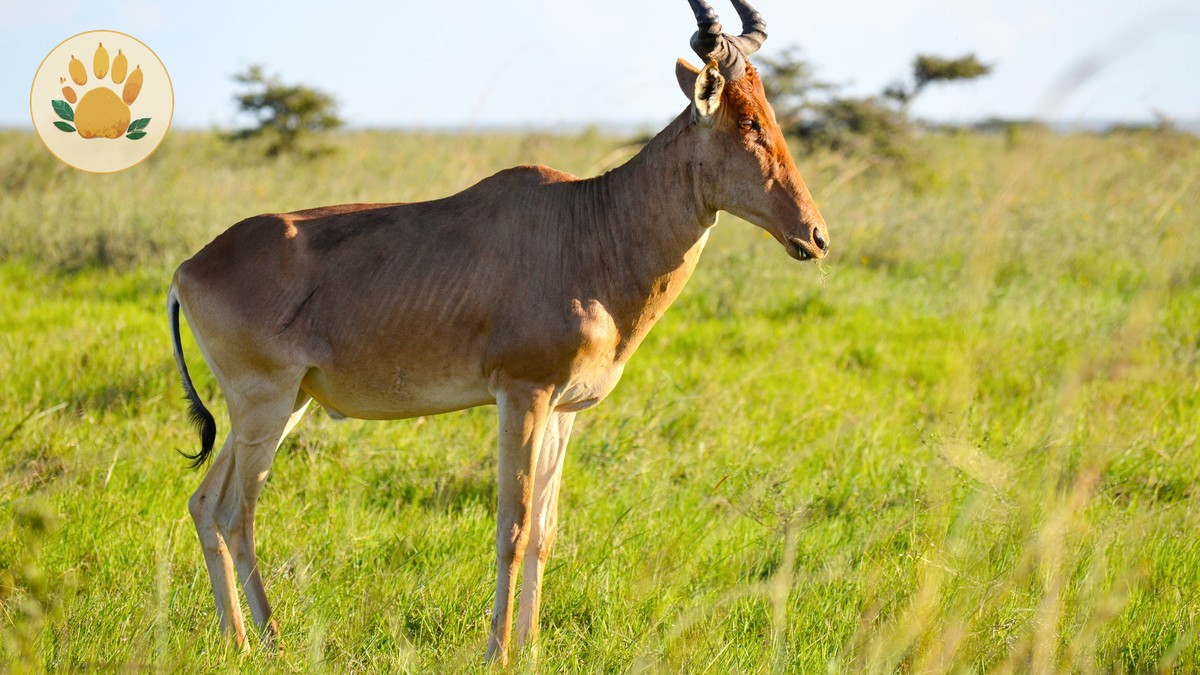
Samburu and Kalama offer the clearest access to northern Kenya’s specialist wildlife. Loisaba and Sera cost more once fly-in logistics or private land are factored in. A practical planning range is $350-$700 per person per night for quality camps, rising to $900-$1,400+ at top luxury properties.
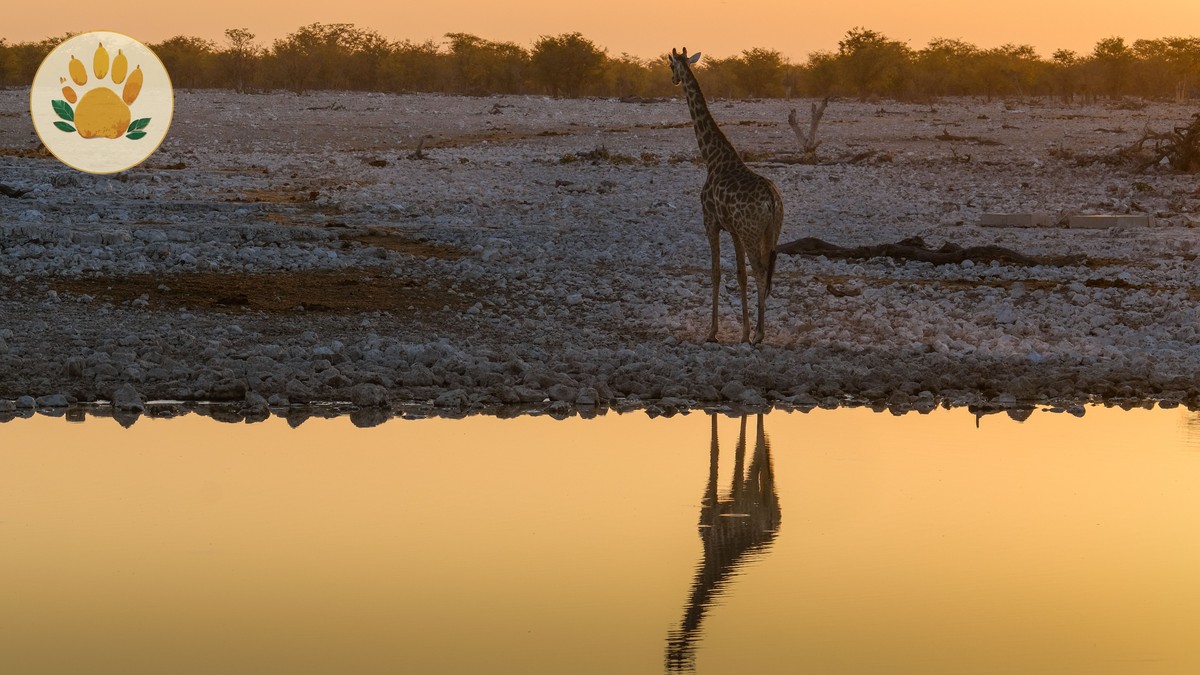
- Samburu National Reserve and its neighboring community conservancies: dry-country species including reticulated giraffe, Grevy’s zebra, Beisa oryx, and Somali ostrich. Samburu National Reserve is administered at the county level, with entry fees around USD 80 per adult per day for non-residents. Camps in adjacent conservancies like Kalama and Westgate charge separate nightly rates.
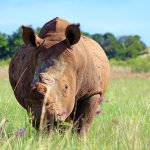
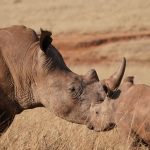
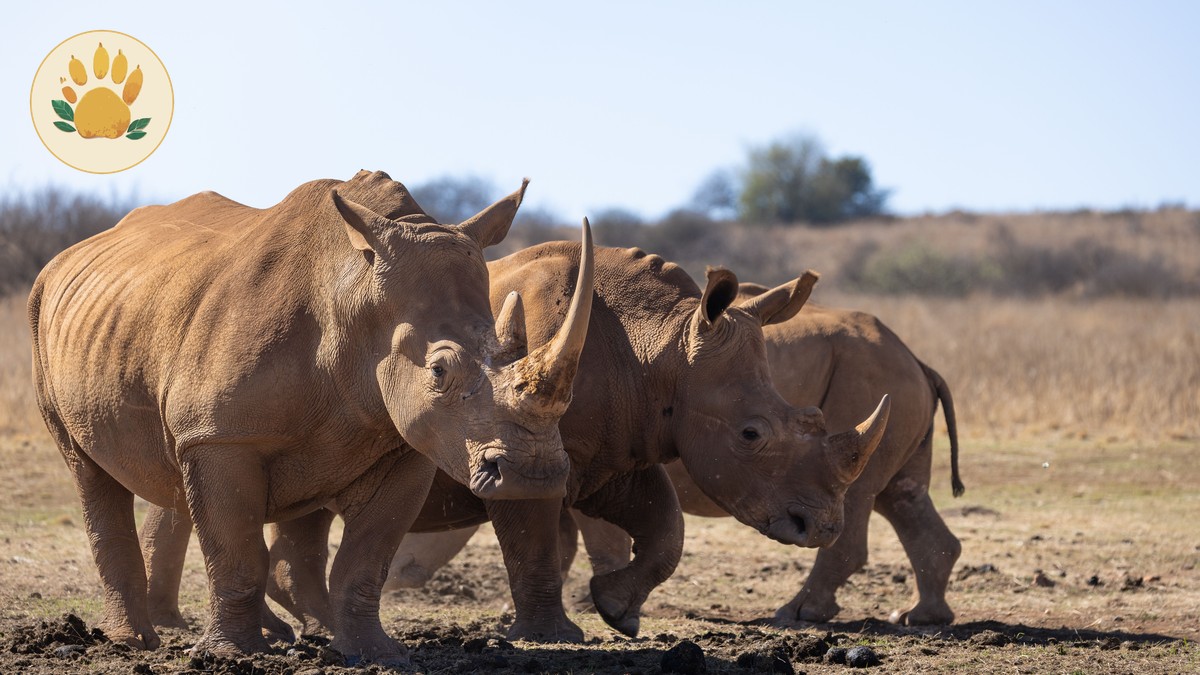
- Ol Pejeta Conservancy in Laikipia: black rhino, a chimpanzee sanctuary, and the last two northern white rhino. Its $110 nightly fee is usually bundled into the lodge rate. See SafariPure’s Ol Pejeta safari costs page for camp examples.
- Loisaba Conservancy: big sky country with elephants, wild dogs, and horseback or camel walking. It is private land, so rates run higher, typically $900-$1,200 per person per night.
- Sera Rhino Sanctuary in northern Samburu: a community-run sanctuary where black rhino roam free. The conservancy fee runs $60-$100 per person per night.
- Kalama Conservancy: a community conservancy bordering Samburu National Reserve, with fewer vehicles at sightings. Camps such as Saruni Samburu charge roughly $600-$900 per person per night.
For a full route, see this northern Kenya rhino safari itinerary.
3. Check What the Rate Actually Covers
An all-inclusive conservancy rate usually covers a tent or room, full-board meals, game drives, a guide, local drinks, and the conservancy fee. It often excludes international flights, gratuities, premium alcohol, spa treatments, air transfers, and excursions outside the conservancy. Compare inclusions line by line, not just headline prices.
Typical inclusions: full-board meals, shared game drives, a professional guide, the conservancy fee, house drinks, and laundry at luxury camps.
Typical exclusions: international and domestic flights, road transfers unless stated, premium spirits, spa treatments, extra activities such as night drives or cultural visits, and tips.
The two biggest cost surprises are air transfers and conservancy fees. A shared charter from Nairobi Wilson to Loisaba or Sera costs roughly $350-$600 per person one way. A private charter can exceed $1,000 one way. Road transfers from Nairobi to Samburu take five to six hours and cost roughly $150-$300 per vehicle.
4. See How Season and Trip Length Change the Daily Cost
Peak dates, short stays, and fly-in transfers push the daily cost up the most. Staying three to five nights spreads transfer costs better than a one- or two-night visit. Peak conservancy fees may also rise from roughly $80-$100 to $130-$150 per person per night.
Ol Pejeta’s fee has climbed in recent years and now sits near $110 per adult per night. Loisaba’s fee runs closer to $150 in high season. Fees usually cover children at a lower rate, so confirm ages when booking.
Trip length changes the math. A two-night stay at Loisaba can push the effective nightly rate near $1,000 once you spread a $400 one-way charter across the visit. Over four nights, that same charter adds only $200 per night.
5. Compare Conservancy Pricing to National Park Alternatives
A conservancy safari often costs more than a basic national-park stay because the rate funds private land, lower vehicle density, night drives, and walking. Conservancy rates often bundle accommodation and fees together, while public-park entry and camp costs are usually listed separately.
A non-resident adult pays USD 80 per day at Tsavo East or Tsavo West, and USD 90 at Amboseli or Lake Nakuru. Samburu National Reserve fees are set at the county level and commonly reach about USD 80 per non-resident adult per day.
A conservancy rate of $400-$600 per person per night at a quality camp usually beats a national-park stay on value. You get a better guide-to-guest ratio, fewer vehicles at sightings, and fees that go directly to local landowners and rangers. That is part of what sets SafariPure’s conservancy picks apart from standard park bookings. For a regional comparison, read the Laikipia safari cost breakdown.
Build Your Northern Kenya Safari Budget: 7 Practical Steps
Use this checklist to avoid surprises when you plan your safari.
- Choose the conservancy or reserve first, based on wildlife.
- Pick two or three camps in your price tier and request itemized quotes.
- Confirm whether conservancy fees are included or added per night.
- Add road or air transfers to your total.
- Check the season. High season raises camp rates and some fees.
- Confirm the vehicle: private 4×4 versus shared game drives.
- Compare the total per person per night, not the headline rate.
Your Next Step
Pick the conservancy that matches your wildlife wish list, then ask SafariPure for a draft itinerary with an itemized quote. Send the northern Kenya species you most want to see, and SafariPure will match you to the right camp in your budget tier. Plan your northern Kenya safari with SafariPure today.