Kenya safari guide for Russian speakers starts here. Planning your first safari from Russia means handling a long list before you see a lion. This guide covers the eTA, flights, payments, park fees, routes, and language support. The goal is a transparent planning sheet. If you remember one number, make it this: a realistic seven-day Kenya safari starts near USD 2,000 per person once you are in the country.
Kenya Safari Guide for Russian Speakers: Guide or No Guide?
No, a Russian-speaking guide is not essential. English is standard in Kenyan lodges, safari vehicles, parks, and airports. Book one if you want wildlife explanations, medical or logistical help, or smoother communication. Expect roughly USD 50-100 extra per day, and confirm the guide’s real fluency, license, and experience before paying.
What you may lose in an English-only vehicle is detail. You might miss why the leopard chose that tree, what the guide heard in the bush, or how the camp day works. At SafariPure, we quote language support separately from park fees, so the add-on does not disappear into a package.
Kenya eTA for Russian Citizens
Russian citizens must obtain Kenya’s electronic Travel Authorization before departure. It replaced the former eVisa and visa-on-arrival process. Apply through the official Kenyan system, upload the required passport pages and photo, and allow at least one to two weeks for possible delays. The tourism fee is about USD 30 per traveler.
Some third-party websites look official and charge much more. Start with the Kenya eTA government portal. Once approved, save a copy on your phone and bring a printed backup. The eTA is tied to your passport number, so check every name before submitting.
Flights from Moscow to Nairobi
There are no direct commercial flights from Moscow to Nairobi, so Russian travelers must connect through a third country. The most practical one-stop options commonly use Istanbul, Doha, Dubai, or Addis Ababa. Total travel time often runs 12-16 hours depending on the connection. Compare baggage rules and payment options before booking.
A tight connection is a false saving. Give yourself at least three hours between flights. Russian travelers often cross busy transfer security in Istanbul or the Gulf, so a longer layover beats a stressful one.
How Russian Travelers Can Pay for a Kenya Safari
Do not rely on Russian-issued Mir, Visa, or Mastercard cards because they may fail for Kenyan safari payments and withdrawals. Arrange the deposit by an agreed bank transfer, use a card issued in a third country where available, and carry clean, newer USD notes for balances, tips, and small expenses. Confirm payment terms in writing before departure.
Park fees are paid in USD at many gates. Lodges may accept cards, but connectivity can fail in remote areas. Carry the payment agreement on paper, plus enough USD cash for the final balance. Reject damaged currency before you leave home, because Kenyan banks and lodges may refuse it.
Kenya Safari Cost Per Person: From Camping to Private Conservancy
Budget camping generally costs about USD 150-250 per person per night, mid-range camps USD 250-500, and luxury or private-conservancy stays USD 500-1,200 or more. A realistic seven-day safari starts near USD 2,000 per person before premium flights, single supplements, optional activities, tips, and any Russian-speaking guide surcharge.
That figure gives you a useful planning base. The exact total depends on camp standard, travel season, park fees, and language support. Entrance fees rose from October 2025, so older blog rates are no longer reliable.
| Park or reserve | Non-resident entrance fee per adult per day |
|---|---|
| Amboseli National Park | USD 90 |
| Lake Nakuru National Park | USD 90 |
| Masai Mara National Reserve | USD 100 January-June; USD 200 July-December |
The Masai Mara is run by Narok County, not by the Kenya Wildlife Service. Its fee rises during the migration months. Entrance fees are separate from your safari operator’s quote. For a fuller cost layout, see our separate page on Kenya safari costs and route planning.
Best Time to Visit Kenya for a Safari
June through October is the most dependable all-round safari period because dry roads, shorter grass, and concentrated wildlife make viewing easier. July through October is especially attractive for the Masai Mara migration, but prices and park fees rise. March through May brings long rains, and some camps may close or reduce operations.
If your dates are fixed, do not worry too much. Amboseli works well for most of the year. The Mara River crossings are never guaranteed, but three nights in the Mara during July-October gives you a fair chance. Talk to your operator about what you can realistically expect in your travel month.
A Seven-Day Kenya Safari Itinerary with Amboseli and Masai Mara
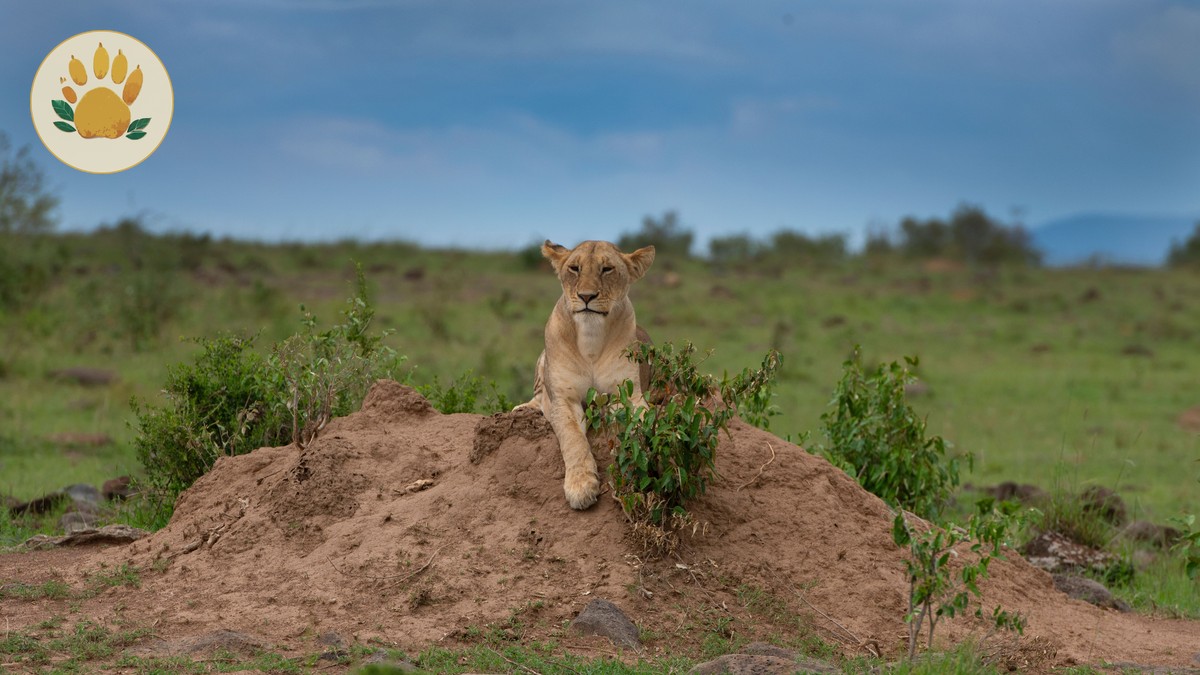
A balanced seven-day route is Nairobi, Amboseli, Lake Nakuru, and the Masai Mara, with two or three nights in the Mara. Amboseli adds elephants and Kilimanjaro views, Nakuru focuses on rhino and birdlife, and the Mara delivers the strongest big-cat experience. Fly between distant parks if the budget allows, otherwise expect long road transfers.
A practical plan looks like this: two nights in Amboseli, one night in Lake Nakuru, and three nights in the Masai Mara. Expect a road day into Amboseli, another road day through Nairobi toward Nakuru, and a long day from Nakuru to the Mara. That leaves four or five full days of game driving.
If your starting airport differs, our Polish traveler guide covers similar safari planning, costs, and routes. The country remains the same, but flight connections and transfer timing change.
How to Choose and Verify a Russian-Speaking Guide
Verify a Russian-speaking guide’s current availability, licensing, safari experience, and actual spoken Russian before sending a deposit. Ask whether the guide personally stays with the vehicle throughout the trip or only provides translation support. Russian-speaking guides are limited and concentrated in major safari areas, so peak-season bookings should be made at least 60 days ahead.
Request a short video call before paying. A reliable guide will explain routes, vehicle use, and what happens when wildlife is quiet. If an operator cannot name the guide who will travel with you, treat that as a warning. Language support usually comes in three forms, and you can compare those options on our page about three Kenya safari guide options.
Listen to your own curiosity. Would you rather wake to Kilimanjaro light over Amboseli, rhino mist on Lake Nakuru, or lion calls in the Masai Mara? Answer that first, and the itinerary will find its shape. When you have a draft, plan the trip with SafariPure.