Kenya safari planning for Polish speakers usually starts with practical questions. Do you need a visa? Which parks fit a week? How much should you save? This post gives direct answers. It covers the eTA, a realistic PLN budget, a seven-day route, two park options, and honest advice on finding a Polish-speaking guide. The numbers below use current park fees and mid-range camp rates.
Kenya Safari Planning for Polish Speakers Starts with the eTA
Polish passport holders need Kenya’s electronic Travel Authorisation, or eTA, before departure. It is not a traditional visa sticker. Apply through the official Kenyan system at least two weeks before flying, using a passport valid for six months after arrival. Keep the approval with your passport and first-night accommodation details.
The official eTA site is the only place that matters. Some third-party pages look official but charge extra for the same form. Every traveler, including children, needs a separate eTA tied to their own passport. The fee is set during the online application, so you will see the exact amount before you pay.
Finding a Polish-Speaking Safari Guide in Kenya
Polish-speaking guides are available, but they are less common than English or Swahili speakers. Confirm the exact person in writing before paying. Request the guide’s name, language level, park experience, full-trip availability, and a backup plan. If fluency is not available, compare a professional interpreter with an experienced English-speaking guide.
Language support changes the pace of a safari. A guide who can explain elephant behavior or vulture hierarchies in Polish keeps every game drive richer. The trade-off is real. Fluent Polish-speaking guides are fewer, so they book early, especially for July and August. An English-speaking guide with a Polish interpreter is a solid alternative and may open up more dates. Reputable operators, including SafariPure, confirm a named guide in writing before you pay. The confirmation should include the daily itinerary and the full price with park fees, so nothing appears later as an extra.
Kenya Safari Cost in PLN
A realistic mid-range Kenya safari costs about 1,200 to 2,000 PLN per person per night, before international flights. A seven- to eight-day trip commonly totals 8,000 to 14,000 PLN per person. The range depends on camps, transport, park fees, season, and whether the vehicle and language support are private. Ask for an itemized quote before booking.
The biggest cost blocks are lodging, meals, the vehicle and driver-guide, park fees, and international flights. These figures use non-resident park rates, which apply to Polish passport holders. The Masai Mara charges USD 100 per adult per day from January to June and USD 200 from July to December. KWS parks cost USD 80 to USD 90 per day. Those fees add up quickly, so include them in your first budget draft. For a full day-by-day breakdown, ask your SafariPure planner for a custom 7-day budget and route plan.
How Many Days Do You Need in Kenya?
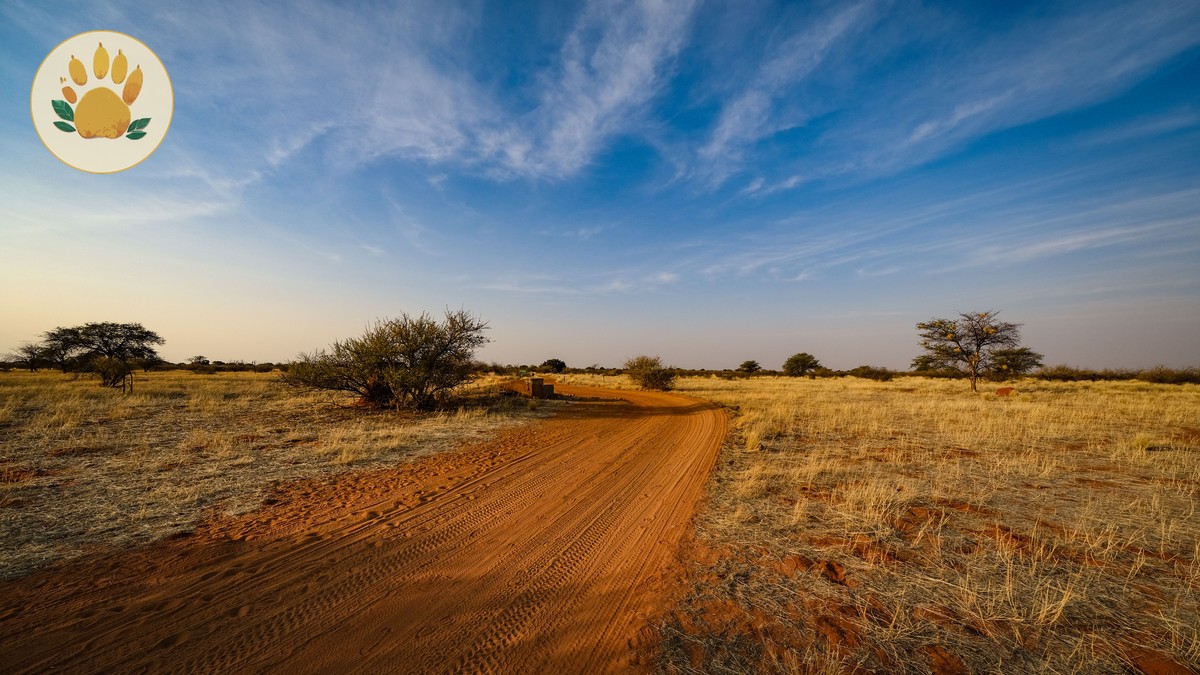
Plan at least seven days on the ground for a balanced first Kenya safari. A practical route includes Nairobi, three nights in the Masai Mara, two nights in Amboseli or Lake Nakuru, and enough time for arrival and departure logistics. Four days can cover one or two parks. Eight to ten days permits a third ecosystem.
The seven-day frame works because it limits long transfer days. You land in Nairobi, rest, then move to the Mara for three nights. The middle transfer to your second park is the longest drive of the trip. The final morning in that park gives a second look before flying home. If you have more time, add Samburu or Tsavo. If accessibility shapes the route, the accessible seven-day Kenya safari itinerary follows the same logic with adapted camps and vehicles.
Which Parks Belong in a First Safari?
First-time visitors usually get the strongest combination from the Masai Mara plus either Amboseli or Lake Nakuru. Choose the Mara for big-cat viewing and migration-season concentrations. Choose Amboseli for elephants and Mount Kilimanjaro views. Choose Nakuru for a shorter route and strong rhino opportunities. Add Samburu or Tsavo only when extra nights justify longer transfers.
| Park | Entry fee, non-resident, per adult per day | Drive from Nairobi | Best known for |
|---|---|---|---|
| Masai Mara National Reserve, Narok County | USD 100 Jan-Jun, USD 200 Jul-Dec | about 5 to 6 hours | Big cats, migration, open plains |
| Amboseli National Park, KWS | USD 90 | about 4 hours | Elephant herds, Kilimanjaro views |
| Lake Nakuru National Park, KWS | USD 90 | about 3 hours | Rhinos, lake birds, compact route |
| Tsavo East or Tsavo West, KWS | USD 80 | about 5 to 6 hours | Wide wilderness, fewer vehicles |
The middle leg matters as much as the parks. Driving from the Mara to Amboseli takes roughly seven to eight hours by road, which eats a full day. Mara to Nakuru is shorter and keeps the route compact. Flying between the Mara and Amboseli saves time but adds cost. Choose based on how much driving feels like part of the holiday and how much feels like work.
The Best Months for a Kenya Safari
July to October offers dry conditions, concentrated wildlife, and possible Mara river crossings, but prices and visitor numbers are higher. January to March is warmer and often quieter. April, May, and November bring greener landscapes and potentially lower rates with more rain. Match the month to migration, value, photography, or fewer vehicles. Our month-by-month migration calendar breaks each window down in more detail.
For Polish families, July and August sit inside the school holidays, but they also bring the highest camp rates. Early February is a strong value window with dry grass and fewer vehicles. If you plan around the migration, think in months, not specific days. No one can promise a river crossing on a fixed date.
Flights, Health, and Packing from Poland
Most travelers from Poland should plan one connection, through Doha, Dubai, or Istanbul. Total journey time commonly runs 11 to 14 hours including the layover. Arrange medical advice, malaria prevention, required documentation, and evacuation-cover insurance early. Pack light layers, a warm dawn layer, sun protection, repellent, binoculars, and a universal adapter.
Warsaw to Nairobi flights rarely run nonstop, so budget for a comfortable two- to three-hour layover. Visit a travel medicine clinic six to eight weeks before departure. Ask about malaria prophylaxis, yellow fever requirements, and stomach protection. Insurance should cover medical evacuation, not just routine care. For the exact gear list with weight limits, use the Kenya safari 15kg packing checklist.
Before you book anything, decide what the first morning should feel like. Do you want a quiet vehicle over the Mara grass at first light? Or the energy of a river crossing in August? Both are valid. Your answer will guide dates, camp size, and route. That is the kind of thinking that makes a safari feel personal rather than packaged.
When you are ready, SafariPure can match the route to that answer. We confirm guides by name, quote with current park fees, and keep the vehicle private. Start with a short inquiry and build from there. The wild will do the rest.