Planning a Kenya safari from Bangladesh raises the same questions every time. Can you find a guide who speaks Bengali? How much should it cost? Do you need a visa? This Kenya safari guide for Bengali speakers answers with real costs, routes, and current park fees for a first-time traveler.
Are Bengali-speaking safari guides available in Kenya?
Native Bengali-speaking driver-guides are uncommon in Kenya. The most reliable option is a KPSGA-qualified English-speaking driver-guide paired with a dedicated Bengali interpreter who travels in the vehicle. Confirm the interpreter’s name, duties, qualifications, meals, transport, and daily fee in writing before you pay.
KPSGA stands for Kenya Professional Safari Guides Association, the main training body for professional guides. Training and exams are in English, which is why few driver-guides speak Bengali. A separate interpreter is the realistic solution for a private group. The interpreter rides with you, translates driver-guide commentary, and helps at lodge check-in, meals, and game drive briefings. Expect to pay about USD 50 to 100 per day. SafariPure builds this cost into a written quote up front, so there are no surprises later. If Hindi works better for your group, our Kenya safari planning for Hindi speakers covers the same details.
Kenya safari guide for Bengali speakers: how much does it cost?
A seven-night land safari generally costs USD 1,800 to 2,500 per person for budget travel, USD 3,200 to 4,800 for mid-range travel, and USD 6,500 to 10,000 or more for luxury. Add roughly USD 50 to 100 per day for a Bengali interpreter. International flights, eTA fees, insurance, and tips are usually extra.
| Travel style | Land cost per person, 7 nights | Indicative BDT | What you usually get |
|---|---|---|---|
| Budget | USD 1,800 to 2,500 | BDT 216,000 to 300,000 | Basic tented camp, group vehicle, some meals |
| Mid-range | USD 3,200 to 4,800 | BDT 384,000 to 576,000 | Comfortable lodge, private vehicle, full board |
| Luxury | USD 6,500 to 10,000+ | BDT 780,000 to 1,200,000+ | Premium camp, private guide, full board |
| Bengali interpreter | USD 50 to 100 per day | BDT 6,000 to 12,000 per day | Dedicated interpreter in your vehicle |
BDT figures are indicative at about 120 BDT per USD, so check the current rate before converting. Park entrance fees are not included in the land costs above. The Masai Mara charges USD 100 per adult per day from January to June and USD 200 from July to December. Amboseli and Lake Nakuru each charge USD 90, and Nairobi National Park charges USD 80.
Start with the land package, then add the return flight, eTA fee, insurance, and tips. The flight is often the largest single expense.
Best seven-night Kenya safari itinerary from Bangladesh
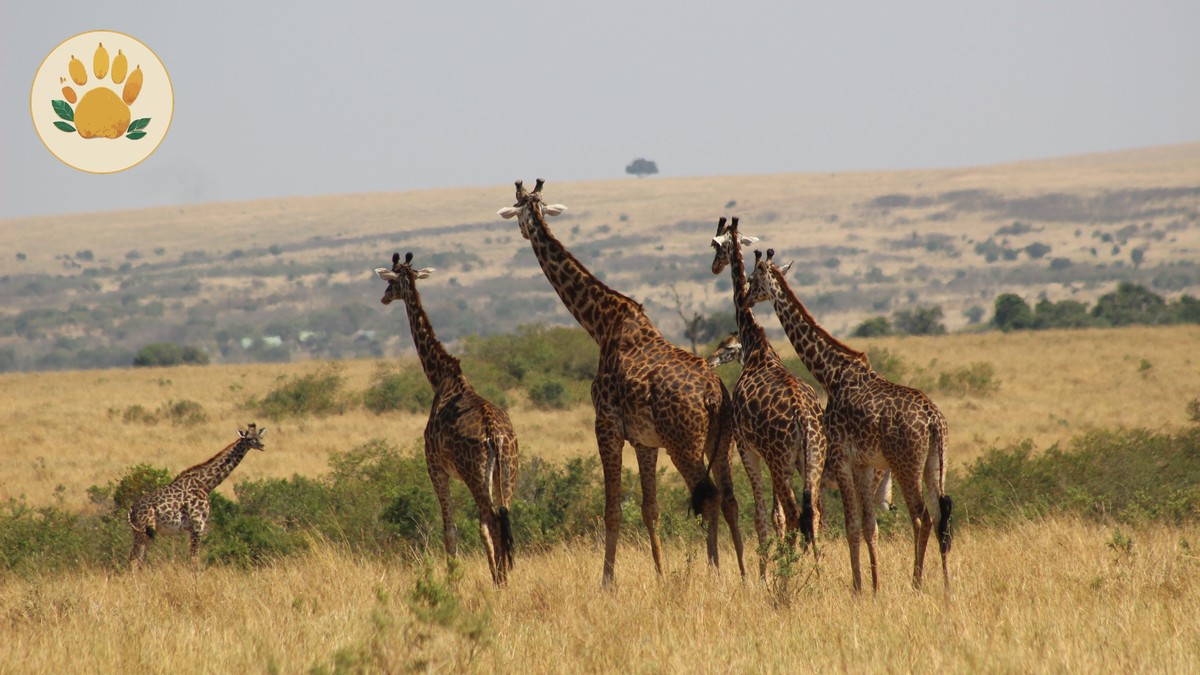
A balanced first trip uses one night in Nairobi, three nights in the Masai Mara, two nights in Amboseli, and one flexible night near Lake Nakuru or Nairobi. This route combines big cats and migration scenery, Amboseli elephants and Kilimanjaro views, and an optional rhino-focused park without rushing.
Day 1: Arrive in Nairobi. Stay near Wilson Airport if you fly to the Mara the next morning.
Days 2 to 4: Masai Mara. The drive from Nairobi is about 270 km and takes 5 to 6 hours. A scheduled flight to the Mara airstrip takes about 45 minutes. Use all three days for morning and late afternoon game drives.
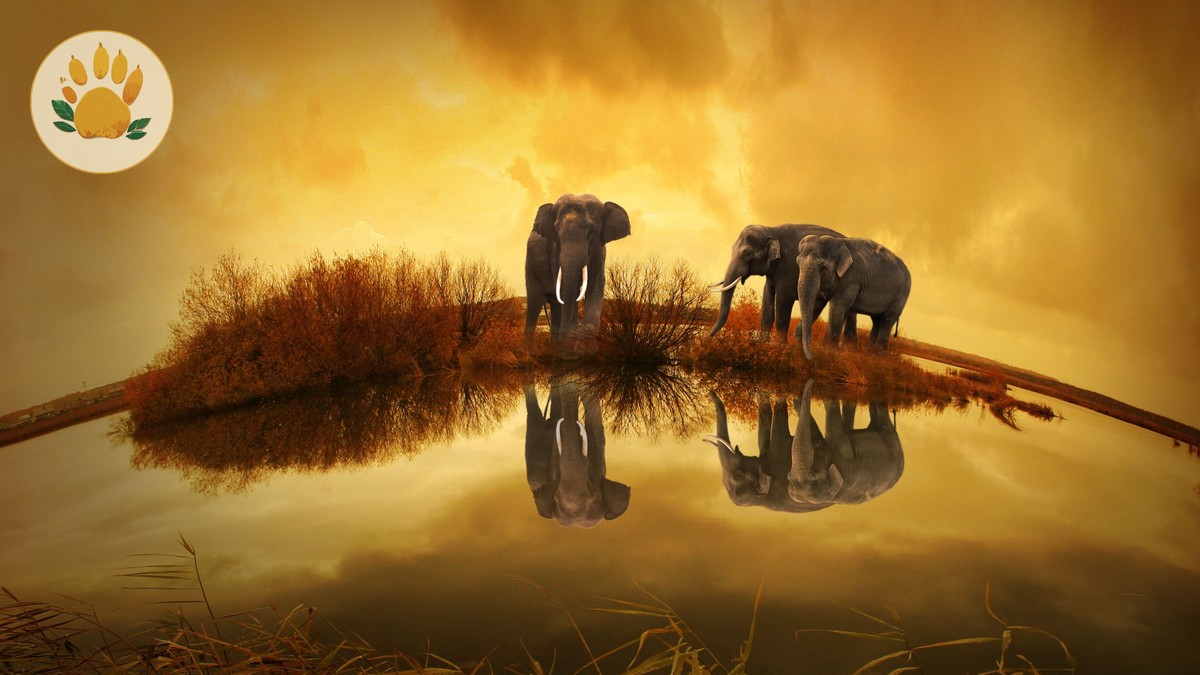
Days 5 to 6: Amboseli. Most road routes go back through Nairobi, then southeast about 240 km, around 4 hours from the city. The full drive from the Mara takes most of a day. Amboseli means open plains, elephant families, and clear Kilimanjaro views when the clouds lift.
Day 7: Flexible. Option A is a day trip to Lake Nakuru, about 160 km from Nairobi each way, for rhinos and birds. Option B is a morning drive in Nairobi National Park before your flight home.
Keep long drives to two days, not four. If you want to compare other parks, our Kenya safari parks by landscape explains how each landscape differs.
Best time to visit Kenya for a Bengali-speaking traveler
January to February and October usually offer the best balance of dry weather, wildlife visibility, manageable crowds, and lower prices. July to September suits Masai Mara migration viewing but brings peak rates and crowds. June and November offer greener scenery and better value, while heavy April to May rains may limit lodge and road options.
For the wildebeest crossing, plan for July or August. For value and fewer vehicles, choose February or October. Flights from Dhaka cost more during school holidays and major festivals, so book early. If you are open to a quieter green season, our Kenya safari in November explains the birding advantages.
Kenya eTA, flights, health, food, and practical logistics
Bangladeshi travelers should apply online for Kenya’s eTA at least two weeks before departure, using a passport valid for six months and proof of accommodation and onward travel. The fee is paid online, and approval arrives by email, so you never visit an embassy.
Dhaka to Nairobi itineraries normally require one stop, commonly via Doha with Qatar Airways, Dubai with Emirates, or Mumbai with Kenya Airways. Total travel time depends on the layover, often 12 to 16 hours or more.
Carry a yellow-fever certificate and ask a doctor about malaria tablets before you travel. Most safari lodges have filtered water, but bring your own bottle. Kenya uses the Kenyan shilling (KES), and USD is easy to exchange. Tell your operator about dietary needs before arrival; many lodges can prepare halal, vegetarian, or simple Bengali-style rice and curry meals.
Plan your Kenya safari with SafariPure
Start with one question: which month fits your calendar? From there, the choices narrow quickly. If you want a partner to manage the interpreter, budget, and paperwork, SafariPure plans private trips with a named Bengali interpreter, transparent costs, and current park fees in your quote. Reach the SafariPure team through the contact page.