You are planning a safari from Hyderabad or Bengaluru, and the first question is usually cost. For a seven-day trip, budget USD 3,000-4,800 per person, excluding international flights and visa fees. That figure is the practical middle of the market for a private Kenya safari for Telugu speakers. It covers lodging, meals, park fees, ground transport, and a professional guide. It does not cover airfare to Nairobi.
How Much Does a Kenya Safari for Telugu Speakers Cost?
Budget USD 3,000-4,800 per person for a seven-day mid-range Kenya safari, excluding international flights and visa fees. That typically covers lodging, meals, park fees, ground transport, and a private guide. Add about USD 20-40 per day for Telugu-language support, while luxury conservancy stays can raise the total to USD 7,000 or more.
In Indian rupees, that comes to roughly INR 2.5-4 lakh per person at current exchange rates. The exact Kenya safari cost in INR depends on the camps you choose, the season, and whether you want a Telugu-speaking guide or an interpreter. A big part of the total is park fees. The Masai Mara National Reserve currently charges USD 100 per adult per day from January to June. The rate rises to USD 200 per adult per day from July to December. This fee is set by Narok County, not KWS. Amboseli National Park and Lake Nakuru National Park each charge USD 90 per adult per day. Those are KWS rates that took effect in October 2025.
| Stop | Nights | Entry fee per adult per day | Approx. road distance from Nairobi |
|---|---|---|---|
| Amboseli National Park | 2 | USD 90 (KWS) | 240 km |
| Lake Nakuru National Park | 1 | USD 90 (KWS) | 160 km |
| Masai Mara National Reserve | 2 | USD 100 Jan-Jun; USD 200 Jul-Dec (Narok County) | 270 km |
Drive times vary, but the table gives you a fair sense of the distances. The table does not include your Nairobi night, your final Mara flight, or international flights.
Is a Telugu-Speaking Safari Guide Available in Kenya?
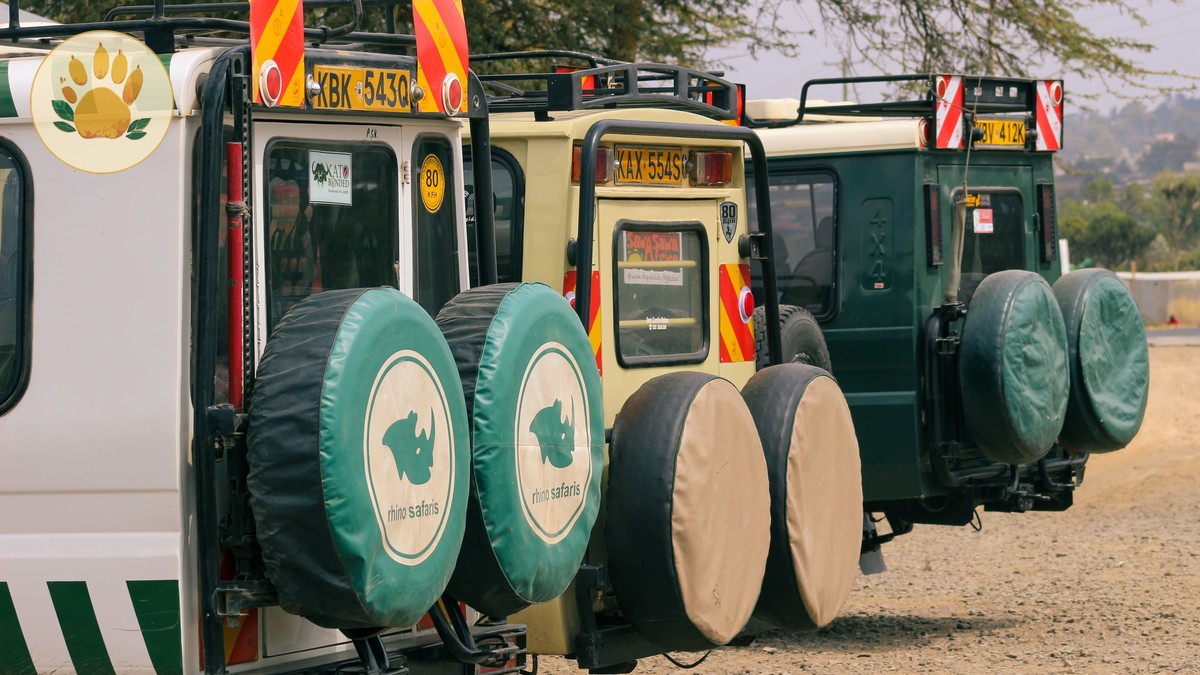
Telugu-speaking safari support is available in Kenya on request, but supply is limited, and few certified guides speak Telugu as a first language. Confirm the exact arrangement, the guide’s name, and their certification in writing before you pay. Ask whether the person is a certified safari guide fluent in Telugu or an interpreter accompanying an English-speaking driver-guide. The latter option may give you stronger wildlife expertise but less direct language continuity.
Most Kenyan guides are certified in English or Swahili. Telugu is not a standard guide language. A reliable compromise is an English-speaking driver-guide plus a Telugu-speaking interpreter. The interpreter handles translations, while the certified guide handles safety and wildlife. For first-time travelers, that split usually works better than a guide who speaks Telugu but has less bush experience.
Before paying, ask for a written note with the guide or interpreter’s full name and certification. It should also list the days they will be with you, plus the lodge names and park fees included. SafariPure builds this type of confirmation into the itinerary before you book.
A Practical 7-Day Kenya Safari Itinerary
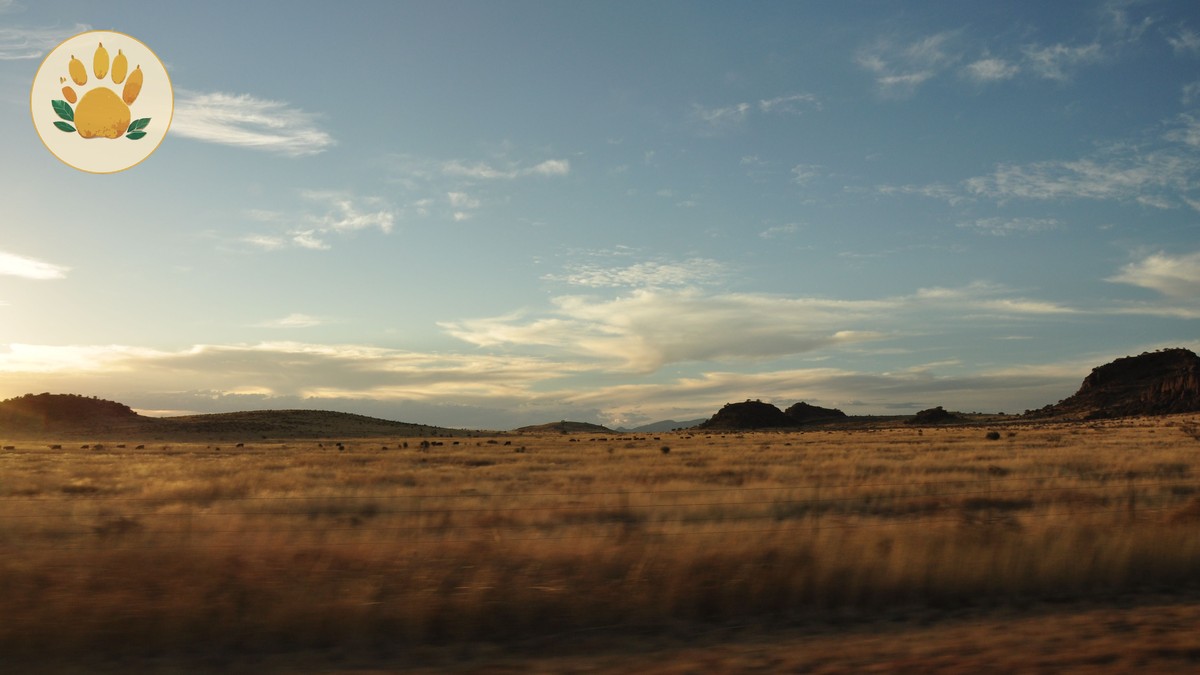
A practical first-time route is Nairobi, Amboseli, Lake Nakuru, and Maasai Mara over six nights. Spend two nights in Amboseli, one near Lake Nakuru, and two in the Mara, then fly from the Mara to Nairobi to reduce the final driving burden. The route combines elephants, rhinos, flamingos, and big cats.
Day 1 is arrival in Nairobi. Day 2 is a drive to Amboseli. Day 3 is a full day with elephants and Kilimanjaro views. Day 4 is a transfer to Lake Nakuru. Day 5 is a drive to the Maasai Mara. Day 6 is a full day in the Mara. Day 7 starts with a flight from the Mara Serena Airstrip to Wilson Airport in Nairobi. Build in enough time to connect to your international departure from Jomo Kenyatta International Airport.
Mid-range camps that fit this route include Sentrim Amboseli and Lake Nakuru Lodge. In the Mara, Ashnil Mara Camp is another workable option. Their prices sit roughly in the USD 250-450 per night range, which fits the USD 3,000-4,800 total. For a line-by-line budget on a similar route, see the seven-day Kenya safari budget and route plan.
Which Kenya Safari Parks Are Best for Telugu Families?
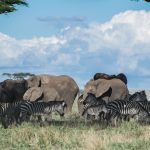
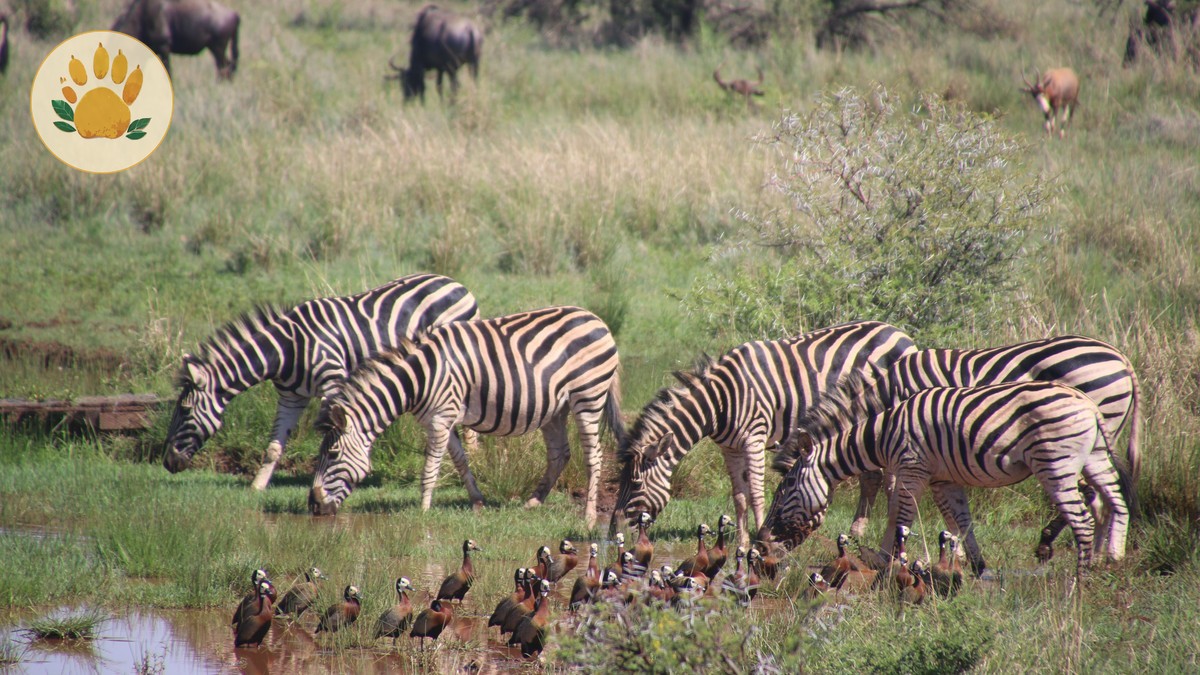
Amboseli, Lake Nakuru, and Maasai Mara are the strongest first-safari combination for Telugu families because they offer varied wildlife within a familiar seven-day structure. Amboseli is best for elephant views and Kilimanjaro scenery, Nakuru for rhinos, and the Mara for predators and migration-season game viewing. Samburu or Ol Pejeta suit repeat visitors.
Amboseli is flat and open, which makes wildlife easy to spot. Lake Nakuru is small enough for a half-day game drive and has rhinos and flamingos. The Maasai Mara is larger and busier, but it is the reason most families plan a Kenya safari. If you want to add a private conservancy, look at Naboisho Conservancy or Mara North Conservancy. Both charge conservancy fees of roughly USD 80-150 per person per night, bundled into lodge rates. Our guide to Kenya safari conservation experiences and costs explains where that extra money goes.
Flights, eTA, and Vegetarian Food on a Kenya Safari
Travelers from Hyderabad or Bengaluru generally need at least one flight connection to Nairobi, and international airfare is usually excluded from safari package quotes. Request vegetarian meals before arrival, confirm airport transfers and domestic-flight baggage rules, and verify Kenya’s current electronic travel authorization requirements before departure.
There is no direct Hyderabad to Nairobi route in the schedules we reviewed. Plan through Addis Ababa, Doha, or Dubai. A Kenya safari from Hyderabad works best if you arrive one day before the safari starts. If your final transfer is from the Maasai Mara, domestic flights often use Wilson Airport. Your international flight leaves from Jomo Kenyatta International Airport, so leave enough time between the two.
Most safari lodges can provide vegetarian food on Kenya safari when you tell them in advance. Include the request in the booking form, then reconfirm with each camp. In remote camps, expect simple ingredients: lentils, rice, vegetables, eggs, and fruit. Tell the chef if you need Jain or vegan food too.
Best Time to Book a Kenya Safari for Telugu Speakers
July to October is the strongest period for migration interest and generally carries higher Maasai Mara fees. January and February offer dry-season wildlife viewing with potentially better value. Avoid April if possible because of long rains and possible camp closures, and expect December school holidays to bring higher demand and prices.
If you can be flexible, January and February balance dry weather with lower Mara fees. That makes the Maasai Mara safari cost easier to manage. For exact dates, read our Kenya safari timing and November wildlife viewing guide.
Ready to Plan Your Kenya Safari?
Before you book, ask the camp chef about the vegetarian menu. Ask the guide how the morning drives start. Those details matter more than any brochure. A SafariPure planner can show you the route, confirm the guide in writing, and explain what each price covers. Start with the contact page and ask for a written Telugu-guide confirmation. What would your first morning with elephants in Amboseli or big cats in the Mara look like?