On a game drive, the radio speaks before you see anything. The guide listens, replies, and often turns the wheel without explaining. Who controls safari vehicle radios? In most cases, the driver-guide controls the radio. The reserve or conservancy sets the rules. You control your preferences. Here are five clear answers.
Who controls safari vehicle radios?
The driver-guide normally controls the safari vehicle radio. They listen for wildlife reports, transmit sightings when appropriate, and decide whether the vehicle should change direction or approach. Guests may ask what a call means or explain their priorities, but they do not usually operate the radio or make the final driving decision.
For most first-time safari travelers, the handset looks simple but carries responsibility. A guide in Kenya typically uses a VHF two-way radio or a UHF safari radio mounted under the dashboard. The same device connects the guide to other vehicles, to the camp, and sometimes to a central operations desk. The guide decides when to talk and when to stay quiet. That silence is also a choice. A guide may hold back a sighting report to avoid drawing a crowd. To understand this partnership better, see what a safari driver-guide actually does on a typical drive.
How safari vehicle radio networks share wildlife sightings
Guides working in the same reserve or conservancy commonly share a VHF or UHF channel. A guide can broadcast a sighting to multiple vehicles at once, while a separate camp or logistics channel may handle pickups and operations. Coverage is local rather than universal, so vehicles in different areas may not hear one another.
In the Masai Mara National Reserve, the shared channel can feel busy during peak season. Guides from different lodges pass along leopard locations, lion pride positions, and cheetah movements. In private conservancies such as Naboisho and Mara North, fewer vehicles use the network. Calls stay shorter. If you are comparing landscapes, our Kenya safari park map by landscape shows how these areas sit in relation to Nairobi.
Radio range depends on terrain, equipment, antennas, and repeaters. A vehicle with a roof antenna can often work across 10 to 30 kilometers of open savanna. That is an indicative range, not a guarantee. Hills, thick bush, and reserve boundaries can cut the signal much shorter. A guide in the Mara Triangle and a guide near Sekenani Gate may not hear each other.
Who decides whether to approach a radio sighting?
The driver-guide decides whether to follow a radio sighting after weighing distance, road conditions, animal behavior, time, vehicle congestion, and local rules. A radio report is an opportunity, not a command. The guide may ignore a call or leave a sighting to protect viewing quality, safety, and wildlife welfare.
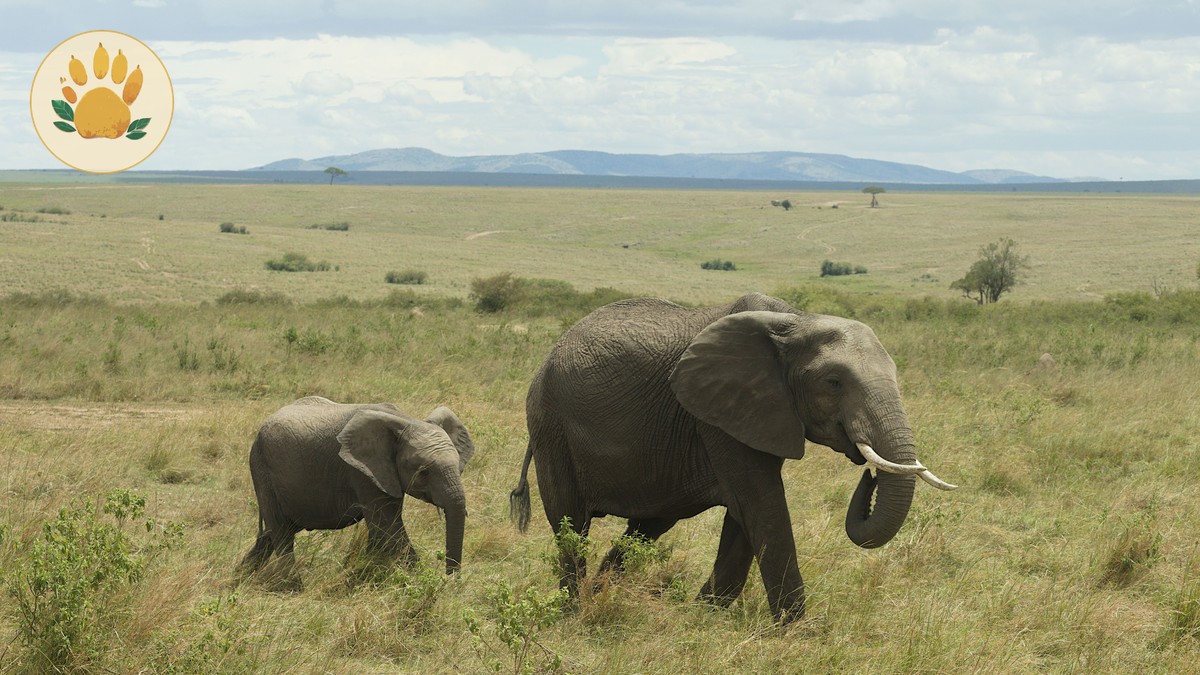
Imagine a call reports a leopard near the Mara River. Your guide may choose to go, or may not. A 20 kilometer detour through muddy tracks may cost the rest of your drive. The approach also depends on how many vehicles are already there. In some Kenya parks, a sighting with fifteen vehicles loses its calm. A guide who values quiet observation can decide that staying with a small group of elephants is better than joining that crowd.
What guests can and cannot control
Guests can tell the guide whether they prefer predators, birds, photography time, quiet observation, or fewer crowded sightings. They can ask for an explanation before the vehicle moves. They cannot guarantee an animal encounter, force the guide to break reserve rules, control another vehicle, or require an unsafe approach.
The guest side still matters. You can say, “I would rather wait for this lion to wake than chase a distant cheetah.” You can ask, “Is that call worth the drive?” Those words shape the guide’s choices. What you cannot do is operate the radio or take charge of the route. A good guide will treat your preferences as serious input. A SafariPure guide will explain the trade-off in plain language before turning the key. That conversation is part of a well-run safari.
Radio etiquette, channels, and wildlife-welfare rules
Good radio etiquette keeps calls brief, specific, and useful, with location and animal details rather than unnecessary chatter. Guides may lower the volume, use a separate channel, or avoid broadcasting sensitive sightings to limit crowding. Reserve permits, conservancy policies, distance rules, and the guide’s judgment still take priority over radio information.
Across Kenya, the personality of the safari vehicle radio network changes by landscape. This table compares a few common options.
| Area | Type of area | Typical radio traffic | Non-resident entry fee per adult per day |
|---|---|---|---|
| Masai Mara National Reserve | County reserve | Busy in July to December peak season | USD 100 January to June, USD 200 July to December |
| Naboisho Conservancy | Private conservancy | Quieter, fewer vehicles on shared channel | No separate park fee; conservancy fee bundled into lodge rates, roughly USD 80 to 150 per person per night |
| Mara North Conservancy | Private conservancy | Quieter, guide can avoid crowded sightings | No separate park fee; bundled into lodge rates, roughly USD 80 to 150 per person per night |
| Nairobi National Park | KWS park on the city edge | Short local network, good for half-day drives | USD 80 |
The fee figures in the table are current non-resident rates for 2026. Conservancy rates are indicative. If you travel in the wet season, read our guide on how Kenya safari vehicles handle rain. It explains why a muddy detour may not pay off.
The quiet question on the radio
Next time the radio crackles, do not think of it as a command. Think of it as one source of information. The guide weighs that information against what you want, what the rules allow, and what the animals need. Ask your guide what the call meant. Ask why the vehicle turned left or stayed still. Over several drives, you will learn to read the rhythm of a reserve.
The best radio moments are often the ones that never happen. A guide chooses not to broadcast a sensitive den site. A driver decides not to follow a distant report. That restraint is what protects the wildness you came to see. If you want to experience that slower rhythm, contact SafariPure when you start shaping your Kenya itinerary. We can help you choose routes through the Masai Mara and its quieter private conservancies.