Most safari maps in Kenya list parks by name. This guide sorts them by landscape instead. Landscape changes what you see, how you drive, and where you should sleep. The seven regions below use real road times and current entry fees, so you can match a terrain to your travel style.
How do you read a Kenya safari park map by landscape?
Read a Kenya safari park map in three layers: landscape, wildlife, and logistics. Western Kenya is dominated by open grassland around Maasai Mara; the south combines Amboseli’s dry plains with Tsavo’s red-earth wilderness; the Rift Valley adds lakes and escarpments; northern Kenya is arid and rocky. Roads, airstrips, and park boundaries determine realistic combinations.
Do not start with the biggest name on the map. Start with the ground under your feet. Ask which landscape you want to wake up in. A Kenya national parks map becomes clearer when you group parks by terrain rather than by reputation. The useful regions are open grassland, dry plains, red earth, Rift Valley lakes, highland forest, and northern scrub.
What are Kenya’s main safari landscapes and which park fits each one?
Kenya’s main safari landscapes are open savannah, dry acacia bushland, volcanic terrain, freshwater wetlands, montane forest, and arid northern scrub. Maasai Mara represents rolling grassland, Amboseli has dusty plains beneath Kilimanjaro, Tsavo adds lava and red soil, Lake Nakuru offers alkaline wetlands, Aberdare has forest, and Samburu is dry and rugged.
| Landscape | Park or reserve | Road time from Nairobi | Non-resident entry fee (2026) |
|---|---|---|---|
| Open grassland | Maasai Mara National Reserve | 5-6 hours | USD 100 Jan-Jun; USD 200 Jul-Dec |
| Dry plains, Kilimanjaro views | Amboseli National Park | about 4 hours | USD 90 |
| Red earth, baobabs, huge space | Tsavo East National Park | 6-8 hours | USD 80 |
| Volcanic ridges and springs | Tsavo West National Park | 4-6 hours | USD 80 |
| Alkaline lake and woodland | Lake Nakuru National Park | about 2.5 hours | USD 90 |
| Arid northern scrub | Samburu National Reserve | about 6 hours (indicative) | roughly USD 70-90 per day (indicative) |
| Montane forest | Aberdare National Park | about 3-4 hours (indicative) | roughly USD 70-90 per day (indicative) |
Maasai Mara entrance is set by Narok County Government, not by Kenya Wildlife Service. Its fee changes with season. For parks outside the main KWS list, the table shows an indicative fee range. Your final rate is confirmed when you book.
Maasai Mara or Amboseli: which grassland park suits you?
Choose Maasai Mara for expansive grasslands, big cats, and the wildebeest migration; choose Amboseli for unusually reliable elephant sightings and views of Mount Kilimanjaro. The Mara is the stronger all-round wildlife landscape, while Amboseli is more compact and visually distinctive but can feel dusty and water-stressed outside wetter periods.
If this is your first Kenya safari, the Mara is the classic choice. You get big cats, the July-October migration, and vast open grassland. It also gets busy in peak season. The Mara fee rises from USD 100 to USD 200 between January and June and July to December, so autumn trips cost more. Amboseli is smaller and simpler. Elephant families gather around the swamps, and Mount Kilimanjaro stands behind them. Dust and heat are real, especially in dry months. Photographers should look at Amboseli first. The early light on Kilimanjaro is a classic. If you want to sit in a hide, compare the real costs in our Kenya wildlife photography hide costs guide before you build the itinerary.
Tsavo East or Tsavo West: which red-earth landscape fits better?
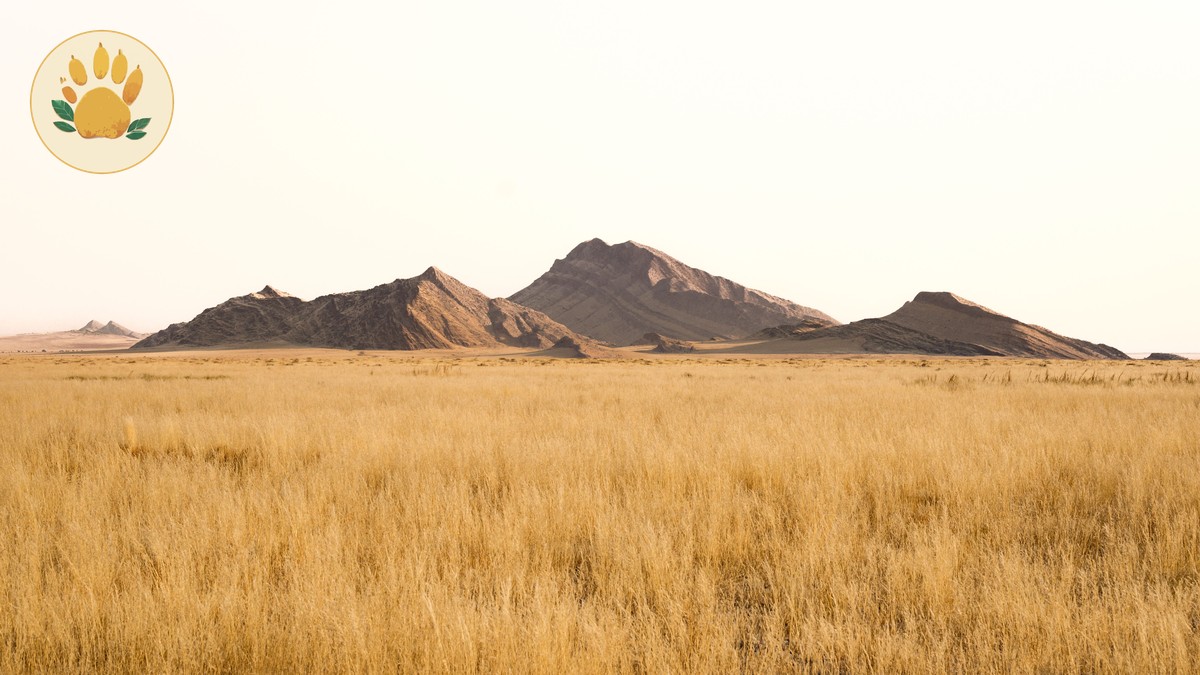
Tsavo East is the better match for huge open spaces, red soil, baobabs, and large elephant herds, while Tsavo West suits travelers who prefer volcanic ridges, lava flows, springs, and more varied terrain. Together they cover about 22,800 square kilometers, so realistic game drives require careful camp and gate planning.
Tsavo East feels endless. You see red soil, baobabs, elephant herds, and the Galana River. Tsavo West has more variety: the Chyulu Hills on the horizon, Mzima Springs, and volcanic rock. If you have four days for Tsavo, stay on one side. If you have five or six, base on both sides and use the Voi area as a connector. Entry is USD 80 per adult per day for either side. The landscape is less reliable for year-round wildlife viewing than the Mara, but the space and color make up for it.
Lake Nakuru or Aberdare: Rift Valley lake or highland forest?
Lake Nakuru combines a compact wildlife park with an alkaline lake, escarpment views, flamingos, and strong rhino possibilities; Aberdare offers a radically different setting of misty montane forest, waterfalls, and moorland. Select Nakuru for efficient wildlife viewing on a circuit and Aberdare for atmospheric forest scenery and distinctive lodge experiences.
Lake Nakuru is the easy option. You drive north from Nairobi for about 2.5 hours and enter a compact park with rhinos, buffalo, lions, and flamingos when water conditions allow. It works well for families and for travelers with only a few days. Aberdare is harder to plan. The forest roads are slow, the weather is cool, and game viewing is less predictable. The lodges sit beside waterholes, so you often watch from a veranda rather than on open game drives. If children are with you, check Kenya safari family lodge age policies before choosing one of Aberdare’s tree hotels.
Samburu or Meru: is northern Kenya’s dry landscape worth the detour?
Samburu is the clearest choice for dry northern scenery, rocky hills, doum palms, and species such as Grevy’s zebra, reticulated giraffe, and gerenuk. Meru is greener and more riverine, with woodland, grassland, and a rhino sanctuary. Both are less interchangeable with the Mara than their map distance may suggest.
The detour is worth it if you have already seen the Mara. Samburu is the classic second safari because the species differ: Grevy’s zebra, reticulated giraffe, gerenuk, and Somali ostrich. The Ewaso Ng’iro river keeps wildlife close to the camps. Meru is quieter and greener, with a rhino sanctuary and fewer vehicles. Both are long drives from Nairobi, but scheduled flights change the equation. The open Samburu country also suits walking. Solo travelers can read about joining a walking safari as a solo traveler to see if it fits your pace.
How far apart are Kenya safari parks by road and flight?
Plan Kenya safari routes by travel time, not map distance alone. Lake Nakuru is roughly 2.5 hours from Nairobi, Amboseli about 4 hours, Tsavo West about 4-6 hours, Maasai Mara about 5-6 hours, and Tsavo East about 6-8 hours by road; scheduled flights can make remote northern or Mara combinations more practical.
Use the table above, not the map, to judge distances. A route that looks short on a Kenya national parks map can take a full morning because of gates, weather, and road surface. Airstrips matter. The Mara has several airstrips, and Amboseli, Tsavo, Samburu, and Meru all have scheduled services. Northern Kenya and the Mara make an awkward road loop, so treat them as separate blocks. A two-park route works if you give each park at least two nights. A three-park route usually means one internal flight.
Which Kenya landscape is best for wildlife, photography, and families?
The best landscape depends on the trip priority: Maasai Mara for big cats and migration, Amboseli for elephants and iconic views, Tsavo for scale and unusual color, Nakuru for efficient rhino viewing, Samburu for specialist northern species, and Aberdare for forest lodges. Families usually benefit from shorter drives, making Nakuru, Amboseli, and Mara combinations easier.
Wildlife purists should start with the Mara. Photographers get the strongest icons in Amboseli and the best dry-country light in Samburu. Families do well with Nakuru and Amboseli because the drives are short and the parks are compact. If you can combine only two landscapes, pair a lake or a mountain with a grassland. Nairobi to Lake Nakuru to Maasai Mara to Amboseli remains the classic 7-10 day route. If you want more privacy, replace part of the Mara with a private conservancy such as Naboisho or Mara North.
The SafariPure Difference: why does landscape-led planning matter?
A Kenya safari park map by landscape is the starting point, not the whole answer. SafariPure plans routes around the terrain that matches the way you travel. You get honest advice about long drives, dust, heat, and camp positions, not a generic seven-day loop. SafariPure works with local guides who know which gates open early and which rivers hold water. That is the SafariPure difference.
Which Kenya landscape should you choose?
Choose Maasai Mara if you want the classic big-cat safari and maybe the migration. Choose Amboseli National Park if you want elephants and Kilimanjaro in one frame. Choose Tsavo East and Tsavo West if you value open space and red-earth color more than easy driving. Choose Lake Nakuru if you have limited time and want rhinos close to Nairobi. Choose Samburu if you have already seen the Mara and want a truly different landscape. Choose Aberdare if you prefer forest and mountain weather over open plains.
When you are ready to match the map to your dates, start planning with SafariPure. We will help you pick the right route, the right camps, and the right pace.