If you search for a “kenya safari guide german speakers,” you will find many operators who promise German support. The real question is what that means on the ground. German travelers are among the most common visitors to Kenya’s safari parks. German-speaking guides exist, but their availability, fluency, and price vary more than any brochure suggests. This guide covers the three arrangements that actually work, what a seven-day trip costs, and how to confirm your guide before you pay.
Are German-speaking safari guides available in Kenya?
Yes, German-speaking safari support is available in Kenya, but it is less common than English-language guiding. You should request it before booking. Private trips can use a German-speaking driver-guide or a translator alongside an English-speaking specialist. Shared safaris offer German support only on selected departures, so confirm the arrangement in writing.
Most serious operators use guides trained by the Kenya Professional Safari Guides Association. A Masai Mara German-speaking guide is one of the most common requests in the country. SafariPure planners can check current guide availability for your dates before you commit to a route.
German-speaking guide options and language fluency
The main choices are a conversational German-speaking driver-guide, a professionally fluent guide, or a separate translator. A driver-guide is simpler and usually cheaper. A translator preserves access to a senior wildlife specialist. Ask whether German covers every game drive, cultural explanation, transfer, and hotel interaction, not just basic trip logistics.
A German-speaking driver-guide drives your 4×4 and explains the wildlife in German. Many are strong in conversation but may struggle with scientific names or dense ecology. For most first-time travelers, this is enough.
An English-speaking driver-guide plus a translator adds a second person to the vehicle. You keep an experienced KPSGA guide for wildlife knowledge, and a German safari translator relays the detail in German. This costs more but gives the highest level of both language and depth.
Shared-tour German support is the budget route. You join a fixed departure with a small group, so dates are less flexible. For a wider view of how European-language travelers handle these choices, see Kenya safari planning for European-language travelers.
Kenya Safari Guide German Speakers: What a Seven-Day Trip Costs
A seven-day mid-range private safari commonly costs about USD 250 to 450 per person per day, before international flights. German-language support adds roughly USD 50 to 150 per day depending on the arrangement. Shared-tour support can cost about USD 15 to 30 per person daily. Luxury camps, peak-season fees, and private translators raise the total.
| Arrangement | Daily language supplement | Wildlife depth | Common in |
|---|---|---|---|
| German-speaking driver-guide | About USD 50 to 100 | Solid, park-trained | Masai Mara, Amboseli |
| English-speaking guide plus translator | About USD 100 to 150 | Highest, KPSGA senior | Masai Mara, Lake Nakuru |
| Shared-tour German support | About USD 15 to 30 | Varies by operator | Masai Mara, Lake Nakuru |
The main daily costs beyond the language supplement are park fees and camps. Amboseli and Lake Nakuru each cost USD 90 per adult per day. The Masai Mara is run by Narok County, not KWS, and costs USD 100 per adult per day from January to June and USD 200 from July to December. Mid-range full-board camps in the Mara run roughly USD 150 to 280 per person per night, with park fees added on top. Luxury camps such as Angama Mara or Mara Plains Camp exceed USD 1,000 per person per night. If you are weighing a shared group, our Kenya group-joining safari costs guide compares private and shared totals.
Best Kenya safari parks and routes for German speakers
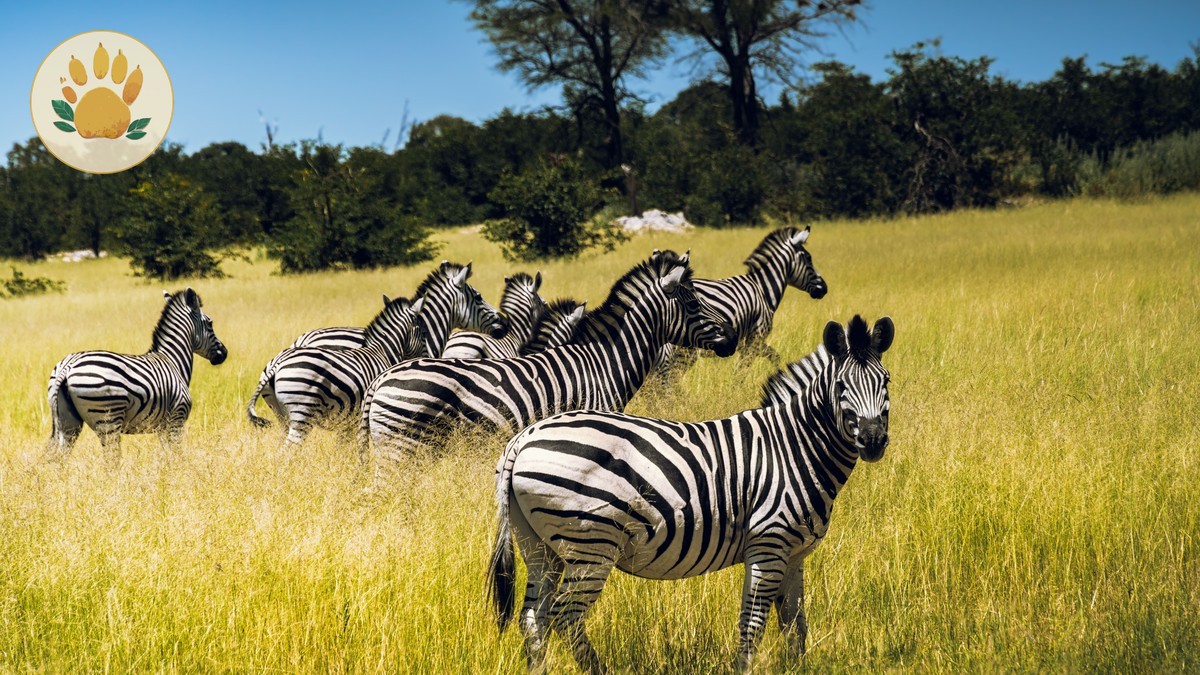
The Masai Mara is the strongest first choice for big cats and migration viewing. Amboseli adds Mount Kilimanjaro views, and Tsavo offers a less crowded, longer circuit. A practical seven-day route is Nairobi, Amboseli, Lake Nakuru, then three nights in the Masai Mara. Choose fewer parks if minimizing long road transfers.
Day one begins in Nairobi. The drive to Amboseli covers about 240 kilometers and takes four hours. The transfer from Amboseli to Lake Nakuru is the longest, routing back through Nairobi at roughly 400 kilometers and six to seven hours. Lake Nakuru brings flamingos and one of Kenya’s best rhino sanctuaries. From there, the drive to the Masai Mara runs about 250 kilometers and takes four to five hours. The wildebeest migration usually fills the Mara from July to October. Three nights in the Mara give a full day plus two half days of game drives. If birding matters as much as mammals, our Kenya safari timing for birding guide explains how seasons change what you see. On the final day, a flight from Ol Kiombo Airstrip reaches Nairobi’s Wilson Airport in roughly 45 minutes.
Private conservancies such as Naboisho or Mara North bundle their daily fee into the lodge rate, at roughly USD 80 to 150 per person per night. You get quieter game drives and off-road freedom that the reserve does not allow.
When to book and how to confirm your guide
Request a German-speaking guide 30 to 45 days before travel for July, August, or December. Allow two to three weeks in quieter periods. Before paying, obtain the guide’s name, fluency level, credentials, vehicle details, daily supplement, inclusions, and cancellation terms. Get written confirmation that German is guaranteed on every game drive.
Peak season is the real constraint. Mara bookings for July, August, and December fill early, and German-speaking guides are fewer than English-speaking ones. Ask the operator to name the guide on the itinerary. Confirm the vehicle is a pop-up roof 4×4 and that the same guide leads every drive.
Kenya eTA, transfers, and practical logistics
German passport holders should obtain Kenya’s electronic travel authorization online before departure. Build airport pickup, Nairobi hotel nights, road transfers, park fees, meals, and internal flights into the quotation rather than assuming they are included. A written itinerary should name every camp and state who provides German interpretation during transfers and activities.
The eTA fee is roughly USD 34 at the time of writing. Park fees are paid in US dollars at the gates, though many camps fold them into the nightly rate. Ask for a breakdown so you know exactly which fees are covered. Check the Masai Mara rate in your travel month, since the USD 100 low-season fee doubles to USD 200 from July to December.
Once you know the difference between translation and interpretation, the choice becomes clearer. A translator repeats words. A skilled guide reads the bush, finds the leopard, and explains what it is doing. The right question is not whether a German-speaking guide exists, but which level you want for the days that matter. When you are ready to compare real routes, start a conversation with SafariPure and ask for a written plan with the guide named in advance.