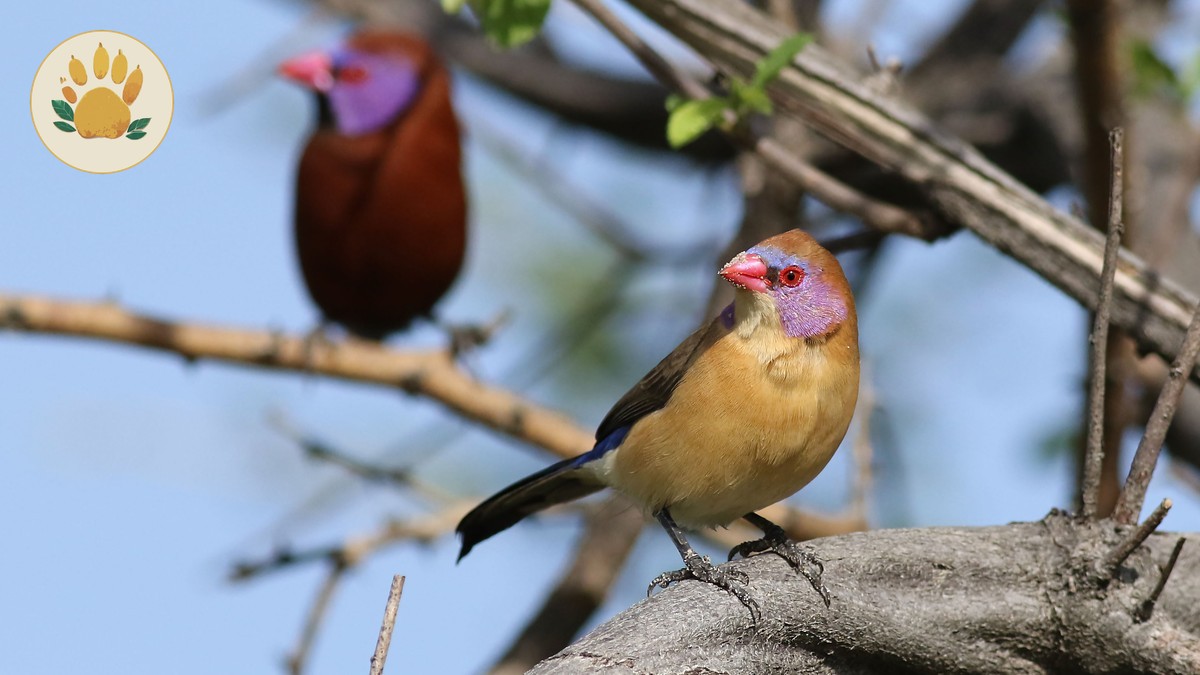
Kenya holds more than 1,000 bird species, and a well-placed hide is one of the best ways to meet them at eye level. Kenya photography hides are not all the same. Some are low-cost add-ons that day visitors can book. Others are tied to a lodge stay and cost well over $1,000 per night. This Kenya safari birding hides guide compares eight named camps and hides, with indicative 2026 prices, access rules, seasons, and booking logistics.
Kenya safari birding hides guide basics: what a hide is and how it works
A birding hide is a fixed, camouflaged shelter positioned beside a waterhole, river, mineral lick, or wildlife route, allowing quiet, eye-level observation without a safari vehicle. Kenya hides range from sunken private structures for two to four photographers to larger shared hides, so capacity and shooting-port height should be checked before booking.
Two main layouts exist. A Kenya waterhole hide is built close to a permanent or seasonal water source. A walk-in hide, often managed by a conservancy, sits on a vehicle-free zone. The best hides face east or west, so the light is behind you in early morning or late afternoon. Check the port height before you pay. Some hides are chest-high for standing photography. Others are built for seated use, which affects tripod and lens choice.
Best birding hides, camps, and conservancies in Kenya
For the widest choice, start with Laikipia and Samburu: Ol Pejeta offers a comparatively accessible hippo hide, while Ol Malo, Saruni Samburu, Sarara, Lewa, and Lentorre provide lodge-based hide experiences. Shompole, Ol Donyo, Mara conservancies, and Soroi add specialist waterhole or predator photography, but usually require a more expensive camp stay.
| Hide or camp | Region | Hide type | Indicative price, 2026 | Approx. road distance from Nairobi | Day visitors? |
|---|---|---|---|---|---|
| Ol Pejeta Hippo Hide | Laikipia | Walk-in hide beside hippo pool | $20 to $40 add-on | 180 to 200 km | Yes |
| Ol Malo | Laikipia | Private hide for guests | $700 to $1,200 per night | 220 to 260 km | No |
| Saruni Samburu | Samburu | Private waterhole hide | $600 to $1,000 per night | 330 to 350 km | No |
| Sarara | Samburu | Private hide near water | $550 to $900 per night | 340 to 360 km | No |
| Lewa House | Laikipia / Lewa | Private hide near water | $500 to $900 per night | 220 to 250 km | No |
| Lentorre Lodge | Lake Elementaita (Soysambu) | Shared and private hides | $350 to $600 per night | 110 to 130 km | Ask in advance |
| Ol Donyo Lodge | Chyulu Hills | Private underground waterhole hide | $900 to $1,300 per night | 220 to 260 km | No |
| Shompole Wilderness | South of Nairobi | Private waterhole hide | $700 to $1,100 per night | 160 to 180 km | No |
The Ol Pejeta hippo hide is the best low-cost starting point. It is a walk-in hide beside a hippo pool, and it is one of the few Kenyan hides open to day visitors. You may share it with other guests, so check capacity and session times. Laikipia birding is strong because of mixed acacia, grassland, and riverine habitat.
Samburu birding is drier and more unusual. Species such as vulturine guineafowl, Somali bee-eaters, and golden-breasted starlings show up around the region’s permanent rivers. Saruni and Sarara are good matches for travelers who want a private waterhole hide without the full price of the most exclusive camps.
At the premium end, Ol Donyo and Shompole offer intimate waterhole photography for guests only. The nightly rates are high, and the hides are not available to outside visitors. If you are choosing between Laikipia and Samburu for birds and mammals, our Laikipia versus Samburu wildlife comparison helps with habitat differences.
Kenya safari birding hide prices and what is included
Indicative costs run from roughly $20 to $40 for an Ol Pejeta hide add-on to about $350 to $1,200 per person per night at lodge-based hides; specialist multi-night photography packages can exceed $4,500 per person. Confirm whether accommodation, meals, conservancy fees, transport, and exclusive hide time are included because operators price these differently.
At Ol Pejeta, the hide add-on is separate from the conservancy gate fee. Ol Pejeta is a private conservancy, not a KWS park, so its day visitor rate is set by the conservancy. Ask for the current day fee and hide add-on when you book. At private lodges, the nightly rate usually includes meals, accommodation, guided hide sessions, and conservancy fees. Some lodges charge extra for exclusive use of the hide.
In the Mara conservancies, nightly conservation fees from Naboisho or Mara North typically run from about $80 to $150 per person and are usually bundled into lodge rates. Those fees are not KWS fees. If your route also enters KWS parks, carry the current entry fees: Amboseli and Lake Nakuru cost $90 per adult per day, Tsavo East, Tsavo West, and Nairobi National Park cost $80, and Chyulu Hills costs $40. The Masai Mara National Reserve, run by Narok County, charges $100 from January to June and $200 from July to December.
Before you commit, read our breakdown of Kenya safari photography hide costs, which sets out how fees and lodge rates combine.
How to book hide access and reach each location
Book through the lodge, conservancy, or specialist operator that manages the hide, and ask for written confirmation of session times, capacity, transport, and fees. Ol Pejeta is the most practical low-cost option for many travelers; Laikipia and Samburu are commonly reached by flying from Nairobi, while Shompole and Mara hides may require longer transfers or charter connections.
Start with the manager of the hide. At Ol Pejeta, book the hide add-on when you buy entry. At private lodges, book through the lodge or through a safari operator and ask for written confirmation of dates. Popular hides may need four to six months’ notice, especially in August and September.
Day access varies. Ol Pejeta is open to day visitors. Most private lodge hides are for guests only. Lentorre may allow prearranged day visits, but confirm this before traveling. Shompole, Ol Donyo, Ol Malo, and Sarara are not practical without a stay.
Most travelers fly from Nairobi Wilson Airport for Laikipia and Samburu. Scheduled flights serve Nanyuki, Lewa, Kalama, and Sarara airstrips, with transfer times from 10 minutes to 90 minutes after landing. Shompole and Ol Donyo are more often reached by road from Nairobi, and the drive can take three to four hours depending on conditions. Ask the operator for the current transfer time and cost rather than assuming a fixed schedule.
Best seasons, times, and bird species to photograph
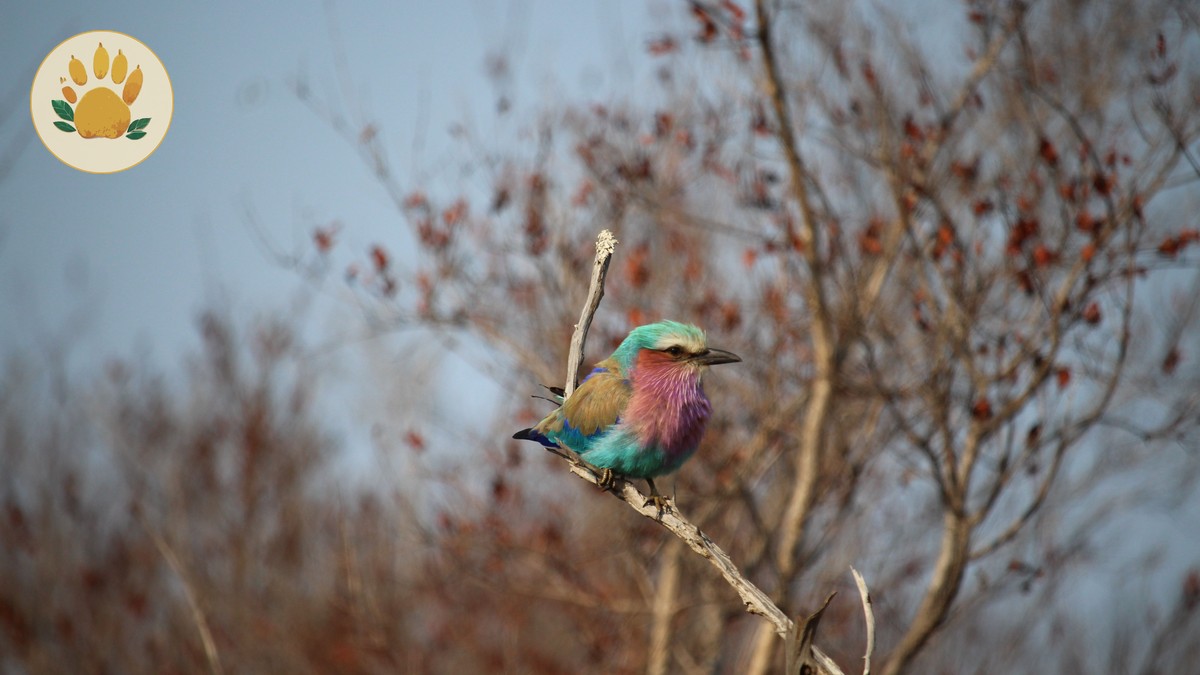
The dry seasons, especially July to October and January to March, generally concentrate wildlife and birds around dependable water sources, although many hides operate year-round. Arrive at least 30 minutes before the desired light and plan for two or three quiet hours; Lentorre lists rollers, weavers, finches, hornbills, starlings, hammerkops, geese, and kingfishers among possible subjects.
Kenya’s long rains fall roughly from March to May, and the short rains from November to December. The dry months are easier for hides because birds gather around water. A Kenya waterhole hide also draws mammals, so a birding trip often becomes a mixed wildlife shoot. Kori bustards and grey crowned cranes are possible around grassland hides. Waterbirds such as geese and hammerkops appear near permanent pools.
For bird photography Kenya travelers, the season matters less than the water source. A reliable waterhole in the dry season beats a large river in the wet season. The first two hours after dawn are the most productive, and many hides face west for softer evening light. Some photographers book a hide for two or three consecutive mornings rather than moving camps every day.
If a trip takes you into the short rains, keep our advice on safari safety during heavy rain close at hand.
What to bring and how to behave inside a birding hide
Bring binoculars, a camera with a suitable medium-to-long telephoto lens, spare batteries, memory cards, water, warm layers, and a quiet flask. Whisper, silence phones, avoid sudden movement, and prepare equipment before entering because small sounds can disturb nearby birds. A beanbag or compact support is often more practical than a large tripod in a shared hide.
Telephoto length depends on the hide. At close waterholes, a 100-400mm zoom is often enough. At larger pools, you may want up to 600mm. Keep camera bodies covered between sessions, because dust and moisture collect near water. Move slowly when opening zips or changing lenses. If the hide has curtains or flaps, close them fully before turning on a screen.
The SafariPure Difference
The SafariPure difference is about using a hide properly. A hide is one element in a longer wildlife plan, not a replacement for a skilled guide. Our guides pre-check the hide, the light angle, and the species activity before you spend a morning there. We also pair a hide with game drives at times when birds are active and road traffic is low. That approach suits photographers who want quiet concentration, not a checklist of lodges.
Frequently Asked Questions
How much does a birding hide cost in Kenya?
Prices range from about $20 to $40 for an Ol Pejeta hide add-on to approximately $350 to $1,200 per person per night at lodge-based hides. Premium multi-night photography packages can cost more than $4,500 per person, and conservancy fees or exclusive-use charges may be extra.
Can you visit a Kenya safari hide without staying at the lodge?
Sometimes. Ol Pejeta is open to day visitors, with hide access available as a relatively low-cost add-on, while many private lodge hides are tied to accommodation or require advance operator approval. Confirm day access, opening hours, transport, and whether a guide is mandatory before traveling.
What birds can you see from a Kenya birding hide?
Possible sightings vary by habitat, but hides may produce kingfishers, rollers, weavers, finches, hornbills, starlings, hammerkops, geese, kori bustards, and grey crowned cranes. Waterhole hides can also attract mammals, making them useful for mixed wildlife and bird photography rather than bird-only viewing.
What is the best time of year for bird photography in Kenya?
July to October is a strong general window because dry conditions concentrate animals and birds around water, while January to March can also be productive. The best month depends on the hide and habitat, so prioritize reliable water, local access conditions, and the species you want rather than choosing a season by date alone.
How do you book a photography hide in Kenya?
Reserve directly with the lodge, conservancy, or specialist safari operator that manages the hide. Ask for the current rate, session length, maximum capacity, exclusive-use price, included fees, transfer time, and cancellation terms; popular hides may need booking four to six months ahead.
Plan Your Kenya Hide Trip with SafariPure
Planning a Kenya safari birding hides trip is easier with a professional eye. SafariPure trip designers know which hide fits your lens length, your budget, and your tolerance for shared space. Start by telling us the species you want and the number of mornings you can sit quietly. From there, we build a route around the right camps and access. Contact SafariPure to begin planning.