Short answer: yes. A safari is safe during heavy rain when you follow the guide and stay inside the vehicle. Rain can change the plan, but it does not usually make the trip unsafe. This post explains the seven safety rules that matter on a rainy safari, along with what to pack and when drives change.
Is Safari Safe During Heavy Rain?
Yes, a safari is usually safe during heavy rain when you remain inside the vehicle and follow the guide’s instructions. The main hazards are poor visibility, slippery or flooded tracks, lightning, falling branches, and swollen rivers. Guides may pause, move to higher ground, change routes, or return to camp rather than drive through unsafe conditions.
This is true for first-time travelers as much as for repeat visitors. Safety on safari means trained people make adjustments before small risks become bigger ones. A guide may ask the vehicle to wait under a large acacia, but he will also avoid lone trees during lightning. He may close the roof rather than risk a wet camera or a cold guest.
The key question is not whether it is raining. The key question is whether the driver and guide know the local roads. In Kenya, that local knowledge separates a comfortable rainy season game drive from a stressful one.
When Do Heavy Rains Cancel or Shorten Game Drives?
Heavy rain usually changes a game drive before it cancels one. A guide may wait 20 to 40 minutes for a downpour to pass, shorten the outing, or return early if roads become impassable. Full cancellation is most likely when storms create dangerous visibility, flooding, lightning, or an unsafe river crossing, especially during Kenya’s long rains.
Think of it as a decision tree. First, the guide checks the sky. If a storm is short, the vehicle waits. Second, he checks the track. If water is running across the road, he does not drive through it. Third, he checks the river crossing. If the water is moving fast or rising, he turns around. This order comes before the game drive plan. Rainy months also mean less dust and greener scenery. That is why some travelers choose them.
Distances and drive times also change in wet weather. The table below shows typical dry-season figures from Nairobi. In heavy rain, add 30 to 60 minutes on some routes.
| Park or reserve | Distance from Nairobi | Indicative drive time (dry) | Rainy-season access note |
|---|---|---|---|
| Masai Mara National Reserve | approx. 270 km via Narok | 4.5 to 5.5 hours | Muddy tracks near Sekenani; Talek River may rise |
| Amboseli National Park | approx. 240 km | 3.5 to 4.5 hours | Dirt loops can flood; main gate usually open |
| Lake Nakuru National Park | approx. 160 km | 2.5 to 3 hours | Paved access; internal gravel is slippery when wet |
| Tsavo West National Park | approx. 230 km | 4 to 5 hours | Red earth roads become sticky; river crossings may cut routes |
Drive times are indicative, not exact. Always leave extra time during a Kenya safari rainy season. For a fuller look at how rain affects schedules, see what happens when rain affects game drives.
How Safari Vehicles and Guides Handle Heavy Rain
Safari vehicles typically use pop-up canvas roofs, side flaps, waterproof covers, and experienced drivers who reduce speed and avoid flowing water. During a downpour, the guide may close the roof, stop in a safe location, increase following distance, and reroute around mud or floodwater. Never leave the vehicle or pressure a guide to cross a dangerous stream.
Most Kenyan safari vehicles are 4×4 Land Cruisers or Land Rovers with high ground clearance. That helps in mud, but it does not make a vehicle safe in fast-moving water. A safari vehicle in heavy rain is built for mud, not for fast-moving water. At Masai Mara National Reserve, the Mara River and Talek River crossings should not be tested. A swollen river can lift and push a heavy vehicle.
The guide’s job is to keep everyone inside safe, not to follow a checklist of animals. That is why safari game drive safety depends on the person in the front seat. If a guide says a route is closed, treat that comment as final.
Seven Safety Rules for a Rainy Game Drive
- Stay inside the vehicle unless the guide says otherwise.
- Follow the guide’s route and timing decisions.
- Do not approach flowing water.
- Keep distance from isolated trees during lightning.
- Keep phones, passports, and medications in sealed dry bags.
- Wear a waterproof jacket, waterproof shoes, and spare socks.
- Confirm the weather plan with your camp before you leave.
These rules cover the most common risks on a rainy safari. Rule three matters because a flooded river crossing is the quickest way to turn a good day into a bad one. If water is moving, wait. When the guide closes the roof, keep your seat and hold your gear. Sudden movement in a wet vehicle can cause slips.
What to Pack for a Rainy Safari
Pack a waterproof jacket or poncho, quick-drying layers, waterproof shoes, spare socks, a dry bag, and a rain cover for camera equipment. Keep phones, passports, power banks, and medications in sealed bags. Confirm whether your operator supplies ponchos and vehicle covers, because camp and vehicle provisions vary by itinerary.
Safari rain gear does not need to be expensive. A simple poncho and a dry bag do most of the work. Quick-drying layers are better than one thick coat, because the temperature can drop sharply when the sun disappears.
Do not forget your electronics. A power bank can stop working if it gets wet. Before you rely on charging phones and cameras, ask how camps protect and recharge power banks. Most camps have solar power, but wet conditions can make charging slower.
Wildlife Sightings and Photography in the Rain
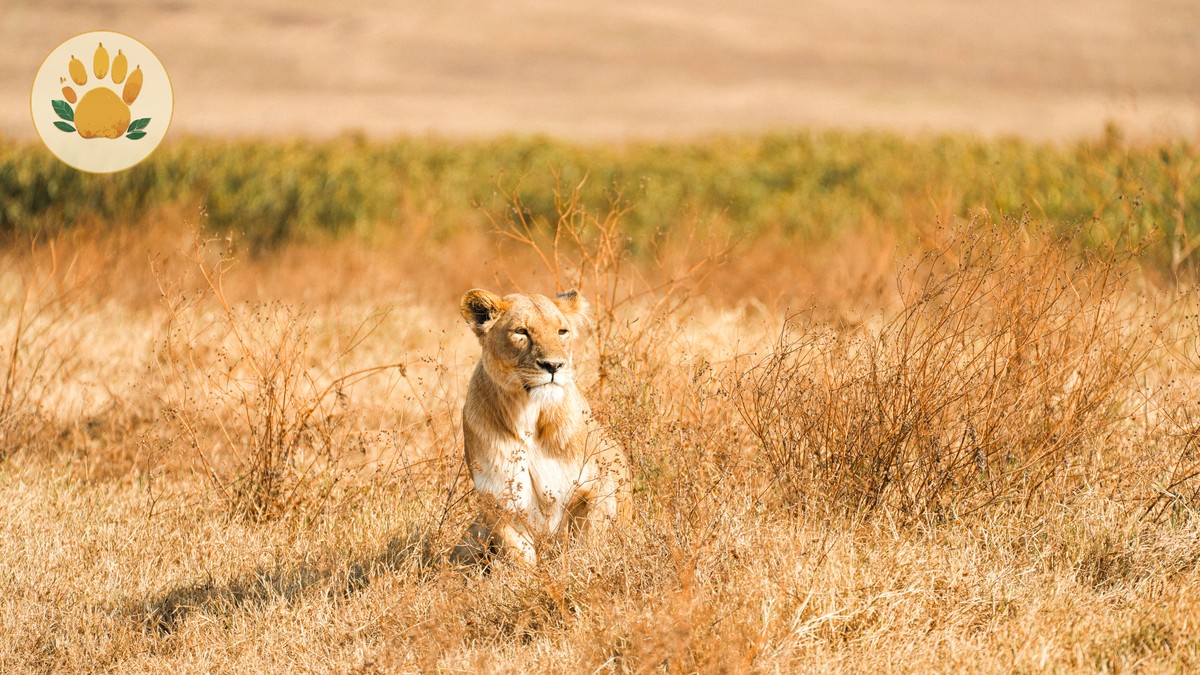
Rain can reduce visibility and push some animals into thicker vegetation, but it can also concentrate wildlife near usable roads and create excellent atmospheric photographs. Carry a waterproof camera cover, lens cloth, and spare battery protection. Expect fewer predictable sightings during prolonged heavy rain, while brief showers may produce active animals and greener scenery.
In Amboseli National Park, elephants often stay visible on the open plains even during light rain. In the Mara, big cats may prefer thicker bush, so the guide may need to work harder. A rainy season game drive is quieter, but not empty.
Soft gray light is good for photos. Rain cleans the dust from leaves, so greens look richer. If you protect your camera, you can bring back images that summer visitors rarely get.
Which Safari Seasons and Locations Have the Highest Rain Risk
In Kenya, the highest road and access risk usually comes during the long rains from March through May, particularly April and May. Tracks can become deep mud and rivers can rise quickly. July through September generally offers the lowest rain risk. November and June can provide quieter, greener trips with more manageable showers and lower demand.
If your main priority is dry conditions, book for July through September. If you can accept some rain, you may see fewer vehicles and lower prices. Compare Kenya shoulder-season safari prices before you decide.
Some places handle rain better than others. Lake Nakuru National Park has more paved access, so it is easier to drive after storms. Chyulu Hills National Park has open volcanic country, but the access roads can become slippery after heavy rain. The Masai Mara is the place to watch river crossings with care.
The SafariPure Difference
SafariPure plans trips with the weather, not just the calendar. We choose camps with reliable vehicles and experienced guides. We also build buffer days into itineraries and communicate with camps before you travel. This matters for safari game drive safety, because a safe trip depends on decisions made before the rain starts.
We often use private conservancies such as Naboisho Conservancy and Mara North Conservancy. Their guides know the local drainages and can reroute quickly when rain appears. The result is a calmer trip, even when the sky opens.
Frequently Asked Questions
Is safari safe during heavy rain?
Usually, yes. Stay inside the vehicle, follow the guide’s instructions, and avoid standing near isolated trees or approaching flowing water. A professional guide will pause or reroute the drive when visibility, lightning, flooding, or road conditions create a real danger.
Does heavy rain cancel a game drive?
Not usually. Guides commonly wait for a downpour to pass, close the vehicle roof, or shorten the drive. A drive may be canceled or abandoned when roads, bridges, or river crossings become unsafe.
Can safari vehicles cross flooded rivers?
They should not cross a river with fast-moving or rising water. Experienced drivers assess crossings and may wait, reroute, or return to camp instead. A swollen crossing can strand vehicles and guests, so the guide’s decision should take priority over the schedule.
What happens if it rains during a safari?
The vehicle’s roof or side flaps are closed, and the guide may stop under safe cover or continue slowly if the track remains passable. Visibility and sightings may decrease, while roads can become muddy. Snacks, picnic stops, and the drive length may be adjusted.
What should I wear on a rainy safari?
Wear quick-drying layers beneath a waterproof jacket or poncho, with waterproof shoes and spare socks. Protect electronics and documents in dry bags, and carry a lens cloth or camera rain cover. Ask the operator whether ponchos and other rain equipment are provided.
Plan Your Rainy Season Safari with SafariPure
Rain does not have to cancel your plans. It means you need the right dates, the right gear, and a guide who knows the land. SafariPure can help you compare the drier months and the quieter green months. We plan around river crossings and road access. That is where experience matters. Start with our Kenya safari packages page, or send us a message through the contact page. We will match your dates to the places and seasons that fit your comfort level.