Most travelers ask the same question before booking a Kenya holiday: does safari rain cancel game drives? The short answer is usually no. Rain rarely stops a well-run safari. Guides plan for it. Vehicles handle it. Only unsafe conditions end a drive early.
Still, rain changes the experience. A light shower may barely slow you down. A heavy storm can pause your drive for an hour. The same rain that closes a crossing can also make animals more active. Understanding the difference helps you choose the right season, park, and vehicle.
Kenya has two main rainy seasons. The long rains run from roughly mid-March to May. The short rains arrive in November and December. Neither season means constant rain. Most days start dry, with showers building in the afternoon. This guide explains what happens when rain meets a game drive.
Does Safari Rain Cancel Game Drives?
Usually, no. Guides normally continue through light rain and short showers, using the vehicle roof, side flaps, and alternate tracks. A drive may be delayed, shortened, or paused during a severe downpour, but full cancellation is generally reserved for unsafe conditions such as flooded crossings, lightning, poor visibility, or roads too muddy for recovery.
Cancellations are rare in Kenya’s safari circuit. They happen for safety, not comfort. A guide may cancel when lightning makes an open ridge dangerous. They may cancel when a river crossing looks unsafe. They may also cancel when the vehicle cannot move without getting stuck. Everything else gets adjusted.
Your guide’s experience matters more than the weather app. A local guide knows which tracks drain after a storm. They know where predators shelter and where plains open up after rain. They make decisions hour by hour, not from a morning forecast.
If you are weighing your options, read whether a safari is worth it in rain. It covers the trade-offs in detail.
What Happens During a Light Shower or Heavy Downpour?
During a light shower, the vehicle usually keeps moving while passengers use the roof, ponchos, or waterproof layers. During a heavy downpour, the guide may stop under shelter, wait 20 to 40 minutes, move to higher ground, or return toward camp. Morning departures can be delayed and afternoon drives shortened when rain persists.
Most safari vehicles are built for rain. A standard 4×4 has a pop-up roof, canvas sides, and side flaps that lower when needed. When a light shower starts, the guide keeps driving and lowers the flaps. Passengers with ponchos stay comfortable. Cameras stay dry under the roof.
A heavy downpour is different. Rain can arrive with strong wind and poor visibility. The guide may find a spot with good drainage and wait it out. Twenty to forty minutes is typical for a passing storm. If the rain does not move, the guide may turn back or reroute to an area with better cover.
Ask your operator about the safari vehicle roof before you book. A fully covered model adds comfort in wet weather. An open-sided vehicle is exciting in dry months but much less comfortable in a storm.
When Do Muddy Roads and Flooding Stop a Drive?
Rain stops a game drive when the route becomes unsafe, not simply because the vehicle gets wet. Black-cotton soil can turn slippery and deeply rutted, while swollen rivers and flooded tracks may block crossings. Guides may reroute on firmer ground, especially in private conservancies, but a dangerous crossing can force a cancellation or early return.
Kenya’s mud risk is not the same everywhere. In the Mara ecosystem, black-cotton soil turns into a slick paste after heavy rain. Vehicles can slide on cambered tracks. Deep ruts form quickly when other cars have already passed. In Amboseli and Tsavo, soils drain faster, so tracks dry out sooner.
Rivers are the second problem. A flooded stream may look passable but hide deep mud underneath. Guides know the crossings that flood first. They also know when a crossing can wait until morning.
Private conservancies give guides more room to adapt. In places like Naboisho and Mara North, visitor numbers are capped. If one route floods, the guide moves to a drier section. Conservancy fees are bundled into lodge rates, around USD 80 to 150 per person per night. That keeps the experience calm and flexible.
As a traveler, trust the guide’s call on muddy safari roads. A reroute is not a failed drive. It is a safer way to see the same wilderness.
How Rain Affects Wildlife Sightings and Photography
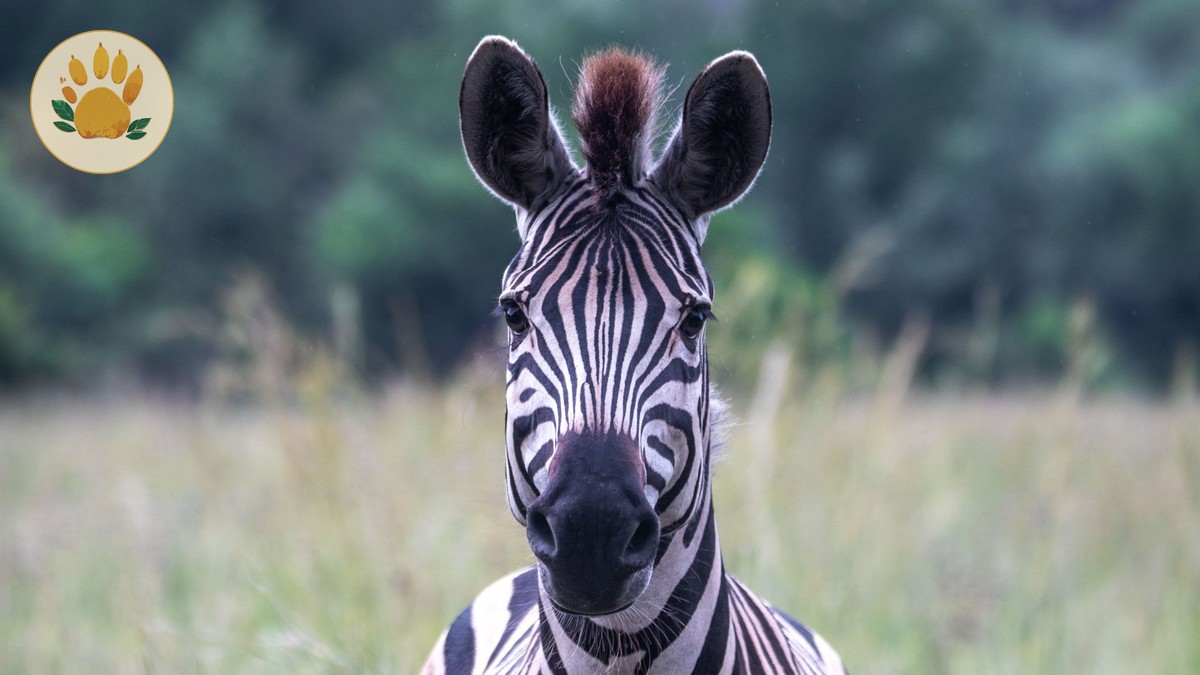
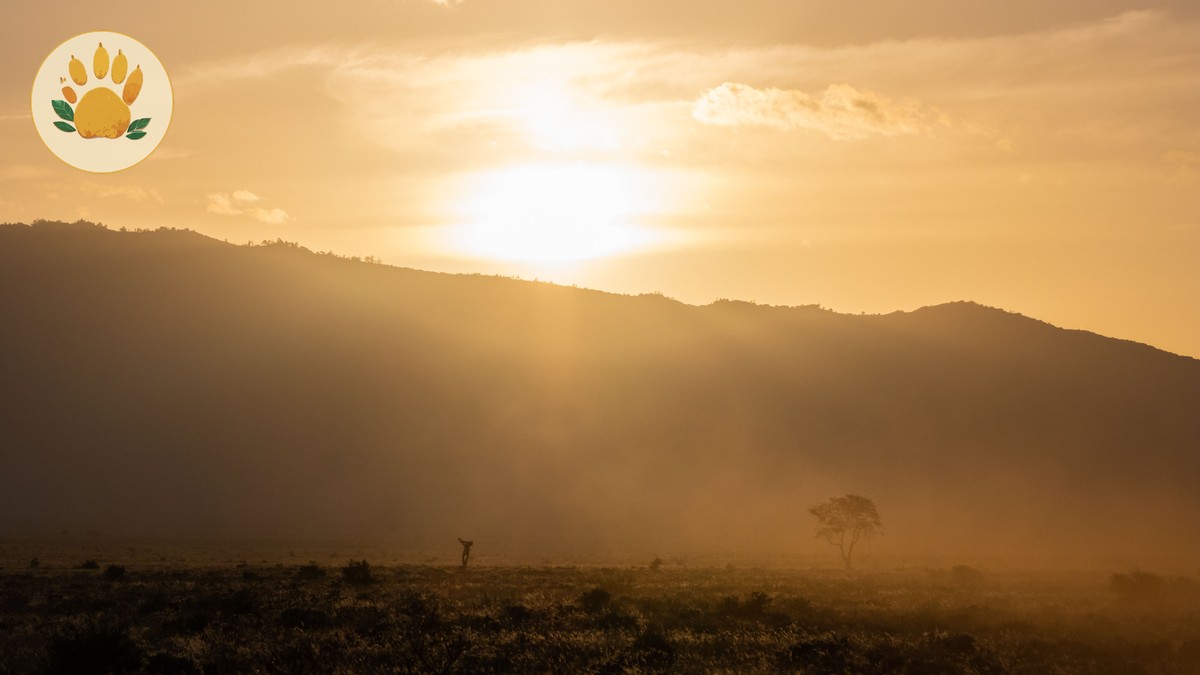
Rain can improve wildlife viewing by cooling the air, reducing dust, and encouraging predators and herbivores to remain active. Overcast light can also produce richer colors and dramatic photographs. Visibility, however, drops during intense showers, and wet windows or lens spray make photography harder, so sightings may be excellent but less predictable.
The part that surprises most first-timers: rain can help sightings. On a hot, dry afternoon, predators rest in shade until late in the day. On a cool, overcast day, lions and leopards often stay active longer. Herbivores keep grazing in light rain. Some calm predator viewing happens after a shower clears.
The wet season also changes the scenery. Grasses turn green. Migratory birds arrive. Dust disappears, so distant silhouettes stay sharp. Photographers get soft, even light under cloud cover, which suits animal portraits.
The trade-off is visibility. During a hard shower, rain streaks across lenses and windows. Animal tracks wash away. Your guide may slow down or wait. Keep a dry cloth and a weatherproof bag for your camera. If you accept some unpredictability, a safari in rain can be very rewarding.
Best Safari Seasons for Lower Rain Risk
For the lowest practical rain risk in Kenya, July through September is generally the safer window, although no safari date guarantees dry weather. November and June can offer greener scenery, fewer visitors, and lower rates with occasional showers. April and May bring the greatest risk of prolonged rain, muddy roads, and disrupted access.
Kenya’s safari year divides into high, shoulder, and low seasons. The dry months from July to October bring the Maasai Mara migration and the most visitors. They also bring higher fees. The Maasai Mara National Reserve is run by Narok County, not Kenya Wildlife Service. It charges USD 200 per adult per day from July to December and USD 100 from January to June.
Rain risk climbs from November through May. November and December offer many guides’ best balance: green scenery, fewer crowds, lower rates. Rain usually arrives as short afternoon showers. June is another strong shoulder month. April and May are the wettest, with some camps closing and access more difficult. A rainy season safari works well if you value green scenery over guaranteed dry skies.
The table below compares popular parks, approximate drive times, and current entry fees.
| Destination | Distance from Nairobi (approx.) | Typical drive time (approx.) | Non-resident entry fee, adult per day | Mud risk after heavy rain |
|---|---|---|---|---|
| Maasai Mara National Reserve | 260 km via Narok | 5 to 6 hours | USD 100 Jan-Jun; USD 200 Jul-Dec | High on black-cotton tracks |
| Amboseli National Park | 240 km via Namanga | 4 to 5 hours | USD 90 | Low on main routes |
| Lake Nakuru National Park | 160 km | 2.5 to 3 hours | USD 90 | Moderate near lake edges |
| Tsavo East National Park | 320 km via Voi | 4 to 5 hours | USD 80 | Low, fast-draining soil |
| Nairobi National Park | 7 km from city center | 20 to 30 minutes | USD 80 | Low on tarmac and gravel |
| Naboisho or Mara North Conservancy | 260 km to the Mara, plus local transfer | 6 to 7 hours total | Bundled in lodge rates, about USD 80 to 150 per person per night | Private tracks allow rerouting |
Figures reflect rates effective October 2025 for non-resident adults. Conservancy fees are bundled into lodge rates and vary by season, and the range shown is indicative.
If you want a longer look at route planning, see a Kenya rainy-season itinerary. For costs, compare Kenya safari shoulder-season prices before you fix a date.
What to Wear and Pack for a Rainy Game Drive
Pack a waterproof jacket or poncho, quick-drying trousers, warm layers, a waterproof bag for cameras, and shoes that tolerate mud. Keep spare socks and a small microfiber towel in the vehicle. Ask whether the operator supplies ponchos and has a fully covered or open-sided 4×4, because vehicle design changes comfort substantially in heavy rain.
A rainy drive is comfortable if you dress in layers. Start with a base layer that breathes. Add a warm mid-layer for cold morning air. Finish with a waterproof jacket or poncho that covers your thighs. Quick-drying trousers beat jeans. Shoes should tolerate mud and dry overnight.
Keep a dry set of clothes at camp. A small microfiber towel and spare socks in the vehicle make a big difference. Rain often arrives in bursts, so you can swap socks and keep going.
Your camera needs protection too. A waterproof dry bag, a lens cloth, and a small plastic cover for the camera body are enough for most showers. Keep electronics inside your daypack, not on the seat.
Finally, ask about the vehicle. Confirm whether the 4×4 has a full roof and side flaps. Confirm whether ponchos are provided. That one conversation changes a rainy drive from miserable to memorable.
The SafariPure Difference
At SafariPure, we treat rain as part of the plan, not a problem. Our guides carry daily weather updates and alternate routes. They know which Mara tracks drain well and which conservancy roads stay firm. Our vehicles have full roofs, side flaps, and dry storage for cameras and gear.
We also build conservancy time into many itineraries. In Naboisho and Mara North, capped visitor numbers mean quieter drives and more room to adjust. The conservancy fee is bundled into your lodge rate, so you will not face surprise entry costs.
When showers appear, we adjust quietly. The plan changes, but the promise does not: proper time in the wild, whatever the weather.
Frequently Asked Questions
Does rain cancel safari game drives?
Rain usually does not cancel a game drive. Light rain and brief showers are normally handled by continuing, pausing, or changing the route. A full cancellation is more likely only when flooding, lightning, dangerous visibility, or impassable roads create a safety risk.
Do safari tours go out in the rain?
Yes, most safari tours go out during light or moderate rain. Guides use covered 4×4 vehicles and adjust the timing or route when conditions change. Heavy, prolonged rain may lead to a delayed departure, shorter drive, or return to camp.
Can you still see animals on safari in the rain?
Yes, wildlife can remain active during rain, and cooler conditions may improve predator viewing. Rain also reduces dust and creates greener scenery. Visibility can be limited during a downpour, so sightings may be strong but photography and tracking become more difficult.
What happens if it rains during a game drive?
The guide may close the roof or side flaps, continue on a suitable track, or pause under shelter until the shower passes. If roads become slippery or flooded, the guide may reroute or return early. The decision depends on rainfall intensity, road conditions, river levels, and safety.
Should I skip a game drive if rain is forecast?
Usually, no, especially if the forecast shows a short shower rather than continuous heavy rain. Bring waterproof layers and protect camera equipment, then let the guide decide the safest route. Skipping can mean missing active wildlife after rain, but a severe-weather warning warrants following the camp’s advice.
Plan Your Kenya Safari With SafariPure
Rain should not be the reason you postpone Kenya. The right guide, vehicle, and season can turn a wet morning into your best game drive of the trip.
SafariPure helps first-time travelers build itineraries with realistic expectations. We choose parks and camps that match your dates, your budget, and your tolerance for mud. Tell us what you want to see. We will route around the season, not against it.
Ready to plan? Reach out to SafariPure and build a Kenya safari that fits the season you choose.