Kenya’s shoulder season rewards travelers who plan. You visit in January, February, or June, when rates drop, crowds thin, and the wildlife stays close to its peak-season best. The parks feel more open, and the cost feels lighter.
This guide answers the question most people ask first: what do Kenya safari shoulder season prices actually look like? You will get real figures by travel style, the parks that give the most value for your dollar, and a realistic 5-day total. Park fees changed in October 2025. The fees shown here are the current rates for the 2026 season.
When Is Kenya Safari Shoulder Season?
Kenya’s most commonly quoted shoulder-season months are January, February, and June, between the December holiday and July-October peaks. Some operators also label late October, November, or March as shoulder season, but those dates can be wetter and cheaper. Always confirm the camp’s season calendar before comparing rates.
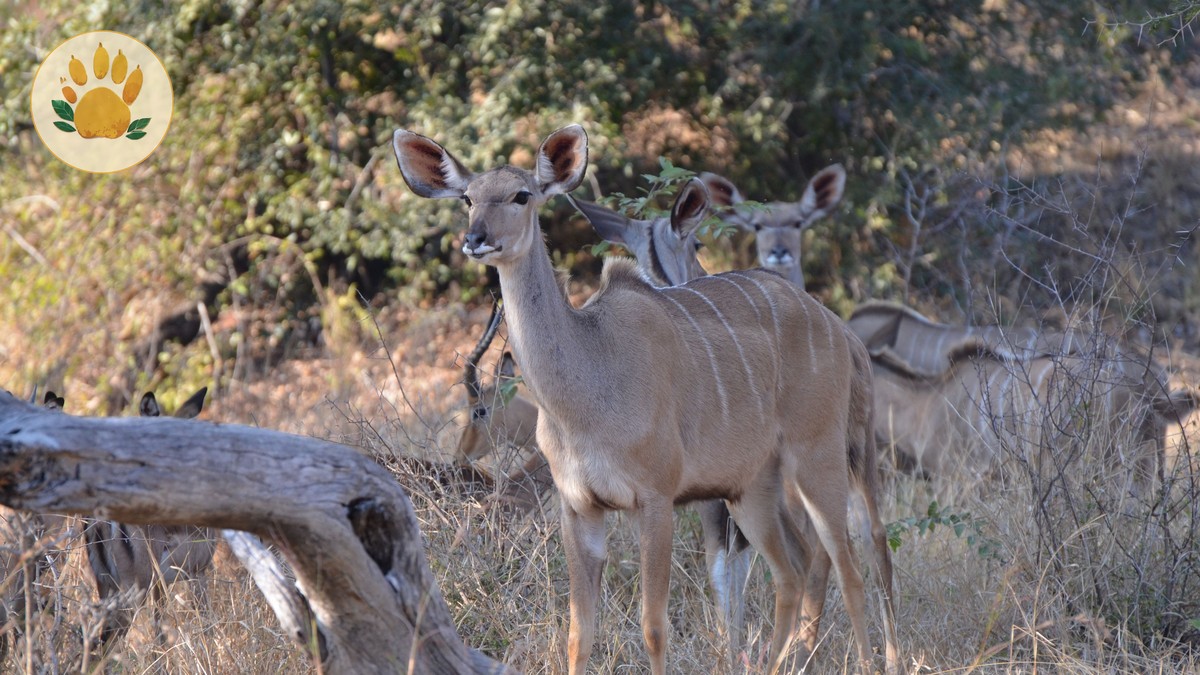
January and February sit in the dry window after the short rains. In Amboseli, Tsavo, and the Mara, resident wildlife gathers around permanent water. Big cats hunt against golden grass, and elephant herds cross open plains. A January February Kenya safari puts you in the same landscapes that peak-season travelers see, at lower rates.
June is the second shoulder window. The long rains have ended, roads firm up, and the bush dries into classic safari light. From late June, early wildebeest herds begin moving toward the Mara’s western edge. The famous river crossings build through July and August. June catches the opening acts without peak prices.
March, November, and some Octobers are wetter. Camps often cut rates again, and flexible travelers can find real bargains. Heavy rain can muddy the Mara’s black-cotton soil and close small airstrips. For a first safari, the dependable shoulder months are January, February, and June.
Kenya Safari Shoulder Season Prices: How Much Do They Cost?
Plan on about $220-$450 per person per day for a mid-range January-February safari. A mid-range ground safari in the broader shoulder category runs approximately $350-$550. Budget trips can start near $120-$320 daily, while luxury stays commonly run $550-$1,200 or more per person daily.
Those numbers describe complete day rates in most package quotes. Kenya safari cost by season moves with supply. When the summer crowds disappear, lodges trim published rates by 25-40%. The discount is real, but it shows up in the room rate, not in park fees. Park fees are fixed and apply to everyone.
For a quick test, apply the ranges to a 5-day trip. A budget itinerary usually totals about $1,100-$1,800 per person. A mid-range version lands at $1,500-$3,250. Luxury conservancy stays climb well above that, often past $5,500 before international flights. The single most useful number is the Kenya safari price per person per day. Ask every operator for that figure in writing.
Setting a Kenya safari budget starts with that per-day number, not the advertised total.
Shoulder-Season Prices by Safari Style and Accommodation Level
A practical shoulder-season budget is $120-$320 per person daily for camping or basic lodging, $220-$650 for mid-range tented camps and lodges, and $550-$1,200-plus for luxury conservancy camps. Private vehicles, flights, park fees, and single-room supplements can move the final quote well above the advertised accommodation rate.
| Travel style | Per person per day | What it usually covers | 5-day total per person |
|---|---|---|---|
| Budget camping or basic bandas | $120-$320 | Full-board meals, shared game drives, simple room or tent, some park fees | $1,100-$1,800 |
| Mid-range tented camp or lodge | $220-$650 | Full-board meals, scheduled game drives, professional guide, most fees | $1,500-$3,250 |
| Luxury conservancy camp | $550-$1,200+ | Full-board luxury tent, private game drives, conservancy fees often included | $3,000-$6,000+ |
Totals assume two people sharing. They include accommodation, meals, and game drives. Park fees, flights, tips, and drinks may add to the final cost.
The middle band gets most first-time travelers. A classic example: two nights near Amboseli, two nights in Tsavo West, and one night near Lake Nakuru. At $220-$650 per person per day, you sleep in solid canvas, eat full meals, and ride in a well-maintained vehicle with a guide who knows the dirt roads.
Budget travelers trade comfort for savings. Camping in Tsavo West or simple bandas near Amboseli can run $120-$320 per person daily. Shared game drives keep vehicle costs low. The trade is thinner bedding and tighter schedules.
Luxury travelers pay for solitude. Conservancy camps in the Mara region, places like Naboisho, Ol Kinyei, and Mara North, offer vehicle-free wilderness and private guides. Their rates include a conservancy fee of roughly $80-$150 per person per night, bundled into the room price. Typical 7-day luxury totals range from roughly $4,000-$8,500 per person, before international flights. Some camps charge more.
Three line items push quotes higher than the advertised rate. A private vehicle adds roughly $150-$300 per day (indicative) over shared-drive pricing. Solo travelers may face a single supplement of 30-50%. A scheduled flight from Wilson Airport to the Mara costs roughly $200-$400 per person one way (indicative) and saves a 5-6 hour drive.
Which Kenyan Parks Offer the Best Shoulder-Season Value?
Amboseli, Lake Nakuru, Tsavo West, and Samburu often offer stronger shoulder-season value than premium Mara locations because accommodation and access can cost less. Mara conservancies such as Naboisho, Ol Kinyei, and Mara North may still add separate conservancy fees of roughly $80-$150 per person daily.
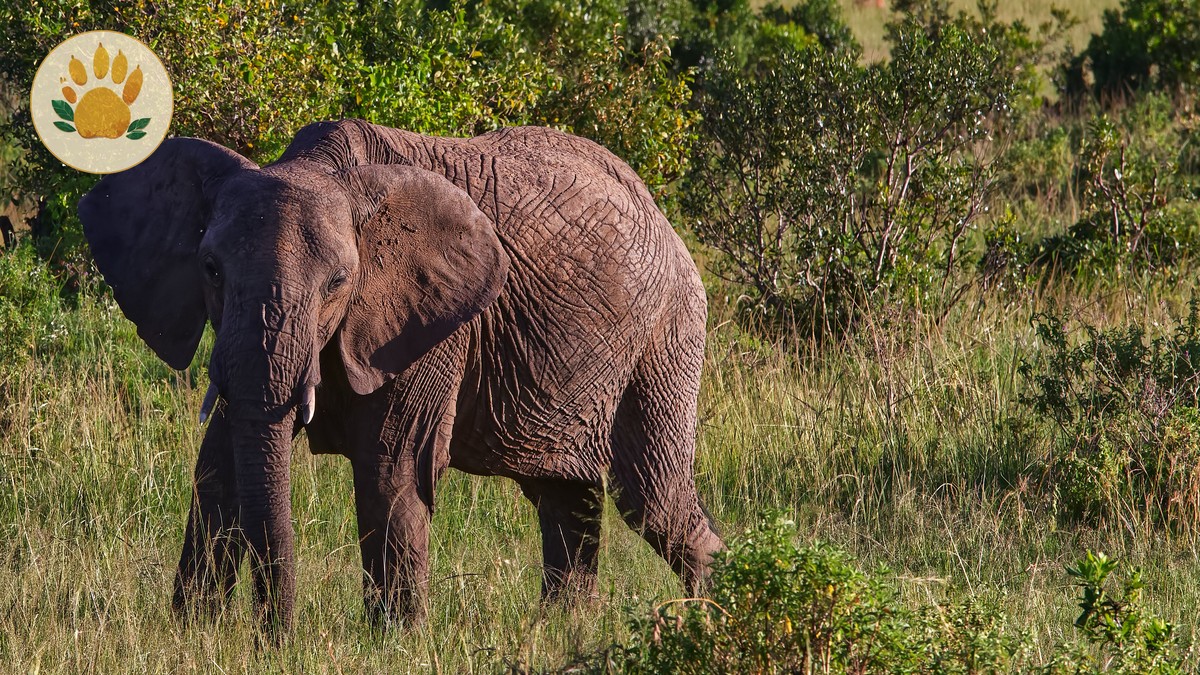
Amboseli is the classic shoulder-season bargain. The park’s elephants are famous, and on clear mornings you watch herds walk beneath Mount Kilimanjaro. The non-resident entry fee is USD 90 per adult per day. Camps near Kimana Gate usually sit in the lower half of the mid-range band.
Lake Nakuru, about 160 km from Nairobi, offers rhino viewing in a compact park. The fee is USD 90 per adult per day. The shorter drive keeps fuel and logistics costs down, and you can combine the park with a boat ride on Lake Naivasha.
Tsavo West is bigger, wilder, and often quieter. The fee is USD 80 per adult per day, the lowest of the major parks here. Mzima Springs gives you underwater hippo viewing, and the red-elephant herds are a sight you will not forget.
Samburu National Reserve, 330 km north of Nairobi, brings a different cast: reticulated giraffe, Grevy’s zebra, and Somali ostrich. Entry fees are set by the county and run in the same range as Amboseli, roughly USD 75-$95 per adult per day (indicative, confirm when booking). Wildlife viewing is excellent in January and February.
The Masai Mara National Reserve is the outlier. Narok County sets the fee at USD 100 per adult per day from January to June, and USD 200 from July through December. A June trip pays half the peak-season fee. That is a real saving. If you want vehicle-free game drives, pair the reserve with a private conservancy. The conservancy fee is bundled into the camp rate, usually $80-$150 per person per night. Our guide to Maasai Mara safari prices walks through both options in detail.
| Park or area | Distance from Nairobi | Drive time | Non-resident entry fee (adult/day) | Typical shoulder-season daily rate (camp or lodge) |
|---|---|---|---|---|
| Amboseli National Park | 240 km | 3.5-4 hours | USD 90 | $220-$450 |
| Lake Nakuru National Park | 160 km | 2.5-3 hours | USD 90 | $200-$400 |
| Tsavo West National Park | 240 km | 3.5-4 hours | USD 80 | $200-$400 |
| Samburu National Reserve | 330 km | 5-6 hours | USD 75-$95 (indicative) | $200-$450 |
| Masai Mara National Reserve | 270 km | 5-6 hours | USD 100 Jan-Jun, USD 200 Jul-Dec | $300-$650 |
| Mara North / Naboisho Conservancy | 300 km | 5.5-6.5 hours | Conservancy fee bundled, $80-$150/person/night | $400-$1,200 |
Rates are indicative and change with demand. They cover accommodation and meals.
For a side trip with a lower ticket, Chyulu Hills National Park charges USD 40 per adult per day. It offers easy walking among volcanic hills with views toward Kilimanjaro.
When you build a route, group parks that sit near each other. Amboseli and Tsavo West are about 2-2.5 hours apart by road. Lake Nakuru works well on the way back toward Nairobi.
What Is Included in a Shoulder-Season Safari Price?
Most package rates include accommodation, meals, scheduled game drives, transport within the itinerary, and some park or reserve fees, but inclusions vary. International flights, tips, drinks, travel insurance, optional activities, private vehicles, and sometimes domestic flights are commonly extra, so compare complete itineraries rather than nightly rates alone.
The clearest way to compare is an itemized quote. Ask the operator to list the daily rate, park fees, conservancy fees, and domestic flights separately. Then check what happens on arrival day and departure day. Many itineraries count the first day as a short game drive after lunch and the last day as a transfer with a morning drive. That is normal, but it changes your per-day value.
Park fees are the part that surprises first-timers. Amboseli costs USD 90 per adult per day. Lake Nakuru costs the same. Tsavo West is USD 80. A 5-day route through Amboseli and Tsavo carries USD 400 or more in entry fees per adult before accommodation. Many lodges advertise a nightly rate that excludes entry fees. A $250 room can become a $340 day once the park ticket is added.
Check your quote for common extras: drinks beyond tea and coffee, laundry, tips for guides and staff, balloon safaris, cultural village visits, and travel insurance. None are hidden. They are just not included, so budget for them.
Is Kenya Shoulder Season Worth the Savings?
Shoulder season is usually worth considering when the priority is lower cost, moderate crowds, and strong wildlife viewing without July-October peak rates. Published discounts can reach about 25-40% against peak room rates, but June generally offers drier conditions than wetter shoulder labels such as November or March, making the trade-off date-specific.
The value depends on what you want. If your goal is the Great Migration river crossings in the Mara, the shoulder season is not the peak moment for that show. Crossings build in late July and peak in August and September. A Kenya Great Migration safari budget makes more sense if that specific event drives your trip.
If your goal is a quiet, well-priced safari with strong everyday wildlife, shoulder season is hard to beat. A January February Kenya safari in Amboseli and Tsavo gives you dry weather, plentiful animals, and open camps. A June Kenya safari in the Mara often shows early migration herds, fewer vehicles, and rates below the July spike. You also avoid the holiday crush that fills popular lodges in December and August.
The main risk is rain. November and March shoulder dates can be soggy, and roads in the Mara’s black-cotton soil turn slippery. If you are flexible, weigh whether a safari is worth it in rain before booking a late-November trip. For most travelers, January and February offer the best mix of price, weather, and wildlife.
The SafariPure Difference
Most price guides stop at a number. SafariPure starts with the whole trip. When you ask us for a shoulder-season quote, you get a written itinerary with each cost named: park fees, conservancy fees, vehicle, guide, meals, and flights. No line called “miscellaneous.”
Our guides live in Kenya and drive these routes year round. They know which camps open early in January, which airstrips stay dry in June, and where the elephants move during the short dry season. Planning feels calm because every decision is explained in plain language.
We build trips in stages. If you are a first-time safari traveler, we start with your dates and budget, then recommend a route that fits both. We do not push you toward the most expensive camp or the busiest week. We help you choose the season that matches your priorities.
Frequently Asked Questions
When is shoulder season in Kenya for safari?
The most common shoulder-season window is January, February, and June. Some operators also include late October, November, or March, so the definition depends on the camp and region.
How much does a Kenya safari cost in shoulder season?
Expect roughly $120-$320 per person per day for budget travel, $220-$650 for mid-range travel, and $550-$1,200-plus for luxury travel. The final price depends on park fees, vehicle type, flights, accommodation, and whether the trip is private or shared.
Are Kenya safari prices cheaper in January and February?
Usually, yes. January and February often have lower rates than July-October while retaining generally strong wildlife viewing, although popular camps can still charge premium prices and availability may be limited.
Is June a good time for a Kenya safari?
June is often a strong value month because it can deliver good wildlife viewing, moderate crowds, and prices below the July-October peak. Conditions vary by location, and some camps price June close to peak season.
How much does a 5-day Kenya safari cost in shoulder season?
A five-day shoulder-season safari commonly totals about $1,100-$3,250 per person for budget to mid-range travel, while luxury itineraries can exceed $5,500. This estimate excludes international flights and may exclude premium activities, tips, and private-vehicle supplements.
Plan Your Shoulder-Season Safari with SafariPure
The best shoulder-season dates fill early at popular camps, especially February and June. If you want a clear, itemized quote for a January, February, or June safari, SafariPure can build a route around your dates and budget. We will show you exactly what each day costs and what is included. Browse our Kenya safari tours to see sample itineraries, or reach us through the contact page, and we will take it from there.