You have already done the Masai Mara in July, watched the wildebeest cross the Mara River, and ticked off the big cats. Now you are eyeing Samburu, Laikipia, or the Kaya forests near the coast, and your travel window happens to fall in the rains. Is it still worth going? Here is a straight answer, built around Kenya’s actual roads, fees, and weather patterns.
Is a Safari Worth It in Rain?
Yes, usually, especially when rain arrives as a short shower rather than an all-day storm. Game drives normally continue, landscapes turn green, dust disappears, and you often share sightings with fewer vehicles at lower rates. The trade-offs are muddier roads, thicker vegetation, shorter visibility, and occasional delays where crossings get difficult.
For a repeat visitor, this is actually the better question to ask than “when is the driest month.” You have already seen the dry-season Mara, dense with vehicles at every leopard sighting. Samburu in the green season, or Laikipia’s private conservancies after a storm, offer a different kind of safari. Fewer people, sharper light after the clouds break, and animals that behave differently than they do in August dust.
The honest caveat is that Kenya has two rain periods, and they are not equal. The long rains run roughly April through May and can bring sustained, heavy downpours for days at a stretch. The short rains arrive in November and are usually lighter, often just an hour or two of rain followed by clear skies. If your dates are flexible, November tends to give you the wet-season benefits with fewer of the access problems.
What Happens on a Game Drive When It Rains?
Most game drives continue through light rain in a 4×4 with a pop-up roof or canvas cover. Guides may pause under tree cover during a heavy downpour, then carry on once visibility improves. Sustained heavy rain can shorten a drive or force a route change, and storms that flood rivers or roads cause the biggest disruptions.
In practice, a typical Samburu or Laikipia morning drive during a light shower looks almost normal. Your guide zips down the canvas sides, you keep the roof hatch cracked for photos between gusts, and the vehicle keeps moving. Radio communication between guides matters even more in these conditions, since spotting slows down when grass is tall and wet. If you want to understand that system, it helps to know how radio sightings work on safari before you go, since it explains why one guide’s find often reaches three other vehicles within minutes.
Where things change is on black-cotton-soil tracks, common in parts of the Mara and Amboseli basin. These roads turn slick and sticky after sustained rain, and a two-hour drive can stretch to three. A good guide reads the sky and the soil, not just the map, and will reroute rather than risk getting stuck.
Wildlife and Photography Advantages in Wet Weather
Rain can produce better photographic light, vivid green scenery, rainbows, and unusually active animal behavior. Predators sometimes take advantage of reduced sound and visibility to hunt. Birds and insects become far more noticeable after a storm, though dense grass can make some sightings harder to predict than in the dry season.
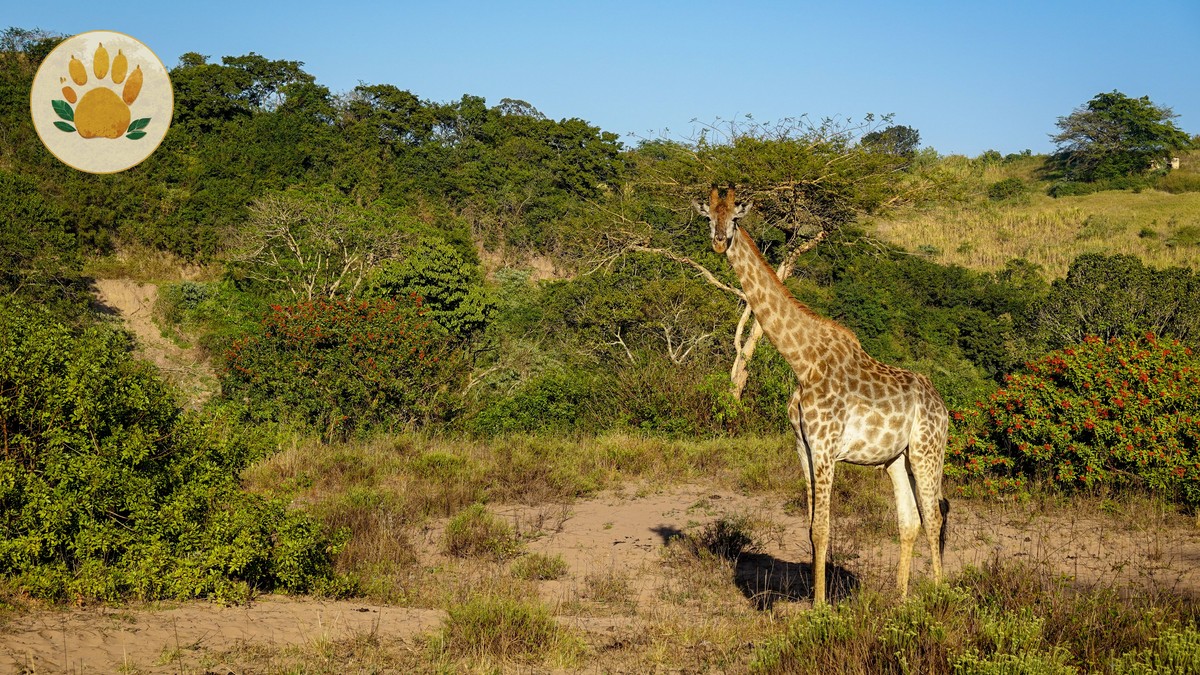
For a photographer who has already shot the Mara in classic golden dust, wet-season light is a genuine change. Storm clouds behind grazing elephant herds in Amboseli, with Mount Kilimanjaro sometimes clearing between showers, make for a different portfolio than the dry-season postcard shot. Samburu’s reticulated giraffe and Grevy’s zebra stand out sharply against green scrubland that is brown for most of the year.
The trade-off is patience. Tall grass hides smaller cats and newborn antelope, so sightings take longer and guides work harder. Pack accordingly. A guide to protecting safari camera gear covers dust season, but the same dry bags and lens cloths matter just as much when the risk is moisture instead of grit.
Rainy-Season Safari Costs, Crowds, and Value
The rainy or green season often brings lower lodge rates, fewer vehicles at each sighting, and better camp availability than peak dry months. Savings can fund a private vehicle, an upgraded room, or extra nights. Value is strongest for travelers who accept some weather interruption and value atmosphere, privacy, and photography over guaranteed sightings.
Kenya Wildlife Service raised non-resident park fees in October 2025, and those figures now apply year-round at KWS parks, so daily entry costs do not drop in the rains. Where the savings show up is in lodge and conservancy rates, and in the Masai Mara’s own seasonal pricing, set by the Narok County Government rather than KWS.
| Area | Non-resident park fee | Typical rainy months | Distance from Nairobi | Drive time |
|---|---|---|---|---|
| Masai Mara National Reserve | USD 100/adult/day (Jan-Jun), USD 200/adult/day (Jul-Dec) | Long rains: April-May. Short rains: November | ~270 km | 5-6 hours by road, 45 minutes by air |
| Amboseli National Park | USD 90/adult/day, year-round | April-May, November | ~240 km | 4 hours by road, 30 minutes by air |
| Samburu National Reserve | Indicative USD 70-100/adult/day, confirm at booking | April-May, November | ~325 km | 6 hours by road, about 1 hour by air |
| Tsavo East / Tsavo West | USD 80/adult/day, year-round | April-May, November | 230-330 km | 4-5 hours by road |
Notice the Mara detail here. Because the county’s pricing bracket runs July through December, the short rains in November still fall inside the USD 200/adult/day peak-season rate. If you want a rainy-season Mara at a lower park fee, you need the April-May long rains instead, which is the harder weather window to plan around. Amboseli, Samburu, and the Tsavo parks do not carry this seasonal fee swing, so their rainy-season savings come entirely from lodge and conservancy rates.
Private conservancies bordering the Mara, such as Naboisho Conservancy and Mara North Conservancy, bundle conservancy fees into nightly lodge rates, typically USD 80-150 per person per night. These rates can also soften in the green season, though availability moves faster than public park pricing, so confirm current rates directly with the camp.
Road Conditions, Safety, and When Drives May Change
Light rain generally leaves safari roads usable, but prolonged heavy rain can turn tracks into deep mud and raise river levels. Kenya’s black-cotton-soil roads are especially vulnerable, and crossings such as the Talek River near the Mara can affect access. A good operator monitors conditions and reroutes rather than risking an unsafe crossing.
This is where a repeat visitor has an advantage over a first-timer: you already know that “the Mara” is not one road network. The reserve’s western and Mara Triangle sections can be impassable while the eastern side stays fine, and vice versa. The same logic applies to Laikipia’s conservancies, where individual roads can close for days after a downpour even while neighboring properties stay open. During the heaviest weeks of the long rains, some parks temporarily restrict access to their most vulnerable sections. Before booking April or May dates, it is worth checking Kenya safari park reopening dates so you know which circuits are fully open.
Samburu National Reserve sits along the Ewaso Ng’iro River, and heavy upstream rain can raise the river fast even on a clear day at camp. Guides here watch water levels closely, since a river crossing that was fine in the morning can become risky by afternoon. This is a genuine safety matter, not just an inconvenience, and it is one reason to book with an operator who has current, local knowledge of each route.
What to Pack for a Rainy Safari
Pack a waterproof jacket or poncho, quick-drying layers, waterproof footwear, a dry bag, and a microfiber lens cloth. Keep phones, passports, batteries, and camera equipment sealed during heavy showers. Warm layers matter too, since open vehicles feel cold and wet early in the morning or right after a storm.
A few specifics worth adding to that list for Kenya conditions. Closed waterproof shoes with real grip help more than sandals when you are walking across a muddy camp path at dawn. A lightweight fleece under your rain jacket covers the temperature drop that follows most Samburu and Laikipia storms. Binoculars fog quickly in humid conditions, so a dedicated cloth, kept separate from your lens cloth, saves frustration mid-drive.
The SafariPure Difference
SafariPure plans rainy-season trips with the same route-by-route detail as dry-season ones, not a generic weather disclaimer. We track which sections of the Mara Triangle, Laikipia conservancies, and Samburu river crossings are open before we confirm your itinerary, and we build in buffer time on days when black-cotton roads are likely to slow things down. For repeat visitors chasing Samburu, Laikipia, or the Kaya forests off-peak, that local detail is the difference between a trip that adapts smoothly to weather and one that loses a day to it.
We also price honestly. If a lower rainy-season rate exists at a conservancy or lodge, we pass it on. If a fee bracket, like the Mara’s July-December pricing, does not actually drop during the short rains, we say so upfront rather than let you assume it will.
Frequently Asked Questions
Does rain ruin a safari game drive?
No, light or short-lived rain usually does not ruin a game drive. Vehicles and guides are prepared to continue, and wet conditions can produce greener scenery and distinctive wildlife sightings. Heavy, prolonged rain may reduce visibility, make roads muddy, or require a route change.
Can you still see animals on safari in the rain?
Yes, animals are still visible during many rainy drives, especially during light showers or just after rain. Some wildlife stays active, while birds, predators, and newborn animals can be especially rewarding to watch. Tall wet-season grass and dispersed animals can make sightings less predictable.
Do safari drives get cancelled when it rains?
Safari drives are rarely cancelled for ordinary rain. Guides may wait out a short downpour, shorten the outing, or use an alternative route. Cancellation or major disruption is more likely when flooding, dangerous storms, or impassable roads and river crossings create a genuine safety problem.
Is a safari cheaper during the rainy season?
Often, yes. Rainy or green-season travel commonly brings lower camp and lodge rates, fewer visitors, and more availability than peak dry-season travel. Exact savings depend on the park, dates, camp, and whether the period is a shoulder season or the more difficult long-rains period.
What should I wear on safari in the rain?
Wear quick-drying layers with a waterproof jacket or poncho, and bring waterproof shoes or sandals with good grip. Keep a warm layer available for cool mornings. Protect cameras and electronics in a dry bag, and carry a cloth for clearing water from lenses and binoculars.
Plan Your Rainy-Season Safari
If Samburu, Laikipia, or the Kaya forests are next on your list, the rains do not have to be a reason to wait. Reach out through our contact page and we will help you weigh the dates, the routes, and the trade-offs against what you actually want from the trip.