Kenya is one of the few countries where a single trip can move from lake shore to cloud forest to dry scrub. More than 1,100 bird species have been recorded here. That is why kenya safari birding by habitat works. Instead of asking where all the birds are, ask which habitat holds the species you want most. This post matches habitats to their best parks, gives current fees, and suggests routes.
This makes birding in Kenya a habitat game. If you are happy with general wildlife plus common birds, the Mara and Amboseli are easy choices. If you are chasing forest endemics and a high species total, you will spend more time at Kakamega, Mount Kenya, and the Rift Valley lakes.
Kenya Safari Birding by Habitat: How to Choose the Right Route
Choose the route by target habitat, not by famous park alone. Rift Valley lakes suit flamingos and waterbirds; Kakamega suits rainforest specialists; Mount Kenya suits montane birds; the Mara suits grassland and raptors; and Samburu suits dry-country species. A mixed 10- to 12-day route can combine several ecosystems and may produce roughly 300 to 400 species for focused birders.
| Stop | Habitat | Approx. distance from Nairobi | Drive time (indicative) | Non-resident fee |
|---|---|---|---|---|
| Nairobi National Park | Savannah, riverine woodland | 10 km | 30 min | USD 80 per adult per day |
| Lake Nakuru National Park | Alkaline lake, acacia woodland | 160 km | 2.5-3 hr | USD 90 per adult per day |
| Masai Mara National Reserve | Open grassland, riverine forest | 270 km via Narok | 5-6 hr | USD 100 Jan-Jun; USD 200 Jul-Dec |
| Amboseli National Park | Plains, wetland edges | 240 km | 4 hr | USD 90 per adult per day |
| Samburu and Buffalo Springs Reserves | Arid savannah, riverine forest | 350 km | 5.5-6.5 hr | Reserve fee not listed by KWS; confirm with operator (indicative USD 70-100) |
Fees in the table are current as of August 2026. The Masai Mara is run by Narok County Government, not KWS.
Near the Mara reserve, Naboisho and Mara North Conservancies charge a conservancy fee bundled into your lodge rate. Budget roughly USD 80 to 150 per person per night. You get quieter birding and often better light.
Before you commit to a spot, understand how radio sightings are managed on safari. Crowded sightings affect where you choose to spend the morning, especially if you want clean backgrounds for photography.
Rift Valley Lakes and Wetlands
Rift Valley lakes and wetlands are Kenya’s most reliable habitat for concentrated waterbird viewing. Lake Nakuru and Lake Bogoria are associated with flamingos and alkaline-lake species, while Lake Naivasha and Lake Baringo add freshwater birds, raptors, waders, and shoreline species. Bring a scope when possible because open water and distant mudflats reward long-range viewing.
Start with Lake Naivasha for African Fish Eagle, African Jacana, and Yellow-billed Stork. Then drive to Lake Nakuru for flamingos, Great White Pelicans, and Black-winged Stilt. Lake Bogoria is a long day from Nairobi, about 5 hours via Nakuru, but it can hold big flamingo flocks. Lake Baringo adds barbets, weavers, herons, and one of Kenya’s few breeding colonies of Goliath Heron.
If your dates do not allow all four lakes, choose Nakuru plus Naivasha. That pair covers alkaline and freshwater habitats in two days.
Savannah, Grassland, and Riverine Woodland
Savannah and riverine habitats are best for raptors, ground birds, rollers, bustards, and species that use scattered trees or seasonal waterways. The Masai Mara is especially strong for open-grassland targets such as Secretary Bird and Kori Bustard, while Amboseli combines plains and wetland birding. Dry conditions often improve visibility because birds gather near remaining water.
In the Mara, look for Martial Eagle, Bateleur, and several roller species. Amboseli pairs plains birds with wetland species around the swamps, and the Kilimanjaro backdrop makes dawn photography easy. Tsavo East and Tsavo West are bigger and hotter, but they add dry-country species and a different raptor list. Both Tsavo parks cost USD 80 per adult per day. Around Tsavo West, the waterhole at Ngulia Lodge is known for migrant owls and nightjars from October to December.
Highland and Montane Forest
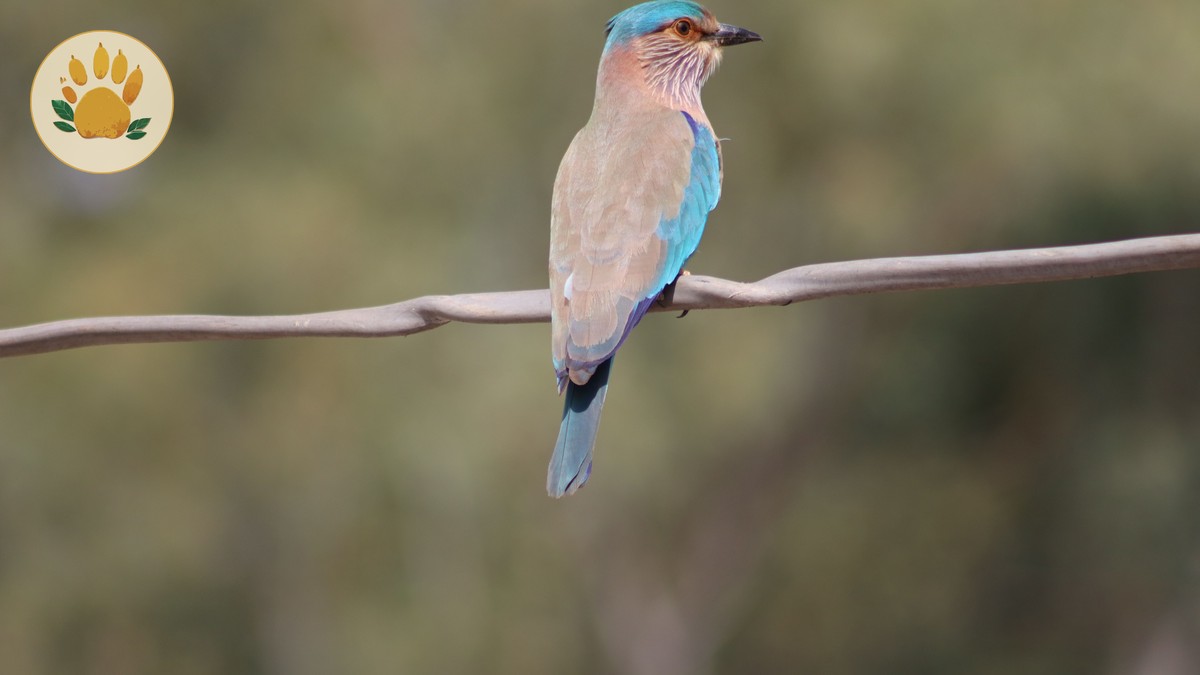
Mount Kenya and the Aberdares provide Kenya’s most distinctive high-altitude birding, with montane forest, bamboo, moorland, and upland grassland replacing lowland savannah. These habitats suit turacos, sunbirds, montane francolins, specialized starlings, and other range-restricted species. Plan shorter walking or forest sessions, allow for cool weather, and expect denser vegetation to make sightings harder than lake birding.
On the Mount Kenya slopes, look for Hartlaub’s Turaco, Scarlet-tufted Sunbird, and Montane Francolin. On the moorlands, check for Jackson’s Francolin and Sharpe’s Longclaw. The Aberdares have similar forest birds, with more waterlogged clearings and less open moorland. Naro Moru and Nanyuki are the main gate towns. A local guide is almost essential because many montane species stay hidden in bamboo and thick undergrowth.
Tropical and Coastal Forest
Kakamega is the priority for tropical rainforest and West African forest species, while Arabuko-Sokoke and nearby coastal habitats are better for coastal endemics and dry-forest specialists. Forest birding depends heavily on an experienced local guide, patience, and early starts because calls may reveal birds before the canopy does. Coastal trips can also add mangrove and marine species.
Kakamega deserves two nights. Look for Great Blue Turaco, Black-and-white-casqued Hornbill, and Turner’s Eremomela. Stay at Rondo Retreat for a quiet base close to the forest edge. At Arabuko-Sokoke Forest near the coast, targets include Sokoke Scops Owl, Spotted Ground Thrush, and Clarke’s Weaver. Add a morning at Sabaki River estuary for waders and terns.
Northern Drylands and Semi-Arid Scrub
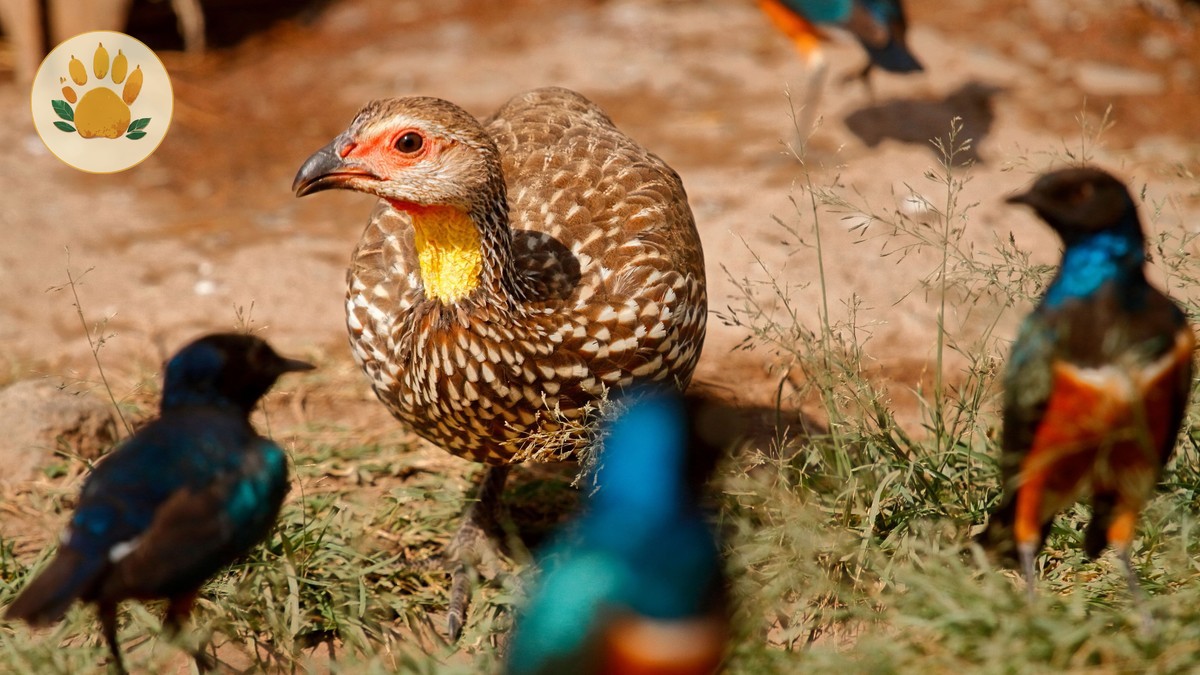
Samburu, Buffalo Springs, Shaba, and the wider northern drylands are the clearest choice for dry-country specialists. Expect species such as Golden-breasted Starling, Vulturine Guineafowl, and Somali Ostrich in arid savannah, scrub, and river-edge habitats. These areas provide a different species community from the Rift Valley, but heat, distance, and sparse shade make early drives essential.
Samburu and Buffalo Springs sit across the Ewaso Nyiro River from each other. Riverine forest holds woodland kingfishers and bee-eaters, while open scrub holds the dry-country stars. Plan dawn drives only, rest through midday heat, and return for a late afternoon session. If you cannot reach Samburu, Chyulu Hills National Park costs USD 40 per adult per day, with dry forest and grassland species at lower elevation.
Best Months, Daily Logistics, and Birding Equipment
November through April is the strongest all-round window for total variety because migrant birds overlap with resident species; June and July can be excellent for breeding plumage and photography. Use 8×42 or 10×42 binoculars, carry a field guide and spare batteries, and consider a telescope at large lakes. Schedule dawn outings, midday rest, and a second afternoon session.
The best season depends on your targets. November to April brings Palearctic migrants such as Willow Warbler, Common Sandpiper, and Northern Wheatear. June and July are better for breeding plumage. August to October can be dry but still good for waterbirds near shrinking pools. December to February is hot and dusty in the north.
A roof hatch or pop-up roof beats a window for photography. Dust is constant on Kenyan roads. Follow our advice on protecting birding and photography equipment from dust before you pack.
Sample Habitat-Based Itineraries and Expected Costs
A practical first itinerary is 8 to 10 days across Nairobi National Park, Rift Valley lakes, the Masai Mara, and one forest or northern reserve. A specialist route needs about 10 to 14 days. Prices vary by vehicle type, guide specialization, season, park fees, room standard, and group size, so live quotes work better than a fixed price.
A balanced 10-day route might look like this: day one at Nairobi National Park, days two and three at Lake Naivasha and Lake Nakuru, days four to six at the Masai Mara, then a choice of Kakamega or Samburu. If you add Kakamega, budget a full driving day from the Mara, roughly 6 to 8 hours. If you add Samburu, the drive from the Mara is long; a flight from Nairobi to Samburu saves time.
Named lodges can anchor each stop. Near Lake Nakuru, Sarova Lion Hill is convenient. In the Mara, Kichwa Tembo sits close to the reserve. At Amboseli, Tortilis Camp sits near the wetland edges.
For a broader budget picture, including sample per-day costs, read our guide to planning a Kenya safari budget.
Frequently Asked Questions
What are the best habitats for birding in Kenya?
The best habitats depend on the birds you want. Rift Valley lakes are strongest for waterbirds, savannah for raptors and grassland species, Kakamega for rainforest birds, Mount Kenya for montane specialists, the coast for endemics, and Samburu for dry-country birds.
What is the best month for birding in Kenya?
November through April is generally best for overall species variety because migrant birds join Kenya’s resident species. June and July are attractive for photographers because many resident birds show breeding plumage. Dry-season months can make wildlife and bird visibility easier around water.
Where can I see flamingos and waterbirds in Kenya?
Lake Nakuru and Lake Bogoria are well-known choices for flamingos and other alkaline-lake birds. Lake Naivasha and Lake Baringo provide additional freshwater, wader, raptor, and shoreline habitats. Combining two or three lakes usually gives more variety than relying on one destination.
Can I combine birding with a Big Five safari in Kenya?
Yes. The Masai Mara, Amboseli, and Tsavo can combine general wildlife viewing with productive savannah and wetland birding. A mixed itinerary will not match the species total of a specialist forest-and-lake route, but it offers a better balance for travelers who want birds and large mammals.
How many bird species can you see on a Kenya birding safari?
A focused 10- to 12-day trip may record roughly 300 to 400 species when it covers several habitats and uses specialist guiding. The actual total depends on season, route, weather, observer experience, time in forests, and whether the itinerary prioritizes species count or larger wildlife.
The SafariPure Difference
Time in the wild done properly means your morning is shaped by light, not by a checklist. SafariPure builds patience-driven itineraries for birding safaris in Kenya. Vehicles have pop-up roofs, beanbags, and room for a telescope. Drivers know which roads to avoid after rain and which forest track to sit on when an owl is calling. Groups stay small, so you are not competing for the best angle.
We also respect seasons. If your target species is most active at dawn, we start early, rest long, and return in softer afternoon light. That is a better way to enjoy a Kenya birding safari by habitat than running from park gate to park gate.
Plan Your Trip with SafariPure
Planning a Kenya birding safari by habitat is practical when you match each habitat to your target list. If you want a route that does exactly that, SafariPure can help. Start with a conversation through our contact page, or browse our Kenya birding safari page to see how we work.