Planning a wheelchair accessible Kenya safari takes more research than a standard trip. This Kenya safari accessible camps guide names real camps, explains the exact access details to confirm, and gives current 2026 park fees. You can plan with confidence even if you have limited mobility, reduced stamina, or need a step-free room.
What Accessibility Really Means at a Kenya Safari Camp
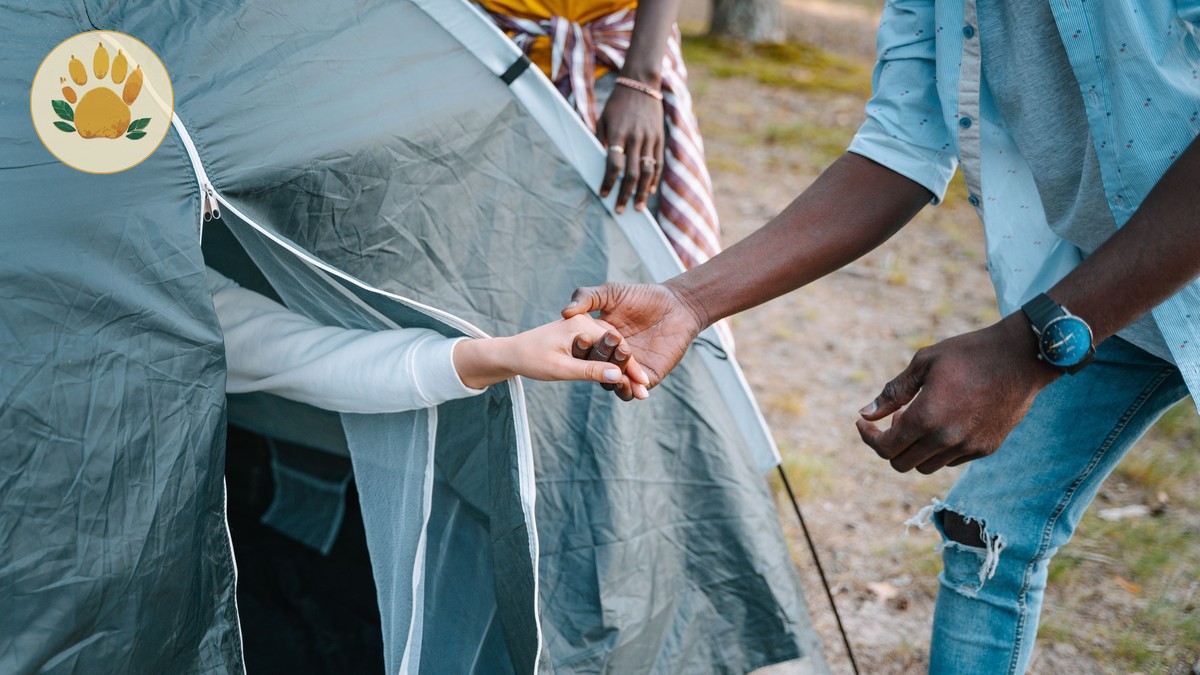
A genuinely accessible Kenya safari camp should provide a step-free route from vehicle drop-off to room and dining areas, a wide entrance, a roll-in or low-lip shower, suitable toilet access, and staff prepared to assist safely. The word accessible alone is not enough. Confirm transfer distance, door width, bathroom layout, and terrain before booking.
Most Kenyan safari camps sit in the open, not in a hotel building. Tented camps often use boardwalks, gravel paths, or packed earth. These surfaces can be fine for a wheelchair, but they can also be loose, muddy after rain, or too soft to roll across. A lodge with paved walkways and ground-floor rooms is often easier than a tented camp on a riverbank.
Accessibility is not one standard. A traveler who can stand and take two steps may book a camp that is impossible for someone who needs full step-free access. When you see “wheelchair friendly lodges Kenya” in search results, ask whether the property means one room, one path, or the whole camp.
Kenya Safari Accessible Camps Guide: Best Camps and Lodges by Region
Useful properties to investigate include Ashnil Mara Camp, Sarova Mara Game Camp, Fig Tree Camp, Ol Tukai Lodge, Kibo Safari Camp, Sweetwaters Serena Camp, and selected Sopa or Serena properties. Features vary by room and renovation. Request written confirmation for the exact unit, pathway, bathroom, and vehicle arrangement rather than relying on a property-wide accessibility label.
SafariPure often starts with these names because they appear multiple times in accessibility conversations. But the actual camp layout matters more than the name. One tent at Fig Tree may have a low step; another may sit on a slope. A renovated room at Sarova Mara could have a wider bathroom, while the older block does not. The access details are not uniform.
The table below is a starting comparison. Rates are indicative ranges from 2026 accessible safari packages, not fixed tariffs. Always confirm the exact room and season.
| Camp | Area | Access details to confirm | Indicative 2026 rate per person per night |
|---|---|---|---|
| Ashnil Mara Camp | Masai Mara National Reserve | Path from parking to tent; step-free dining; vehicle seat transfer | USD 550-900 |
| Sarova Mara Game Camp | Masai Mara | Terrain between tent and lobby; bathroom entrance; bed height | USD 550-900 |
| Fig Tree Camp | Masai Mara | Boardwalk width; distance from parking; step into tent | USD 550-900 |
| Ol Tukai Lodge | Amboseli National Park | Ground-floor rooms; firm paths; access to dry lake viewpoints | USD 550-900 |
| Kibo Safari Camp | Amboseli | Path surface; tent entry; shower lip; vehicle transfer steps | USD 550-900 |
| Sweetwaters Serena Camp | Ol Pejeta Conservancy | Ground-floor rooms; ramp or level path; conservancy vehicle seating | USD 550-900 |
Masai Mara camps give you the famous wildebeest crossings and long savannah views. Amboseli camps sit close to flat terrain and Mount Kilimanjaro views. Sweetwaters Serena Camp sits in a private conservancy and often allows a calmer game drive route.
Accessible Safari Vehicles, Transfers, and Game Drives
Accessible safari planning depends on the vehicle transfer as much as the room. Confirm whether the traveler transfers into a standard seat, needs a ramp or swing-arm seat, or remains in the wheelchair. Then verify chair dimensions, folding requirements, luggage space, guide assistance, and the length of each drive. Adapted vehicles usually require advance arrangement.
Most Kenyan game drive vehicles are 4×4 Land Cruisers with a pop-up roof. They have high step-up doors and bench seats. A typical folding wheelchair can be stored in the back, but a heavy power chair may not fit. Large power chairs are difficult because luggage and supplies already fill the rear. Ask your operator for the exact maximum folded chair size before you book internal flights or private transfers.
Some operators offer modified seat bases, a fold-down step, or a swing-arm seat to help transfer from chair to vehicle. This is not the same as a ramp van. A wheelchair does not roll into most safari vehicles. Most travelers transfer to a seat, then the chair is stored. If you need to stay seated in your own chair, ask directly. The answer is likely no for standard vehicles.
Accessible safari vehicles Kenya searches often return the same point: arrangement must happen in advance. You cannot rely on a last-minute request at the airstrip. If you book a fly-in safari, the small plane has its own limits for chair dimensions and weight. Ask the camp or operator to coordinate both the flight and the game drive vehicle.
During game drives, plan for bumpy tracks and long periods in the seat. There are no paved roads inside most parks. Comfort breaks are limited. For a sense of how stops usually work, read what to expect from Kenya safari stops before you decide between an all-day drive and a relaxed schedule.
How to Verify Rooms, Bathrooms, and Camp Pathways
Ask for measurements and photographs of the exact room: doorway width, bed height, shower entry, toilet clearance, grab rails, shower chair, and the distance from parking to the tent. Also ask whether paths are paved, gravel, boardwalk, sloped, or muddy in rain. A few steps or a short walk can be a complete barrier for some travelers.
This is the most important section in this guide. Do not trust an online photo of a wide door in one room. Request a video call with the camp manager, or a set of photos taken in the unit you will actually use. Ask for door widths in centimeters and bed height in centimeters. If the shower has a lip, ask the height. A low lip can work for some travelers, but a true roll-in shower floor is different.
Toilet access is often the weak point. Some camps have squat or low toilets, narrow doorways, or no grab rails. Ask whether a raised toilet seat or bed-side commode can be added. If you need medical equipment that runs on electricity, also ask how safari camps handle power cuts. Many camps have solar systems or backup generators, but you should know the limits before you go.
Use the same standard for pathways. Boardwalks can be firm and flat, but they can also be slippery when wet. Gravel paths become loose. Slopes between the tent and the dining room add effort. Ask the camp to measure the distance from vehicle parking to the tent door and from the tent door to the dining area. It may be 30 meters or 300 meters. Either distance can matter after a long game drive. For a broader list of practical questions to ask Kenya safari lodges, ask your operator directly before you pay a deposit.
Most Accessible Kenya Safari Routes and Parks
Amboseli is often the simplest major park for travelers with limited mobility because its landscape is relatively flat and several lodges offer ground-floor rooms or firm paths. Lake Nakuru and lodge-based Ol Pejeta routes can also reduce strain. The Masai Mara offers more camp choice but may involve rough tracks, uneven ground, slopes, and longer vehicle transfers.
Amboseli accessible safaris work well because the terrain around the lodges is open and flat. The famous elephant herds move across a dry lakebed, and game viewing does not require steep climbs. Ol Tukai Lodge and Kibo Safari Camp are useful starting points.
| Route | Non-resident entry fee per adult per day | Approx distance from Nairobi | Approx road time | Accessibility notes |
|---|---|---|---|---|
| Amboseli National Park | USD 90 | 240 km | 4 hours | Flat terrain; many lodges on firm paths |
| Lake Nakuru National Park | USD 90 | 160 km | 3 hours | Paved access route; hilly viewpoints |
| Masai Mara National Reserve | USD 100 Jan-Jun; USD 200 Jul-Dec | 270 km | 5-6 hours | More camp choice; rough tracks, mud possible |
| Ol Pejeta Conservancy | Ask lodge for exact fee | 230 km | 3.5-4 hours | Quiet private conservancy; lodge-based |
The Masai Mara is a county reserve, not a KWS national park. Narok County sets its fee. Lake Nakuru and Amboseli are KWS parks. These fees are for non-resident adults. Resident rates are different.
Ol Pejeta has the advantage of a private conservancy. It is quieter, and since you stay inside the conservancy, the route from your room to the vehicle can be short. Sweetwaters Serena Camp is lodge-based and has ground-floor options. Lake Nakuru is a compact park, so you can spend less time on rough roads and more time watching rhinos from the vehicle.
The Masai Mara can be done, but it needs the most careful planning. The phrase Masai Mara wheelchair accessible appears in search results because the camps exist, not because the park is flat. Reserve roads can be badly corrugated, and camp paths may turn to mud after rain. If you want the Mara, choose a camp that can confirm firm pathways and arrange a suitable vehicle.
If time is short, Nairobi National Park is another option at USD 80 per adult. It sits close to the city and offers a compact safari without a long transfer.
Accessible Safari Costs and Booking Timeline
An indicative mid-range accessible safari can cost about USD 550-900 per person per night when meals, game drives, and an accessible vehicle are included. A seven-night Amboseli-and-Mara trip may reach roughly USD 4,500-7,500 per person before international flights. Book earlier than a standard safari because truly step-free rooms and adapted vehicles are limited.
Those figures are a planning range, not a quote. The final price depends on the season, park fees, room category, and whether your party needs a private vehicle. Many accessible travelers prefer a private 4×4 rather than sharing with strangers. A private vehicle raises the daily cost, but it allows you to control the pace and the route.
Park fees are additional unless the camp includes them. Current non-resident fees are USD 90 per day in Amboseli and Lake Nakuru. In the Mara, the county reserve charges USD 100 per day from January to June and USD 200 per day from July to December. If a quoted package says inclusive, ask exactly which fees are covered.
Book early. The number of genuinely step-free rooms in Kenyan camps is small. Adapted vehicles are also limited. In peak migration season, from July through October, the best rooms at Ashnil, Sarova, and Fig Tree go quickly. Aim to start planning 9 to 12 months ahead. A shorter planning window is possible in low season, but your choice of accessible rooms will shrink.
The SafariPure Difference
SafariPure plans Kenya safaris the way a senior guide would: with patience and precise questions. We start by asking how you transfer, how far you can walk, and what you need in a bathroom. Then we match you with camps that can honestly meet those needs. We do not send you to a lodge because it has an accessible label on its website.
Park fees changed in October 2025, and many camps have upgraded rooms since then. Our team works with the exact properties named in this guide and confirms the current details before you pay a deposit. We also help with route planning, vehicle arrangements, and the small logistics that make a day run smoothly. That is our version of time in the wild done properly.
Frequently Asked Questions
Which safari camps in Kenya are wheelchair accessible?
Examples include Ashnil Mara Camp, Sarova Mara Game Camp, Fig Tree Camp, Ol Tukai Lodge, Kibo Safari Camp, and selected Serena or Sopa properties. Accessibility is not consistent across every room, so confirm the exact tent or room, bathroom, paths, and vehicle before paying a deposit.
Is the Masai Mara wheelchair accessible?
Yes, a Masai Mara safari is possible, but accessibility varies by camp and route. Some properties provide accessible tents, roll-in showers, or firm pathways, while reserve tracks and camp terrain can be uneven, muddy, or difficult after rain.
What is the most accessible safari park in Kenya?
Amboseli is often the easiest major Kenyan park for travelers with limited mobility because the terrain is relatively flat and several lodges have ground-floor rooms and firm paths. Route planning still matters because individual rooms, vehicles, and game-drive tracks differ.
Do Kenya safari lodges have roll-in showers?
Some do, but roll-in showers are not standard across Kenya safari camps. Ask whether the shower has a true level entry, a low lip, a seat, grab rails, and enough turning space in the exact room being reserved.
How much does an accessible Kenya safari cost?
A mid-range accessible safari may cost approximately USD 550-900 per person per night when meals, game drives, and an adapted vehicle are included. The final price depends on park fees, private-vehicle requirements, flights, season, camp category, and the assistance or equipment needed.
Plan Your Accessible Kenya Safari With SafariPure
A Kenya safari accessible camps guide can only take you so far. The right plan depends on your exact room, your vehicle, and the route you choose. If you want a clear itinerary with named camps and confirmed access details, start your planning with SafariPure. We will ask the right questions and help you book a safari that matches how you move. Request your itinerary through our Kenya safari tours page or contact page.