How do safari camps handle power cuts? In Kenya, most safari camps are not connected to the national grid, so a power cut usually means the solar battery bank has dropped or the generator has been switched off. The practical effect is quieter than many travelers expect. Lights continue, the kitchen still works, and someone brings a lantern to your tent. The main limits are charging access, water heating, and Wi-Fi. Understanding these limits before you book can save you from a dead camera battery on day one. The table below gives a realistic picture for common camp types.
| Camp type and example | Road from Nairobi | Typical drive time | Park or conservancy fee, non-resident adult | Power setup and outage response |
|---|---|---|---|---|
| Mobile tented camp, Masai Mara, e.g. Kichwa Tembo area | about 270 km via Narok | 5 to 6 hours | Masai Mara National Reserve: USD 100 Jan-Jun, USD 200 Jul-Dec, Narok County, not KWS | Small solar battery bank plus generator. Basic lights stay on. Room outlets off. Charging in mess tent during set windows. |
| Semi-permanent camp, Mara North or Naboisho, e.g. Elephant Pepper Camp area | about 290 km via Narok | 5 to 6.5 hours | Private conservancy fees roughly USD 80-150 per person per night, bundled into lodge rate | Solar and batteries with evening generator. Lights and security remain on. Hot water preheated. Wi-Fi limited. |
| Permanent lodge, Amboseli, e.g. Tortilis Camp or Ol Tukai Lodge | about 240 km via Namanga | 4.5 to 5 hours | Amboseli National Park KWS: USD 90 per adult per day | Larger solar array plus generator or grid backup. Most room lights and outlets stay on. Air conditioning may pause. |
| Remote semi-permanent camp, Samburu, e.g. Saruni Samburu area | about 350 km via Nanyuki-Isiolo | 6 to 7 hours | Samburu National Reserve entrance indicative USD 70-100 per adult per day, confirm before booking | Solar and generator only. Core lighting remains. Device charging central. Hot water from solar or wood boiler. |
How do safari camps handle power cuts when the grid goes down?
When grid power fails, most established safari camps switch to solar batteries, a generator, or both. Lights and essential operations usually continue, but outlets, hot water, air conditioning, kitchen equipment, or Wi-Fi may be limited. Staff commonly provide lanterns and explain the charging or generator schedule, especially at remote camps.
At a mobile camp in the Mara, there is rarely any grid to fail. The camp runs on solar and battery power. When the system is low, the manager may turn off room outlets but leave the shared mess tent lights running. You might only notice because your phone stops charging. Staff often bring a rechargeable lantern to your tent at dusk. At a permanent lodge outside Amboseli, an outage from the local supply can feel more like a hotel power cut. The generator starts or rooms run on battery. The lodge typically keeps security lighting, the bar, and some water pumps running. What stops first is the high draw equipment.
How safari camps generate and store electricity
Safari camps commonly combine solar panels, battery banks, generators, and occasional grid electricity. Solar power charges batteries during daylight, batteries provide quieter power overnight, and a generator starts when stored energy falls too low or demand rises. This hybrid setup reduces fuel use while keeping essential services available during outages.
Most small Kenyan camps run a daily rhythm. Solar panels top up a battery bank between roughly 8 am and 5 pm. That stored energy powers lights and a few outlets after dark. When voltage drops, an automatic or staff-started generator runs for two to four hours. Generator time often overlaps with dinner and early breakfast. Some conservancy camps in Mara North and Naboisho have larger arrays and keep room charging alive until 10 pm. Samburu properties tend to rely more on generators because the area can be hot and panels take hard use. Permanent lodges around Amboseli sometimes connect to a local supply, but the supply can still be unstable. A backup generator or a larger battery bank then covers the gap.
How power cuts affect lights, hot water, air conditioning, and Wi-Fi
A power cut does not necessarily darken the entire camp, but it can change which services work. Emergency lighting and basic room lights are usually prioritised; hot water, air conditioning, fans, laundry, pool equipment, and high-power appliances may be paused. Wi-Fi depends on the camp’s router, satellite link, and backup capacity, so it may remain available or slow down.
Lights are easiest to protect. Nearly every camp has battery lanterns, solar path lights, or a small inverter for the mess tent. Hot water is more variable. Many tented camps heat water in the afternoon using solar or a wood boiler, then store it in insulated tanks. You can usually shower in the early evening. By morning the water may be cooler. Permanent lodges may heat water on demand with gas or a generator, so hot water can survive a short grid outage. Air conditioning is the first thing to go. Most tented camps do not have it at all. Lodges with air conditioning may turn it off during generator hours to save fuel. Wi-Fi is the least predictable service. If the camp runs a satellite router from the same battery bank, it may stay up. If the router lives in the main building and the generator is off, expect it to drop. Some camps deliberately switch Wi-Fi off overnight.
When and where guests can charge phones and camera batteries
Charging is most reliable during scheduled generator hours or while solar production is strongest. Mobile camps may offer outlets only in the mess tent or a central charging station, while permanent lodges are more likely to have room outlets. Charge camera batteries, phones, and power banks whenever electricity is available instead of waiting until bedtime.
At mobile camps, charging normally happens between about 5:30 and 7:15 am and again from about 6 to 9:30 pm while the generator runs or while the solar batteries are still above reserve. Outlets are often in the mess tent, not in your tent. Bring a multi-plug if you have several devices. At semi-permanent camps, many tents have a USB socket or a small inverter outlet, but the camp may ask you to limit use of high-wattage chargers. Permanent lodges around Amboseli often keep room outlets live for 18 to 24 hours a day, but some still switch off at night. Do not leave a camera battery plugged in after the generator goes off. You may wake up with less charge, not more.
Differences between mobile camps, semi-permanent camps, and permanent lodges
Mobile tented camps usually have the most restricted electricity, often using solar batteries and generators for short morning and evening windows. Semi-permanent camps generally offer daytime solar power plus evening generator support. Permanent lodges tend to provide longer charging access through larger solar systems, grid connections, or generators, although air conditioning and room outlets may still be restricted during outages.
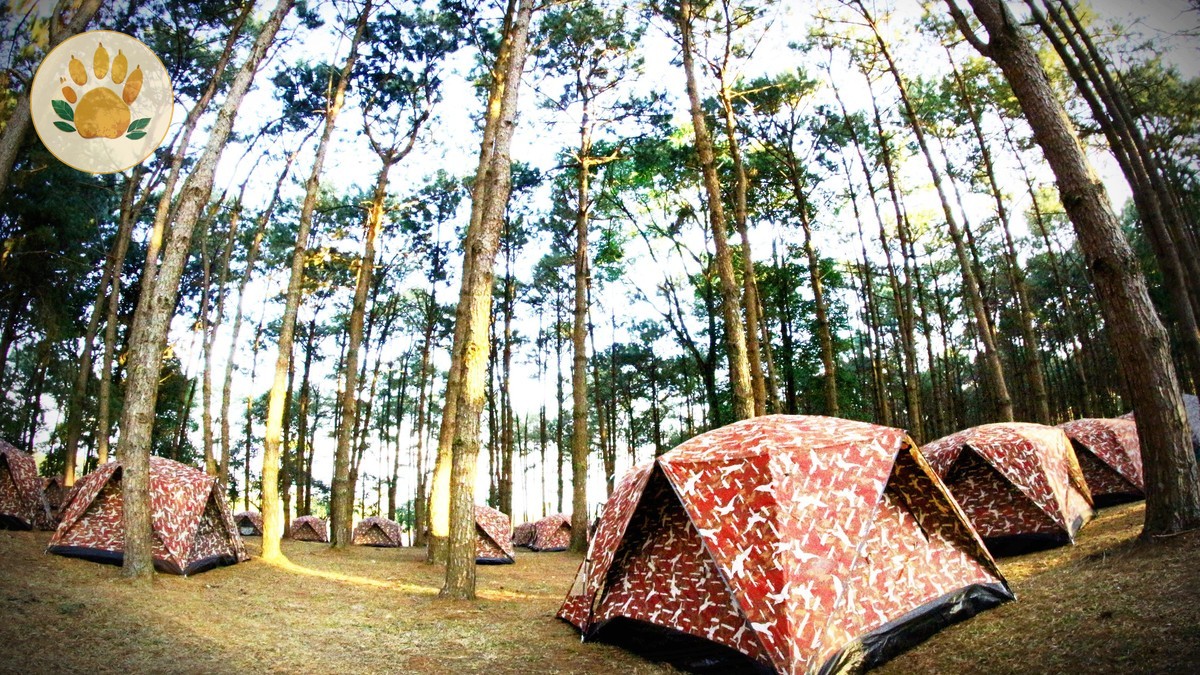
Mobile camps are seasonal and are often taken down during heavy rains. Their systems are small. The generator may run only when guests are awake. Semi-permanent camps, such as those in Mara North and Naboisho conservancies, can afford better solar and are built with proper switchboards. They usually provide daytime charging and evening generator support. Permanent lodges, such as those around Amboseli or in Laikipia, often have the most continuous power. But continuous does not mean unlimited. Air conditioning, heated pools, and large laundry loads may still be rationed. The table above shows how this plays out on the road.
What to pack for safari power interruptions
Pack a high-capacity power bank, spare camera batteries, a universal adapter, charging cables, and a small headlamp or torch. Travellers using CPAP machines, refrigerated medication, or another essential device should notify the camp before arrival and confirm its backup capacity. Keep electronics protected from dust and avoid relying on one charging window.
A 10,000 mAh power bank is a good baseline. Two is better if you shoot lots of video. Take a universal adapter because camps use Type G, Type C, or a mix. Carry a three-way plug strip to share one outlet. A small headlamp with red mode helps around the tent. If you use a CPAP machine, bring a battery backup if the manufacturer allows one. The camp may already have an inverter or a dedicated battery, but you need to confirm before arrival. Read our guide to protecting camera equipment from dust on safari because dead cameras and dusty chargers cause more missed shots than power cuts.
Questions to ask before booking a safari camp
Ask whether the camp uses solar, batteries, generators, or grid power; whether outlets operate 24 hours; where guests charge devices; and which services stop during an outage. Also confirm generator hours, hot-water availability, Wi-Fi backup, plug type, and arrangements for CPAP machines or other medical equipment. These answers vary substantially by camp category and property.
Here are the questions that matter:
- Is there 24-hour power in guest tents, or only in the mess tent?
- What are the generator hours?
- Which services stop during an outage?
- Is hot water available in the morning?
- How do you handle CPAP machines or refrigerated medication?
- What plug types are in the rooms?
- Is Wi-Fi restricted at night?
If you have food restrictions, ask the same direct questions. How safari camps handle special dietary needs can make a bigger difference than backup power. If you are traveling with children, review what to do if a child gets sick on safari before you choose a remote camp.
The SafariPure Difference
SafariPure plans trips around how a camp actually operates, not how it looks in the brochure. Before we confirm a booking, we check the camp’s power setup, charging windows, generator hours, water heating, and medical device support. If you use a CPAP machine or need reliable power for any reason, we tell the camp and confirm the exact arrangement in writing. We also match the camp type to your needs. A traveler who wants room charging at 11 pm should not be in a mobile Mara tent. A traveler who wants total quiet should not be in a lodge that runs an air conditioning generator after dark. You get an honest note on what to expect, so you pack the right gear and avoid the frustration of a dead battery.
Frequently Asked Questions
Do safari camps have electricity?
Yes, most established safari camps have some form of electricity, but access varies by property. Permanent lodges may provide near-continuous power, while mobile camps often use solar batteries and generators during set charging windows. Ask the camp whether outlets are available inside your tent or only in a shared area.
What happens if the power goes out at a safari lodge?
The lodge usually switches to a generator, solar battery system, or both. Essential lighting and core operations normally continue, but air conditioning, hot water, room outlets, Wi-Fi, or high-power appliances may be limited. Staff should explain the outage and tell guests when charging or generator power will resume.
Can you charge your phone at a safari camp?
Yes, but not always at any time or inside your tent. Many camps provide charging points in guest rooms, the mess tent, or a central station, with power available mainly during daylight or scheduled generator hours. Charge your phone and power bank whenever electricity is available and carry a spare battery for longer drives.
Do safari camps use generators?
Many safari camps use generators as backup or alongside solar power and batteries. Some run them for several hours in the morning and evening, while others start them automatically when battery levels fall. Camps may restrict generator use at night to reduce noise, fuel consumption, and disturbance to guests and wildlife.
Can I use a CPAP machine at a safari camp?
Usually, but arrangements must be confirmed before arrival. Ask whether the camp can provide continuous overnight power, a dedicated backup battery, or a generator connection, and bring a compatible backup battery if advised by the device manufacturer. Some lodges specifically recommend power banks for CPAP machines during scheduled outages.
Plan Your Safari With SafariPure
Power cuts do not have to be a surprise. Tell us which camps you are considering and what you need to charge. We will confirm the power setup and build a realistic itinerary. Explore our Kenya safari tours or reach out through the SafariPure contact page.