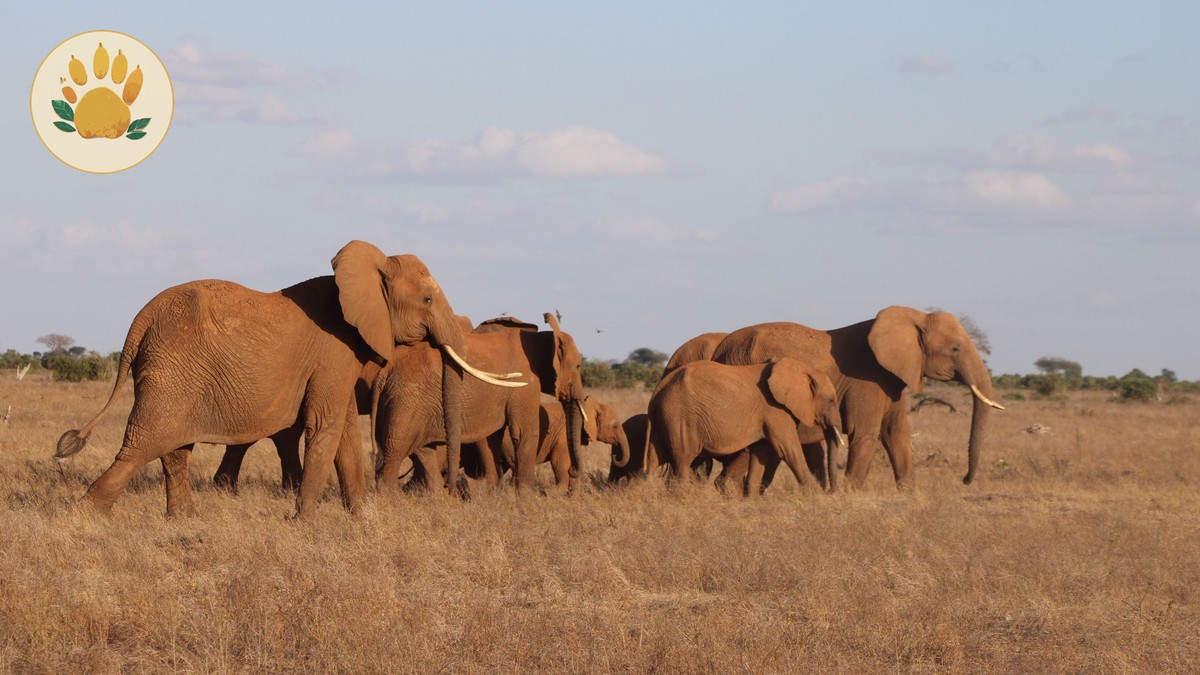
If you have already seen the Mara by day, a private conservancy night drive is a different way to use the same landscape. It is not a replacement for a daytime game drive. It is a short, quiet search for animals that move after sunset. This guide explains how private conservancy night drives work: where they are legal, how they run, what they cost, and how to decide if one belongs in your next Kenya itinerary.
Where Private Conservancy Night Drives Are Allowed
Private conservancy night drives take place on conservancy land, not inside the Masai Mara National Reserve, where night driving is prohibited. In the Greater Mara, commonly available areas include Mara North, Naboisho, Olare Motorogi, Ol Kinyei, and Siana. Guests normally need to stay at a camp located inside the relevant conservancy to use its night-drive permissions.
Inside the national reserve, after-dark driving is not permitted at all. This applies even to camps located just outside the reserve boundary. The legal night-drive areas are the private conservancies that border the reserve and other private wildlife areas in Laikipia, such as Ol Pejeta, Lewa, and Borana.
Mara North Conservancy sits roughly 270 km west of Nairobi, usually a five to six hour road transfer, or a 45 minute flight from Wilson Airport to the Mara North Airstrip. The same rough distance applies to Naboisho, Olare Motorogi, Ol Kinyei, and Siana because they all cluster in the same Greater Mara ecosystem.
For a fuller breakdown of access and camp rules, see our guide to Masai Mara private conservancies.
How Private Conservancy Night Drives Work, Step by Step
A guide collects guests after dinner, drives slowly into the conservancy darkness, and searches for nocturnal animals with a handheld red- or amber-filtered spotlight. The spotter scans the bush while the guide manages the vehicle and wildlife encounter. The experience is quieter and more focused on behavior than on covering large distances or ticking off species.
The sequence is usually simple. You finish dinner at camp around 7:00 to 7:30 PM. The guide then does a short briefing. The vehicle leaves camp and drives slowly along known tracks, often staying within a few kilometres of the lodge. The guide or spotter sweeps the spotlight across the bush and stops when eyes reflect back.
There is no set checklist. The goal is observation, not distance. A drive might cover 10 km or 20 km depending on what appears. The vehicle moves at walking pace in most sections. This is why the activity feels slower and more intimate than a standard daytime game drive.
When Night Drives Leave and How Long They Last
Most private conservancy night drives last about two hours. Ol Pejeta commonly offers 7-9 PM and 9-11 PM departures, while Mara camps often run one after-dinner outing around 8:30-10:30 PM. Exact times depend on the camp, season, dinner schedule, and conservancy rules, so confirm the slot before booking.
In the Mara, dinner service usually determines the start time. Camps that serve dinner at 7:00 PM can leave at 8:15 or 8:30 PM. Camps with a later dinner may leave closer to 9:00 PM. Ol Pejeta, because it operates more like a managed wildlife area with set activity slots, tends to offer the clearer two-hour windows.
Do not assume the drive will start immediately after dinner. Some camps need time to prepare the vehicle, change the spotlight battery, or wait for other guests on a shared vehicle. Ask for the expected departure time when you book, then confirm it again on arrival.
What Wildlife You Can See After Dark
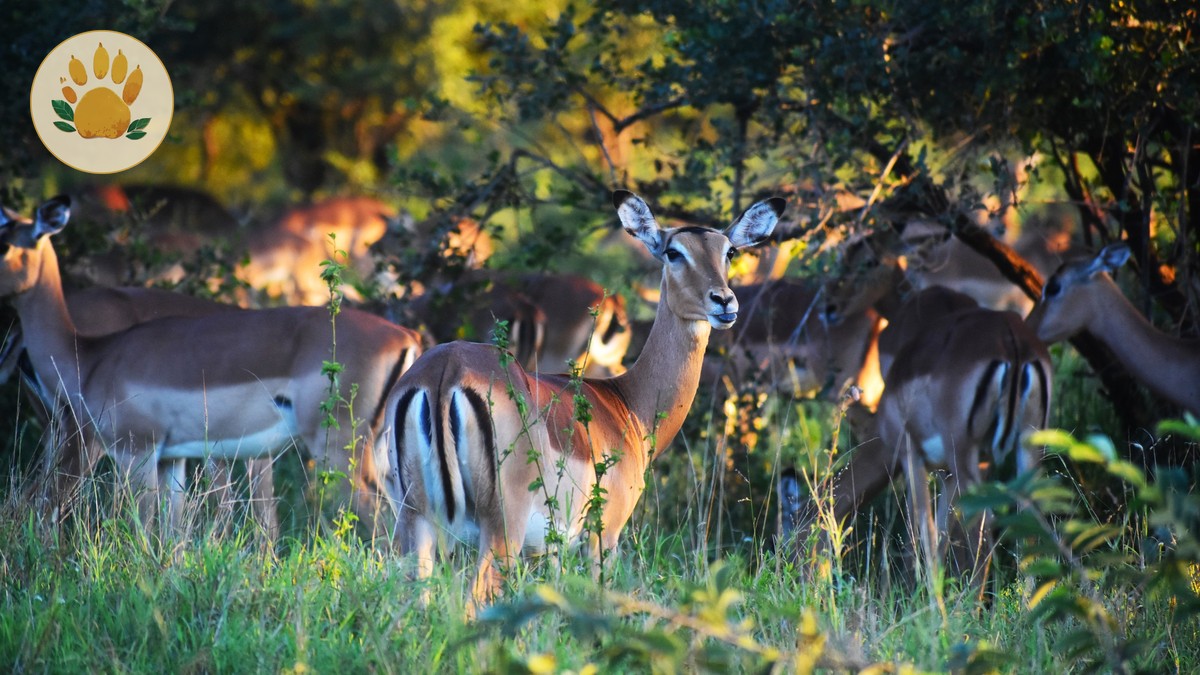
Night drives are designed for animals that become active after sunset, including hyenas, genets, civets, bushbabies, aardvarks, porcupines, and occasionally lions or leopards hunting. Sightings are less predictable than daytime viewing because darkness limits visibility, but the reward is observing feeding, hunting, calling, and movement patterns that guests rarely see during daylight.
The realistic list is not a roster of big cats. You are more likely to see a white-tailed mongoose, a springhare, or a pair of bat-eared foxes than a leopard. That is not a failure. These are exactly the species that hide or sleep through most daytime drives.
If you have already photographed lions in daylight, a night drive may show a different behavior. You might watch a hyena clan return to a den, see a porcupine feeding on a root, or catch a genet moving along a branch line. Aardvarks and pangolins appear on many wish lists, but they remain rare and should be treated as a bonus rather than an expectation.
Vehicles, Spotlights, Guides, and Safety Rules
Night drives use a guided safari vehicle with a trained driver-guide and usually a separate spotter carrying a filtered spotlight. Guests remain in the vehicle, follow the guide’s instructions, avoid loud noise and flash photography, and do not approach animals. Conservancies may restrict speed, spotlight duration, viewing distance, routes, and off-road driving.
The vehicles are usually open-sided 4x4s, the same or similar to the ones used on daytime drives. The spotlight has a red or amber filter because white light can disturb animal night vision. Good guides avoid shining the light directly into an animal’s eyes and turn the beam away as soon as the sighting is over.
Flash photography is not allowed. It can blind both the animals and the spotter. Use a high ISO setting and a wide aperture if you want photos, or simply watch. Keep your voice low. The guide and spotter need to listen for alarm calls, movement, and other signs.
Staying in the vehicle matters even more at night than during daylight. We have a separate explainer on whether you can leave a safari vehicle, but the short answer for night drives is no. The vehicle is your safety boundary and your viewing platform.
How Much Private Conservancy Night Drives Cost
Pricing varies by conservancy and camp. Mara night drives are often bundled into the nightly accommodation or conservancy fee, while Ol Pejeta lists separate guided night-drive prices that are commonly around 90-120 USD per person. Published Mara-related estimates commonly place the activity at roughly 50-70 USD per person when charged separately, but guests should request a written inclusions breakdown.
The table below uses indicative figures. Always ask the camp for a written quote because bundling, shared versus private vehicles, and minimum guest numbers can change the effective cost.
| Conservancy | Region | Night drive access | Indicative cost if charged separately | Typical distance from Nairobi |
|---|---|---|---|---|
| Mara North | Greater Mara | Camp guests inside the conservancy | USD 50-70 per person | about 270 km, 5-6 hours by road |
| Naboisho | Greater Mara | Camp guests inside the conservancy | often bundled, USD 50-70 if separate | about 270 km, 5-6 hours by road |
| Olare Motorogi | Greater Mara | Camp guests inside the conservancy | often bundled, USD 50-70 if separate | about 270 km, 5-6 hours by road |
| Ol Kinyei | Greater Mara | Camp guests inside the conservancy | often bundled, USD 50-70 if separate | about 270 km, 5-6 hours by road |
| Siana | Greater Mara | Camp guests inside the conservancy | often bundled, USD 50-70 if separate | about 270 km, 5-6 hours by road |
| Ol Pejeta | Laikipia | Staying guests or pre-booked visitors | USD 90-120 per person | about 220 km, 4-5 hours by road |
To put these activity costs in context, the Masai Mara National Reserve is county-run. It charges non-residents USD 100 per adult per day from January to June, and USD 200 from July to December. That fee does not cover night drives because night driving is not offered inside the reserve.
This is also the place to understand what private conservancy fees pay for. The nightly conservancy fee often funds the rangers, roads, and community leases that make night drives possible in the first place.
How to Book a Night Drive Through Your Camp
Book the night drive through the camp or safari operator before arrival, because availability, vehicle space, permits, and departure slots are limited. First confirm that the camp is physically inside a conservancy that allows night drives. Then ask whether the price is included, whether the drive is shared or private, and what happens if weather or logistics cause cancellation.
Do not wait until dinner to ask about a night drive. Camps usually need to assign a guide, spotter, and vehicle in advance. If the camp is small, there may be only one night-drive vehicle and two spots. A shared drive may also have a minimum number of guests before it runs.
When you enquire, ask these specific questions. Is the night drive included in my room rate? Is it shared or private? Does the price include the conservancy fee and the spotter? What is the cancellation policy if it rains or if the vehicle has a problem?
A camp located outside a conservancy may claim it can arrange a night drive across the boundary. In practice, this is less reliable. Conservancies grant night-drive access to their member camps. Staying inside the right conservancy is the cleanest way to guarantee the activity.
Night Drives Versus Daytime Game Drives
A daytime drive is usually better for broad landscapes, large herds, migration viewing, photography, and predictable visibility. A night drive is better for nocturnal species, predator behavior, and a quieter atmosphere, but it covers less ground and offers shorter viewing windows. Treat it as a complementary activity, not a replacement for a full daytime game drive.
If your itinerary has limited nights, do not cut a full morning drive to add a night drive. Morning drives give you the best light for photography and the highest chance of active predators before the heat builds. A night drive works best on a three-night stay or longer, where it adds a fresh layer without taking away the core daylight hours.
For repeat Africa visitors, the trade-off is clear. You have already seen the big herds and the open plains. A night drive gives you a new set of species and a different atmosphere. But it will not give you the same volume of sightings as a good daytime drive.
The SafariPure Difference
SafariPure plans night drives as part of a realistic route, not as an add-on promise. The team checks whether your camp sits inside a conservancy with night-drive rights. It confirms the current activity cost and builds the drive around your wider safari, so you do not lose the daylight hours that still deliver most of the wildlife viewing. If a night drive is not worth the trade-off on your dates, we say so.
Frequently Asked Questions
Can you do a night drive in the Masai Mara National Reserve?
No. Night drives are prohibited inside the Masai Mara National Reserve. They are available in selected private conservancies bordering the reserve, provided the guest stays at an eligible camp and follows that conservancy’s operating rules.
Are night drives included at Masai Mara conservancy camps?
Often, but not always. Many conservancy camps bundle night drives into the accommodation or conservancy fee, while some operators charge separately or limit the activity to certain room rates. Ask for the written quote to state whether the drive, vehicle, guide, spotlight, and conservancy fees are included.
How long does a private conservancy night drive last?
Most private conservancy night drives last approximately two hours. Common slots are 7-9 PM or 9-11 PM, although Mara camps may schedule a single after-dinner drive around 8:30-10:30 PM depending on camp operations.
What animals can you see on a night game drive in Kenya?
Common possibilities include hyenas, genets, civets, bushbabies, porcupines, aardvarks, lions, and leopards. Sightings are never guaranteed, and darkness makes viewing more limited, but nocturnal behavior and predator activity can make the experience distinctive.
How much does a night drive cost in a Kenya conservancy?
The cost depends on the conservancy and whether the camp bundles the activity into its rate. Indicative published figures range from about 50-70 USD per person in several Mara conservancies, while Ol Pejeta commonly lists roughly 90-120 USD per person for a guided night drive. Confirm the current price directly before booking.
Plan Your Private Conservancy Night Drive
If you want to see how private conservancy night drives work in practice, SafariPure can build an itinerary around your dates, budget, and preferred conservancy. Start with our Masai Mara private conservancies guide or send an enquiry through the SafariPure contact page. We will confirm camp access, current night-drive costs, and the right number of nights before you commit.