Most mid-range and luxury Kenya safari camps give you a private toilet inside or attached to your sleeping tent. That setup is what many travelers call a Kenya safari toilet tent. Budget camps usually share a bathroom block between several tents. The real differences show up in walking distance, plumbing, and price.
The short answer is yes for most travelers who book a mid-range or luxury camp. You do not have to use a bush toilet at night. That only happens on very basic mobile camping safaris. On game drives, you still need to plan for stops. This guide compares real camps, real park fees, and the practical trade-offs.
Kenya Safari Toilet Tent Options and Availability
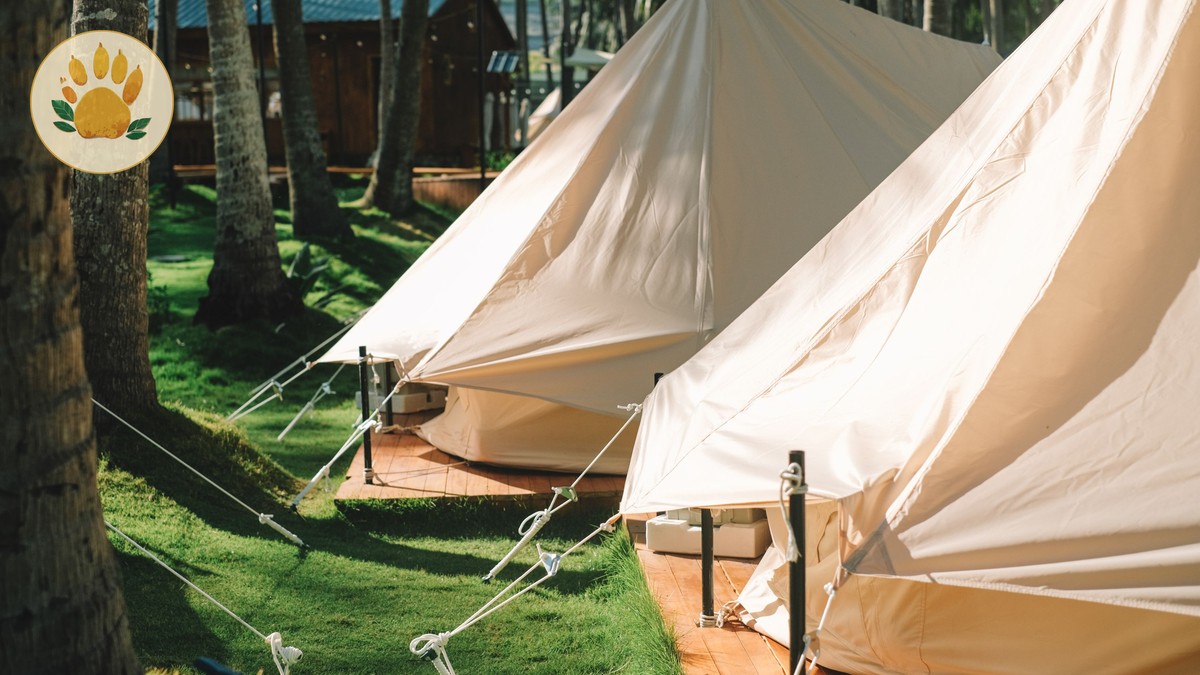
Yes, most camps in the Maasai Mara, Amboseli, and Tsavo have private toilets at the mid-range tier and above. In a standard en-suite tent, a zipped canvas door separates the sleeping area from the bathroom. The toilet and shower sit inside the same tent structure. You do not walk outside at night.
Some camps call a private toilet attached or adjacent. This means a small cubicle is built onto the back wall of the tent. You still stay under the same roof. The bathroom may have a mesh or canvas partition instead of a solid door. A few simpler camps place a private toilet a few metres behind the tent. That setup gives you privacy but adds a short outside walk.
Budget camps and overland truck stops are different. They often use a shared bathroom block with flush toilets and showers. The block may be 20 to 60 metres from the tents. It is clean, but it is not private. Knowing what kind of camp you book helps you avoid surprises when you arrive in the bush.
What Toilet Facilities Are Available by Accommodation Level?
Budget camps usually offer a shared flush toilet block, cold or solar-heated water, basic lighting, and sometimes no seat. Mid-range camps normally offer an en-suite flushing toilet and a bucket shower. Staff heat the water on request. Luxury camps offer an en-suite porcelain flush toilet, hot shower, premium toiletries, bathrobes, and sometimes an outdoor shower.
The table below shows representative camps across Kenya and their private toilet setups.
| Camp | Location | Private toilet setup | Night walk | Indicative rate per person per night |
|---|---|---|---|---|
| Speke’s Camp | Mara Naboisho Conservancy | Yes, en-suite flush toilet and bucket shower | No outside walk | USD 350 to 550, full board and conservancy fee |
| Mara Siria | Siria Escarpment near Oloololo Gate | Yes, en-suite flush toilet and hot shower | No outside walk | USD 300 to 500, full board |
| Satao Camp | Tsavo East National Park | Yes, en-suite flush toilet and hot shower | No outside walk | USD 250 to 420, full board, park fee separate |
| Serian | Mara North Conservancy | Yes, en-suite flush toilet and hot shower | No outside walk | USD 600 to 900, full board and conservancy fee |
| Kibo Safari Camp | Amboseli National Park border | Yes, en-suite flush toilet and plumbed shower | No outside walk | USD 220 to 380, full board |
These are broad price bands, not live quotes. Lodge rates change by season and room type. Always ask for a current quote before booking. For full details on accommodation tiers, read our guide to Kenya safari accommodation types.
En-Suite Safari Tents, Shared Bathrooms, and Outside Toilets
An en-suite safari tent has a bathroom behind a zip or canvas door. You can reach the toilet without leaving the tent. The floor is usually raised wood or durable canvas. The toilet may be a standard flush toilet connected to a small septic tank. The shower can be a bucket shower, a plumbed shower, or an outdoor stall. An en-suite bathroom works best for families, older travelers, and anyone who wakes often at night.
A shared bathroom block sits outside the tent. It may have separate cubicles for men and women. Water is usually heated by solar panels or wood boilers. The block is lit at night, but you still need a torch for the path. Shared bathrooms save money. They are common at budget camps and mobile camping safaris.
An outside private toilet sits in its own small structure behind the tent. It is not shared, but you step outside the sleeping tent to reach it. This option costs less than a full en-suite setup. It still gives you privacy from other guests. The small walk at night is the main trade-off. Ask whether the path is lit and how far it is before you confirm your booking.
In temporary mobile camps, a special setup called a fly camp toilet is used. In this case, a tall privacy tent is set up over a dug latrine or portable toilet. This standalone setup gives privacy in wild locations where no permanent buildings exist.
Flush Toilets, Eco-Toilets, Bucket Showers, and Hot-Water Systems
A plumbed flush toilet works like a normal home toilet. It uses a septic tank or a small underground drainage system. Most permanent tented camps and lodges in Kenya have flush toilets. In remote camps, the flush may rely on a bucket of water poured by staff after use. This is still a private toilet. It just uses less water to protect local resources.
An eco-toilet or composting toilet separates solids from liquids. It has little or no smell when maintained properly with sawdust or ash. It does not use water. Some small camps in Naboisho Conservancy and other wilderness areas use eco-toilets to reduce environmental impact.
A bucket shower is a canvas or metal bucket raised above the shower head inside your tent bathroom area. Staff fill it with warm water at your requested time. You control the flow with a small valve on the nozzle. The water lasts about five to eight minutes. That is plenty of time for a quick, warm shower after a dusty game drive.
Hot water systems vary by location. Many wilderness camps heat water over a controlled fire using a safari boiler. Others use solar panels or gas heaters. Ask if hot water is available all day or only at set morning and evening times. In cool highland camps near Mount Kenya, morning hot water makes a big difference.
What to Expect On Game Drives and Toilet Breaks
On a game drive you do not have a private toilet tent attached to your vehicle. You use designated public toilets at park gates, picnic sites, and some ranger posts. The Maasai Mara has public facilities at Oloololo Gate, Sekenani Gate, and several picnic points along the Mara River. Amboseli has toilets at the main gates and at Observation Hill. Tsavo East has facilities at Voi Gate, Buchuma Gate, and inside major lodges. These public toilets are basic but usable. Always carry tissue and hand sanitizer in your small daypack.
Between official stops, your guide can arrange a bush toilet stop. This involves using a portable shovel, toilet paper, and finding cover behind the vehicle or behind a thick bush. It is private because your guide and fellow passengers stay on the other side of the vehicle. It is not a flush toilet. Most travelers wait for the next gate or camp if they can.
If you cannot wait, tell your guide as early as possible. A good driver guide will find a safe area with clear ground. For more details on etiquette, timing, and handling awkward moments, read our guide on what to expect during Kenya safari toilet breaks.
The basic rule is simple. Use every official toilet stop before you leave on a three-hour drive. Do not drink a full bottle of water in the final 30 minutes before departure. Coffee and tea are mild diuretics, so time your morning drinks carefully. Long game drives in Tsavo or the Mara can last three to four hours. A stop is usually possible every 60 to 90 minutes if you ask your guide.
Are Safari Toilets Clean and Safe?
Yes, safari toilets are safe and clean at most established camps and lodges. Staff clean en-suite tent bathrooms daily. Shared bathroom blocks are cleaned once or twice every day. Water provided in bathroom basins is usually treated or drawn from clean boreholes. However, a safari toilet tent sits in the natural bush. You may see harmless insects near lights at night.
Keep mesh screen windows zipped shut at all times. Flush before you sit down to check for any small insects. Wear sandals or light shoes when walking to shared bathroom blocks.
At night, always use a headlamp or flashlight. Watch for uneven ground, tree roots, or rocks between your tent and any outside bathroom. Most camps brief guests on night safety upon arrival. Dangerous animals rarely enter a well-lit camp area, but askaris, or local night watchmen, are on duty. They can escort you to your tent after dinner. Never walk alone across an unlit camp at night without checking your path. Read our Kenya safari safety tips for more advice on moving around camp safely after dark.
Female travelers often ask about privacy and personal security. En-suite tents solve almost all of these concerns. If you choose a budget camp with shared bathrooms, pick one where the block is close to the sleeping tents and well lit. Keep a small torch near your bed so you do not struggle in the dark.
Toilet Facilities in the Maasai Mara and Other Kenyan Parks
The Maasai Mara offers the widest range of bathroom options in Kenya. Inside the national reserve, public toilets at picnic sites can be simple. Camps located outside the main reserve in private conservancies offer superior private bathroom facilities. Naboisho, Mara North, and Olare Orok conservancies feature high-end en-suite tents. You pay a conservancy fee of roughly USD 80 to 150 per person per night, which is usually bundled into your lodge rate.
The Masai Mara National Reserve fee is set by the Narok County Government. It is USD 100 per adult per day from January to June and USD 200 per adult per day from July to December.
Current entry fees, distances, and drive times for major parks:
| Park or reserve | Non-resident adult daily fee | Road distance from Nairobi | Typical drive time |
|---|---|---|---|
| Masai Mara National Reserve | USD 100 Jan to Jun, USD 200 Jul to Dec | 240 km | 5 to 6 hours |
| Amboseli National Park | USD 90 | 240 km | 4 to 5 hours |
| Tsavo East National Park | USD 80 | 333 km to Voi Gate | 5 to 6.5 hours |
| Lake Nakuru National Park | USD 90 | 160 km | 3 hours |
| Nairobi National Park | USD 80 | 10 km | 20 to 30 minutes |
For private bathrooms in Amboseli, many camps sit right on the park boundary with en-suite tents. Tsavo East camps such as Satao Camp feature en-suite tented rooms with flush toilets. Park fees are collected separately by the Kenya Wildlife Service (KWS) unless your safari operator includes them in your total package.
What to Pack for Safari Bathroom Stops
You do not need to purchase or carry a portable toilet for a standard Kenya safari trip. Lodges and camps supply toilet paper, running water, and soap. However, for game drives and public toilet stops, you should prepare a small bathroom kit.
Keep these items in your daypack inside the safari vehicle:
- Tissue paper or small travel packs of facial tissues
- Biodegradable wet wipes for quick hand cleaning
- Alcohol-based hand sanitizer
- Zip-top plastic bags for used wipes or tissue during bush stops
- A bright headlamp or small LED torch for night use
- Personal female hygiene products and a small disposal pouch
Before packing your bags, check our complete Kenya safari packing list for practical advice on clothing, gear, and daily equipment.
How to Choose a Camp if Private Bathroom Access Matters
If private bathroom access is essential for your comfort, book a mid-range or luxury camp. Ask your safari planner three clear questions before paying a deposit:
- Is the toilet inside the main tent structure, attached to the back, or located outside?
- Is it a plumbed flush toilet or an eco-toilet?
- How far is the nearest shared block or outside toilet from the sleeping bed?
Travelers with limited mobility or knee problems should choose a ground-level en-suite tent with no steps. Some raised wooden decks require climbing two or three steps. You can request a tent positioned near the main dining tent to minimize night walking.
Family tents often feature two private en-suite bathrooms or a single large shared bathroom inside the tent. If you prefer high comfort, avoid mobile budget camping and truck safaris. Spending extra for a conservancy camp like Speke’s Camp or Serian in the Mara gives you private toilet facilities, short walking distances, night watchmen escorts, and peace of mind.
The SafariPure Difference
SafariPure plans trips around the practical details that matter when you are far from home. We do not make assumptions about bathroom setup or camp comfort. We directly verify every lodge and tented camp in our network.
We confirm whether each room includes an en-suite flush toilet, how hot water is supplied, and how paths are lit at night. We also design your daily driving itinerary so you reach clean park gate facilities and well-maintained picnic sites instead of rushing long distances without stops. You receive accurate, clear information tailored to your preferences.
Plan Your Kenya Safari With SafariPure
Tell us what you need from a Kenya safari toilet tent setup. We will pair you with camps that match your budget, travel style, and comfort requirements. Visit the SafariPure contact page to begin planning your safari today.