Kenya is a big country with very different malaria risks depending on where you go. If you are asking where are malaria zones in Kenya, the short answer is altitude and rainfall. A safari that stays in Nairobi and the highlands carries far less risk than a coastal beach holiday in Diani. This guide turns the official malaria maps into a practical trip plan. You will learn which parks are low, moderate, or high risk, and what that means for your family itinerary.
Malaria in Kenya follows altitude and rainfall. The infection is carried by mosquitoes that breed in warm, low-lying areas with standing water. High, dry, and cool places have less transmission. This is why Nairobi, sitting at about 1,800 meters, has a much lower risk than the coast at sea level.
Where Are Malaria Zones in Kenya
The Kenyan Ministry of Health and the Kenya Medical Research Institute divide the country into three main malaria risk zones. These are not fixed borders. They follow geography and shift with the seasons.
High-risk zones. These are areas below roughly 1,300 meters elevation with warm temperatures and seasonal rains. The coast, the Lake Victoria basin, and the lower parts of the Rift Valley fall into this category.
Moderate-risk zones. These are transitional areas between 1,300 and 1,800 meters. Risk here varies more with season and rainfall. Some parts of the Rift Valley, including parts of Nakuru County, sit in this band.
Low-risk zones. These are the highlands above 1,800 meters. Nairobi, the Aberdare ranges, Mount Kenya, and the central highlands fall here. Transmission is rare but not impossible, especially after unusually heavy rains.
For a safari traveler, the practical map looks like this. The Maasai Mara National Reserve sits at about 1,500 meters. It is not a high-risk zone, but it is not malaria-free either. Amboseli National Park, at roughly 1,150 meters, is in a higher-risk category. Tsavo East and Tsavo West, both lower and hotter, carry higher risk.
High-Risk Regions: The Coast and Lake Victoria
Coastal Kenya Malaria Risk
The Kenyan coast is definitively high risk. This includes Mombasa, Diani Beach, Watamu, Malindi, and Lamu. These areas sit at sea level with warm, humid conditions year-round. Transmission happens throughout the year with peaks during and just after the long rains.
If your itinerary includes a beach extension to Diani after a safari, you are visiting a high-risk zone. Families should be especially careful here with children.
Lake Victoria Basin Malaria Risk
The Lake Victoria basin, including Kisumu, Homa Bay, and the islands, is the other major high-risk region. This area has some of the highest malaria transmission rates in Kenya. The lake creates a warm, humid microclimate that mosquitoes love.
Few first-time safari itineraries go to Kisumu. But if you are combining a safari with the western circuit, including Kakamega Forest or the Rusinga Island area, treat this as high risk.
Low-Risk Areas: Nairobi and the Highlands
Is Nairobi a malaria zone? The short answer is no, not in the classic sense. Nairobi sits at high altitude with generally low malaria transmission. The city is not considered a malaria zone by Kenyan health authorities.
But “low risk” does not mean “no risk.” Occasional cases do occur, especially after heavy rains create temporary breeding sites. The Nairobi National Park, which borders the city, is at a similar altitude. The risk there is low but not zero.
Other low-risk areas include:
- The Aberdare Range
- Mount Kenya region, including Nanyuki and Naro Moru
- The central highlands around Nyeri
- The Rift Valley highlands around Eldoret and Kitale
If your entire safari stays in these highland areas, your malaria risk is genuinely minimal.
Safari Parks by Malaria Risk
This table gives you a clear picture of malaria risk at the main safari destinations. It also includes current non-resident park fees so you can compare costs while you plan.
| Park or Reserve | Altitude (approx.) | Malaria Risk | Non-Resident Fee (USD/adult/day) |
|---|---|---|---|
| Maasai Mara National Reserve | 1,500 m | Moderate | 100 (Jan-Jun) / 200 (Jul-Dec) |
| Amboseli National Park | 1,150 m | Moderate to High | 90 |
| Tsavo East National Park | 200-1,000 m | High | 80 |
| Tsavo West National Park | 300-1,500 m | High | 80 |
| Lake Nakuru National Park | 1,760 m | Low to Moderate | 90 |
| Chyulu Hills National Park | 1,400-2,100 m | Moderate | 40 |
| Nairobi National Park | 1,500-1,800 m | Low | 80 |
| Naboisho Conservancy | 1,500-1,700 m | Moderate | 80-150 per person/night (bundled) |
Note that the Maasai Mara is run by Narok County Government, not the Kenya Wildlife Service. Its fees differ from the national parks. The lower fee applies from January to June, the higher fee during the peak migration season from July to December.
Is the Maasai Mara a Malaria Zone?
The Maasai Mara is a moderate malaria risk zone. It sits at about 1,500 meters above sea level. This is not high enough to be fully malaria-free, but transmission is generally lower than at the coast.
The practical answer for most travelers is this. The Maasai Mara is not the highest-risk stop on a typical safari, but it is not a malaria-free zone either. Most health advisers recommend malaria prevention for the Mara, especially during and after the rainy seasons.
The Mara has two rainy seasons. The long rains fall from March to May. The short rains fall from November to December. Malaria risk rises after both of these periods.
Is Amboseli Malaria Risk High?
Amboseli National Park is at around 1,150 meters elevation. This places it in a higher-risk category than the Mara. The park has swamps and marshland fed by the melting snow from Mount Kilimanjaro. These permanent water sources hold mosquito breeding sites all year.
Amboseli is a moderate to high-risk zone, especially in the swampy areas near the lookouts. Families camping in the park should be more careful about prevention than those on a brief day visit.
Tsavo and the Low Altitude Parks
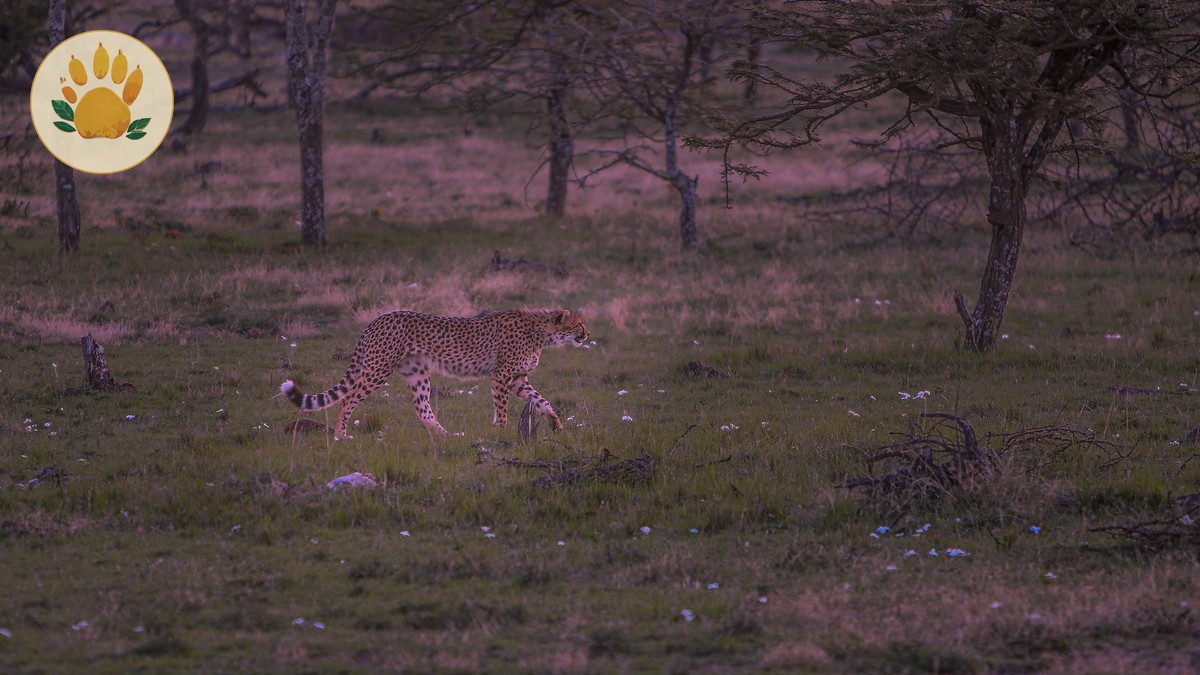
Tsavo East and Tsavo West are lower and hotter than the Mara or Amboseli. Much of Tsavo East sits below 1,000 meters. This puts it firmly in the high-risk malaria zone.
The Galana River and the Aruba Dam area in Tsavo East are known mosquito habitats. Tsavo West, with the Mzima Springs, also has standing water that supports mosquito breeding. These parks are wonderful for wildlife, but they deserve real prevention measures.
What About the Northern Parks?
The northern safari circuit, including Samburu, Buffalo Springs, and Shaba National Reserves, sits at moderate altitude. These areas are generally considered moderate risk. They are dry for much of the year, which limits mosquito breeding. But after the rains, risk rises.
The Laikipia plateau, home to many private conservancies, is higher and drier. The risk there is lower. However, most health authorities still recommend prevention for personal comfort and peace of mind.
Seasonal Risk and Rainy-Season Spikes
Malaria risk in Kenya is not constant. It rises and falls with the rains.
The long rains run from March to May. This is the period of highest malaria transmission in the high-risk zones. The short rains from November to December bring a second, smaller spike.
For safari travelers, this matters in two ways. First, if you travel during or just after the rains, the mosquito population is higher. Second, the drier months of January, February, and September to October generally have lower transmission.
But there is a trade-off here. The dry season from July to October is the best time for wildlife viewing in the Maasai Mara, especially the river crossings. It is also the time when the Mara park fee rises to USD 200 per adult per day. You gain better wildlife sightings and somewhat lower malaria risk, but you pay more.
Prevention: Antimalarials and Mosquito Bite Protection
For any safari that mixes high and low-risk stops, the standard advice from travel health clinics applies. You should discuss malaria prevention with a doctor ideally 4 to 6 weeks before travel.
Common preventive medications for Kenya include atovaquone-proguanil, doxycycline, and mefloquine. Your doctor may recommend one based on your family situation, drug tolerance, and the length of your trip. Children can take some of these medications, but dosages vary by weight. This is one reason the family planner persona needs to start the conversation early.
Note that there is no single universal answer. The medication that works for one family member may not suit another, especially for children or pregnant travelers. A travel clinic appointment is a practical step, not a formality.
Beyond medication, mosquito bite prevention is equally important. Use repellents containing DEET, permethrin-treated clothing, and mosquito nets when available. Wear long sleeves and pants in the early evening, which is when mosquitoes are most active. Choose lodges with screened windows or air conditioning.
The SafariPure Difference
At SafariPure, we plan family safaris with the malaria map in hand, not just the wildlife map. We know which lodges have screened windows, which routes keep you out of high-risk zones at dusk, and how to build a mixed itinerary that balances risk with reward.
A common route looks like this. Start in Nairobi at low risk, spend two nights there. Fly or drive to the Maasai Mara at moderate risk for three nights. Finish with a beach extension to Diani at high risk. This is a wonderful trip, but it crosses all three risk zones.
Our guides make practical adjustments. They schedule game drives so that you are back at your lodge before the peak mosquito hours. They choose lodges with good insect protection. They advise on timing so that your own prevention measures are simple and effective.
For the Kenya safari safety tips we share with every family, malaria planning is just one part. We also cover water safety, sun exposure, and what to do if a child gets a fever, which is a critical question in a malaria-risk area.
What If Someone Gets a Fever During the Safari?
This is the question every family should discuss before departure. If anyone in your group develops a fever while in Kenya or within two weeks of leaving, malaria must be considered. Even in low-risk areas, it is not impossible.
The practical step is simple. Carry a fever thermometer. If a fever appears, seek medical attention promptly. Major safari towns have clinics that can test for malaria quickly. Nairobi has excellent private hospitals with rapid diagnostic tests.
Your lodge or camp staff can arrange transport to a clinic. Do not wait to see if the fever resolves on its own. Early testing and treatment are safe and straightforward.
Building Your Family Itinerary Around Risk
A well-planned safari does not need to avoid all risk. It needs to understand the risk and plan accordingly.
For families, the highest priority is simplicity. The easiest way to manage malaria is to reduce the number of risk zones you cross. If you are comfortable with medication, then a route mixing Nairobi, the Mara, and Diani is fine. If you prefer to limit medication, you might focus on a highland circuit with Nairobi, Lake Nakuru, and the Aberdares.
Combining your research with a good itinerary guide helps. Our Kenya safari itinerary guide walks through the main routes and how to pace them with children. The same principles apply regardless of the language you plan in.
And for budget planning, our Kenya safari costs guide covers the entrance fees shown in the table above, plus accommodation, flights, and daily expenses. Malaria prevention is a modest cost line when you compare it to park fees and lodges.
A Final Note on Mixed Route Planning
The reality is that most safari itineraries do cross risk zones. A standard route includes Nairobi, the Mara, and possibly a beach extension. That is three different malaria risk levels.
The honest guidance is this. Plan your prevention for the highest-risk stop on your itinerary. If you visit Diani, prevent accordingly for the whole trip. If you stay entirely in the highlands, your risk is low, and you can discuss with your doctor whether medication is necessary at all.
Do not cut out a wonderful destination purely out of malaria fear. With proper prevention, the risk is manageable. The key is starting the conversation with a travel health professional early, being disciplined about bite prevention, and knowing what to do if a fever appears.
Malaria zones in Kenya are well understood and well mapped. They should inform your planning without limiting your adventure. The wild places of Kenya reward careful preparation with genuinely unforgettable experiences, even for a family traveling with children.
Ready to plan a trip that balances wildlife, pace, and health? Talk to SafariPure. We will help you choose a route that suits your family’s comfort level, and we will make sure every lodge, drive, and rest day fits the plan. Start planning your Kenya safari with SafariPure.