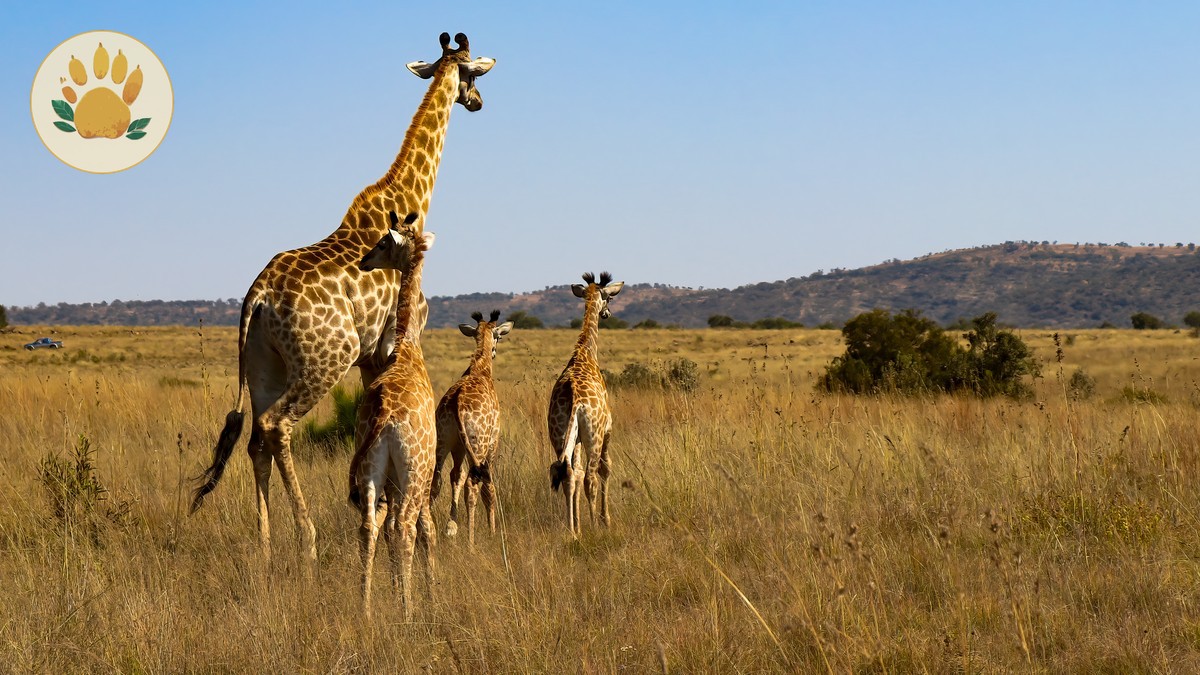
You have decided to see the wild heart of Africa. Good choice. Kenya offers lions, elephants, and the great migration. But planning a safari from India can feel like a maze.
You want clear answers. How many days? What will it cost in rupees? Will you find vegetarian food? Can the guide speak Hindi?
This Kenya safari itinerary guide Hindi speakers can trust answers those questions. It gives you three real itineraries. It names actual parks, camps, and fees. The prices reflect 2026 rates. Read this before you book anything.
Kenya Safari Itinerary Guide Hindi Speakers Use to Choose Trip Length
A 5-day safari works if you only have one week total. You will fly into Nairobi, spend one night, and head to Masai Mara for two full game drives. It is tight but doable.
A 7-day safari is the sweet spot for most first-timers. You get three parks without rushing. You can add Amboseli for elephants and Lake Nakuru for rhinos. Jet lag settles by day two.
A 10-day trip gives you true depth. Add Tsavo East or a walking safari in Chyulu Hills. You visit the coast or a lesser-known reserve. You come home rested, not exhausted.
Kenya ETA and Visa Process for Indian Citizens
Indians need a visa to enter Kenya. Since 2024, Kenya uses the Electronic Travel Authorization system. Apply online before you fly.
The official Kenya ETA fee is USD 30 per person. You need a passport valid for six months, a return ticket, and hotel booking details. Approval usually takes 3 to 5 working days.
Apply at least two weeks before your departure. Do not wait until the last minute. The airline checks your ETA before you board.
Best Time to Visit Kenya from India
Kenya has two dry seasons. These are the best times for game viewing.
June to October is the dry season. This is peak safari time. The Masai Mara migration crosses the Mara River between July and October. Park fees are higher then.
January to February is another dry window. The grass is short. Animals gather near water sources. The weather is pleasant.
Diwali and Dussehra holidays fall in October or November. October still lands in the peak migration window. For Diwali in November, expect short rains. Game viewing remains good but the landscape is lush.
Avoid the long rains from April to May. Many camps close. The roads become muddy and difficult.
Flights from India to Kenya
There are no direct flights from India to Nairobi as of 2026. You will connect through a hub.
Common routes with one stop:
- Delhi to Nairobi via Doha on Qatar Airways. Total travel time is about 9 to 10 hours of flying.
- Mumbai to Nairobi via Dubai on Emirates. Add a 2 to 3 hour layover.
- Bangalore to Nairobi via Addis Ababa on Ethiopian Airlines. This route often has the lowest fares.
Round-trip economy fares range from INR 45,000 to INR 70,000 per person. Booking 4 to 5 months ahead gets you the lower end of that range.
Which Parks Should You Choose?
This is the most common question. Here is an honest comparison.
| Park or Reserve | Known For | Non-Resident Fee (per day) | Drive Time from Nairobi |
|---|---|---|---|
| Masai Mara National Reserve | Migration, big cats, open plains | USD 100 (Jan-Jun), USD 200 (Jul-Dec) | 5 to 6 hours |
| Amboseli National Park | Huge elephant herds, Mount Kilimanjaro views | USD 90 | 4 to 5 hours |
| Lake Nakuru National Park | Rhinos, flamingos, baboons | USD 90 | 2.5 to 3 hours |
| Tsavo East National Park | Red elephants, vast wilderness, less crowded | USD 80 | 5 to 6 hours via Voi |
| Nairobi National Park | Rhinos and lions near the city | USD 80 | 30 minutes |
Masai Mara is the must-see. It is a county-run reserve, not a national park. The fees are higher in July through December because that is migration season.
Amboseli pairs well with the Mara. You see elephants against the backdrop of Kilimanjaro. It is a classic combination.
Lake Nakuru is smaller. You can drive around it in half a day. It is excellent for rhinos.
For a first safari, skip Tsavo unless you have extra days. The animals are spread out across a massive area. The Mara and Amboseli give you more immediate rewards.
Sample 5-Day Kenya Safari Itinerary
This works for a quick trip. You focus on the Mara only.
Day 1: Arrival in Nairobi Fly into Jomo Kenyatta International Airport. A driver meets you and transfers you to your hotel near the airport. Rest and sleep. The next morning starts early.
Day 2: Drive or Fly to Masai Mara You have a choice. A road safari takes 5 to 6 hours. A fly-in safari takes 45 minutes from Wilson Airport to the Mara’s Ol Kiombo Airstrip. The flight costs roughly USD 180 per person one-way.
Afternoon game drive in the reserve.
Day 3: Full Day in Masai Mara Morning game drive at 6:30 am. Breakfast back at camp. Afternoon drive at 4 pm. Look for lions, cheetahs, and elephants. During July to October, wait at the river crossings.
Day 4: Morning Game Drive and Fly Back Early morning drive. Then fly or drive back to Nairobi. Overnight at a city hotel.
Day 5: Departure Transfer to the airport for your flight home.
Approximate cost per person: INR 1.2 to 1.8 lakhs for budget camps. INR 2.5 to 3.5 lakhs for mid-range camps.
Sample 7-Day Kenya Safari Itinerary
This is our recommended route for most travelers.
Day 1: Arrive in Nairobi Transfer to a hotel in the Karen district. This area is quiet and green. If your flight lands in time, visit the David Sheldrick Wildlife Trust for its public visiting hour, from 11 am to 12 pm daily. That is when you can watch the rescued elephant calves take their mud bath and milk feed. The 5 pm session is reserved for people who have already adopted an elephant online, so it is not open to walk-in visitors.
Day 2: Nairobi to Amboseli Drive for 4 hours to Amboseli National Park. The park entrance fee is USD 90 per person per day. Check into your camp near the Kimana Gate. Afternoon game drive. The view of Kilimanjaro at sunset is memorable.
Day 3: Full Day in Amboseli Spend the morning around the marshes. The elephants come here to drink. Afternoon drive towards Observation Hill. Watch for buffaloes, zebras, and wildebeests.
Day 4: Amboseli to Masai Mara This is a long day. You drive to Nairobi for lunch, then continue to the Mara. Total time is 7 to 8 hours including stops. Or take a short flight from Amboseli’s airstrip to Mara. Check into your camp before dinner.
Day 5: Full Day in Masai Mara Morning drive. Afternoon drive. Your camp provides packed lunches for the full-day option. The open grassland makes finding big cats easier.
Day 6: Full Morning in Masai Mara Go out for one last game drive. Return for brunch. Fly or drive back to Nairobi. Stay near the airport.
Day 7: Departure Fly home.
Approximate cost per person: INR 1.8 to 2.5 lakhs for budget and mid-range. INR 3.5 to 5 lakhs for luxury camps.
Sample 10-Day Kenya Safari Itinerary
This itinerary adds Tsavo East and a slower pace.
Day 1 to 3: Follow the first three days of the 7-day plan. You visit Amboseli.
Day 4: Amboseli to Tsavo East Drive for 3 hours to Tsavo East. The entrance fee is USD 80 per day. Stay at Ashnil Aruba Lodge or a similar camp near the Aruba Dam. Afternoon game drive.
Day 5: Full Day in Tsavo East Tsavo is vast. Animals can be harder to spot. Focus on the Galana River and the Aruba Dam area. The red elephants are unique to this region.
Day 6: Tsavo East to Nairobi Drive back to Nairobi. This takes about 6 hours. Stop at the Voi railway town for lunch. Overnight in the city. If time permits, read our Kenya safari planning guide for Hindi speakers for city options.
Day 7: Fly to Masai Mara Take the morning flight from Wilson Airport to the Mara. Spend the afternoon on a game drive.
Day 8 and 9: Two full days in the Mara. This gives you four game drive sessions. You have time to wait for river crossings.
Day 10: Fly back to Nairobi and depart.
Approximate cost per person: INR 2.5 to 3.5 lakhs for mid-range. INR 5 to 7 lakhs for luxury.
Fly-In Safari vs Road Safari: The Real Trade-Off
The fly-in option costs more. A one-way domestic flight runs USD 160 to 220. A road transfer costs USD 80 to 120 per vehicle.
The flight saves you an entire day. On a 5-day safari, that matters. On a 10-day safari, the road trip adds scenic stops. You see rural villages and the dramatic Rift Valley escarpment.
Our honest advice: use roads for Amboseli and Lake Nakuru. Use flights for the Mara. The road to the Mara is dusty and tiring. The airstrip is 15 minutes from most camps.
Food on Safari: Vegetarian, Jain, and Indian Meals
This is a real concern, and a fair one. Camps that regularly host travelers from India are increasingly used to Indian dietary needs, but the level of preparation still varies a lot by property.
Most mid-range and luxury camps offer vegetarian options. Rice, dal, and seasonal vegetables are common. Some camps have Indian-trained chefs.
For strict Jain food, you must tell your tour operator at booking. They will pass this to the camp. Jain food means no garlic, no onion, and no root vegetables. Not every camp can do this. Choose camps that confirm they can, in writing, before you pay a deposit.
Here is a practical tip. Carry your own snacks. Packed idli mix, roasted chana, or dry fruits help between meals. Safari lunches are often buffets with salads and grilled meats.
Are There Hindi-Speaking Safari Guides?
The honest answer is: rarely. Safari guides in Kenya speak English and Swahili. Hindi is not common.
Some Indian-owned camps in the Mara employ Hindi-speaking staff. Ask your operator specifically. If you need a full Hindi-guided safari, expect to pay a premium. A dedicated Hindi-speaking guide costs about USD 100 per day extra.
The good news is that English works well. Game drives are visual. The guide points and you see. Simple English covers “lion on the left” and “elephant crossing.”
Money, Currency, and Tipping
Kenya uses the Kenyan shilling (KES). US dollars are accepted in most camps and parks. Credit cards work at hotels and larger camps. Small shops prefer cash.
Carry US dollars in small notes. The 2026 exchange rate is roughly KES 129 to one US dollar. You will need cash for tips.
Tipping guidance:
- Safari guide: USD 10 to 15 per person per day.
- Camp staff: USD 5 to 10 per person per day.
- Airport porter: USD 1 to 2 per bag.
Tipping is expected. It is not optional at most camps.
Health, Vaccinations, and Safety
Yellow Fever vaccination is compulsory for Indian travelers. Kenyan immigration officers ask for the certificate. Get the vaccine at least 10 days before travel. Carry the yellow card with you.
Malaria is present in most safari areas. Consult your doctor about anti-malarial tablets. Use mosquito repellent at dawn and dusk.
Is Kenya safe? Yes, for tourists who follow common sense. National parks are secure. Drivers stay with your vehicle at all times. Your camp has 24-hour security. Avoid walking in Nairobi city center after dark.
Packing List for Indian Travelers
Keep it light. You do not need formal clothes.
- Neutral-colored clothing: khaki, beige, olive. Avoid bright colors.
- A light jacket for early morning game drives. It gets cold at 6 am.
- Sun hat, sunglasses, and high-SPF sunscreen.
- Binoculars. A good pair makes the trip much better.
- A camera with a zoom lens. 200mm is the minimum.
- Closed-toe shoes for walking.
- Adapter for Kenyan power sockets (Type G).
- Your Yellow Fever certificate and passport copies.
The SafariPure Difference
We plan safaris slowly on purpose. We match you with camps that confirm Indian kitchens before you book. We tell you the real road times, not the optimistic ones. We give you park fees at current 2026 rates, so you are not surprised at the gate.
We do not promise Hindi-speaking guides if they do not exist. Instead, we find camps with staff who understand Indian guests. When you want to explore beyond the standard routes, we point you to Kenya’s lesser-visited national parks or suggest a stop at the Tsavo elephant orphanage near Voi.
Your safari is your time. We make sure it is spent watching animals, not waiting for vehicles or worrying about logistics.
Common Mistakes Indian Travelers Make
Booking during the short rains without knowing. November is fine if you accept green landscapes. April is not.
Underestimating drive times. Google Maps undercounts on rough roads. Add 30 percent.
Forgetting small dollar bills for tips. Nobody can break a 50-dollar note at the park gate.
Packing white clothes. Dust and red earth will ruin them after one drive.
Skipping travel insurance. Medical evacuation from the Mara costs thousands of dollars. Insurance covers this.
Frequently Asked Questions
What is the cost of a 7-day Kenya safari from India per person? INR 1.8 to 2.5 lakhs for mid-range camps, covering domestic flights and park fees. Add INR 45,000 to 70,000 for the international round-trip flight from India.
Are there direct flights from India to Kenya? No. You need one connection in Doha, Dubai, or Addis Ababa.
Can I time the safari around Diwali school holidays? Yes. October is excellent for migration viewing. November is quieter and cheaper.
Plan Your Safari With Us
You now have the numbers, the parks, and the honest trade-offs. The next step is putting it together.
SafariPure builds custom Kenya safaris for Indian travelers. We handle the ETA, the internal flights, the camp bookings, and the meals. You just pack your binoculars.
Start planning your Kenya safari with SafariPure or visit our contact page to ask about your dates.
More safari planning resources
- Masai Mara Great Migration guide from Trunktrails Safaris
- Nairobi to Maasai Mara route guide from Valley Safaris
- Amboseli National Park guide on Touring Insights
- Compare Kenya safari packages on FindMySafari
Related guides: 10-Day Kenya Safari Itinerary for First-Timers, The Perfect 7-Day Kenya Safari Itinerary, Avoiding Safari Itinerary Fatigue Burnout in Kenya.