Planning a Kenya safari from India feels like a big step. You see shiny packages online with prices that confuse you. This Kenya safari budget guide Hindi speakers can trust cuts through that noise.
We use real numbers: Indian Rupees (INR), US Dollars (USD), and Kenyan Shillings (KES). We name real camps and real parks. You can cross-check every figure we give.
This is a budget guide for backpackers who want time in the wild, not luxury. You can join group safaris, stay in shared camps, and use public transport where it works.
Kenya Safari Budget Guide Hindi Speakers Need: How Much Does It Cost from India?
Your biggest costs are flights, park fees, and the safari itself. Here is a clear breakdown per person for a 6-night trip.
| Item | Budget Tier (USD) | Mid-Range (USD) | Notes |
|---|---|---|---|
| Round-trip flight (Delhi/Mumbai to Nairobi) | 450-600 | 500-700 | Check for sales in August and January |
| Kenya eTA (online) | 34 (plus service fee) | 34 (plus service fee) | Do this yourself, not through an agent |
| Park fees (Masai Mara, 2 days) | 200-400 | 200-400 | Peak season (July-December) is double |
| Safari tour (6 days, group joining) | 900-1,300 | 1,800-2,500 | Includes transport, guide, tent camp, meals |
| Extra meals and tips | 150-250 | 200-300 | Carry cash in USD or KES |
| Total per person | 1,800-2,600 | 2,700-3,900 | Rough indicative range, not a quote |
For Hindi speakers, that is roughly ₹1.5 lakh to ₹2.2 lakh per person for budget tier. This assumes you join a group safari. Private safaris cost more.
The single biggest way to save money is to share. Shared vehicles, shared tents, shared guides. You pay less per person.
Flights from India to Nairobi: What to Expect
Kenya Airways flies direct from Mumbai to Nairobi. The flight takes about 6 hours and 45 minutes. Air India also operates direct flights from Delhi on some days.
Typical round-trip costs from Delhi or Mumbai are USD 450 to 600 in low season. In peak season (December and July), prices go up to USD 700 or more.
From Chennai, Hyderabad, or Bangalore, you usually connect through Mumbai, Delhi, or Doha. Add 4 to 8 hours to your total travel time.
Pro tip: Book flights to Nairobi (Jomo Kenyatta International Airport, code NBO) at least 3 months ahead. Set price alerts on Google Flights for your dates.
Kenya eTA and Visa Process for Indian Passport Holders
Indian passport holders need an electronic travel authorization, or eTA, for Kenya. You do not need a visa sticker in your passport.
Apply online at the official Kenya eTA portal. The fee is USD 34 per person for tourists. There is also a small service fee, roughly USD 1 to 2.
You need a passport valid for 6 months, a return ticket, and proof of accommodation. For budget travelers, a booking confirmation from your first camp or hotel works.
Families can apply in one group session online. This is called group eTA processing. It takes 3 to 5 working days usually.
Never use an unofficial agent. They charge triple the price and do nothing extra.
Best Time for a Budget Kenya Safari
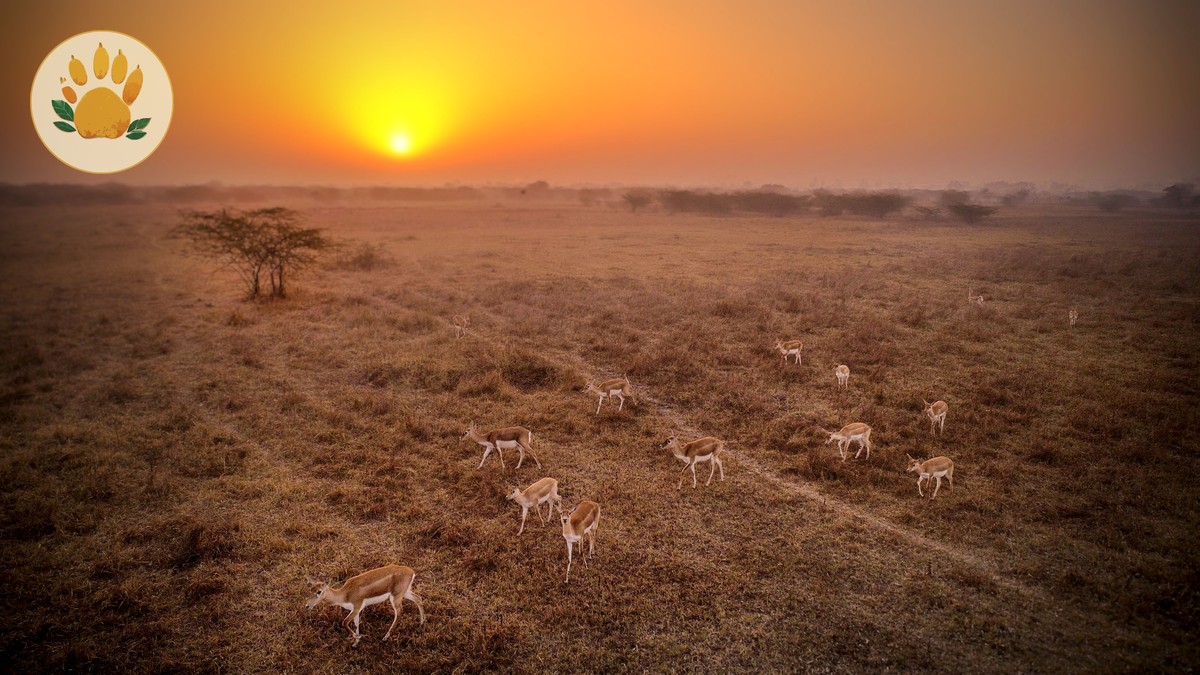
The dry season is best for game viewing. Animals gather near water sources, so you see more.
- July to October: This is the dry season and the Great Migration peak. Masai Mara park fees are USD 200 per person per day from July. This is the most expensive time.
- January to March: Dry season, lower park fees. Masai Mara is USD 100 per person per day. Good weather and good prices.
- April and May: Long rains. Fewer tourists and lower prices, but some camps close and some roads get muddy.
- November: Short rains. Showers are usually brief and fall in the afternoon. Park fees stay in the higher July-December bracket, but crowds are thinner than in August.
For Indian travelers, this is key: plan around Indian school holidays. If you can go in February (after the winter break), you get low park fees and fewer crowds.
Avoid December if budget is your main concern. Fees are high and camps sell out fast.
Which Park Should You Choose?
For a first safari, you have three main choices. Each fits a different budget and goal.
| Park | Non-Resident Fee (USD/day) | Drive from Nairobi | Main Attraction | Best For |
|---|---|---|---|---|
| Masai Mara NR | 100 (Jan-Jun), 200 (Jul-Dec) | 5-6 hours | Great Migration, big cats | Iconic first safari |
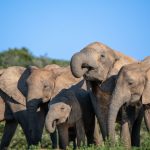
| Amboseli NP | 90 | 4 hours | Elephants, Mount Kilimanjaro views | Elephant lovers |
| Tsavo West NP | 80 | 5-6 hours | Mzima Springs, varied terrain | Budget parks, fewer crowds |
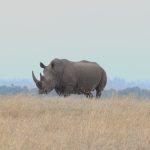
| Lake Nakuru NP | 90 | 3 hours | Rhinos, flamingos | Short trip from Nairobi |
Masai Mara is the most famous. It is a county reserve, not a national park. That is why the fee changes with the season. It offers the best chance to see lions, cheetahs, and wildebeest.
Amboseli is cheaper and closer. The view of Kilimanjaro over the elephants is unforgettable. It is a solid budget choice that still feels wild.
Tsavo West is dry and less visited. You save money on fees, but you also see fewer predators. Good for travelers who want quiet.
Sample Budget Itinerary: 6 Days
This itinerary uses group safaris and budget camps. Prices are indicative per person, based on shared vehicles.
- Day 1: Fly into Nairobi. Overnight at a hostel near the airport. Cost: approx USD 15 to 25.
- Day 2: Group tour vehicle picks you up at 7 AM. Drive to Lake Nakuru. Afternoon game drive. Night at a budget camp inside the park gate. Cost included in package.
- Day 3: Morning drive in Lake Nakuru, then drive to Masai Mara (about 4-5 hours). Night at a budget camp in Talek village or near Sekenani Gate.
- Day 4: Full day in Masai Mara with packed lunch. Sunset optional game drive. Night at camp.
- Day 5: Morning game drive. After lunch, drive back to Nairobi (5-6 hours). Night in Nairobi hostel.
- Day 6: Fly home.
A 6-day group safari with budget camps, sharing a vehicle, costs roughly USD 900 to 1,200 per person. This includes all transport from Nairobi, meals, and tent accommodation.
It does not include your international flights, drinks, tips, or the USD 34 eTA fee.
The SafariPure Difference
Many agencies list “budget tented camps” without naming them. We will not do that to you. We name the camps we use, and we tell you exactly what to expect.
A true budget stay near the Masai Mara ranges from simple staffed camps to self-service campsites. Staffed camps give you a thick canvas tent, shared flush toilets, and bucket showers. Self-service campsites give you a plot of land and a basic toilet block, and nothing else. You bring or hire the rest yourself. Power at either type usually comes from a generator for a few hours at night.
We use Oloololo Campsite near the Oloololo Gate, and Lenchada Camp near the Ololaimutia Gate, about 2.5 km from that entrance.
Oloololo Campsite is a public self-service site. There is no kitchen staff and no restaurant. You bring your own food and cooking gear, or you hire a cook and a tent through your safari operator before you arrive.
Lenchada Camp is run by a local Maasai family. They serve simple Kenyan food, and they keep your luggage safe while you are on game drives.
Shared game drives mean 6 people in a Land Cruiser with pop-up roof. You get window seats, so everyone sees. The trade-off is that you cannot decide to stay longer at a lion sighting. The group decides.
If that freedom matters to you, rent a private vehicle. It costs double. But for most budget travelers, the shared option is the wise first choice.
Our guides are trained to find animals efficiently. They know the river crossings and the lion pride territories. They earn a fair wage, and tips from guests add to that income.
Vegetarian Food on Safari: A Real Guide for Indians
This is often the biggest worry for Hindi-speaking travelers. The good news: Kenyan food is mostly simple and vegetarian-friendly.
Ugali (cornmeal) and sukuma wiki (greens) are staples. Beans, lentils, and chapati are common at budget camps.
At budget camps like the ones we named, you will get rice, beans, pasta, and cooked vegetables. It is not spicy, but it is filling. Carry your own masala mix if you need heat.
Jain food (no onion, no garlic) is harder. It is not realistic at a bush camp. Pack your own sealed food, like ready-to-eat dal and puri packets. Most camps will heat them for you.
In Nairobi, Westlands has several Indian restaurants that serve North Indian food, including thalis and vegetarian menus. Haandi is a well-known option. Ask your hotel or camp operator for the nearest pure-veg kitchen if you have strict dietary needs.
Drinks at camps: expect black tea, instant coffee, and water. Carry your own reusable bottle and water purification tablets to save money.
Money, SIM Cards, and M-Pesa
You cannot rely on cards at budget camps. Cash is king in rural Kenya.
Carry USD in small bills (10s and 20s). Exchange currency at a forex bureau in Nairobi, not at the airport. Or withdraw Kenyan Shillings from an ATM after you land.
Carry about USD 150 to 200 in cash for a 6-day trip. This covers drinks, tips, and anything you buy at Maasai markets.
M-Pesa is Kenya’s mobile money system. It works everywhere, even in the Mara. Set it up at a Safaricom shop in Nairobi with your passport. It takes 15 minutes. You can then pay your camp extras and even some park fees with it.
Buy a Safaricom SIM at the airport, around USD 10 with 5 GB data. Signal in Masai Mara is patchy, but WhatsApp calls work near camps.
Safety for Indian Tourists
Kenya is safe for tourists who use common sense. Stay in registered camps and hostels. Do not walk alone in Nairobi after dark.
The safari areas are gated and guarded by Maasai askaris (guards). Listen to your guide’s safety briefing.
Solo Indian travelers, especially women, do travel on group safaris. The key is to book with a reputable operator that shares your contact details with the camp before arrival.
Carry a photocopy of your passport and eTA. Leave your original locked in your luggage at camp.
Kenya or Tanzania: Which Is Better for a Budget Trip?
This question comes up often. Let us compare fairly.
Tanzania’s Serengeti and Ngorongoro are world famous. Kenya has the Masai Mara, which is the northern extension of the same ecosystem.
For a budget trip, Tanzania is usually cheaper per day if you skip the Serengeti and stay in Arusha. But the park fees in Ngorongoro are high.
Kenya is easier to reach from India. Direct flights exist, and you spend less time on the road.
For a first-time safari, we suggest Kenya. It is cheaper, simpler, and the infrastructure is better for budget travelers.
Frequently Asked Questions
Is Kenya safe for Indian tourists? Yes. Tourist circuits are well managed. Use common sense and stay with your group.
How many days are enough for Kenya from India? Five to seven days. Six is a comfortable amount.
Can I do a safari without booking a package? Yes, but it is not cheaper. Park fees and transport add up. Group packages in Kenya are very competitive.
What about tipping? Budget camp staff and guides expect tips. About USD 10 to 15 per person per day for the guide, and USD 3 to 5 per day for camp staff.
What is not included in my package? Usually not included: flights, eTA, drinks (soda, beer), tips, extra game drives, and travel insurance. Always read the small print.
Your Next Step
You now have a clear picture. A Kenya safari is possible on a budget. The key is joining a group, choosing the right park, and timing your trip outside peak price season.
At SafariPure, we build trips this way. We share vehicles, we name our camps, and we treat you like a traveler, not a ticket number.
If you want to plan your safari, we would be glad to help. Look at our Kenya Safari Planning Guide for Hindi Speakers for more depth, or compare cost tiers in our Kenya Safari Costs Guide for Tamil Speakers.
For a closer look at budget vs mid-range choices, see how budget tiers compare in our Spanish-language budget guide.
When you are ready, reach out through our contact page or explore our Kenya budget safari tours. We will answer your questions honestly.
More safari planning resources
- Masai Mara Great Migration guide from Trunktrails Safaris
- Interactive Maasai Mara map from Valley Safaris
- Kenya eTA and eVisa guide on Touring Insights
- Budget safari collection on FindMySafari
Related guides: Bush Sundowner Cocktail Traditions: Safari Kenya Guide, Kenya Safari Itinerary Guide for Thai Speakers (2026), Kenya Safari Planning Guide for Hindi Speakers (2026).