This Kenya safari holiday guide for Indonesian speakers answers the big questions up front: visas, flights, costs, and safety. Planning a trip from Jakarta to the Mara feels like a big step. This guide gives you straight answers. No fluff, no hype. Just the details you need to plan a proper trip.
Why This Kenya Safari Holiday Guide Matters for Indonesian Speakers
Most safari guides online are written for Europeans or Americans. They assume you fly from London or New York. They rarely mention Jakarta routes, Indonesian passport rules, or the reality of halal food in the bush.
This guide fills that gap. It covers the logistics that matter to you. You get real numbers in USD and IDR. You get honest advice about language and food. You get a clear picture of what a safari costs from Indonesia.
Getting There from Indonesia: Routes, Layovers, Flight Time
There are no direct flights from Jakarta to Nairobi. You will transit once or twice.
The most common route is Jakarta to Doha or Dubai, then to Nairobi. Qatar Airways and Emirates fly this route daily. Total travel time is 14 to 18 hours of flying, plus a 2 to 4 hour layover in the Gulf. Expect a full day of travel door to door.
Kenya Airways also operates flights from Southeast Asia via Bangkok or Kuala Lumpur. These can be cheaper but add more layover time.
From Nairobi, you take a domestic flight to the safari airstrip. For Masai Mara, fly to the Mara or Angama Mara airstrip. The flight takes about 45 minutes. It beats the 5 hour drive from Nairobi.
Plan for 2 travel days to reach your first lodge. It is not a quick trip. But the payoff is worth it.
Kenya eTA and Visa Requirements for Indonesian Passport Holders
Good news. You do not need a visa at the embassy. Kenya uses an electronic travel authorization, or eTA.
You must apply online before you fly. The eTA costs USD 34, about IDR 550,000. Processing takes 3 to 5 business days. Apply at least 2 weeks before departure to be safe.
You need a passport valid for 6 months beyond your arrival date. You need a return ticket and proof of accommodation. A yellow fever certificate is required if you come from a yellow fever endemic country. Indonesia is not on that list. But carry your vaccination card anyway. Kenyan border officers may ask for it.
For full details, read our Kenya eTA application guide. It has step by step instructions.
Best Time to Visit and Migration Timing
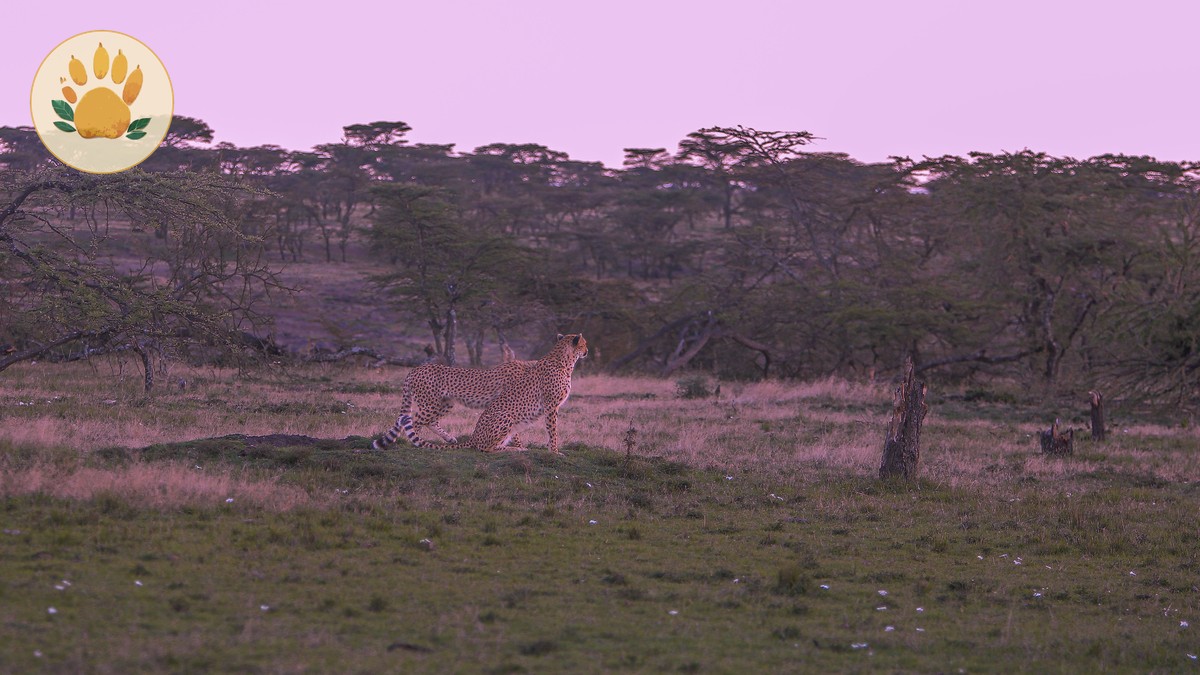
Kenya has two dry seasons. June to October is the main dry season. January to February is the shorter dry season.
The Great Migration is the big draw. Millions of wildebeest and zebra move between Tanzania and Kenya. The river crossings in Masai Mara happen from July to October. This is peak season. Prices are highest. Lodges book out months ahead.
If you want the crossing action, plan for August or September. If you have a smaller budget, come in June or November. You still see plenty of wildlife. The park is less crowded.
Shoulder months offer a good balance. June and November have lower rates and good game viewing.
Sample Itineraries and Top Parks
Kenya has many parks. Each offers something different. Here is a quick comparison to help you choose.
| Park / Conservancy | Best For | Non-resident Fee (per adult/day) | Distance from Nairobi | Drive Time |
|---|---|---|---|---|
| Masai Mara NR | Great Migration, big cats | USD 100 (Jan-Jun), USD 200 (Jul-Dec) | 270 km | 5 hours |
| Amboseli NP | Elephants, Mt Kilimanjaro views | USD 90 | 240 km | 4 hours |
| Lake Nakuru NP | Rhinos, flamingos | USD 90 | 160 km | 2.5 hours |
| Tsavo East / West | Large herds, scenic landscapes | USD 80 | 230 km | 3.5 hours |
| Naboisho Conservancy | Private off-roading, fewer crowds | USD 80-150 (in lodge rates) | 290 km | 5.5 hours |
Note: Masai Mara is a county reserve, not a national park. Its fees change by season. Peak season doubles the price.
For a first safari, combine Masai Mara with Amboseli. You get the best cat viewing in the Mara and elephants against Kilimanjaro in Amboseli. A 7 day itinerary works well.
Sample 7 day plan:
- Day 1-2: Arrive Nairobi. Overnight at a city hotel.
- Day 3-4: Fly to Masai Mara. Two full game drives per day.
- Day 5: Fly to Amboseli. Afternoon game drive.
- Day 6: Full day in Amboseli.
- Day 7: Drive back to Nairobi. Evening flight home.
This gives you 5 full days of game viewing. That is enough for a first timer.
Kenya Safari Cost Breakdown (Budget to Luxury, in USD and IDR)
Safari costs vary widely. The main factors are lodge class, season, and park fees. Here is a realistic range per person per night, excluding international flights.
| Lodge Class | Price per night (USD) | Price per night (IDR) | What You Get |
|---|---|---|---|
| Budget camping | USD 150-250 | IDR 2.4-4 million | Shared tents, basic meals, group jeep |
| Mid-range lodge | USD 350-550 | IDR 5.6-8.8 million | Private room, pool, good food, private jeep |
| Luxury lodge | USD 700-1,200 | IDR 11-19 million | Large suite, spa, private guide, all-inclusive |
| Ultra-luxury | USD 1,500+ | IDR 24+ million | Private conservancy, helicopter transfers, butler |
Park fees add up. In peak season, a Masai Mara day costs USD 200 per person. Two days there is USD 400. Add Amboseli at USD 90 per day. Budget USD 600 to 800 in park fees alone for a week.
A realistic total cost per person for a 7 day safari from Indonesia, including flights from Jakarta (USD 800-1,200), is:
- Budget: USD 2,500-3,500 (IDR 40-56 million)
- Mid-range: USD 3,800-5,000 (IDR 61-80 million)
- Luxury: USD 6,000-9,000 (IDR 96-144 million)
These are indicative ranges. Actual prices depend on the season and booking time.
Language and Communication: Guides Speak English, Not Indonesian
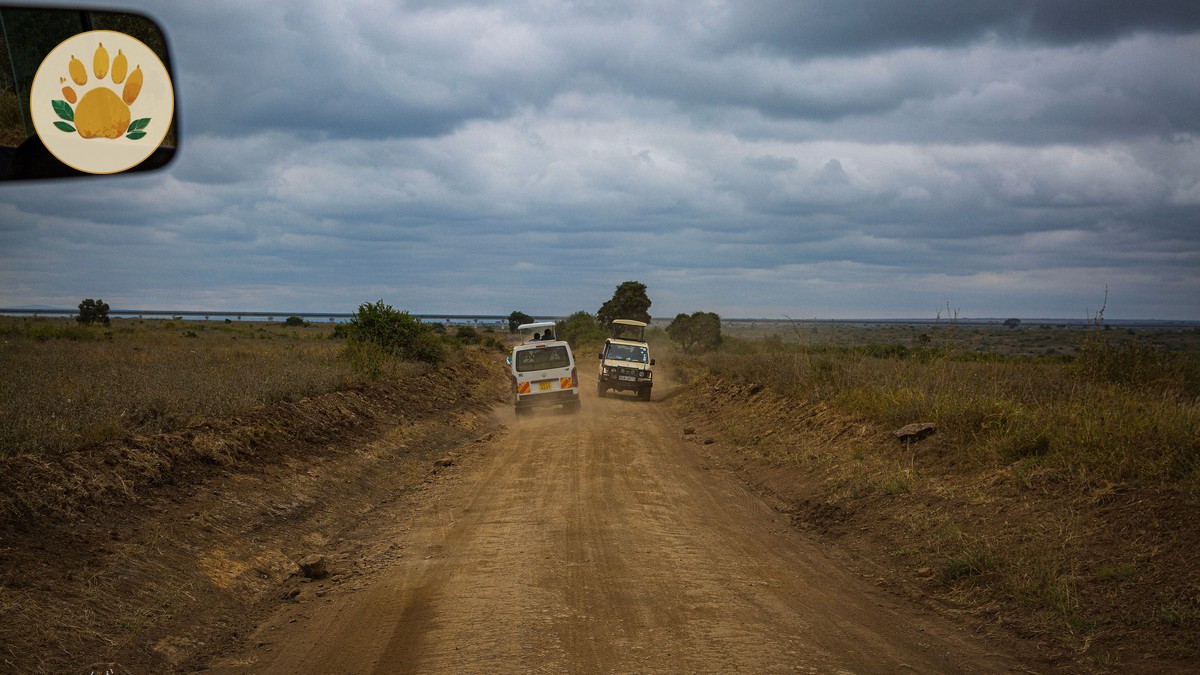
Here is a fact you should know. Almost no safari guides speak Indonesian. English is the working language in Kenyan tourism.
Most guides speak clear, simple English. They are patient with non-native speakers. You can still have great conversations. But you need basic English comfort to ask questions and understand instructions.
If your English is limited, travel with a small phrasebook. Learn key animal names. Learn phrases like “stop here” and “slow down”. Most safety briefings are in English. Understanding them matters.
For more on this, read about what non-English speakers should know before a Kenya safari.
Accommodation Types and Camp Recommendations
Lodges fall into a few styles. Tented camps are the classic safari experience. They have canvas walls, wooden floors, and en-suite bathrooms. Some are simple and rustic. Others are luxury with plunge pools.
In Masai Mara, consider Sand River Camp for a reliable mid-range option. For luxury, Angama Mara sits on the escarpment with views over the reserve. Both have good guides and food.
In Amboseli, Tortilis Camp offers close elephant viewing. The rooms face Kilimanjaro. For a budget option, Amboseli Sopa Lodge is comfortable and reliable.
In the private conservancies like Naboisho, lodges bundle park fees into the nightly rate. You pay one price that covers stays, meals, game drives, and fees. Prices are higher. You get exclusive access and night drives, which are banned in national parks.
Health, Safety, and Vaccination Requirements (Yellow Fever, Malaria)
Yellow fever vaccination is not required for entry from Indonesia. Kenya only requires proof of vaccination from travelers arriving from yellow fever endemic countries, and Indonesia is not one of them. But carry your yellow fever card anyway. It shows you are prepared.
Malaria is present in Kenya, including safari areas. Take malaria prevention tablets. Start them before you travel. Consult your doctor at least 3 weeks before departure.
Use mosquito repellent at dawn and dusk. Sleep under bed nets if provided. Most lodges have nets and screened windows.
Other vaccines to consider: typhoid, hepatitis A, and tetanus. These are routine for travel to East Africa.
Carry a basic medical kit. Include diarrhoea tablets, antihistamines, and antiseptic. Know the location of the nearest clinic at your lodge. Most lodges have first aid staff.
Packing List and What to Wear
Kenya is sunny and warm during the day. Mornings and nights can be cold, especially from June to August.
Pack neutral colors. Beige, olive, and khaki work well. Avoid bright colors and white. They stand out and can disturb wildlife.
Your packing list:
- Light long-sleeved shirts and long pants
- Fleece jacket or sweater for early morning drives
- Wide-brimmed hat
- Sunglasses
- Strong sunscreen, SPF 50
- Insect repellent with DEET
- Comfortable walking shoes
- Binoculars. 8×42 magnification works well.
- Camera with a zoom lens. At least 200mm reach.
- Reusable water bottle
- Power bank. Electricity is limited on game drives.
Leave heavy luggage at home. Most small planes allow 15 kg per person. Pack a soft duffel bag, not a hard suitcase.
Food, Halal/Dietary Considerations for Indonesian Travelers
Halal food is available at most lodges. Kenyan safari kitchens cater to international guests. Many lodges have Muslim staff who prepare halal meals on request.
Chicken, fish, and vegetarian options are common. Beef and lamb are often available but may not be certified halal without request. Tell your lodge in advance. They will prepare your meals separately.
Avoid tap water. Drink bottled or filtered water only. That includes for making tea and coffee. Stick to fruits you peel. Eat cooked vegetables.
Breakfast is often a buffet. Lunch is usually a packed box for game drives. Dinner is a sit-down meal. Lodges are happy to accommodate dietary needs. Just notify them when booking.
Booking Direct vs Through an Indonesian Agency vs a Kenya-Based Operator
You have three ways to book.
Book direct with lodges. This gives you the most control. You arrange each stay separately. It takes time and planning. You also handle transfers yourself. This can be tricky.
Book through an Indonesian agency. They understand your language and payment needs. They can help with flights from Jakarta. Their Kenya expertise may be limited. You may get a generic package that is not ideal.
Book through a Kenya-based operator. This is our recommendation for first-timers. They know the parks, the seasons, and the reliable lodges. They handle all ground logistics. You get one point of contact for everything.
Whichever you choose, read reviews. Ask for a detailed itinerary in writing. Confirm what is included and what is not. A good operator will give you a clear contract.
FAQ Section
Do Indonesian citizens need a visa for Kenya? No. You need an eTA, not a visa. Apply online at least 2 weeks before travel.
How much is the Kenya eTA and how long does it take? The eTA costs USD 34 or about IDR 550,000. Processing takes 3 to 5 business days.
Is yellow fever vaccination mandatory for Indonesians? No. Indonesia is not a yellow fever endemic country. But carry your certificate anyway.
How much does a Kenya safari cost from Indonesia? From USD 2,500 per person for a budget week up to USD 9,000 for luxury.
When is the best time to see the Great Migration? July to October. Peak crossings are usually in August and September.
Can safari guides speak Indonesian? No. Guides speak English. Basic English is needed for safety and communication.
How long is the flight from Jakarta to Nairobi? 14 to 18 hours flying time plus a layover. Total door to door is about a day.
Is food at safari lodges halal? Yes, on request. Notify your lodge ahead of time and they will prepare halal meals.
How many days should a first Kenya safari be? 7 days is ideal. That gives you 5 full days of game viewing.
Which parks must I visit? Masai Mara for cats and migration. Amboseli for elephants and Kilimanjaro views.
Is it safe to do a safari without an agent? It is safer with a local operator. They handle logistics and emergencies.
What should I pack? Neutral clothing, warm layer, sunscreen, insect repellent, binoculars, and a good camera.
The SafariPure Difference
We do not sell generic packages. We build trips around your time, budget, and comfort. We know which lodges respect halal requests. We know which guides explain things clearly in simple English. We handle the eTA paperwork, the internal flights, and the park fee payments. You arrive with a clear itinerary and a single point of contact.
Our team lives in Kenya. We drive these routes every week. We can tell you the real drive times, the honest camp reviews, and the seasonal quirks that guidebooks miss.
For more on planning, our itinerary guide for Thai-speaking travelers may help. Many of the logistics apply to your trip too.
Ready to Plan Your Kenya Safari?
You have the facts. The parks, the costs, the visa, and the food situation. Now it is time to turn this guide into a plan.
Reach out to SafariPure. Tell us your travel dates, your budget, and any dietary needs. We will craft a 7 day or 10 day itinerary that fits you. We take care of the eTA, the flights, and the lodges. You just pack your bag and look forward to the wild.
Visit our Kenya safari tour page to see sample routes. Or contact us to start your custom plan. The savannah is waiting.