You are planning a Kenya safari. Kenya safari for non-English speakers: what international travelers should know starts with one honest question. Will you be understood in the Masai Mara, Amboseli, or Nairobi?
You speak French, German, Spanish, Italian, or Mandarin, and English is not your first language. The short answer is yes, but with conditions. Kenya’s safari industry runs on English and Swahili, and most guides and lodge staff speak English. You have options, but you need to plan ahead.
This guide names the real costs, the real availability, and the real trade-offs.
Kenya Safari for Non-English Speakers: What International Travelers Should Know First
You do not need to be fluent in English, but you need a way to communicate with your guide. This matters most during game drives, when the guide explains animal behavior, safety rules, and the day’s plan.
Most safari bookings in Kenya come from English-speaking countries such as the United States, the United Kingdom, and Australia. A large share also come from France, Germany, Spain, Italy, and China. The industry has adapted. Many lodges now offer guides who speak French, German, or Spanish, and Mandarin is available in Nairobi and major parks.
English-speaking guides are everywhere. French-speaking guides are common but need advance booking. German, Spanish, and Mandarin guides are harder to find and concentrated in larger operators.
Official Languages of Kenya and Linguistic Diversity
Kenya has two official languages, English and Swahili. English is used in government, courts, and schools, while Swahili is the national language and most Kenyans’ first or second language.
Beyond these, Kenya has over 60 indigenous languages, including Kikuyu, Luo, Kalenjin, and Kamba. In the Maasai Mara region, the local language is Maa, and the Maasai speak it among themselves while also using Swahili and some English.
For a traveler, English and Swahili are your practical tools. If you speak neither, you depend on your guide to translate.
What Languages Do Safari Guides, Drivers, and Lodge Staff Actually Speak?
Most professional safari guides in Kenya are fluent in English and Swahili, having attended guide school or earned a Kenya Professional Safari Guides Association certificate.
The second language depends on the guide’s background. Here is what you can expect:
| Language | Availability in Peak Season (July-Oct) | Availability in Low Season | Typical Extra Cost |
|---|---|---|---|
| English | Very high | Very high | None |
| Swahili | High | High | None |
| French | Medium | Medium | 0 to 15 percent premium |
| German | Medium | Low | 0 to 10 percent premium |
| Spanish | Medium | Low | 0 to 10 percent premium |
| Italian | Low | Low | 10 to 20 percent premium |
| Mandarin | Low | Low | 15 to 25 percent premium |
These figures are indicative ranges, not fixed prices. The premium depends on the operator and the season. Some SafariPure groups include a multilingual guide at no extra cost if booked early.
Lodge staff and camp managers usually speak English, and larger camps often have staff who speak French or German too. In remote camps, English drops, and your guide often translates for meals and logistics.
Can You Get a French, German, Spanish, Italian, or Mandarin-Speaking Safari Guide?
Yes, but you must request it at booking time. Do not assume it will be available on arrival.
SafariPure offers dedicated multilingual guides for group and private safaris across the Masai Mara, Amboseli, Tsavo, and Lake Nakuru. During the peak migration season from July to October, availability is tight, and guides who speak French or German are often booked three to four months ahead.
If you book late, you have two backup options. First, ask about a guide who uses a translation app for commentary, which slows the drive slightly but works. Second, join a group that already has a mix of nationalities. SafariPure groups often include travelers from Europe and Asia, so the guide may already be bilingual.
How Language Barriers Actually Play Out on a Kenya Safari
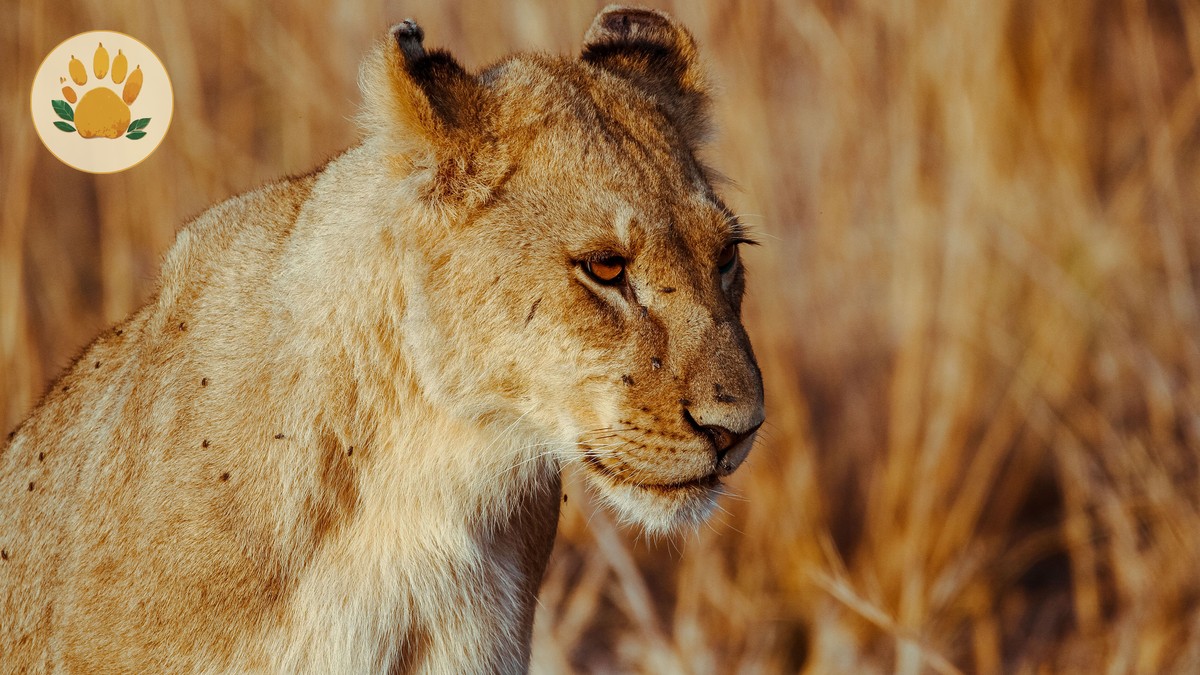
Imagine you are in the Masai Mara at 7 a.m. Your guide spots a lioness near the Mara River and explains she is hunting, in English. You catch the word “hunt,” but miss the rest. Is this a problem?
Not always. Wildlife viewing is visual, and the animal tells the story. But safety briefings are different. If your guide says you must stay in the car near a buffalo, you need to understand that.
This is why the guide matters. A good guide reads the group, slows down, and checks for understanding.
Basic Swahili Phrases and Greetings for Travelers
Learning a few Swahili words changes how people treat you. It is not required, but it is respectful. Here are the ones that matter most.
- Jambo or Habari (hello, how are you)
- Nzuri (good, fine)
- Asante (thank you)
- Asante sana (thank you very much)
- Tafadhali (please)
- Ndiyo (yes)
- Hapana (no)
- Karibu (welcome)
- Kwaheri (goodbye)
- Pole pole (slowly, slowly)
Use these with lodge staff and guides. “Asante” is the single most useful word. Say it to your guide, cook, and driver, and it opens doors. “Pole pole” is a close second, useful for a bumpy road or a long sighting, and a good philosophy for the whole trip.
Pronunciation Guide for Swahili
Swahili is easier to pronounce than English. Every vowel makes one sound, like in Spanish or Italian. A sounds like “ah,” E like “eh,” I like “ee,” O like “oh,” and U like “oo.”
Stress usually falls on the second-to-last syllable, as in ah-SAN-teh for asante. Speak slowly. Kenyans are patient with learners.
Cultural Etiquette Around Language Use and Greetings
Greetings matter in Kenya and are not rushed. Skipping a hello before getting to business is considered rude.
For elders, say “Shikamoo” (shee-kah-MOH), meaning “I hold your feet.” The elder replies “Marahaba.” In Maa, the Maasai language, hello is “Sopa” (soh-pah). Do not be afraid to say “Sijui” (see-JOO-ee), meaning “I do not know.” It beats nodding and guessing.
Swahili Safari-Specific Vocabulary
Here are the words you will hear on every game drive.
- Simba (lion)
- Tembo or Ndovu (elephant)
- Chui (leopard)
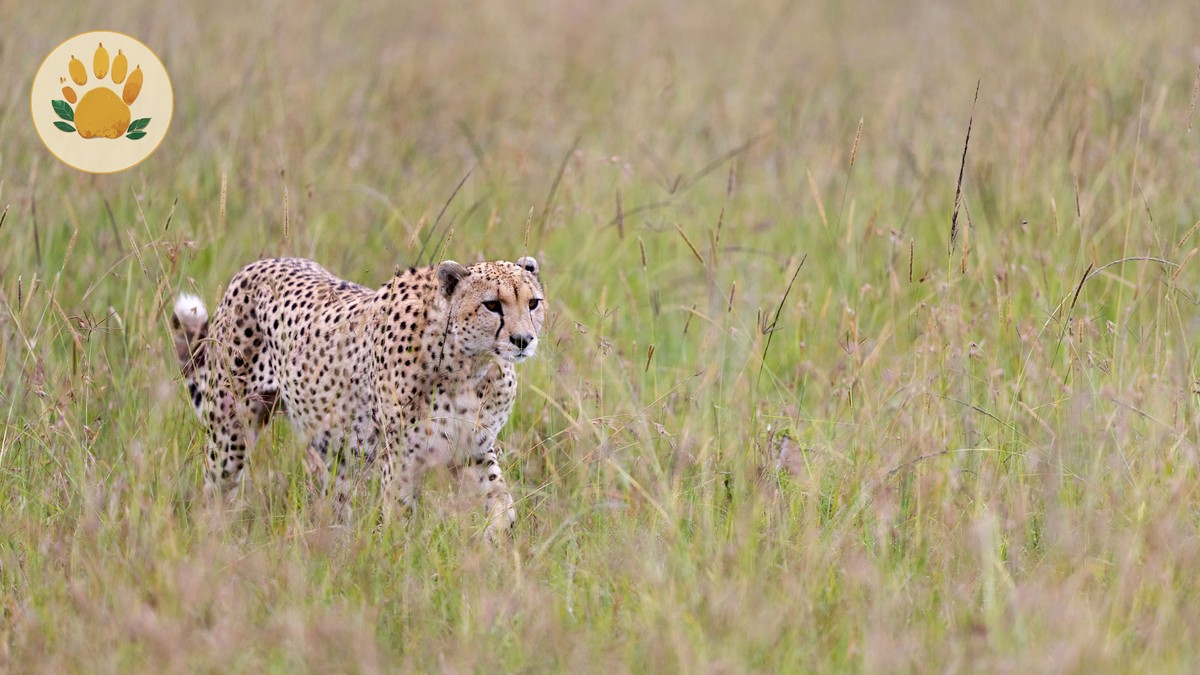
- Duma (cheetah)
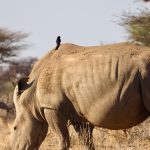
- Faru or Kifaru (rhinoceros)
- Nyati (buffalo)
- Twiga (giraffe)
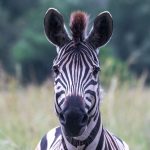
- Pundamilia (zebra)
- Kiboko (hippopotamus)
Your guide may say “tembo kwa kushoto,” elephant on the left. Knowing this helps you look the right way.
Communication in Rural Areas and Maasai Villages
Outside the parks, English levels drop. In small towns you use Swahili or rely on your driver. In Maasai villages, the local language is Maa, and your guide translates from Maa to Swahili to English. If you do not speak English, the chain gets longer, but it still works.
Many Maasai speak some English, especially those working in tourism, while elders may speak only Maa and some Swahili. Your guide or a resident guide acts as interpreter. A village visit is slow by design, and the time spent translating is part of the hospitality.
Does It Cost More to Book a Non-English-Speaking Guide?
It depends. Some operators include multilingual guides in the base price, others charge a premium of zero to 25 percent, based on current SafariPure bookings. French and German guides cost the least, while Mandarin and Italian cost the most because they are rarer.
For a budget backpacker, the premium matters. A group safari with SafariPure costs about USD 180 to 250 per person per day. A French-speaking guide might add USD 20 to 30 per day, which is manageable. A private safari with a Mandarin guide might cost USD 350 per day, which is steep.
The trade-off is value. You see the same lions, elephants, and sunsets either way. The difference is in the stories you understand.
Is Kenya Safe and Manageable for Tourists Who Do Not Speak English?
Yes. Kenya is a major tourist destination, and lodges in the Mara and Amboseli are used to international visitors who handle many languages daily.
In Nairobi, signs are in English, but public transport, including matatus (minibuses), is chaotic for any newcomer. If you do not speak English, use a taxi app or arrange a transfer through your operator.
The bigger risk is not language. It is booking a cheap safari with an unverified operator. A reputable operator meets you at the airport and looks after you from there.
Do You Need a Translator or Interpreter?
No, you do not need to hire a separate interpreter. Your guide handles the game drives, the camp staff, and the village visits.
If you are a solo traveler on a strict budget, consider a group safari instead. Other travelers may speak your language and can help with small translations.
FAQ: Quick Answers
Do I need to speak English to go on a safari in Kenya? No. Book a guide who speaks your language, or plan to use translation tools.
What languages do Kenya safari guides speak? Most speak English and Swahili. Many speak French or German. Fewer speak Spanish, Italian, or Mandarin.
Does it cost more to book a non-English-speaking guide? Sometimes. Expect a zero to 25 percent premium depending on the language.
Which Nationalities Book the Most Kenya Safaris?
Americans, British, and Australians lead the numbers, followed by French and German travelers, then Italians and Spanish. If you are a French speaker, ask if your SafariPure group already has other French speakers. This raises your chance of a bilingual guide at no extra cost.
The SafariPure Difference
SafariPure does not treat language as an afterthought. We ask about your preferred language at the first enquiry. We book multilingual guides before we confirm your dates, so you are not stuck with an English-only guide in high season.
Our budget group safaris start around USD 180 per person per day, including park fees, transport from Nairobi, and a dedicated guide. If you need a French or German guide, we tell you the exact premium at booking.
Our camps are chosen for staff who handle multiple languages. In the Mara, we work with camps where managers speak at least two European languages, which helps at mealtimes too.
Language Tips for International Travelers
Carry a small phrasebook or an offline Swahili app as a backup. Learn the numbers one to ten in Swahili, which help with tipping and counting animals.
Learn one opening phrase too. In French, “Bonjour, je ne parle pas anglais.” In German, “Hallo, ich spreche kein Englisch.” In Spanish, “Hola, no hablo inglés.” Your guide will respect the honesty.
The Best Safari Moments Need No Translation
The best safari moments do not need words. A lioness walking past your vehicle at dawn needs no translation. Your guide’s job is to put you in the right place, and the animals do the rest. Plan for smoother logistics, book early, and relax.
Plan Your Safari With SafariPure
Ready to see the Masai Mara without language stress? We book multilingual guides and group safaris for travelers from around the world. Tell us your language when you enquire. We will handle the rest.
Contact us today to start planning.