You have booked flights to Nairobi, or you are close to it. Maybe you searched in Spanish and found one site. In Italian, another. In French, a list of lodges. Each page tells part of the story.
This guide covers Spanish, Italian, and French travelers on safari: what to expect in Kenya. It covers guides, costs, park fees, visas, and the honest limits of language support. If you travel on a budget, you need this before you book.
Spanish, Italian, and French Travelers on Safari: What to Expect in Kenya from Local Guides
The short answer is yes, but not everywhere. The longer answer matters more for your wallet.
Kenya has guides who speak French, Italian, and Spanish. Most of them work for high end camps and specialist operators. They did not learn these languages by accident. They spent years guiding diplomats, journalists, and repeat visitors from Europe.
At budget camps and group safari vehicles, the default language is English. Your driver guide speaks English well. He may also speak Swahili, Maa, or Kikuyu. A second European language is rare at this price level.
A few mid range camps do have one multilingual guide on staff. But that person cannot be everywhere. If you book a group safari, ask who leads the vehicle. Do not assume.
The honest trade off is simple. Reliable French, Italian, or Spanish guiding is mostly a high end camp perk. Budget travelers should expect English only, or pay a surcharge for a private multilingual guide.
For a detailed breakdown of camps that genuinely staff multilingual guides, see our camps that genuinely offer multilingual guides guide.
Is There a Language Barrier on a Kenya Safari?
For a group safari, yes, you will feel it. The guide speaks English at a normal pace. He uses animal names, bird names, and local terms. If your English is intermediate, you will catch half of it.
That half is the important half. You will hear where the lion is, which direction to look, and when to stay quiet.
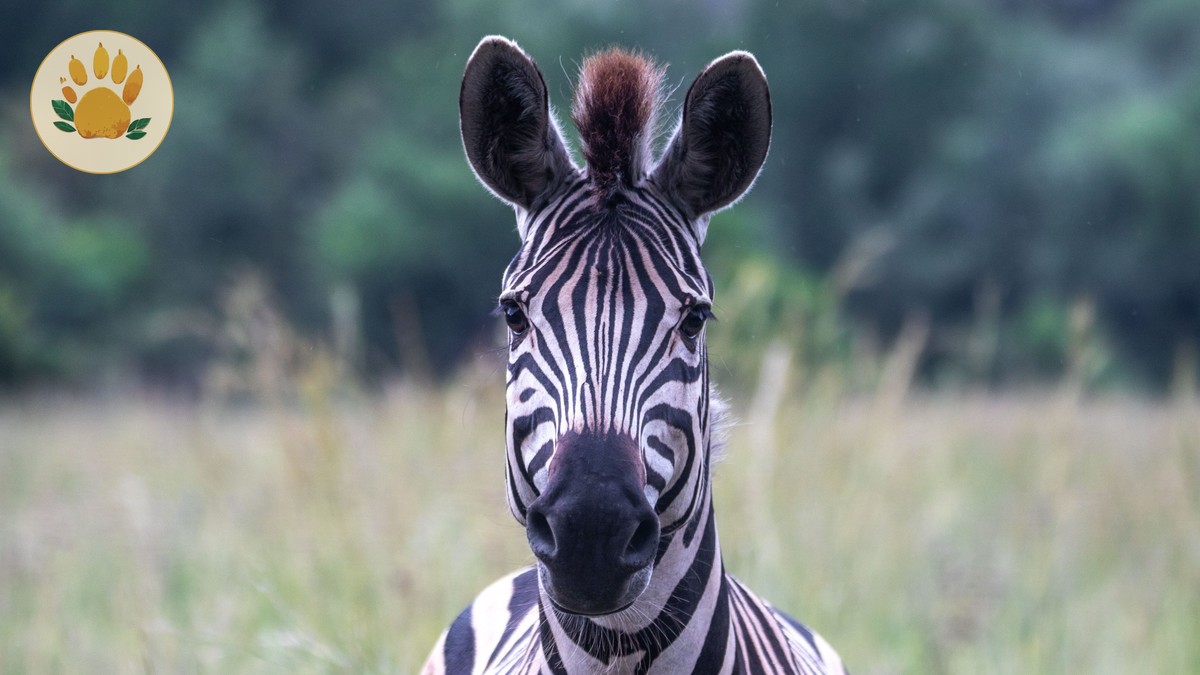
You will miss the stories. The difference between a zebra and a Grevy’s zebra. Why that acacia tree has bald patches. How the guide tracked the leopard since dawn.
For the full experience, you have two choices. Pay for a private vehicle with a multilingual guide. Or brush up your English wildlife vocabulary before you fly.
Most budget travelers choose the second option. It costs nothing and helps more than you expect.
Do I Need to Speak English to Go on a Kenya Safari?
No. You can book a safari entirely in your own language if you use the right operator.
Several Nairobi based tour companies cater to Spanish, Italian, and French speakers. They run group departures with multilingual guides. These groups are smaller, often four to six people. The price sits above the English speaking group rate but below a private vehicle.
The catch is availability. These departures run on fixed dates. If your dates do not match, you wait or you pay more.
From experience, the sweet spot is a mixed language private group. Two Spanish speakers, two French speakers, one shared vehicle. The guide works in three languages, but the group is small enough to stay patient.
If you are a solo budget traveler, aim for that. Ask operators to pair you with other European speakers.
Which Nationalities Book the Most Kenya Safaris?
The British and Germans book the most overall. Americans are close behind. Among your three nationalities, the French book the most, then Italians, then Spanish.
French travelers tend to favor group departures and longer stays. They often combine two or three parks with a beach extension. Italians favor photography and walking safaris. Spanish travelers often book shorter trips, four nights, and prefer the Mara above all.
This matters for planning. You can find French speaking groups leaving most weeks. Italian and Spanish groups run less often. Book early for those.
For deeper data, see which nationalities book the most Kenya safaris.
Flight Connections and Visa Requirements from Spain, Italy, and France
You have direct and one stop options.
Kenya Airways flies direct from Paris Charles de Gaulle to Nairobi Jomo Kenyatta. The flight takes about 8 hours 30 minutes. From Rome, you have direct flights, but not daily. From Madrid, the most reliable option is one stop via Paris, Amsterdam, or Istanbul.
Budget carriers like Transavia and easyJet do not fly to Nairobi. You will use legacy airlines or Gulf carriers.
eTA and Visa Rules for the Three Countries
All three nationalities need an eTA. There is no visa on arrival anymore.
The eTA costs about USD 34. It includes a USD 30 government fee and a small processing charge. You apply online, upload a passport scan, and wait. Approval takes 3 to 10 business days. Do not book internal flights until you have it.
The eTA is valid for 90 days and allows multiple entries. That means you can do a safari and a beach extension without reapplying.
Follow our step by step Kenya eTA application guide to avoid common mistakes.
One extra requirement for Italians and French: your passport must be valid for at least 6 months from your arrival date. Spanish passports have the same rule. Check now, not at the airport.
Safari Costs and Pricing Breakdown for Budget Travelers
Your biggest cost is park entrance fees. Kenya Wildlife Service raised these in October 2025. Use the current figures, not older guides.
| Park or Reserve | Non-resident fee per adult per day | Notes |
|---|---|---|
| Masai Mara National Reserve | USD 100 (Jan to Jun), USD 200 (Jul to Dec) | County run, not KWS. Peak fee is high. |
| Amboseli National Park | USD 90 | KWS. Elephants and Kilimanjaro views. |
| Lake Nakuru National Park | USD 90 | KWS. Rhinos and flamingos. |
| Tsavo East and Tsavo West | USD 80 each | KWS. Vast, dry plains. |
| Nairobi National Park | USD 80 | KWS. Easy day trip from the city. |
| Chyulu Hills National Park | USD 40 | KWS. Walking and views. |
| Naboisho or Mara North Conservancy | Roughly USD 80 to 150 per night | Private. Fee is bundled into lodge rates. |
A budget group safari in Kenya costs roughly USD 150 to 250 per person per day. That includes transport in a safari van, basic tented camp lodging, meals, and the driver guide. It does not include park fees. Park fees add USD 90 to 200 per day on top.
So a typical 4 day, 3 night Masai Mara safari for a budget traveler runs about USD 900 to 1,200 per person. In euros, that is roughly EUR 820 to 1,100 depending on the exchange rate.
For Europeans, Kenya is cheaper than Tanzania or Botswana. The flight is the biggest cost. Internal costs are manageable.
Best Parks and Routes for Spanish, Italian, and French Travelers
If you have 5 to 7 days in Kenya, use this route.
Day 1 to 3: Masai Mara
Fly into Nairobi, then drive or take a scheduled flight to the Mara. The drive takes 5 to 6 hours on the main road. A scheduled flight from Wilson Airport to the Mara’s main airstrips takes about 45 minutes. It costs roughly USD 150 to 200 one way.
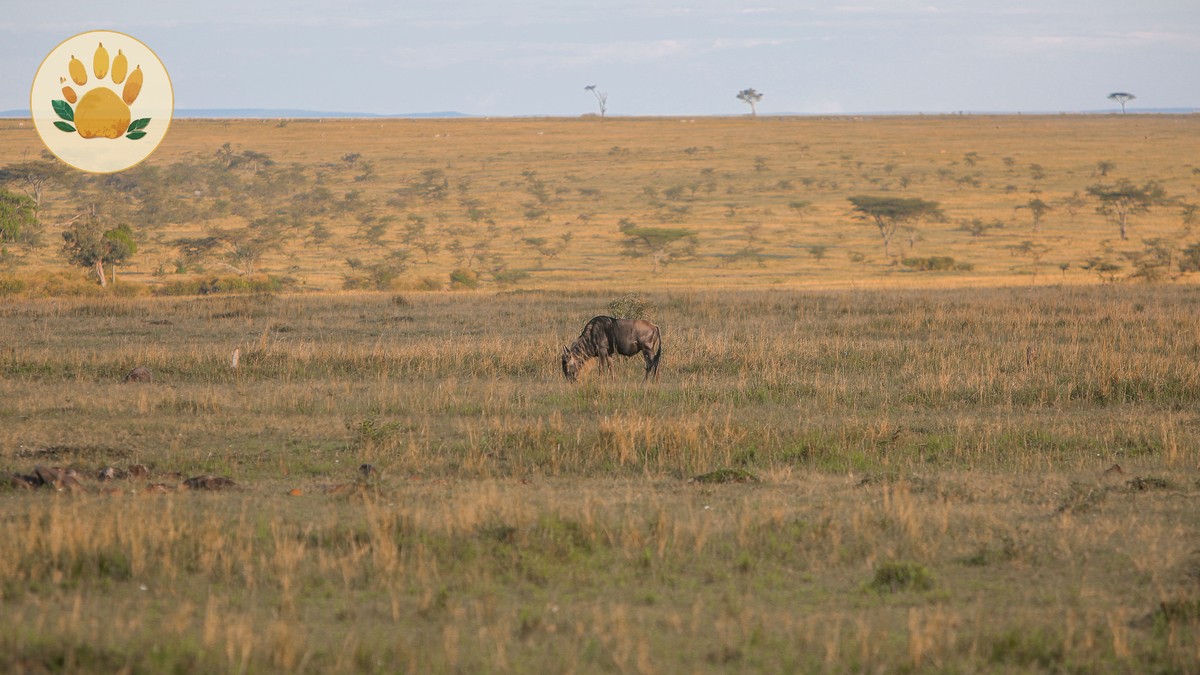
The Mara is where you see the wildebeest migration, lions, cheetahs, and leopards. Stay in a budget camp inside the reserve or just outside it. Expect rough roads and early mornings.
Day 4: Lake Nakuru
Drive from the Mara to Lake Nakuru takes about 4 hours. The park is small, fenced, and reliable for rhinos. You see white rhinos within the first hour. The lake itself has flamingos, but their numbers vary with water levels.
Day 5 to 7: Amboseli
The drive from Lake Nakuru to Amboseli takes 6 to 7 hours. You can also fly from Nairobi in about 40 minutes. Amboseli is the park for elephants and Mount Kilimanjaro views. The observation hill gives you the classic postcard image.
For budget travelers, this loop works well. Camps in all three areas range from basic bandas to comfortable safari tents. You do not need luxury to enjoy the wildlife.
If you have more time, add Samburu in the north. It is about a 5 to 6 hour drive from Nairobi. The wildlife is different from the Mara. You see reticulated giraffes, Grevy’s zebras, and Somali ostriches.
Best Time to Travel from Spain, Italy, and France
Kenya has two dry seasons and two wet seasons.
The long dry season runs from late June to October. This is peak migration season in the Mara. The park fee jumps to USD 200 per day. Crowds are heavy. Prices for camps are highest.
The short dry season runs from January to February. The weather is warm, the grass is short, and animals are easy to spot. Park fees are USD 100 in the Mara. This is the best value for budget travelers.
The long rains hit from March to May. Camps close or discount heavily. The Mara is wet and quiet. If you want a safari on a serious budget, go in April or May. You accept rain and mud in exchange for low prices and empty parks.
From Spain, Italy, or France, the short dry season is ideal. You escape the European winter, pay lower fees, and see Great Migration calving in the Mara. Book your flights for January or February.
Combining Safari with a Beach Extension
You should. The coast is easy to add.
From Nairobi, a domestic flight to Mombasa takes about 1 hour 15 minutes. It costs roughly USD 80 to 120 one way. Budget airlines like Jambojet and Skyward Express fly this route.
Diani Beach is the best budget friendly option. It is 30 minutes south of Mombasa by ferry and matatu. Budget hostels and backpacker lodges line the beach. Watamu, further north, is quieter and has good snorkeling. Malindi is cheaper but rougher around the edges.
A common route is 6 nights safari, 4 nights beach. The combination gives you wildlife and recovery time. Budget for the beach at USD 30 to 60 per night for a basic room.
Booking Safely from Spain, Italy, or France
You have three options.
First, a local Kenyan specialist like SafariPure. You pay in euros or dollars, get a named guide, and have a local contact on the ground. This is the safest option for a first safari.
Second, a European agency. They book the same Kenyan operators but add a margin. You get consumer protection under EU law. That matters if you book far in advance.
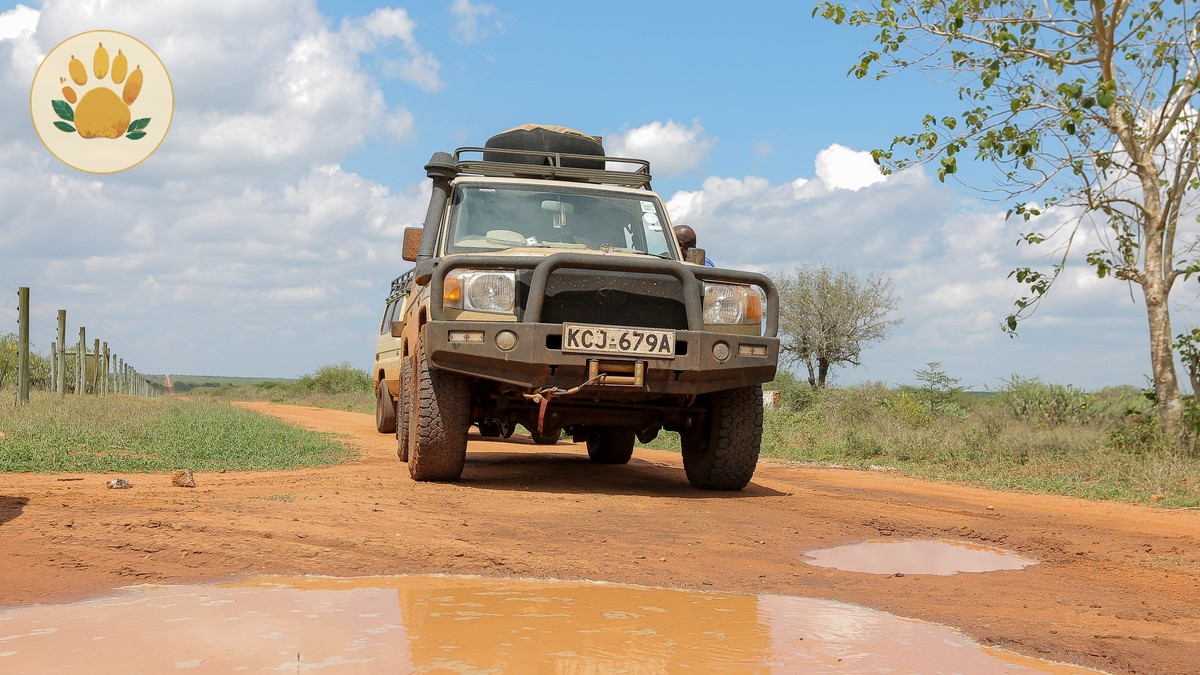
Third, DIY booking. You book a park gate, a camp, and a hire vehicle separately. This is cheap but complicated. You need a driver guide anyways, because self driving in the Mara is not allowed without a licensed guide.
For a budget backpacker, the best value is a local specialist with a fixed group departure. You avoid the EU agency markup and still get a real company behind you.
Practical Planning Tips for European Travelers
You need a yellow fever vaccination if you come from a risk country. Spain, Italy, and France are not risk countries, so proof is not required to enter Kenya. But the vaccine is recommended by health authorities.
Malaria tablets are essential. The coast and most parks are malaria zones. Carry insect repellent with DEET.
Pack for temperature swings. Nairobi sits at 1,795 meters above sea level. Mornings in the Mara can be 10 degrees Celsius. Afternoons reach 27 degrees. Pack a fleece, a light jacket, and a sun hat.
Pack a headlamp for bush camps. Carry a power bank. The voltage in Kenya is 240V, the same as Europe. Your plugs work with a standard socket adapter. The sockets are the British three pin type, so bring the right adapter.
The SafariPure Difference
We run group and private safaris across the Mara, Amboseli, Lake Nakuru, and Samburu. Our guides speak English as a baseline. We have dedicated French, Italian, and Spanish speaking guides for private and mixed language groups.
We tell you the truth upfront. If we cannot guarantee a French speaking guide on your dates, we say so. We do not sell multilingual support that does not exist.
Budget travelers get the same field knowledge as luxury clients. The difference is the camp, not the guiding. We keep groups small, six people maximum in a vehicle, and we use named camps where the staff know what they are doing.
You book from Europe with confidence. We handle park fees, transport, and logistics. You show up with a passport and good walking shoes.
Ready to Plan Your Kenya Safari?
You now know the costs, the parks, and the language reality. The next step is a simple conversation.
Tell us your dates, your budget, and which languages you prefer. We will build a safari that fits both your wallet and your curiosity.
Contact SafariPure to plan your trip or browse our group safari itineraries. We answer within 24 hours.