These language tips for international travelers on a SafariPure Kenya safari cover the words that matter most on the ground, from camp greetings to market bargaining.
You land at Jomo Kenyatta International Airport in Nairobi. A SafariPure group joining safari starts next week. Your backpack is light, your camera is charged, and your Swahili is nonexistent.
You quickly learn that English will get you through almost everything. Kenya uses English for official business, and signs, menus, and airport staff all use it.
But that is not the whole story. The moment you step onto a SafariPure minibus, a few local words change how people treat you.
This guide is a practical pocket list, built for budget travelers who want good relationships with guides and no awkward moments at a market stall.
Official Languages of Kenya
Kenya has two official languages: English and Swahili, or Kiswahili in the local tongue.
English is the language of government, courts, and big business. Kenya was a British colony until 1963, and English stuck around in schools and administration.
Swahili is the national language, connecting more than 40 ethnic groups, each with its own tribal language, such as Kikuyu, Luo, or Kamba.
In the Maasai Mara region, you will hear Maa, a Nilotic language the Maasai people use among themselves, with sounds unlike Swahili.
Do You Actually Need Swahili? Language Tips for International Travelers on a SafariPure Kenya Safari
Here is the honest answer behind these language tips for international travelers on a SafariPure Kenya safari: English covers about 95 percent of a typical itinerary.
You can check into camp, order meals, ask questions on game drives, and pay conservancy fees entirely in English. SafariPure guides handle international guests daily and switch languages without breaking stride.
The remaining 5 percent is where the magic happens. A greeting in Swahili makes a camp staff member smile. A correct “asante” after a meal earns genuine warmth.
You will not be lost without Swahili anywhere in Kenya, but you will miss small human connections that make a safari memorable.
Pronunciation Basics for English Speakers
Swahili is one of the easier African languages for English speakers. It has no tones, and words are spelled exactly as they sound.
- A sounds like “ah” in “father”
- E sounds like “eh” in “bed”
- I sounds like “ee” in “see”
- O sounds like “oh” in “go”
- U sounds like “oo” in “food”
Consonants match English closely, apart from “ng,” as in “ngoma” (drum), said like the end of “singing” plus the vowel.
Essential Greetings and Everyday Phrases
Start here. These are the most used phrases in Kenya.
- “Jambo” or “Habari” mean “hello” or “how are you?”
- “Habari ya asubuhi” and “Habari ya jioni” mean “good morning” and “good evening”
- “Mzuri” means “fine,” the standard reply to “Habari”
- “Asante” and “Asante sana” mean “thank you” and “thank you very much”
- “Tafadhali” means “please,” and “Kwaheri” means “goodbye”
- “Ndiyo” and “Hapana” mean “yes” and “no”
- “Samahani” means “excuse me” or “sorry”
- “Karibu” means “welcome,” heard at every camp entrance
Try this pattern at your SafariPure camp gate. The guard says “Karibu,” you reply “Asante,” then you say “Habari?” and they say “Mzuri.”
Is Swahili Hard for English Speakers?
No. Most travelers pick up greetings within a day. Swahili grammar is logical, with no gendered nouns and no articles like “the” or “a.” Verb tenses just add a prefix for past, present, or future.
The hardest part is noun classes, which affect the verbs attached to them, but you will not need complex sentences on safari.
Swahili Words for Safari Animals
On game drives, guides radio each other in a mix of English and Swahili, using English names for guests but leaning on local terms too.
| English | Swahili | Notes |
|---|---|---|
| Lion | Simba | From “The Lion King” |
| Elephant | Tembo or Ndovu | Tembo refers to the trunk |
| Leopard | Chui | Often in trees |
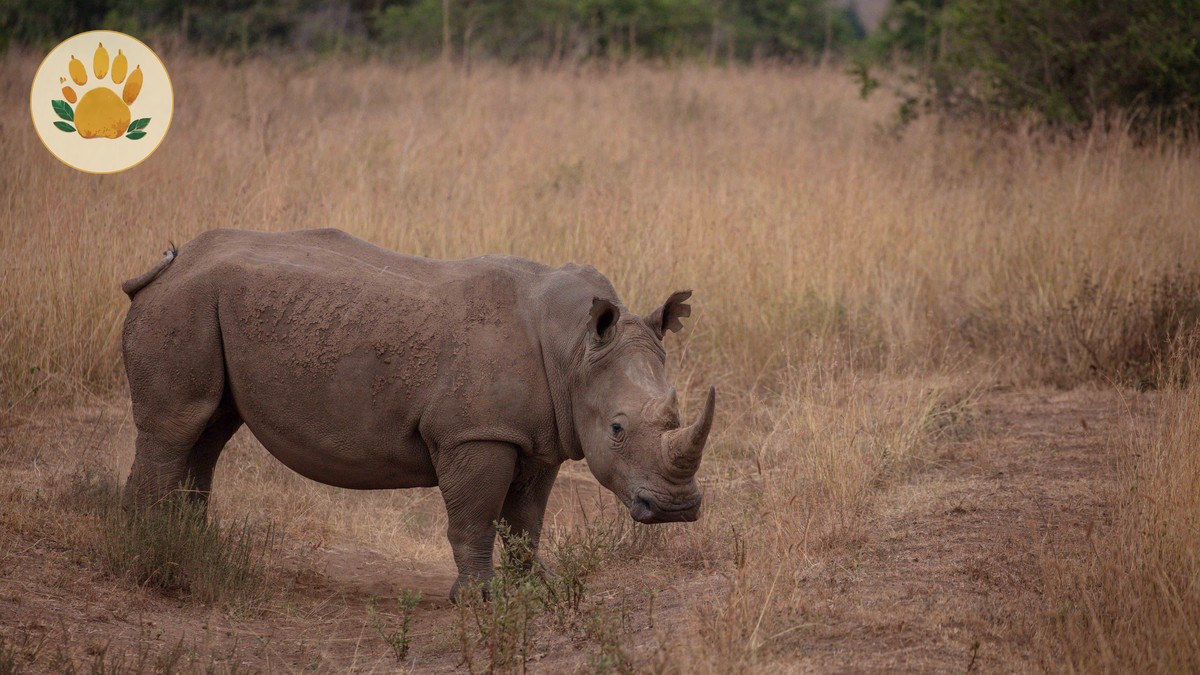
| Rhinoceros | Kifaru | From “faru,” meaning nose |
| Buffalo | Nyati | Large herds |
| Giraffe | Twiga | Spotted coat |
| Zebra | Punda milia | “Striped donkey” |
| Hippopotamus | Kiboko | Also means “whip” |
| Warthog | Ngiri | Common in grass |
| Hyena | Fisi | Known laughing call |
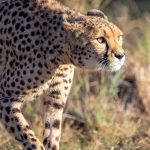
| Cheetah | Duma | Fastest land animal |
| Crocodile | Mamba | Mara River |
The Big Five in Swahili are “Wanyama Wakubwa Watano,” a mouthful, but guides appreciate hearing “simba” and “tembo” said correctly.
Phrases Used Specifically with Safari Guides
Your SafariPure guide spends 8 to 10 hours a day driving, tracking, and sharing knowledge. A few phrases make that relationship smoother.
- “Enda pole pole” means “go slowly,” for a slower pace on game drives
- “Simama hapa” means “stop here,” for something spotted through binoculars
- “Nataka kupiga picha” means “I want to take a photo”
- “Asante kwa kuonyesha” means “thank you for showing me,” said after a great sighting
- “Nimefurahi” means “I am happy”
- “Usikimbie” means “do not run,” used only in emergencies
“Habari ya asubuhi” at 6:30 AM before a sunrise game drive sets the tone for the day.
Food, Drink, and Market Phrases
Budget backpackers on SafariPure camping safaris visit local markets for crafts, snacks, or coffee, which requires basic bargaining vocabulary.
- “Bei gani?” means “how much is it?”
- “Ni ghali sana” means “it is too expensive,” your main bargaining line
- “Nipunguze bei” means “reduce the price for me”
- “Sina pesa nyingi” means “I do not have much money”
At your camp or lodge, use these instead:
- “Nina njaa” and “Nina kiu” mean “I am hungry” and “I am thirsty”
- “Maji” means “water,” “Chai” means “tea,” usually milky and spiced
- “Nyama” means “meat,” “Mboga” means “vegetables” or “greens”
- “Hakuna nyama” means “there is no meat,” useful for vegetarians
When bargaining, stay calm and friendly. Prices in tourist markets often start high, and a fair counteroffer is about 50 to 60 percent of the opening price. If you cannot agree, say “Asante, kwaheri” and walk away. Often the seller calls you back.
Numbers and Practical Transactional Phrases
You need numbers for prices: moja (1), mbili (2), tatu (3), nne (4), tano (5), sita (6), saba (7), nane (8), tisa (9), kumi (10), ishirini (20), and mia moja (100).
Most prices are in Kenyan Shillings. As of mid-2026, the rate is roughly 128 KES to 1 USD, though that shifts, so check current rates before you travel. SafariPure lists park fees in USD, but souvenirs are priced in KES.
Cultural Etiquette for Using Local Language Respectfully
Speaking a few words is good. Speaking them wrongly can be awkward, so a few rules matter.
Say “Shikamoo” to elders, with the reply “Marahaba,” instead of the more casual “Jambo.”
Maa greetings differ from Swahili. “Supa” is the standard greeting, similar to “hello.” “Iyo” means “how are you?” and the reply is “Iyo mpaa,” meaning “I am fine.”
Never point at anyone with your finger. It is rude in many Kenyan cultures, so use your whole hand or a nod instead.
Tools and Apps for Learning Swahili Before Your Trip
Duolingo offers a free Swahili course you can finish the basics of in about two weeks. Memrise has user-created decks with native speaker audio for pronunciation.
SafariPure also includes a printed phrase card in every welcome packet, listing the key phrases from this article for your pocket.
Frequently Asked Questions About Language on Safari
What does the word “safari” actually mean in Swahili?
“Safari” means “journey,” not originally a wildlife expedition. Kenyans use it for any trip, from a commute to a cross-country adventure.
What is the difference between Kenyan Swahili and Tanzanian Swahili?
Both are mutually understandable. Kenyan Swahili is more relaxed and borrows English words directly, while Tanzanian Swahili is more standardized.
What language do Kenyan safari guides speak among themselves on game drives?
Guides mix Swahili and Maa, using quiet terms like “chui” for leopard so they do not crowd a single sighting.
Is it rude to not attempt any Swahili while on safari?
No. Kenyans expect tourists to rely on English. Attempting a greeting shows courtesy and is never rude to try.
How do I avoid overpaying because I don’t speak Swahili when bargaining?
Use phrases like “Bei gani?” and “Ni ghali sana,” carry small bills in KES, and set a mental limit before asking the price.
Will I need a translator anywhere in Kenya?
No. English covers all official interactions, and SafariPure guides can help with any complicated conversation.
Table: Distances and Fees Across SafariPure Routes
Budget backpackers compare real numbers before choosing a route.
| Destination | From Nairobi (km) | Approx Drive Time | Entry Fee (non-resident, adult) |
|---|---|---|---|
| Masai Mara National Reserve | 270 km | 5 to 6 hours | USD 100 (Jan-Jun) / USD 200 (Jul-Dec) |
| Amboseli National Park | 240 km | 4 to 5 hours | USD 90 per day |
| Lake Nakuru National Park | 160 km | 3 hours | USD 90 per day |
| Tsavo East National Park | 300 km | 5 hours | USD 80 per day |
| Nairobi National Park | 8 km | 30 minutes | USD 80 per day |
| Naboisho Conservancy | 250 km | 5 to 6 hours | USD 80-150 per night (bundled in lodge rates) |
These fees are current as of October 2025 and change with policy. Check your SafariPure booking confirmation for exact totals.
The SafariPure Difference
SafariPure builds trips for travelers who want depth without excessive cost. We focus on group joining safaris, camping options, and public transport connections, so you travel with a small group of explorers rather than a private jeep with a champagne bar.
Language works the same way. We do not overwhelm you with grammar. We give you a working set of phrases for your actual journey, and your guide knows every camp entrance, every stall owner, and every Maasai elder on our routes.
When you greet a camp cook with “Habari,” they treat you like a regular guest, not a passing tourist. That is the SafariPure difference between seeing the Mara and being welcomed into it.
Your Pocket Phrase List
Print this before you leave.
- Jambo / Habari (hello)
- Mzuri (fine)
- Asante sana (thank you very much)
- Tafadhali (please)
- Karibu (welcome)
- Simba (lion)
- Tembo (elephant)
- Bei gani? (how much?)
- Ni ghali sana (too expensive)
- Shikamoo (respectful greeting to elder)
Plan Your Trip with SafariPure
You have the words now. The next step is booking the journey.
Visit the SafariPure Kenya safari page to compare group joining departures and camping options. Pick a route that fits your budget and your time.
When you are ready to ask questions about dates, routes, or packing lists, reach out to SafariPure through the contact page. A real travel consultant will reply, not a bot.
Karibu Kenya. The lions are waiting.
More safari planning resources
- Kenya wildlife tours from Trunktrails Safaris
- Kenya national parks map from Valley Safaris
- Big Five safari parks guide on Touring Insights
- Big Five safari collection on FindMySafari
Related guides: Golden Hour Game Drive Tips for Safari Photos, Kenya Safari Backpacking Tips for Saving Money, Safari With Toddler Kenya Tips: What Actually Works.