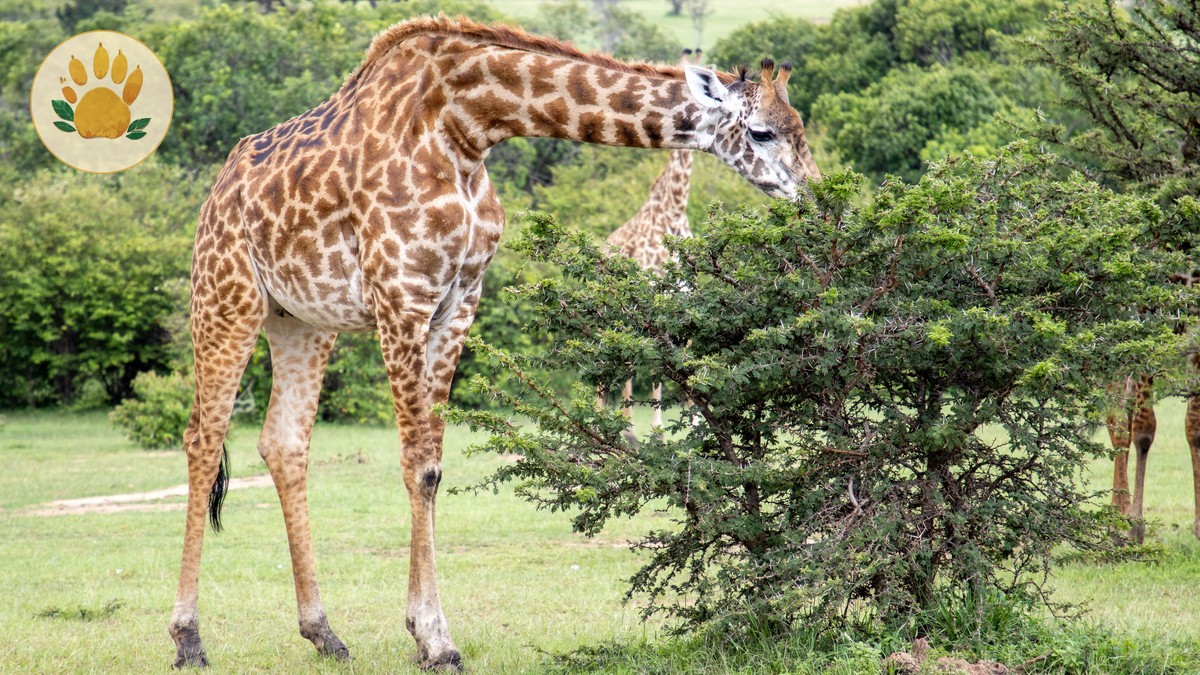
The Giraffe Centre in Lang’ata and Giraffe Manor next door share the same herd of Rothschild’s giraffes. That is where the similarity ends. A morning at the Centre costs a family of four around KES 6,000. A single night at the Manor starts near $875 per person and often climbs past $1,000 in high season. Most families visiting Nairobi before a safari want the giraffes, not the price tag, and the Centre is where you get both.
This giraffe centre nairobi visitor guide skips the padded history lesson and gets straight to what you need: costs, payment, how long it takes from the airport, and how to pair it with the David Sheldrick Elephant Orphanage without wasting a day of your trip.
What the Giraffe Centre Actually Is
The Centre opened in 1979 under the African Fund for Endangered Wildlife (AFEW), started by Jock and Betty Leslie-Melville on their own Lang’ata property. Their goal was simple: breed Rothschild’s giraffes in a safe enclosure and release offspring into protected parkland once numbers recovered. That breeding and release work still runs today, and it is the reason the Centre exists at all, not a side note to the photo opportunity.
Rothschild’s giraffe is one of the more endangered giraffe subspecies, with fewer than 3,000 left in the wild across Kenya and Uganda. Habitat loss and fragmented ranges are the main threats. The Centre’s herd has fed release programs into Lake Nakuru National Park and other protected areas over the decades, which is a more concrete conservation result than most urban wildlife stops can claim.
Giraffe Centre Nairobi Visitor Guide: Hours, Fees, and How to Pay
The Centre opens daily from 9:00 am to 5:00 pm, with last entry usually around 4:30 pm. As of mid-2026, non-resident adult entry runs roughly KES 1,500 (about $10-12), with lower rates for children and for Kenyan residents, closer to KES 250-500. These are indicative figures and worth confirming on arrival, since the Centre is privately run by AFEW and not a KWS park, so its pricing isn’t fixed to the national fee schedule.
Payment is mostly card and M-Pesa now. Cash is still accepted, but don’t count on getting exact change back, and don’t assume every gate window takes US dollars. If you’re arriving straight from JKIA without local currency, a card works fine at the ticket counter.
Getting There from the City or the Airport
The Centre sits in Lang’ata, about 10 km southwest of Nairobi’s city center and close to the edge of Nairobi National Park. From Jomo Kenyatta International Airport (JKIA), it’s roughly 20 km, a 45 to 75 minute drive depending on traffic on Mombasa Road and the Southern Bypass. Midday and early evening are the slowest windows.
If you’re stitching this into a longer layover, it fits well into a 24-hour Nairobi layover before your safari, with enough slack for a proper lunch afterward. A private transfer or hotel taxi is the simplest way in. If you’re staying in the city center, it’s worth knowing generally which Nairobi areas to avoid as a tourist when picking a hotel base for this kind of day trip.
The Feeding Platform
The raised wooden platform is the reason most people come. It puts you at eye level with the giraffes, close enough for the animals to take pellets straight from your hand, or your mouth if you’re willing. Staff hand out small cups of feed pellets near the entrance, and the giraffes wander over on their own schedule rather than on cue, so a few minutes of waiting is normal.
Kids under about seven can find the size of the animals startling up close. Staff are used to nervous first-timers and will guide small children through their first feed. Older kids usually want to do it three or four times before they’re satisfied.
The Nature Trail
Behind the feeding platform, a short forest trail loops through the Centre’s own patch of indigenous bush, part of the wider Nairobi National Park ecosystem. It takes 20 to 30 minutes on foot and is a good way to stretch legs after a flight, though it’s not a wildlife safari in miniature. Expect birds and maybe warthogs, not big cats.
Rules Worth Knowing Before You Go
Staff ask you not to feed giraffes anything besides the provided pellets, not to chase or corner an animal for a photo, and to keep small children’s hands flat when feeding, since a giraffe’s tongue moves fast. Strollers are fine on the paved areas but awkward on the trail. There’s no dress code beyond comfortable shoes.
Best Time of Day to Visit
Early morning, right after the 9:00 am opening, has the smallest crowds and the calmest giraffes. Tour bus groups tend to arrive from mid-morning through early afternoon. If your schedule allows it, aim to arrive by 9:15 am, feed for 20 minutes, walk the trail, and be back at the gate before 10:30 am, well ahead of the peak.
Gift Shop and Tea House
A small gift shop by the entrance sells prints, carvings, and giraffe-themed items, with proceeds supporting AFEW’s conservation work. Next door, the Giraffe Manor Tea House serves coffee, tea, and light meals with prices aimed at international visitors, expect KES 800-1,500 for a simple breakfast plate. It’s a reasonable stop if you have an hour to spare before your next activity.
Pairing With David Sheldrick Elephant Orphanage
The David Sheldrick Elephant Orphanage sits inside Nairobi National Park, roughly 15 to 20 minutes by road from the Giraffe Centre depending on gate traffic. Its public viewing window runs 11:00 am to noon daily, so the natural order is Giraffe Centre first thing, then a short drive to pair it with the David Sheldrick Elephant Orphanage for their 11:00 am session. That leaves the early afternoon free for lunch and a rest before an evening flight or the drive out to your first safari camp.
Quick Comparison: Planning Your Nairobi Wildlife Morning
| Stop | Entry Cost (approx.) | Time Needed | Booking Needed | Distance from JKIA |
|---|---|---|---|---|
| Giraffe Centre | KES 1,500 non-resident adult | 1-1.5 hours | Walk-in, no booking required | ~20 km, 45-75 min |
| David Sheldrick Elephant Orphanage | KES 1,500 non-resident adult (donation-based) | 1 hour (11:00 am-noon window) | Walk-in for public viewing | ~25 km, 45-75 min |
| Giraffe Manor (overnight stay) | From $875/person/night | Overnight, not a day visit | Advance booking required | ~20 km, 45-75 min |
Prices are indicative and can shift with exchange rates and seasonal changes, so confirm current rates before you travel.
Is It Worth Visiting?
For families heading into the bush afterward, yes. It’s a low-effort, low-cost way to get close to an endangered species and give kids a hands-on wildlife moment before the more distant game-viewing of a real safari. It won’t replace watching giraffes browse freely in Amboseli or the Mara, but as a pre-safari stop measured in an hour or two, it earns its place on the schedule.
Independent visits are straightforward. No permit or ranger escort is required, and the site is used to walk-in tourists, so you don’t need a guided tour just to get through the gate. A driver or private transfer still helps with timing, especially if you’re chaining it to David Sheldrick the same morning.
The SafariPure Difference
We don’t send you to the Giraffe Centre as a box to tick. We build it into a morning that actually flows, timed against David Sheldrick’s viewing window, your flight schedule, and the drive to your first camp, so you’re not burning safari time on Nairobi traffic. Our guides know which gate lines move fastest, when the tour buses arrive, and how to get you from Lang’ata to the airstrip without a rushed goodbye to the giraffes.
Plan the Stop With SafariPure
If you want this built into a full pre-safari day, with transfers timed and the Elephant Orphanage window locked in, talk to SafariPure about your Nairobi itinerary and we’ll fit it around the rest of your trip.
More safari planning resources
- Kenya wildlife tours from Trunktrails Safaris
- Nairobi to Maasai Mara route guide from Valley Safaris
- Best time to visit Kenya on Touring Insights
- Family safari collection on FindMySafari
Related guides: Amboseli Day Trip from Nairobi: What to Expect, Giraffe Manor Booking Guide: Tips That Actually Work, Maasai Market Nairobi Shopping Guide: Prices & Tips.