If you have three browser tabs open right now, one for Kenya, one for Botswana, one for Rwanda, you already know the prices don’t match. A week in the Masai Mara can cost half what a week in the Okavango Delta costs, and Rwanda adds a single line item that changes the whole budget on its own. None of that means one country is “better.” It means each one is selling something different.
This kenya safari cost vs botswana rwanda comparison breaks down what you actually pay in each country, why the gap exists, and which trip fits a first-time traveler’s budget and expectations.
Quick cost-at-a-glance: Kenya safari cost vs Botswana Rwanda
These are per person, per night, all-inclusive ranges for camps and lodges (accommodation, meals, game drives). Flights, park fees and permits are extra unless noted.
| Country | Budget tier | Mid-range | Luxury | Typical driver of cost |
|---|---|---|---|---|
| Kenya | $150-250/night | $300-500/night | $600-1,200/night | High camp volume keeps entry price low |
| Botswana | $450-650/night | $700-1,000/night | $1,200-2,000+/night | Low-density fly-in camps, government caps on beds per concession |
| Rwanda | $200-350/night (non-gorilla days) | $400-700/night | $1,000+/night | One $1,500 gorilla permit dominates the trip total |
These ranges are indicative, gathered from typical 2026 camp and lodge rate cards, and will vary by season and operator.
Why Botswana costs more than Kenya
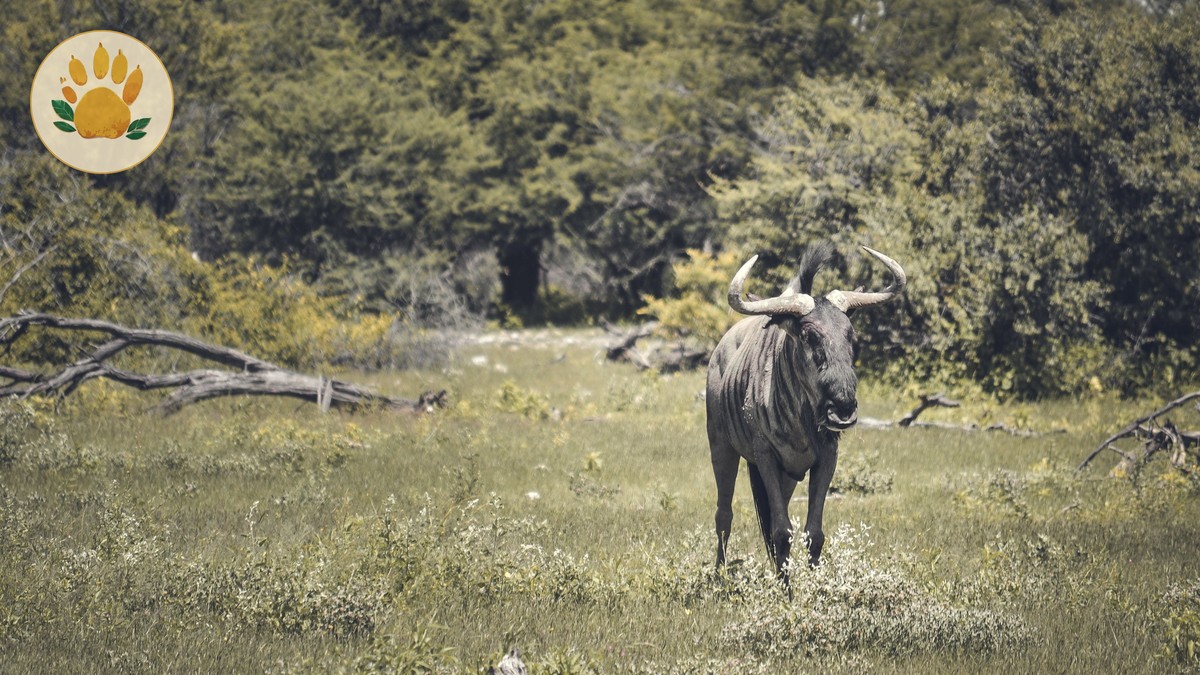
Botswana runs on a low-volume, high-value model. The government limits the number of beds allowed per concession in places like Moremi Game Reserve and the Okavango Delta, so camps stay small, often 8 to 12 tents. Fewer beds means each guest carries more of the fixed cost of staff, vehicles and light aircraft transfers.
Most Botswana camps are fly-in only. A single-engine Cessna hop from Maun to a Delta airstrip can run $150-300 per person each way. A typical circuit uses two or three camps, so those flights add up fast. Kenya, by contrast, lets you drive from Nairobi to the Masai Mara in about five to six hours, or fly for $150-250 one way on a scheduled shared flight, which is cheaper because the plane carries paying passengers from several lodges, not just yours.
Why Rwanda costs more
Rwanda’s price gap is really one line item: the gorilla trekking permit. It costs $1,500 per person per trek, set by the Rwanda Development Board, and it does not include accommodation, transport or a guide tip. Compare that to Uganda’s permit, roughly $800, and you can see why Rwanda’s per-trip average looks steep even though its lodges are not dramatically pricier than Kenya’s mid-range camps.
Outside of Volcanoes National Park, Rwanda is a reasonably priced country to travel in. A few days in Nyungwe Forest or on Lake Kivu cost close to Kenya mid-range rates. It is the permit, not the country, that pushes the average up.
What actually drives the price gap
Four factors explain almost all of the difference between these three countries.
- Accommodation density. Kenya has hundreds of camps and lodges competing for guests, which pushes entry-level prices down. Botswana caps bed numbers by design.
- Park and conservancy fees. Kenya’s fees vary a lot by park. The Masai Mara National Reserve, run by Narok County Government rather than Kenya Wildlife Service, charges $100 per adult per day from January to June and $200 per adult per day from July to December during peak migration season. Amboseli and Lake Nakuru charge $90 per adult per day, Tsavo East and West charge $80, and Nairobi National Park charges $80. Private conservancies like Naboisho or Mara North bundle a further $80-150 per person per night into the nightly camp rate.
- Logistics. Internal flights, four-wheel-drive transfers and fuel costs scale with how remote a camp is. Botswana’s Delta camps are the most remote of the three countries.
- Group size and exclusivity. Botswana markets privacy, often one vehicle per group, low guest-to-staff ratios, and few other vehicles at a sighting. Kenya’s Mara can mean sharing a leopard sighting with a dozen vehicles in peak season, especially outside private conservancies.
What you get for your money
Kenya gives you volume: the Great Migration, dense Big Five populations in the Mara, and enough camps at every price point that a first-timer can build a real safari on a modest budget. For a full breakdown by price tier, see our Kenya safari cost breakdown by tier.
Botswana gives you exclusivity: fewer vehicles, wilder-feeling bush, and a Delta landscape unlike anywhere else in Africa. You pay for space and quiet as much as for wildlife.
Rwanda gives you one encounter that neither of the other two offers: an hour with a mountain gorilla family in Volcanoes National Park. It is a single, concentrated experience, not a volume play.
Sample 7-day trip cost by country
Here is real itinerary math for one traveler, mid-range tier, including internal flights and fees, excluding international airfare.
| Item | Kenya (Mara + Amboseli) | Botswana (Delta + Chobe) | Rwanda (Volcanoes + Nyungwe) |
|---|---|---|---|
| Accommodation, 6 nights mid-range | $2,400-3,000 | $4,800-6,000 | $2,400-3,600 |
| Park/conservancy fees | ~$600 (Mara + Amboseli, 4 park days) | Usually bundled into camp rate | ~$200 (Nyungwe permits) |
| Gorilla permit | n/a | n/a | $1,500 (one trek) |
| Internal flights/transfers | $300-500 | $600-900 | $200-400 |
| Approximate 7-day total | $3,300-4,100 | $5,400-6,900 | $4,300-5,700 |
Kenya comes out lowest for a comparable mid-range week. Botswana runs 40-60% higher for a similar number of nights. Rwanda sits in the middle once you account for the permit, but that single day accounts for most of the gap versus Kenya.
Which destination fits which traveler
A first-time traveler on a first budget usually does best in Kenya. There are enough camps, guides and routes to build a trip that matches almost any budget, and the wildlife density means you are unlikely to leave disappointed even on a shorter trip. If you are planning your first visit, our guide on how many days you need for a first Kenya safari is a useful next stop.
A honeymoon or anniversary trip with a higher budget and a preference for privacy over volume points toward Botswana. You will see fewer animals per day than in the Mara, but you will often see them alone.
A traveler who already has an Africa trip under their belt, and wants one specific, unrepeatable experience, is the right candidate for Rwanda. The permit cost only makes sense once, when the goal is the gorillas themselves rather than a broader wildlife circuit.
Families should lean Kenya for its shorter flights, wider range of family-friendly camps, and lower daily cost per person, since a family of four multiplies every line item on that cost table.
Combining countries
Kenya and Rwanda combine well because both route through Nairobi. A typical add-on is 3-4 nights in the Mara followed by 3 nights in Volcanoes National Park, connected by a regional flight through Kigali, usually $300-500 round trip. Expect the Rwanda leg to add $2,500-3,500 per person to a Kenya-only trip, most of it the permit and Volcanoes accommodation.
Kenya and Botswana combine less often because the routing is longer, usually via Johannesburg, and the two experiences do not always complement each other on a first trip. It is a stronger combination for a second or third African safari.
Money-saving tips without sacrificing the experience
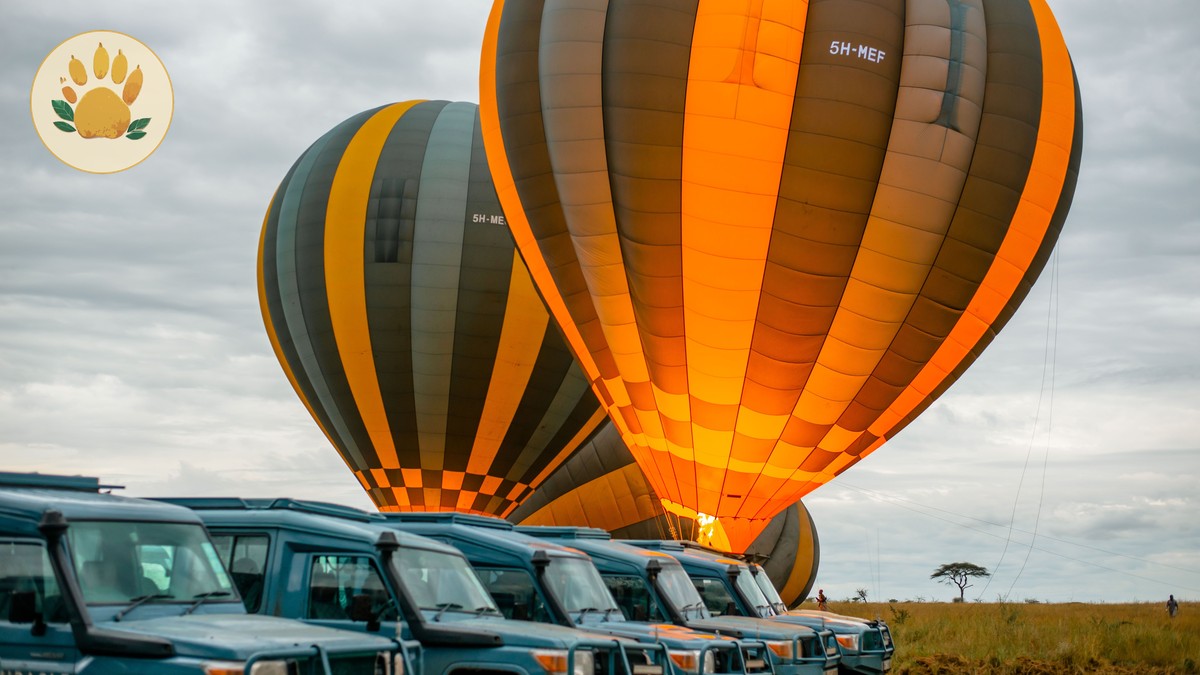
Travel in Kenya’s shoulder season, April to May or November, when Mara fees drop to the $100 rate and camp prices fall with them. Book a private conservancy instead of the reserve itself for a quieter, if pricier per night, experience with fewer fee surprises. In Rwanda, pair the gorilla trek with cheaper Nyungwe Forest days rather than adding a second $1,500 permit. In Botswana, mix one classic Delta camp with a cheaper Chobe riverfront lodge to bring the average down. Before you commit to any of these, run through our questions to ask before booking a Kenya safari so nothing gets missed in the quote.
The SafariPure Difference
We do not sell one country. We build the itinerary around what you actually want from the trip, then price it honestly against the alternatives. If Kenya gets you 90% of what you are hoping for at half the cost of Botswana, we will say so. If the gorilla trek is worth the permit for your specific trip, we will say that too. Every quote we send breaks down accommodation, park fees, permits and transport as separate lines, the same way the tables above do, so you know exactly what you are paying for and why.
FAQ
Is Kenya cheaper than Botswana for a safari? Yes. A comparable mid-range week in Kenya runs $3,300-4,100 per person against $5,400-6,900 in Botswana.
Is Rwanda more expensive than a Kenya safari? Usually, mainly because of the $1,500 gorilla permit. Strip that out and Rwanda’s costs are close to Kenya’s mid-range tier.
How much does a 7-day Kenya safari cost per person? Mid-range, expect $3,300-4,100 including park fees and internal flights, excluding international airfare.
Are Rwanda gorilla permits really $1,500 in 2026? Yes, that is the standard Rwanda Development Board rate for a single trek.
Which is best for a first-time safari? Kenya, for most travelers, because of its wildlife density and range of price points.
Plan your trip
If you are still weighing Kenya against Botswana or Rwanda, talk it through with us before you book anything. Visit our contact page or browse our Kenya safari tours and we will help you match the country to your budget and your time.
More safari planning resources
- Kenya wildlife tours from Trunktrails Safaris
- Kenya national parks map from Valley Safaris
- Best safaris in Kenya on Touring Insights
- Compare Kenya safari packages on FindMySafari
Related guides: Is a Hot Air Balloon Safari Worth It? Honest Cost Guide, Kenya Safari Plus Gorilla Trekking: Uganda or Rwanda?, Vegetarian and Vegan Food on Kenya Safari Camps.