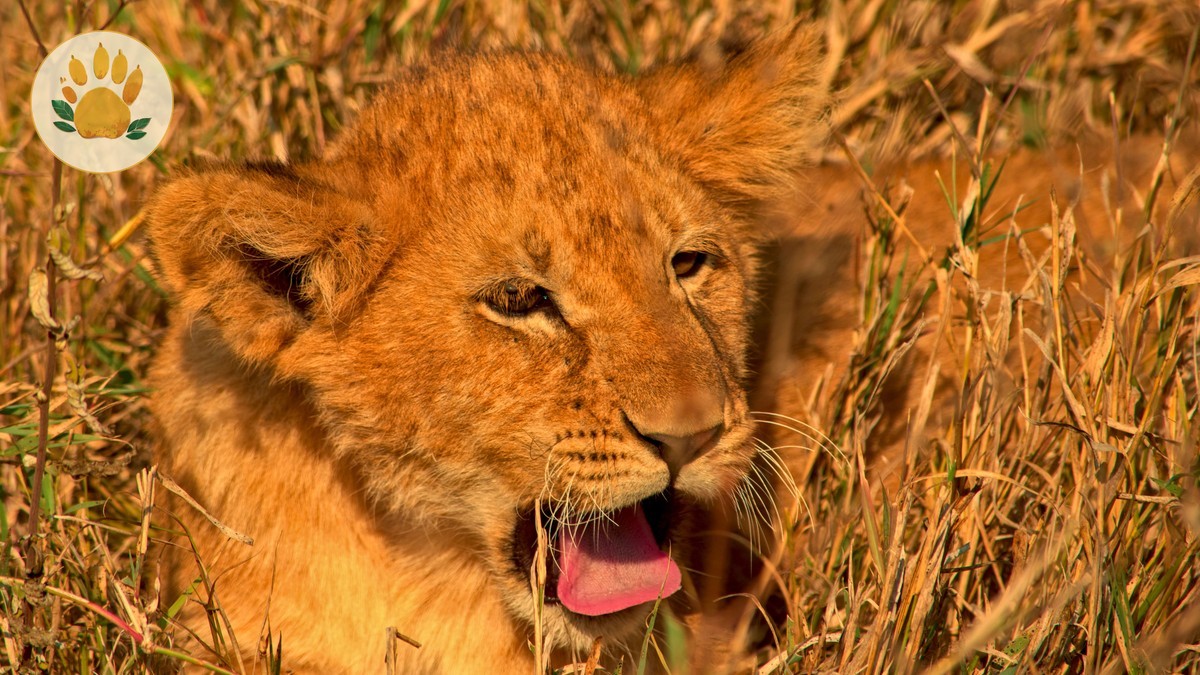
If you have already done the Masai Mara, this question usually comes up on your second or third trip: Samburu or back to the Mara. Both are Kenyan icons, but they reward different kinds of travelers. This samburu vs masai mara safari comparison skips the generic pitch and gets into real distances, real fees and real trade-offs, so you can pick with your eyes open.
Wildlife: Big Five vs Samburu Special Five
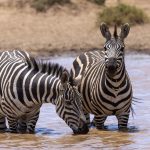
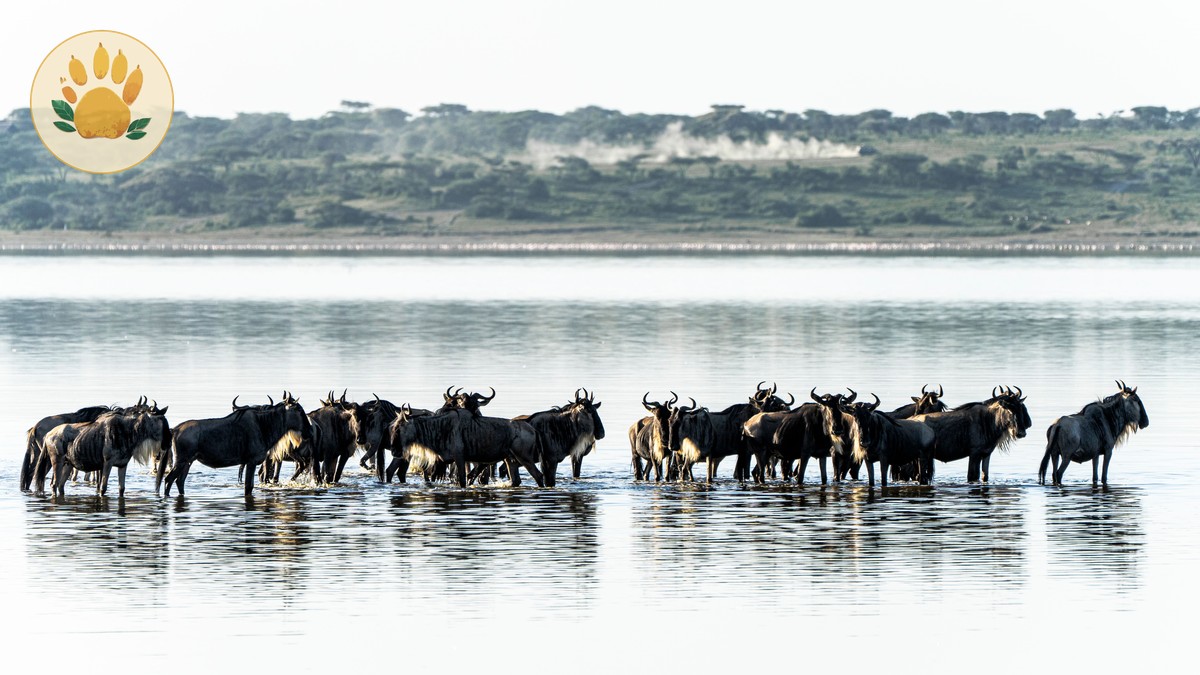
The Masai Mara delivers the classic Big Five: lion, leopard, elephant, buffalo and rhino, alongside the highest predator density in Kenya. Between July and October, it also hosts the wildebeest migration crossing the Mara River, a spectacle nothing else in East Africa matches.
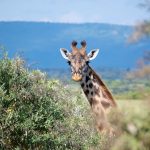
Samburu National Reserve trades volume for rarity. It is known for the “Samburu Special Five”: Grevy’s zebra, reticulated giraffe, Somali ostrich, gerenuk and beisa oryx, species adapted to arid country and rarely seen further south. Samburu also holds strong lion and leopard populations, plus elephant herds along the Ewaso Nyiro River, without the vehicle numbers you get in the Mara’s main reserve.
If checking off the Big Five matters to you, the Mara wins outright. If you already have those sightings from a previous trip and want species you have not photographed yet, Samburu is the stronger pick.
Landscape, terrain and climate
The Mara is open, rolling grassland, roughly 1,500 meters above sea level, cool mornings and warm afternoons year round. Samburu sits lower and drier, semi-arid scrubland and doum palm groves along the Ewaso Nyiro River, with daytime temperatures often 5 to 8 degrees Celsius warmer than the Mara.
For a repeat visitor, that terrain shift is often the whole point. Samburu looks and feels like a different country, closer in character to northern Kenya’s Laikipia plateau than to the Mara’s savanna.
Crowds and atmosphere
This is where the two parks diverge most sharply. The Mara’s main reserve gets busy in peak migration months, with vehicle clusters at popular river crossings. The private conservancies around it, such as Naboisho Conservancy and Mara North Conservancy, ease that pressure through limited-vehicle rules, at a nightly premium.
Samburu sees a fraction of the Mara’s visitor numbers on an average day. Game drives there rarely involve queuing at a sighting. For travelers who have already experienced the Mara’s energy and now want quiet, unhurried tracking, that difference alone can settle the decision.
Culture: Maasai vs Samburu people
The Mara sits in Maasai land, and most conservancies around it are Maasai-owned, with cultural visits and community-run camps common. Samburu is Samburu country, a related but distinct pastoralist group with their own language, beadwork style and manyatta layout. Village visits here feel less scripted than some Mara options, partly because Samburu sees fewer tour groups overall.
Best time to visit / seasonality
The Mara peaks from July to October for the migration, and again in January and February for calving season further south in the Serengeti-Mara ecosystem. Rain falls mainly in April, May and November, when roads soften and some camps close.
Samburu has no true off-season for game viewing, since resident wildlife stays put along the river year round. The driest, most comfortable months are June to October and January to March. Its short rains in November and long rains in April can still make riverbed tracks difficult.
| Factor | Masai Mara | Samburu National Reserve |
|---|---|---|
| Peak season | July-October (migration), Jan-Feb (calving) | June-October, Jan-March |
| Non-resident park fee | USD 100/day (Jan-June), USD 200/day (Jul-Dec) | USD 70-100/day indicative, confirm at booking |
| Typical fly-in time from Nairobi | 45 minutes | 60-75 minutes |
| Typical drive time from Nairobi | 5-6 hours via Narok | 5-6 hours via Nanyuki |
| Best for | Big Five, migration, first safari | Special Five, solitude, repeat visitors |
| Camp price range (mid-range, per person/night) | USD 350-600 | USD 300-550 |
Accessibility and travel logistics
This is the section most comparison pages skip, and it matters. Reaching the Mara by road covers roughly 270 km from Nairobi via Narok, about 5 to 6 hours including the rough final stretch into the reserve. Flying from Nairobi to the Masai Mara on Safarilink or AirKenya takes about 45 minutes and typically runs USD 200-300 one way, landing at one of several airstrips near your camp.
Samburu is further north. The drive covers about 325 km, driving up to Samburu via Nanyuki on tarmac to Nanyuki, then a rougher final section, around 5 to 6 hours total. Flying into Kalama or Samburu airstrip takes roughly 60 to 75 minutes and usually costs USD 220-320 one way.
Neither park sits directly on a road route to the other, so combining them means either a domestic flight between the two or a long drive back through Nairobi. There is no direct road link that avoids Nairobi or Nanyuki.
Cost comparison
Park fees now favor Samburu for most of the year. The Mara’s non-resident rate is USD 100 per adult per day from January through June, then USD 200 per day from July through December during peak migration season, a fee set by the Narok County Government rather than Kenya Wildlife Service. Samburu’s fee sits lower, in the range of USD 70 to 100 per adult per day, though you should confirm the exact figure with your operator before booking, since reserve fees change without much notice.
Accommodation follows a similar pattern. Mid-range camps like Mara Serena Safari Lodge or Ashnil Mara run roughly USD 350 to 600 per person per night. In Samburu, Elephant Bedroom Camp or Larsens Camp fall in a similar USD 300 to 550 band. Conservancy stays such as Naboisho Conservancy or Mara North Conservancy add USD 80 to 150 per person per night in conservancy fees on top of the room rate, reflecting their lower vehicle density.
Samburu vs Masai Mara Safari Comparison: Decision Framework
Choose the Mara if this is your first African safari, you want migration season, or Big Five sightings top your list. Choose Samburu if you have already done a classic savanna safari, want fewer vehicles per sighting, or are curious about arid-adapted species and Laikipia-style terrain. If your priority is pure quiet over guaranteed density, Samburu wins that trade cleanly, but you give up the migration spectacle and the easier road access the Mara offers.
Combining Samburu and Masai Mara in one trip
Pairing both parks works well for a repeat visitor with 8 to 10 days available. A common structure runs 3 nights in Samburu, a fly-back through Nairobi or a direct charter, then 3 to 4 nights in a Mara conservancy. Budget at least one full travel day for the connection, since there is no direct flight or road link between the two.
Ten days lets you add a night in Nairobi as a buffer, useful given how weather occasionally delays small-plane connections in both directions.
The SafariPure Difference
We plan Samburu and Mara trips around your actual travel history, not a generic itinerary template. If you have already seen the Mara’s crossings, we will not sell you another Big Five checklist trip. We build in real flight times, current park fees, and camps that match your pace, whether that means a private conservancy vehicle in Naboisho or a quiet riverside camp in Samburu with almost no other vehicles in sight. Our recommendations come from guides who have driven both routes, not from a brochure.
FAQs
Is Samburu or Masai Mara better for a first-time safari? The Mara suits most first-timers, thanks to Big Five density and, in season, the migration.
Can you combine Samburu and Masai Mara in one itinerary? Yes, though you need a flight or a long drive through Nairobi to connect them, with no direct route between the two.
How many days do you need for Samburu and Masai Mara together? Plan for 8 to 10 days, including one travel day for the transfer.
What is the Samburu Special Five? Grevy’s zebra, reticulated giraffe, Somali ostrich, gerenuk and beisa oryx, species suited to arid terrain.
Is Samburu cheaper or more expensive than Masai Mara? Samburu’s park fee runs lower, roughly USD 70-100 per day versus the Mara’s USD 100-200 per day depending on season.
Which has fewer crowds, Samburu or Masai Mara? Samburu, by a wide margin, especially outside the Mara’s July to October peak.
What’s the best time of year to visit Samburu vs Masai Mara? The Mara peaks July-October for migration; Samburu is steady year round, best June-October and January-March.
How do you get from Samburu to Masai Mara (fly or drive)? Fly via Nairobi, roughly 45 to 75 minutes each leg, or drive, roughly 11 to 12 hours combined through Nairobi.
Is Samburu safe and worth visiting? Yes. It is a well-established reserve with experienced guides and steady visitor numbers, just fewer than the Mara.
Do you need a 4×4 for Samburu and Masai Mara? Yes, both reserves require 4×4 vehicles, especially during and after the rains.
Ready to weigh Samburu against the Masai Mara National Reserve Guide for your own trip? Get in touch through our contact page and we will help you plan the route, the season and the camps that fit how you actually like to travel.
More safari planning resources
- Samburu National Reserve guide from Trunktrails Safaris
- Map of Samburu from Valley Safaris
- Samburu National Reserve guide on Touring Insights
- Samburu destination guide on FindMySafari
Related guides: Is a 3-Day Masai Mara Safari Worth It? Honest Guide, Amboseli to Masai Mara Transfer Options: Fly, Drive or Both, Best Masai Mara Conservancies Guide for Photographers.